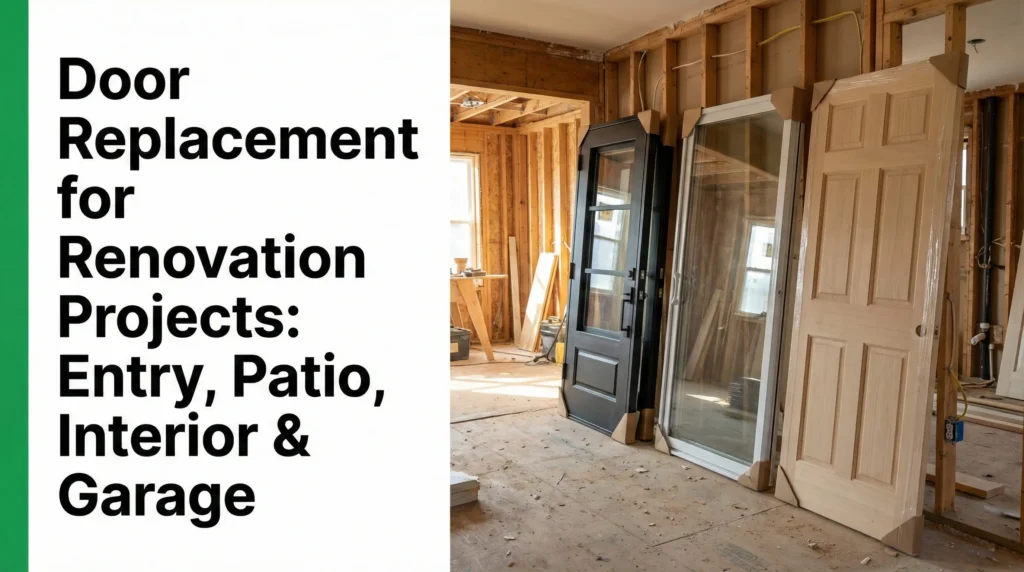
In modern construction, finding the “sweet spot” between affordability, durability, and performance is the ultimate goal. This is why uPVC doors have exploded in popularity over the last two decades. They are no longer just the “cheap white plastic” option; they are sophisticated engineering solutions for energy-efficient homes.
What exactly are uPVC doors?
uPVC (Unplasticized Polyvinyl Chloride) doors are rigid, durable entryways made from a polymer that has had all softening plasticizers removed.
Unlike standard PVC used in pipes or shower curtains, which is flexible, uPVC is engineered to be hard and chemically resistant. It functions structurally more like wood or metal than plastic. High-quality uPVC doors are not solid blocks; they utilize a complex multi-chambered profile design. These internal air chambers trap heat to provide insulation, while a central galvanized steel reinforcement core provides structural integrity.
Key Characteristic: Does not rot, warp, or rust.
Material: Unplasticized Polyvinyl Chloride (Rigid PVC).
Construction: Multi-chambered profile with steel core.
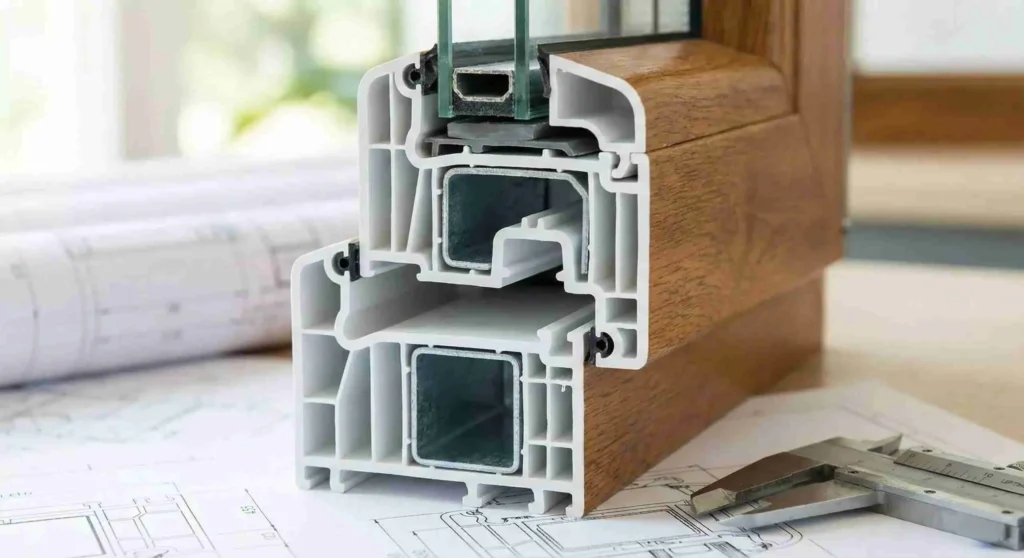
For a deeper look at the engineering behind these profiles, check out our guide on uPVC Technical Specs: Profile Thickness & Construction.
Pros and Cons: Is uPVC Right for Your Home?
What are the upsides and downsides of uPVC doors?
uPVC offers high energy efficiency at a lower price point than aluminum or timber, but it does have aesthetic limitations. Below is a comparative breakdown.
| Feature | The Upsides (Pros) | The Downsides (Cons) |
|---|---|---|
| Thermal Insulation | Excellent. Multi-chamber designs act as a thermal break, lowering HVAC costs. | None physically, though minimal glass area reduces light slightly compared to slim aluminum. |
| Maintenance | “Wipe and go.” Requires no sanding, varnishing, or sealing. | Repairs are difficult if the plastic is deeply scratched or cracked by heavy impact. |
| Durability | Impervious to rot, rust, termites, and salt corrosion. | Can look “plasticky” if low-budget, non-textured profiles are chosen. |
| Cost | significantly more affordable than hardwood or thermally broken aluminum. | Lower resale value perception compared to high-end hardwood doors. |
| Aesthetics | Modern foils allow for realistic woodgrains and matte finishes. | Difficult to change color later; standard paint does not bond well to uPVC. |
If you are weighing uPVC against other materials, read our detailed comparison: uPVC vs. Aluminum vs. Wood Doors: Which is Best?.
Security and Home Safety
Are uPVC doors secure against break-ins?
Yes, modern uPVC doors are highly secure due to internal steel reinforcements and multi-point locking mechanisms.
A common misconception is that plastic doors are weak. However, the security of a uPVC door comes from the hardware and internal structure, not just the outer skin.
3 Key Security Components:
- Galvanized Steel Core: Premium doors (like those from Hotian Windows) feature a steel sub-frame preventing the door from being kicked through.
- Multi-Point Locking: Unlike wooden doors with a single deadbolt, uPVC doors lock at multiple points (top, middle, bottom) simultaneously when the handle is lifted.
- Internal Glazing Beads: The glass is installed from the inside. An intruder cannot remove the beading from the exterior to pop the glass out.
For a full breakdown of locks, grills, and safety ratings, read Are uPVC Doors Secure? Locks, Grills & Safety Features.
4. Design Versatility
What styles of uPVC doors are available?
uPVC is thermoplastic, allowing it to be molded into various architectural styles ranging from Victorian to Ultra-Modern.
- Front Entrance Doors: Solid panels or decorative glazed options with molded designs.
- Stable/Cottage Doors: Split-opening doors where the top and bottom halves operate independently (great for ventilation and pet safety).
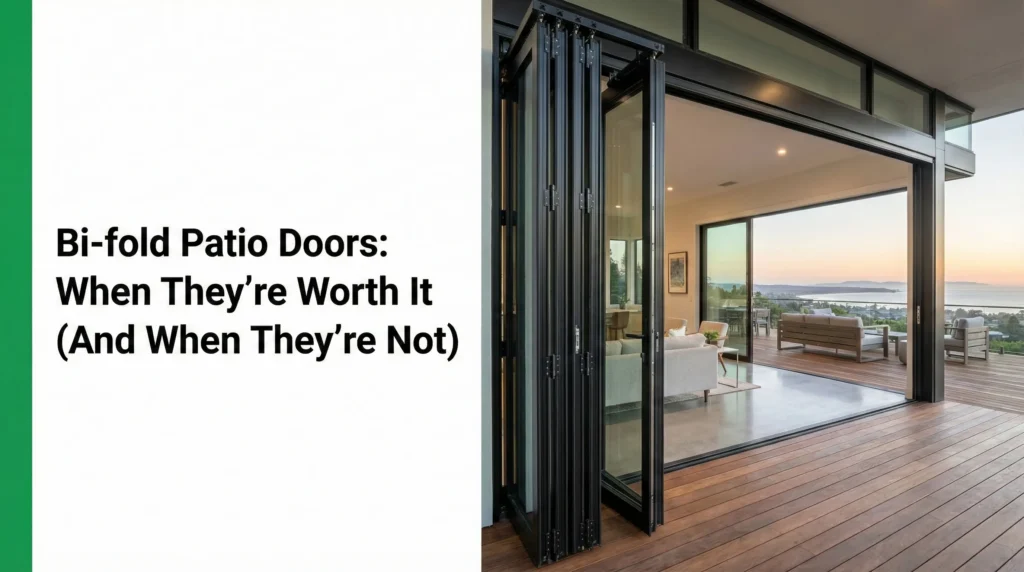
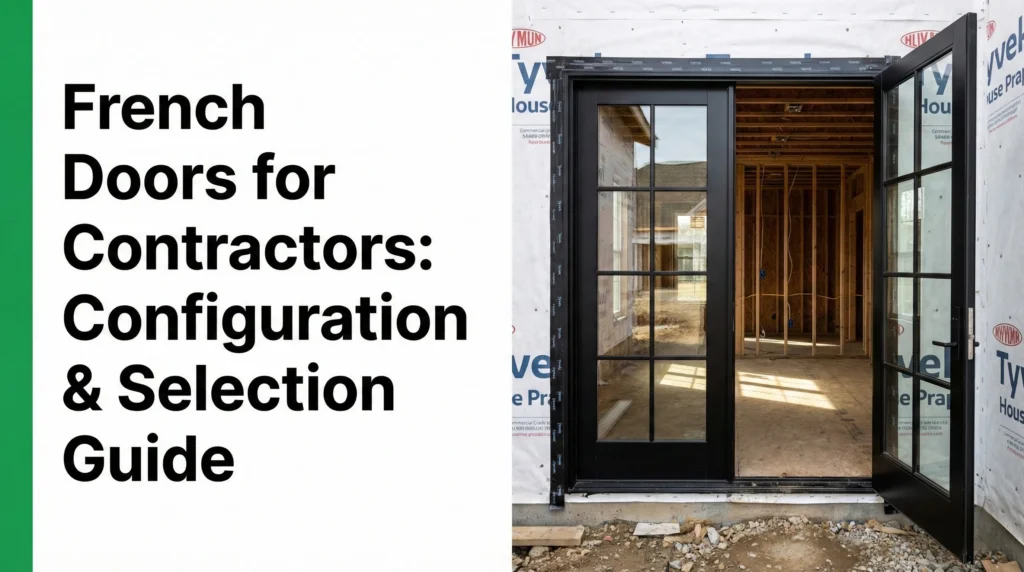
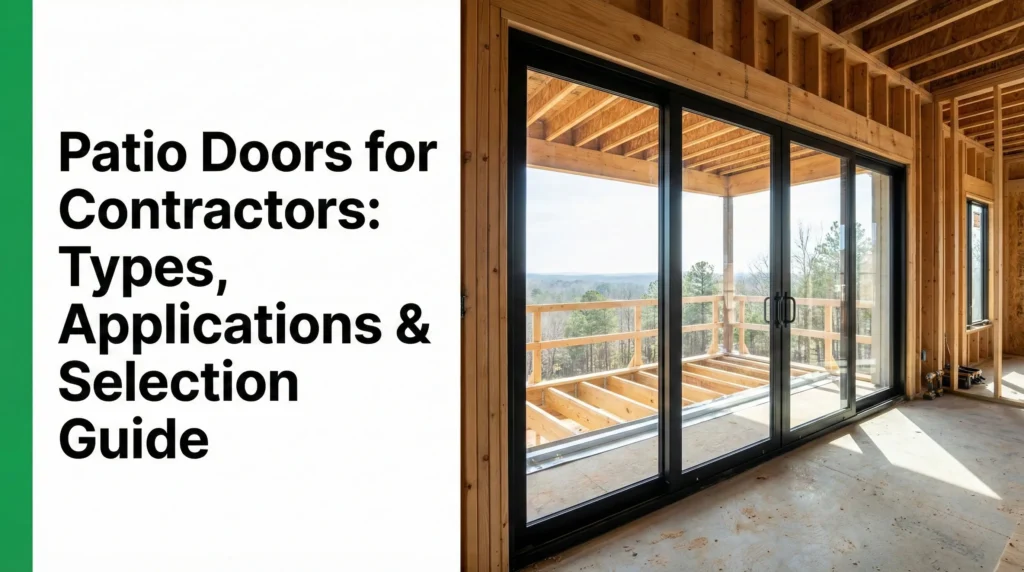
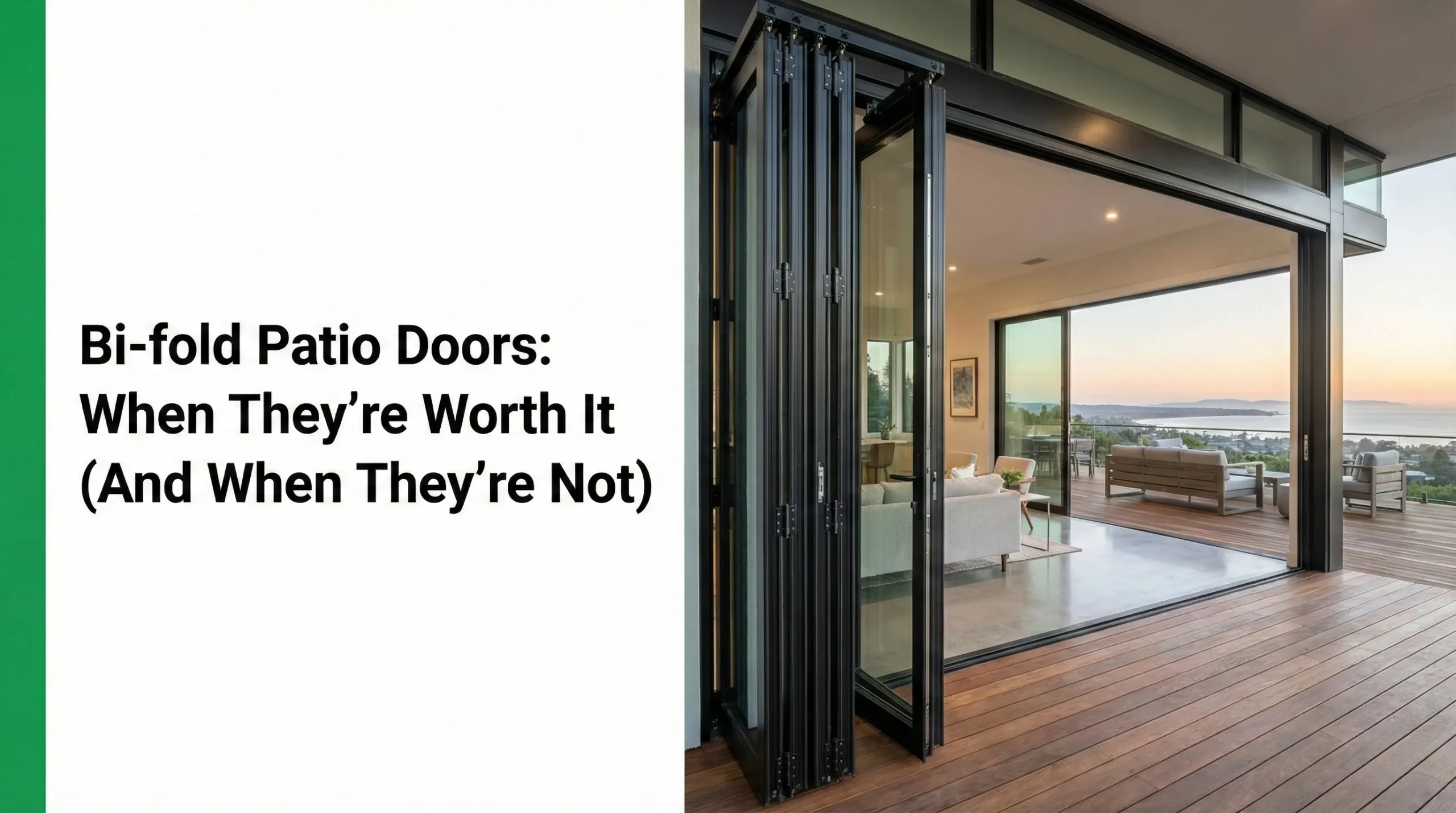
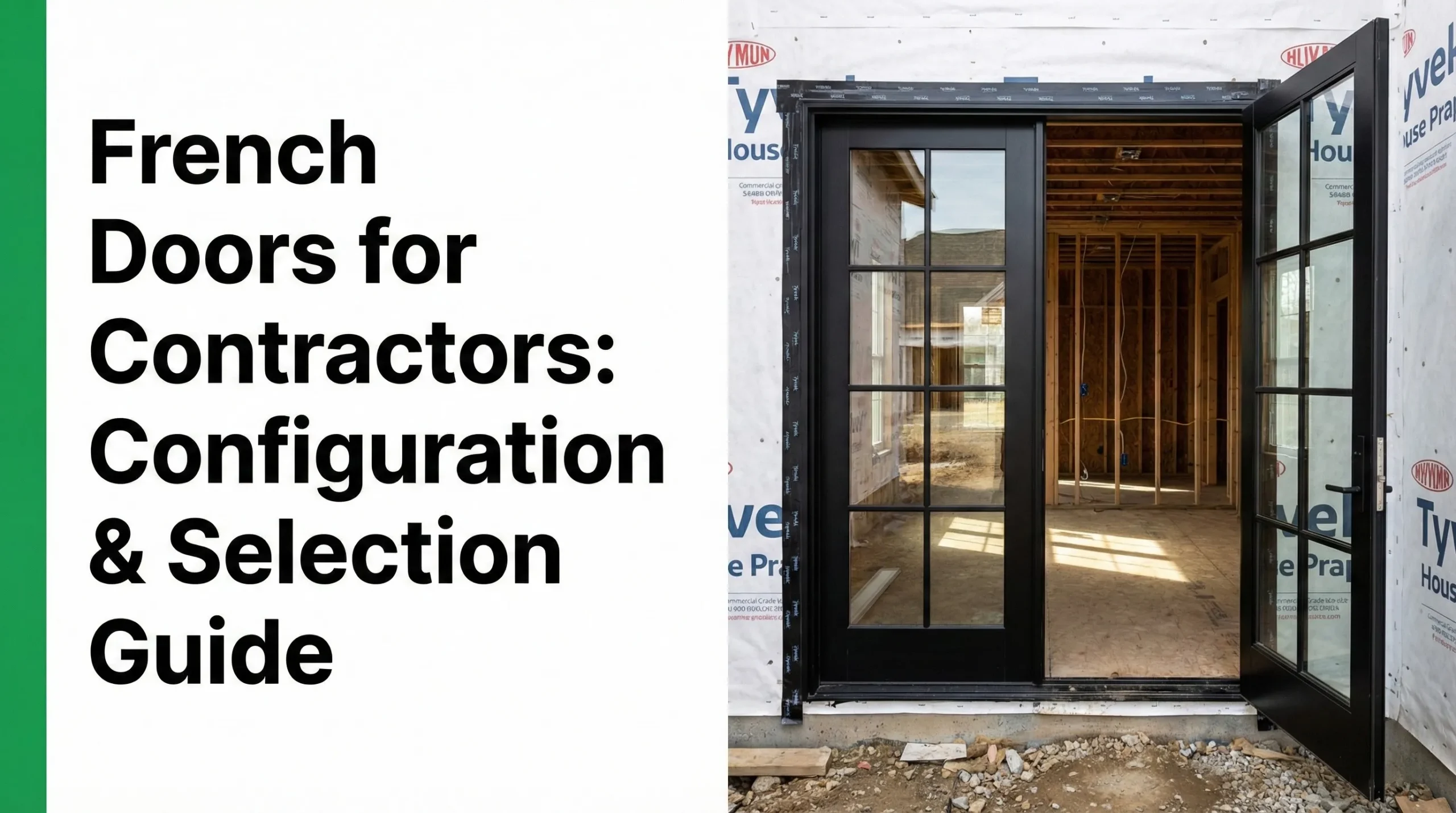
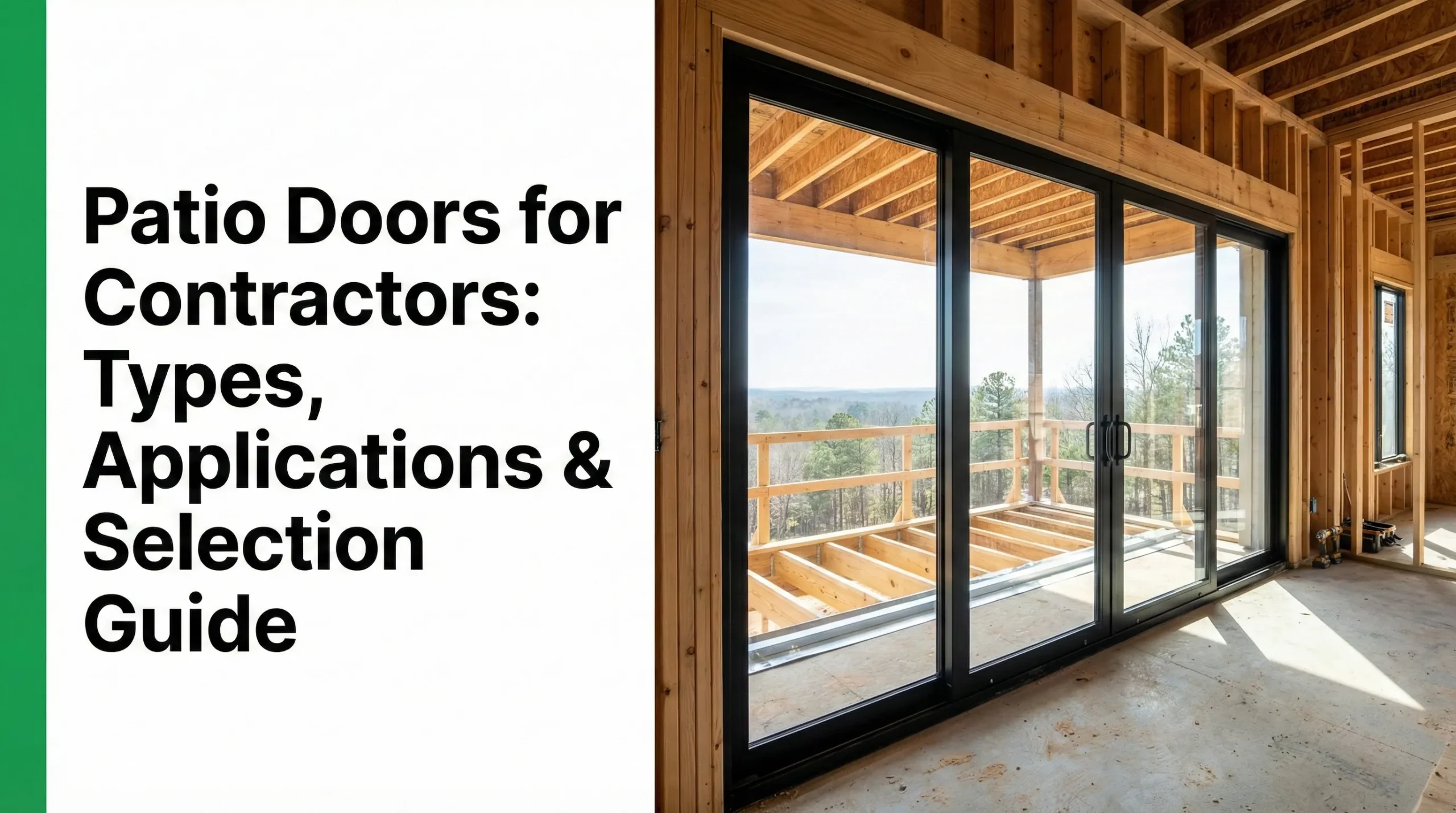
- Patio & Garden Doors: Available as Sliding, Swing, French, or Bi-Fold configurations.
To see the full range of design possibilities, explore our guide on uPVC Door Styles: From Front Entrances to Cottage Designs.
If you are specifically looking to open up your living space to the garden, you need to compare the mechanisms carefully. We break this down in our Patio Door Guide: French vs. Sliding vs. Bi-Fold Doors.
5. Longevity and Durability
How long do uPVC doors last?
A high-quality uPVC door has an expected lifespan of 30 to 45 years. Longevity depends heavily on installation quality and UV exposure levels. Poor installation can lead to frame twisting, which strains the locking mechanism over time.
- Learn more here: uPVC Door Installation Guide: Anchoring & Fitment Checks.
Are uPVC doors suitable for very hot/sunny climates?
Quality uPVC doors resist warping because they contain UV stabilizers.
Cheap plastic turns yellow and warps in direct sun. However, premium uPVC profiles are formulated with Titanium Dioxide (TiO2). This additive acts as a “sunblock,” stabilizing the material against UV radiation and minimizing thermal expansion.
If you live in a region with extreme weather, it is vital to understand how these doors react to heat. Read our deep dive on Energy Efficiency & Climate Resilience of uPVC Doors.
6. Aesthetics and Maintenance
Can you paint uPVC doors?
Generally, no—standard paint will peel off the non-porous surface.
If you want a specific color, it is best to order it factory-finished. Manufacturers like hotian apply specialized foils and laminates (e.g., Anthracite Grey, Golden Oak) that bond permanently to the profile.
If you must change the color of an existing door, you require specialized uPVC spray paints and bonding primers.
- Customization: It is best to choose your color before buying. Modern laminates allow for woodgrain, matte black, and pastel finishes. Check out uPVC Door Customization: Colors, Glass & Hardware to see what’s possible.
- Maintenance: If you are stuck with a white door and want to clean it or are desperate to paint it, there are specific methods to use. We explain the risks and processes in our Maintenance Guide: Painting, Cleaning & Repairing uPVC.
7. Environmental Impact
Are uPVC doors eco-friendly and lead-free?
Yes, modern uPVC doors are highly sustainable and recyclable.
- Lead-Free Production: Contemporary manufacturing standards (such as those used by Hotian Windows) utilize Calcium-Zinc stabilizers rather than toxic lead.
- Recyclability: uPVC can be melted down and reformed up to 10 times without losing structural strength.
- Carbon Reduction: The high insulation value (low U-value) of uPVC doors reduces household energy consumption, lowering your carbon footprint over the door’s lifecycle.
8. Summary & Buying Advice
uPVC doors provide the most practical balance of security, insulation, and cost on the market. While they cannot mimic the exact grain of natural timber, their resistance to weather and zero-maintenance requirements make them the superior choice for longevity.
Key Takeaways:
- It’s not just plastic: It’s a rigid, steel-reinforced engineering material.
- Lifespan: Expect 30-45 years of service.
- Security: Multi-point locks make them formidable barriers.
Ready to upgrade your home?
Browse our collection of Hotian Windows uPVC Doors to find the perfect fit for your entryway or patio.
Have technical questions? Contact our engineering team today for a consultation on profiles, glazing, and custom sizes.