Introduction
Whether it is the roar of late-night traffic, early morning birds, or a neighbor’s dog, intrusive noise can ruin even the best night’s sleep. If you are searching for window soundproofing solutions, you already know that windows are your home’s weakest acoustic link. While cheap gadgets claiming instant silence rarely work, scientific upgrades can effectively reduce noise by 70% or more. This guide breaks down the most effective solutions—ranging from budget-friendly DIY fixes for renters to permanent, system-level custom upgrades for homeowners—helping you reclaim your peace and turn your space back into a quiet sanctuary.
Identify Window Noise Type
Before blindly ordering any soundproofing materials, take a minute to identify the type of noise you are facing, as this determines how much you should spend:
- High-Frequency Noise (e.g., human voices, bird calls, car horns): These sounds have weak penetrating power and often seep in through the air (window gaps) like water. Simply “sealing the gaps” can solve most of the problem.
- Low-Frequency Noise (e.g., bus engines, heavy truck vibrations, heavy bass from speakers): These sounds have extremely strong penetrating power and can directly cause standard single or double-pane glass to resonate, penetrating walls and entering the room. To combat this, you must increase the “mass” of the glass and block the transmission medium.
Pitfall Warning: Don’t Confuse “Sound Absorption” with “Soundproofing”
Before blindly buying cheap “acoustic foam” or “egg-crate panels” to stick on your glass, we must clarify two easily confused acoustic concepts. This is the key to ensuring your budget isn’t wasted:
- Sound Absorption (Eliminating Indoor Echoes): Common materials like acoustic foam and polyester fiber panels are lightweight and porous. They work like a sponge soaking up water, absorbing sound waves that enter their pores. However, their true purpose is merely to reduce sound reflection within a room (e.g., eliminating echoes in an empty room or background noise in a recording studio). Because these materials are extremely light and full of holes, highly penetrating outdoor traffic noise will simply pass right through them and enter your room without resistance.
- Soundproofing / Sound Insulation (Blocking Outdoor Noise): What truly keeps outdoor noise at bay is “soundproofing.” This follows the acoustic “Mass Law”—the heavier, denser, and more airtight a material is, the better its ability to block sound waves. To combat the highly penetrating roar of heavy trucks, you don’t need a soft sponge; you need a “solid shield” made of high-density laminated glass and a highly airtight window frame.
In short: Acoustic foam only makes the sound inside the room cleaner, but it absolutely cannot stop outside noise from coming in. To block highly penetrating street noise, solid physical mass and absolute airtightness are the irreplaceable core elements.
Solution 1: Check and Fill, Low-Cost Sealing (Budget: $10 – $30)
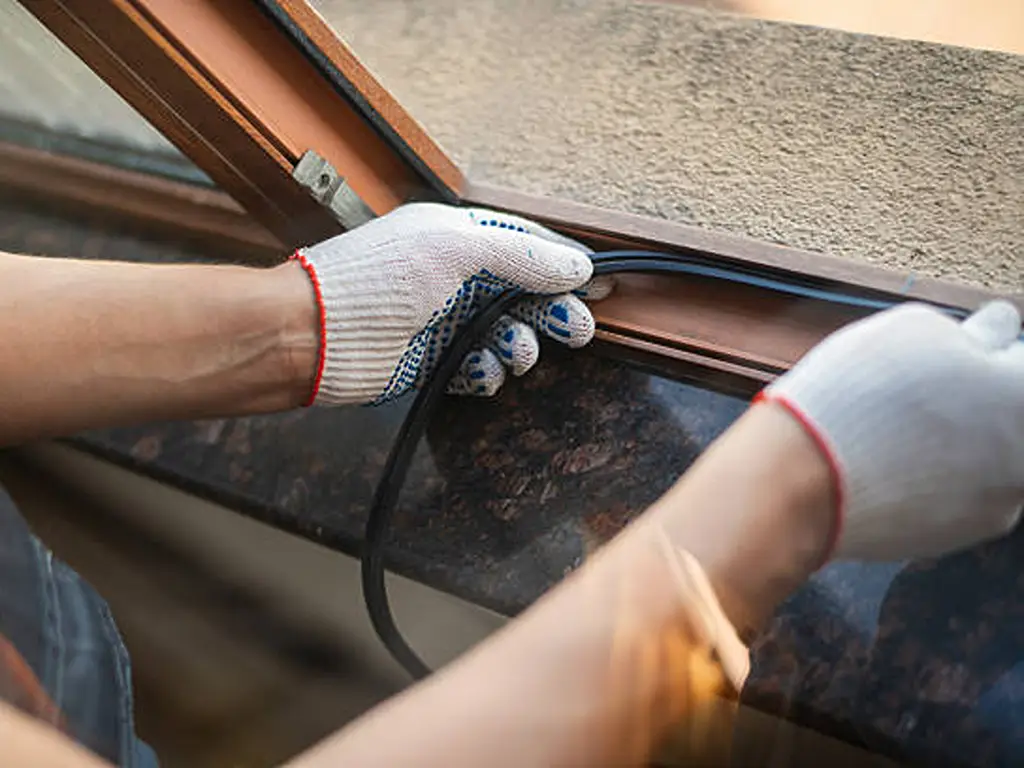
If your windows are older, the rubber weatherstripping may have aged and shrunk. You can use a flashlight or a lighter to test the edges of the window frame; if light leaks through or the flame flickers, the seal has failed.
- Method: Purchase high-density soundproofing weatherstripping and reapply it to all the gaps around the window frame. For cracks between the window frame and the wall, use professional acoustic caulk to fill them.
- Best For: Victims of high-frequency noise, those on a tight budget, or those who clearly feel drafts around their windows.
- Expected Results: Effectively reduces wind noise and mild high-frequency sounds (typically a marginal 3-5 dB reduction), but completely ineffective against low-frequency vibrations.
Solution 2: Soft Furnishing Upgrade, Adding a Blocking Medium (Budget: $50 – $150)
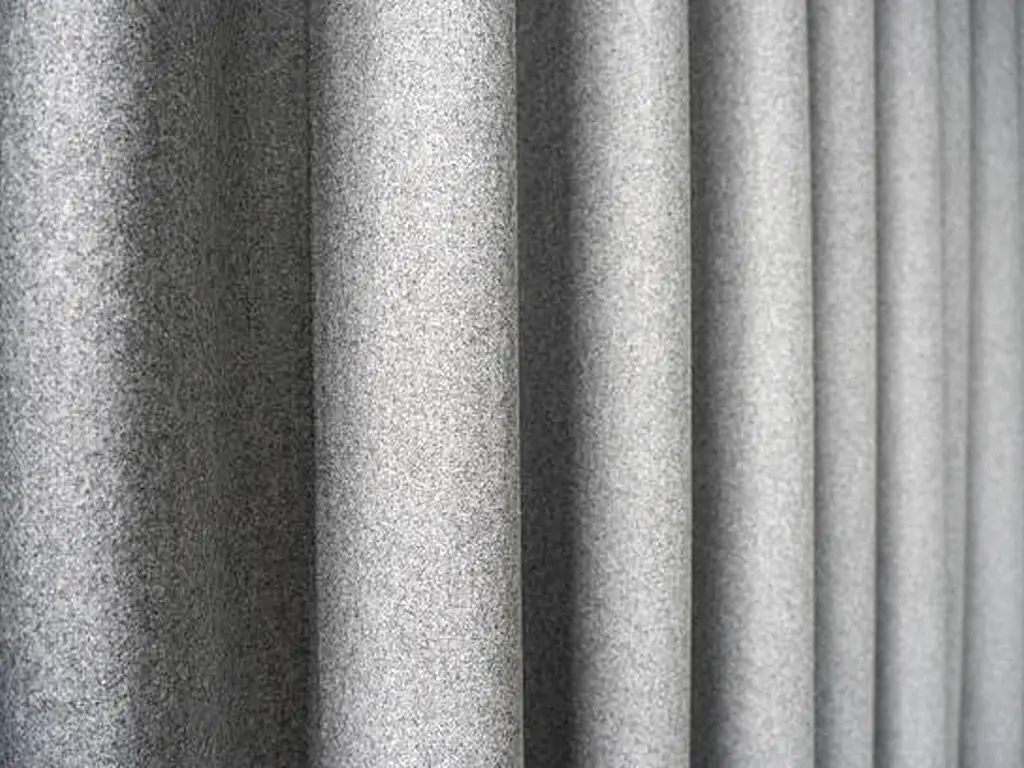
- Method: Switch to heavy-duty soundproof curtains. Please note that ordinary blackout fabric has no soundproofing effect. Genuine soundproof curtains must contain an MLV (Mass Loaded Vinyl) core. These curtains are very heavy and can block some sound waves by adding “mass.”
- Best For: Renters and people with a dual need for blackout and soundproofing.
- Expected Results: Acts as a buffer (can reduce noise by 5-10 dB, primarily in higher frequencies), but because the edges of the curtains are not absolutely sealed, sound will still leak into the room.
Solution 3: Window Inserts (Budget: $100 – $300)
- Method: This is a custom-sized transparent acrylic or polycarbonate panel with a silicone weatherstrip or magnetic strip around the edge. You can simply “snap” or “magnetize” it onto the inside of your existing window frame, utilizing the “dead air space” created between the original window and the insert to absorb sound wave energy.
- Best For: DIY enthusiasts who want to avoid damaging the original window structure and are looking for cost-effectiveness.
- Expected Results: High cost-effectiveness and doesn’t block the view (capable of reducing noise by 10-15 dB). However, lifespan and airtightness are limited by individual installation skills, and it cannot solve resonance transmission issues caused by thin original window frame profiles.
Solution 4: The Ultimate Upgrade—System-Level Custom Soundproof Windows
When you find that soundproof curtains and weatherstripping are still useless against the roar of heavy trucks downstairs, it means the noise has breached the physical limits of ordinary glass and existing window frames. To solve sleep anxiety once and for all, you must fundamentally upgrade the window’s acoustic system.
As a source factory deeply rooted in the manufacturing of soundproof doors and windows, we solve tricky acoustic challenges for various buildings every day. A true soundproof window is never a standardized product off an assembly line; it is a tailor-made defense system:
The Ultimate Acoustic Glass Selection Guide
When upgrading, avoid the common trap of thinking “more layers of glass equal better soundproofing.” To achieve true silence, you must select the right glass configuration based on your specific noise environment.
Here is how the most common glass options compare in architectural acoustics:
| Glass Configuration | Est. Noise Reduction | Best At Blocking | Core Advantage | Best Suited For |
| Standard Double Glazing (e.g., 5mm + 12A + 5mm) | Low (28 – 32 dB) | High-frequency noise (birds, rain, light wind) | Excellent thermal insulation; low cost. | Standard residential areas with minimal street traffic. |
| Standard Triple Glazing (e.g., 5mm + 9A + 5mm + 9A + 5mm) | Moderate (30 – 33 dB) | High-frequency noise | Extreme energy efficiency; poor at low-frequency sound. | Cold climates with low traffic; a myth for highway noise. |
| Asymmetrical Double Glazing (e.g., 6mm + 12A + 4mm) | Moderate-High (34 – 36 dB) | Mid-frequency noise (distant traffic, voices) | Dissimilar thicknesses disrupt sound wave resonance. | Urban residential areas with moderate street traffic. |
| Acoustic Laminated Glass (e.g., 5mm + 0.76PVB + 5mm) | High (35 – 39 dB) | Low-frequency noise (heavy trucks, bass, subways) | PVB interlayer acts as a shock absorber to deaden vibrations. | Homes facing main roads, highways, or train tracks. |
| Laminated + Insulated Combo (e.g., 5+0.76PVB+5 + 12A + 6mm) | Premium (40 – 45+ dB) | All Noise Frequencies (Total Acoustic Isolation) | Maximum sound dampening combined with top-tier insulation. | Severe noise zones (airports, transport hubs, commercial avenues). |
💡 Pro Factory Tip on Window Frames:Sound doesn’t just travel through glass; it travels through the frame. Standard, thin-walled aluminum profiles act like speakers, amplifying vibrations. For a truly soundproof system, always pair your glass with multi-chamber uPVC or heavy-duty thermally broken aluminum frames filled with high-density insulation. Multiple internal chambers break the sound transmission path before it can reach your walls.
Direct from the Source
Choosing direct supply from the factory means you eliminate the layers of middleman markups, spending your budget on genuinely top-tier soundproofing materials. By upgrading to our high-STC (Sound Transmission Class) acoustic windows, you can successfully downgrade a roaring 75dB heavy traffic environment to a 35dB sleep-grade standard. At the same time, high-quality system soundproof windows are not just noise reduction tools. Thanks to the superior thermal insulation and airtightness of custom glass and multi-chamber profiles, they can significantly lower your annual winter heating and summer cooling bills. This is a long-term investment that substantially improves living comfort and increases the overall valuation of the property.
Crucial Soundproof Window Installation Tips
There is a consensus in the soundproof window and door industry: “30% depends on the product, 70% depends on the installation.” Many consumers spend heavily on top-tier soundproof glass, only to have the soundproofing effect severely compromised by shoddy local construction.
Regardless of which soundproof window you ultimately choose, when hiring local workers for installation, be sure to keep a close eye on the following core steps:
- Filling Wall Gaps: The gap between the window frame and the wall is a “major disaster zone for sound leakage.” Never settle for ordinary cement or inferior expanding foam. You must require workers to use high-density acoustic polyurethane foam for a full fill, and tightly apply high-quality weather-resistant silicone sealant on both the indoor and outdoor sides.
- Avoid Rigid Connections: The window frame must not be rigidly wedged directly against the wall, or the building’s low-frequency vibrations (like subways or heavy trucks) will transfer directly to the window, causing resonance. Reasonable expansion joints must be left during installation, using flexible materials like expanding foam for a “soft connection” buffer.
- Airtightness Testing: After installation is complete, be sure to open and close the window repeatedly to test it. Ensure that when the multi-point locking hardware is engaged, the weatherstripping between the sash and the frame is tightly compressed, achieving an excellent airtight state where “not even a business card can slip through.”
Conclusion
Solving window noise is not an impossible problem. For mild noise scenarios on a limited budget, simple soft furnishing and sealing upgrades can act as a buffer. However, when facing severe low-frequency noise environments like transport hubs or busy main streets, the only permanent solution that truly meets architectural acoustic requirements and client acceptance standards is the use of high-standard, highly airtight system-level soundproof windows.
If you are a dealer, engineering contractor, or design team looking for high-quality soundproof doors and windows, avoid blind trial-and-error with complex acoustic configurations. Feel free to contact our factory technical team at Hotian Windows at any time. We will provide you with professional acoustic implementation plans—from glass configuration to profile customization—and direct-from-factory quotes. Partner with us today to deliver perfect soundproof projects for your clients using highly competitive source products!
(Click here to visit Hotian Windows and contact our technical experts for your exclusive B2B procurement quote)