Introduction
Whole-house window replacement is a massive investment, yet it’s incredibly easy to botch due to industry information asymmetry. The truth is simple: there is no “perfect” window—only the one perfectly optimized for your specific space. This 2026 guide cuts through boring datasheets to deliver a practical, five-step framework: Environmental Assessment ➔ Frame Materials ➔ Window Styles ➔ Glass Tech ➔ Smart Saving Strategies. Whether you’re a homeowner looking to maximize your budget or a contractor seeking a premium supply chain to close more deals, this guide ensures you look beyond the specs and make the smartest choice.
Part 1: Environmental Assessment — Climate, Orientation, and Noise
Before you step foot in a showroom, you need to analyze the physical environment surrounding your house.
1. Climate Dictates Your Core Thermal Strategy
- Cold Climates: Your primary goal is heat retention. Hyper-focus on ultra-low U-Factors (thermal transmittance) and multi-pane, gas-filled glass.
- Hot Climates: Your primary goal is sun block and heat rejection. Focus on a low SHGC (Solar Heat Gain Coefficient) and advanced Low-E (low-emissivity) coatings.
- Coastal & Hurricane Zones: Structural integrity is non-negotiable. You must opt for impact-resistant glass and frame materials that resist salt-spray corrosion.
2. Micro-Managing Rooms Within the Same House
- West/South-Facing (Sun Defense): These rooms bear the brunt of intense afternoon sun. Upgrade to premium Low-E coatings here to prevent indoor greenhouse effects and protect furniture from UV fading.
- North-Facing (Daylighting): Focus on windproofing and insulation. You can choose high-visible-transmittance glass to harvest as much natural light as possible.
- Street-Facing (Noise Reduction): If a facade faces heavy traffic, allocate a portion of your budget to acoustic glass upgrades. For windows facing a quiet backyard, save your money and stick to standard configurations.
Part 2: The Skeleton — The Ultimate Window Frame Comparison
The frame material dictates the lifespan of your windows, your baseline budget, and your maintenance schedule for the next decade.
| Frame Material | Price Range (Per standard unit, installed) | Thermal & Acoustic Performance (Whole-window U-Factor & physical traits) | Maintenance & Lifespan (Long-term cost of ownership) | Best For & Buying Tips |
| Vinyl | $300 – $1,100 (The Budget King) | U-Factor: 0.26 – 0.32Features multi-chambered internal profiles for solid insulation. However, the material is relatively soft; to combat heavy external noise or high winds, you must pair it with asymmetric-thickness glass. | Maintenance: Extremely LowNo painting required; just wipe clean. Lifespan is typically 20–30 years. Warning: In extreme climates consistently over 100°F (38°C), dark-colored vinyl frames run a risk of warping or warping-induced shrinking. | Ideal for budget-conscious renovations, rental properties, or primary residences you plan to sell within 5–10 years. Avoid using massive, heavy picture windows made entirely of vinyl in extreme climates. |
| Aluminum | $400 – $1,000 (Thermally broken high-end options cost more) | U-Factor: 0.50 – 1.20 (Standard)U-Factor: 0.26 – 0.35 (Thermally Broken)Standard aluminum conducts heat rapidly, leading to severe winter condensation or interior icing. Acoustic performance is average. | Maintenance: LowHighly rigid and structurally stable; does not warp. Lifespan reaches 20–30 years. Warning: In coastal areas with heavy salt fog, surfaces can experience oxidation and pitting over time if not properly coated. | Perfect for mild climates and modern, industrial architecture demanding ultra-narrow profiles and expansive views. In cold regions, you must specify “Thermally Broken Aluminum,” or your winter heating bills will skyrocket. |
| Fiberglass | $600 – $1,500+ (The Premium Performance Pick) | U-Factor: 0.18 – 0.24A true performance powerhouse. Because its thermal expansion rate virtually mirrors glass, it won’t develop seal failures or air leaks over time. Air-tightness, thermal insulation, and sound dampening are top-tier. | Maintenance: Extremely LowUV-resistant, fade-resistant, and crack-proof. Its structural strength is several times that of standard vinyl. Lifespan ranges from 30–50 years—essentially a “install it and forget it” lifetime investment. | Best for areas with extreme seasonal temperature swings (e.g., brutal winters or scorching summers) and for homeowners planning for the long haul who want maximum quality and energy independence. |
| Wood / Wood-Clad | $800 – $2,500+ (Luxury & Historic Preservation) | U-Factor: 0.20 – 0.30Nature’s ultimate insulator. Thanks to the natural density and dampening properties of wood, its organic barrier against low-to-mid frequency traffic noise is the best among all materials. | Maintenance: High (Pure Wood)Pure wood exteriors require scraping and repainting every 3–5 years to prevent rot, moisture damage, and termites. Opting for Wood-Clad (aluminum exterior, wood interior) eliminates exterior maintenance. Lifespan can exceed 30 years. | Mandated for historic district retrofits, high-end custom luxury estates, or any project where the rich, organic warmth and high-end texture of real wood are absolute requirements. |
Part 3: The Function — Window Styles and Space Constraints
Once you’ve locked down your material, don’t just pick styles based on looks. Let your wall openings and the functional needs of each room dictate the mechanics.
1. How Physical Dimensions Lock In Your Choices
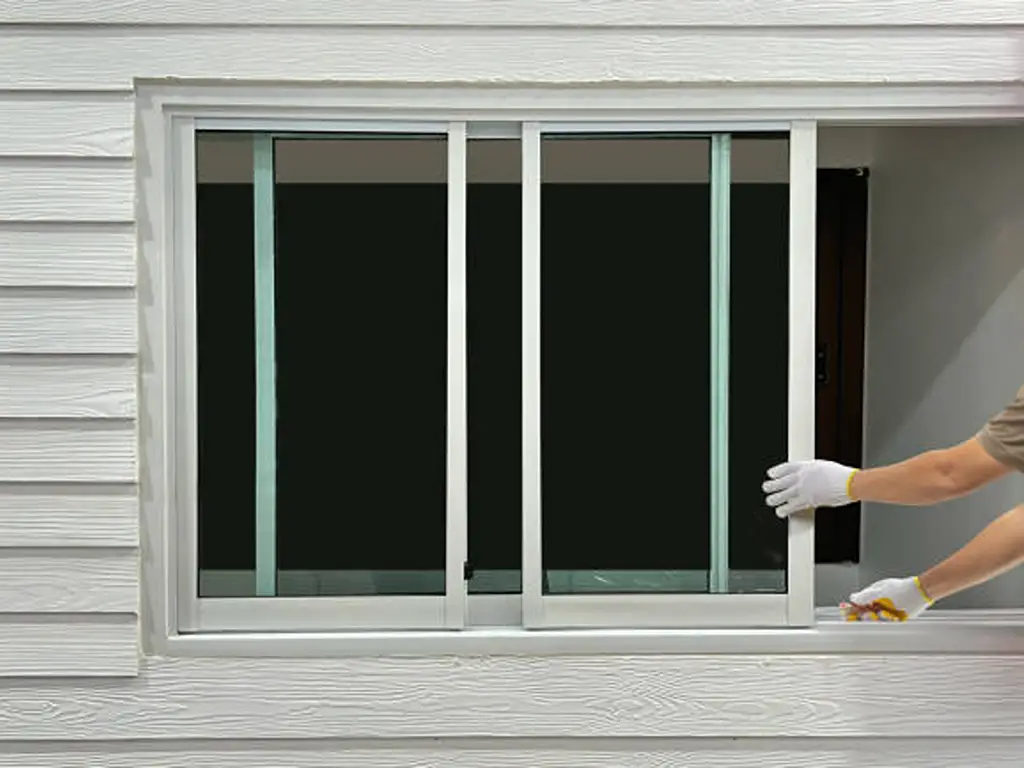
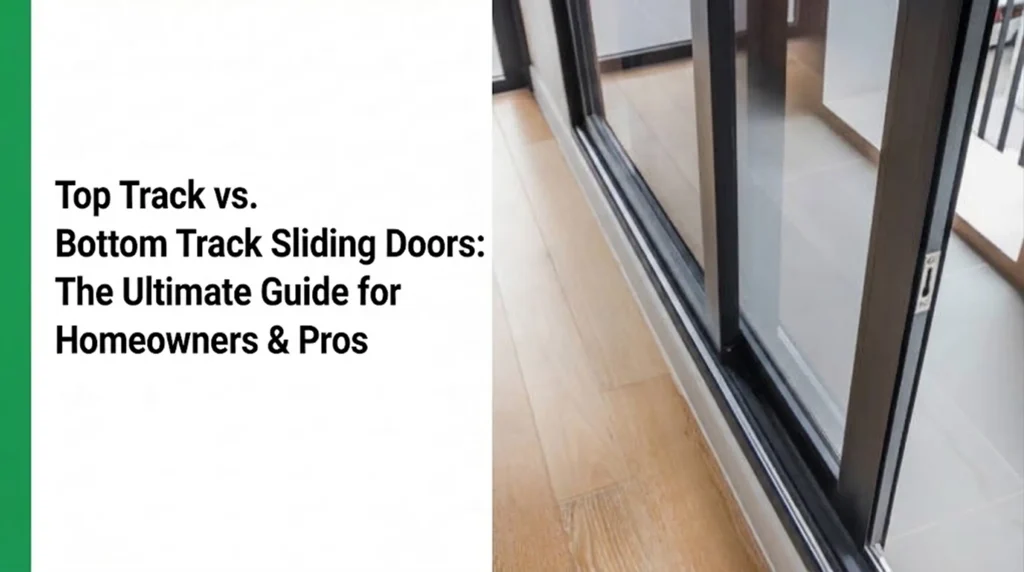
- Wide Openings (Width > Height): Your go-to is the Sliding Window. The weight rests squarely on the bottom tracks, preventing the hardware sagging that occurs when you force a wide sash onto a casement hinge.
- Tall, Narrow Openings (Height > Width): These are perfectly optimized for Double-Hung or Casement Windows. They track perfectly with structural physics and offer the smoothest operation.
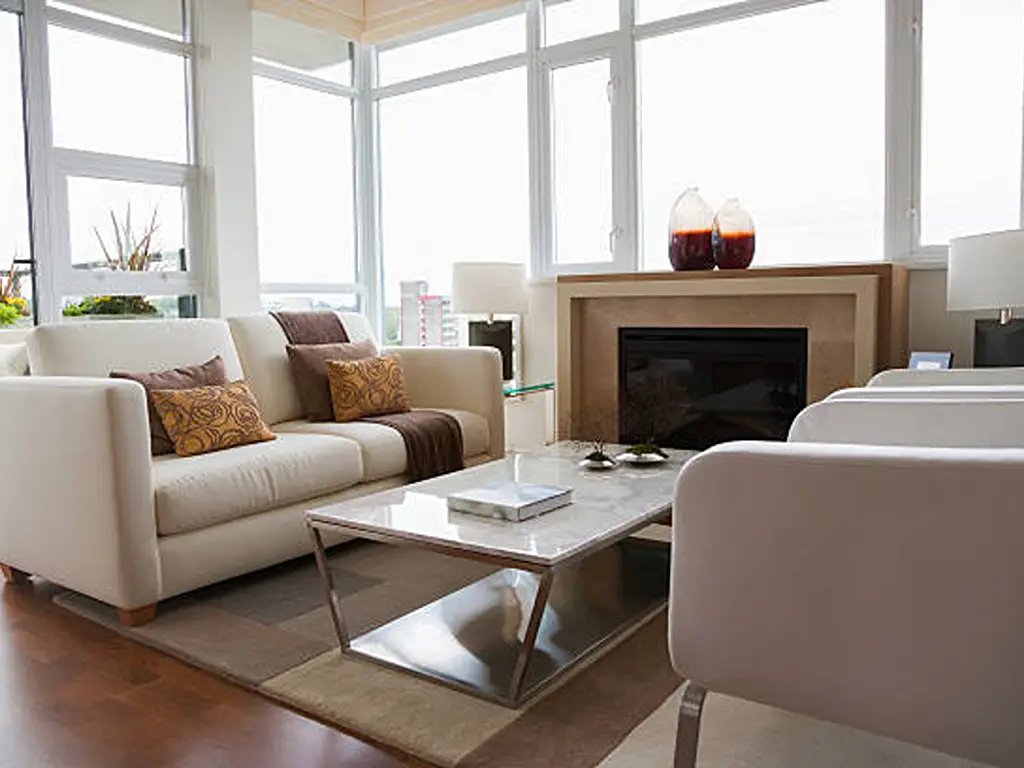
- Massive Openings: Massive glass sheets are too heavy for standard operable hardware. Use a large Picture Window for the center view and flank it with smaller operable units (a combination window) for ventilation.
2. Window Styles: Functional Matchmaking
Double-Hung Windows (The Classic All-Rounder):
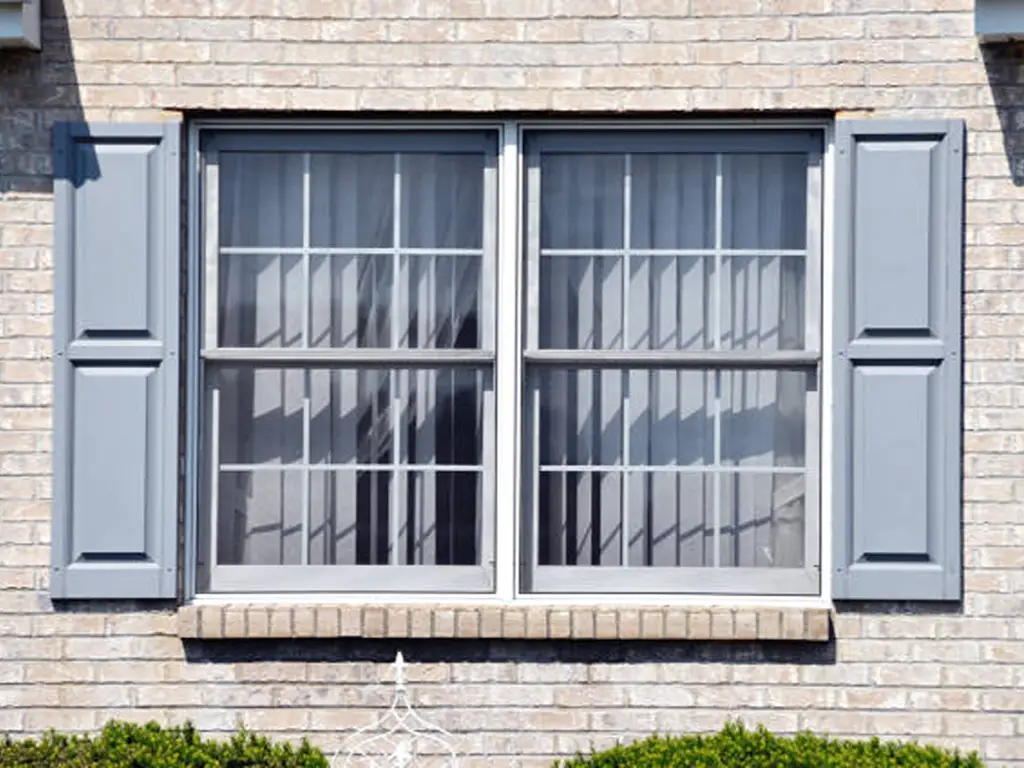
Both sashes slide vertically. Opening both the top and bottom sashes simultaneously creates a natural convection loop—cool air enters the bottom while warm air escapes through the top.
Best for: Living rooms, primary bedrooms, front facades.
Single-Hung Windows (The Budget Alternative):
Only the bottom sash opens. Ventilation efficiency is cut in half, but it comes at a more palatable price point.
Best for: Guest bedrooms, hallways, or garages on a budget.
Casement Windows (The Ultimate Seal):
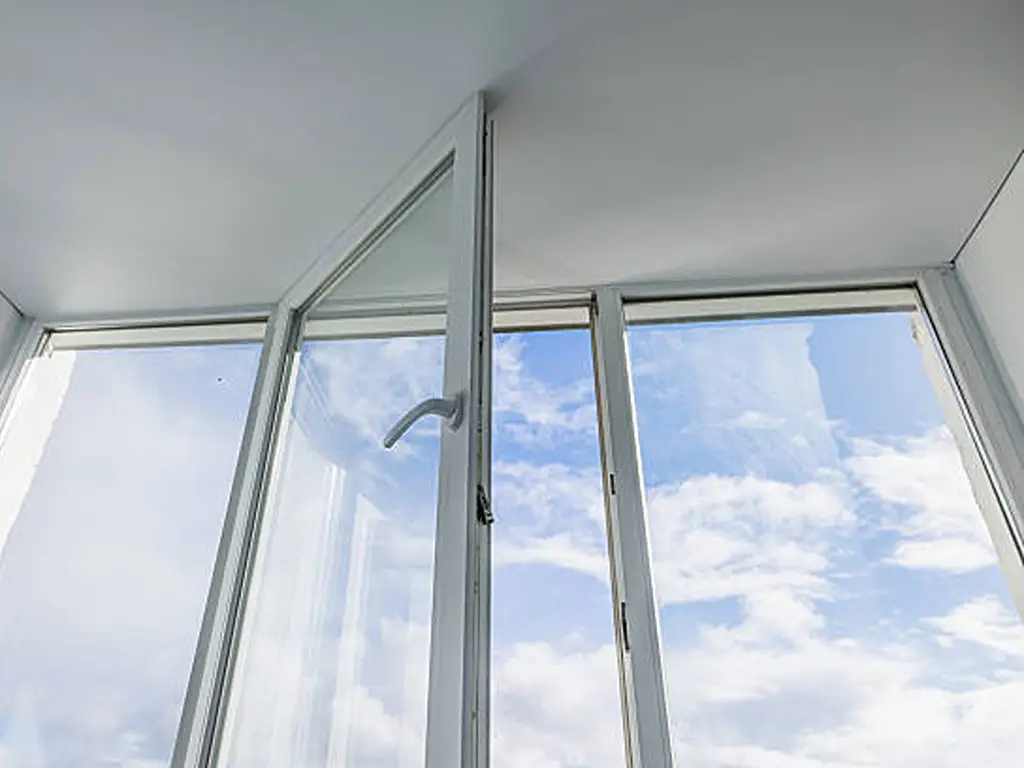
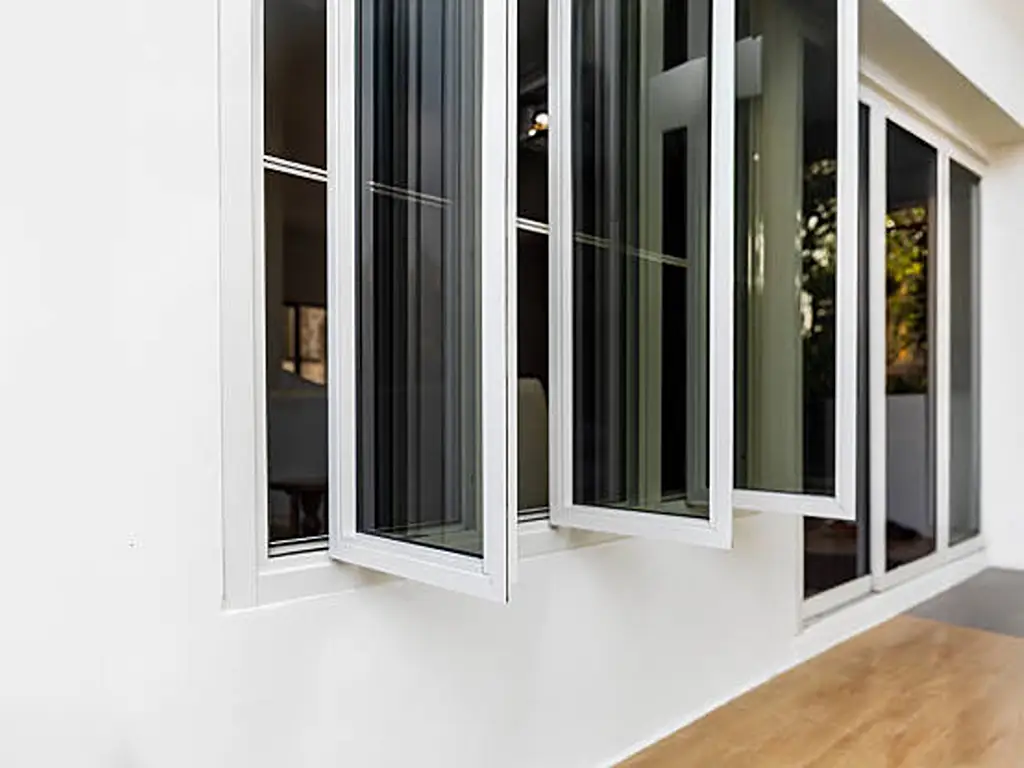
Cranks outward like a door. The mechanical crank arm makes opening effortless, and when closed, the wind pushes the sash tighter against the weatherstripping, creating an industry-leading seal against air and noise.
Best for: Above kitchen sinks, street-facing bedrooms requiring silence, and windward walls.
Awning Windows (All-Weather Ventilation):
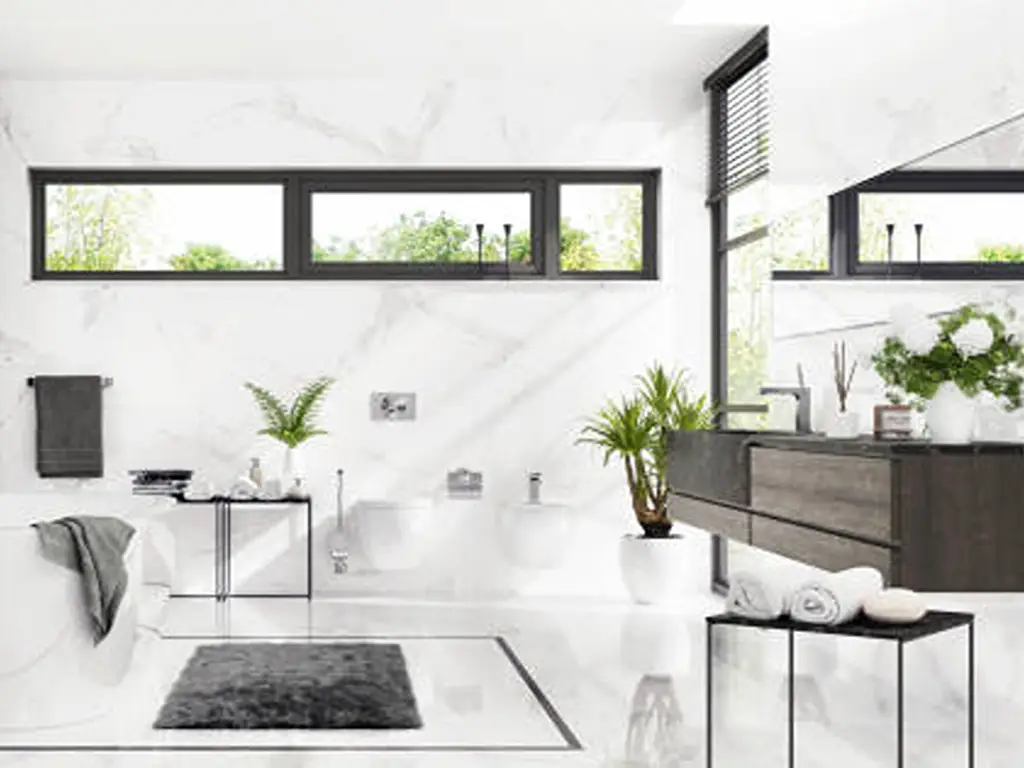
Hinged at the top, opening outward from the bottom to create a small canopy.
Best for: Rainy climates (you can leave them open in a drizzle), and high bathroom walls for privacy + moisture venting.
Sliding Windows (The Space Saver):
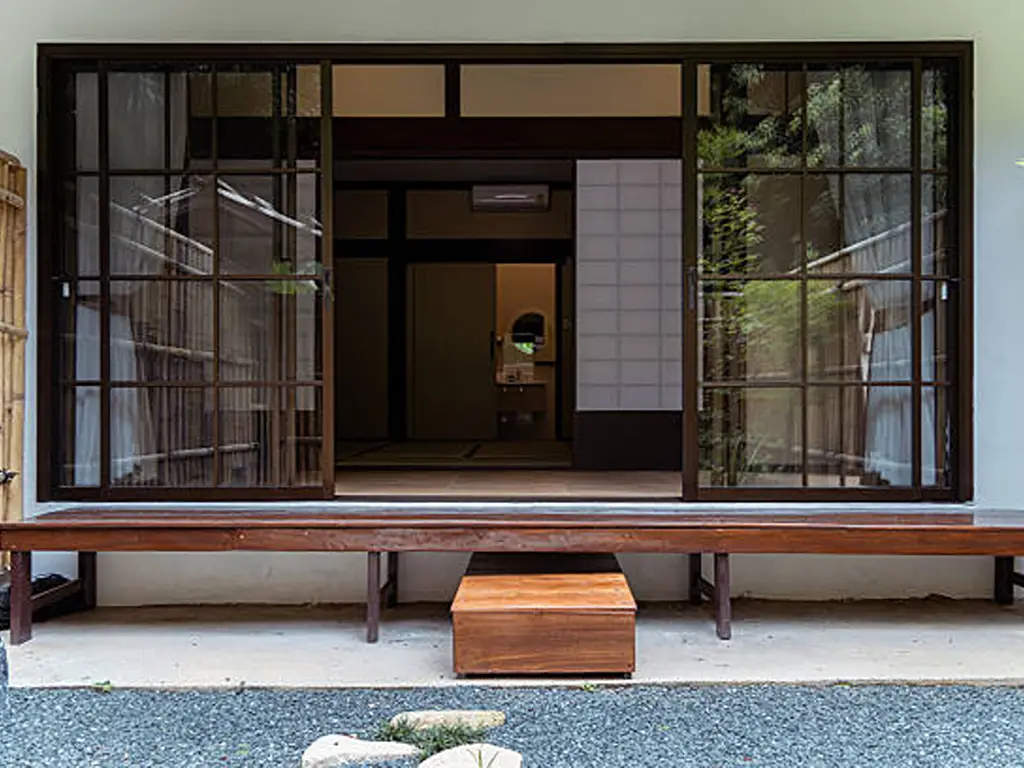
Moves horizontally. Because it doesn’t swing inward or outward, it requires zero clearance.
Best for: Wide walls, areas facing patios/walkways/dense landscaping, and small bedrooms.
Picture & Bay Windows (Visual Statement Pieces):
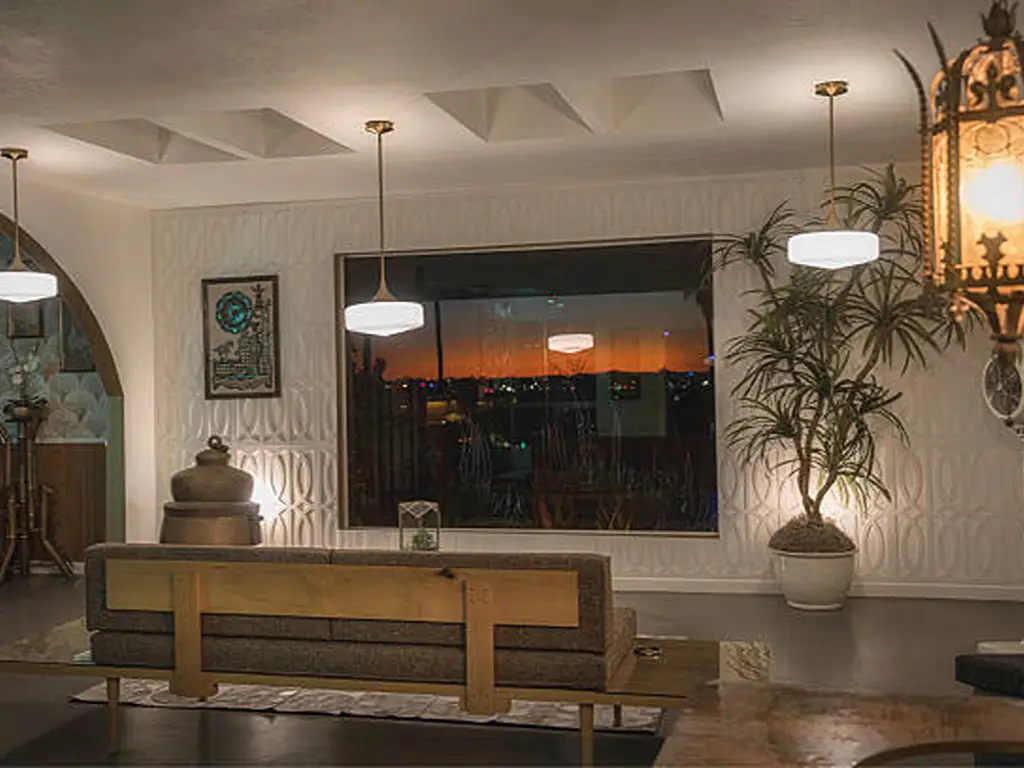
Non-operable architectural features designed to frame outdoor views and flood interiors with light, significantly boosting a property’s appraised value.
Best for: Living rooms with panoramic views or master bedroom reading nooks.
Part 4: The Brains — Glass Tech & Energy Efficiency
Don’t let salespeople dazzle you with complex jargon. Focus on the core engineering that moves the needle on comfort and cost.
The Acoustic TruthLook for the STC (Sound Transmission Class) rating. Myth Buster: To block low-frequency traffic rumble, laminated glass is far more effective than simply adding a third pane of standard glass. Mixing different glass thicknesses (e.g., a 3mm pane combined with a 5mm pane) disrupts sound waves at different frequencies, giving you a high-performance acoustic upgrade without paying triple-pane prices.
Key Energy Metrics to Memorize
- U-Factor: Lower = better insulation (keeps winter heat inside). Look for values under 0.30.
- SHGC: Lower = better solar blocking (keeps summer heat outside). Essential for sun-drenched regions.
- Low-E Coating: A microscopically thin, metallic oxide layer that reflects infrared and UV light while letting visible light through. It’s like putting premium sunglasses on your home.
- Argon Gas Fill: An odorless, non-toxic dense gas pumped between panes to slow down thermal transfer and suppress sound waves.
Our core product lineup achieves an industry-leading U-Factor as low as 0.20–0.28, delivering heavy-duty engineering you can feel. Whether you are a general contractor aiming for gold-standard reviews or an owner looking to lock in absolute interior comfort, contact us today for a free, high-performance energy-saving blueprint tailored to your property!
Part 5: Curb Appeal — Matching Windows to 6 Universal Architectural Styles
Now that the interior engineering is optimized, let’s talk about exterior aesthetics. Windows are the “eyes” of a house; their grid patterns, profile lines, and colors establish its exterior charm and overall property value.
Mismatched styles (like installing flat, trimless minimalist aluminum windows on a century-old historic home) create a jarring visual clash that can negatively impact your resale value anywhere in the world. Use these expert matchmaking rules:
1. Modern / Contemporary
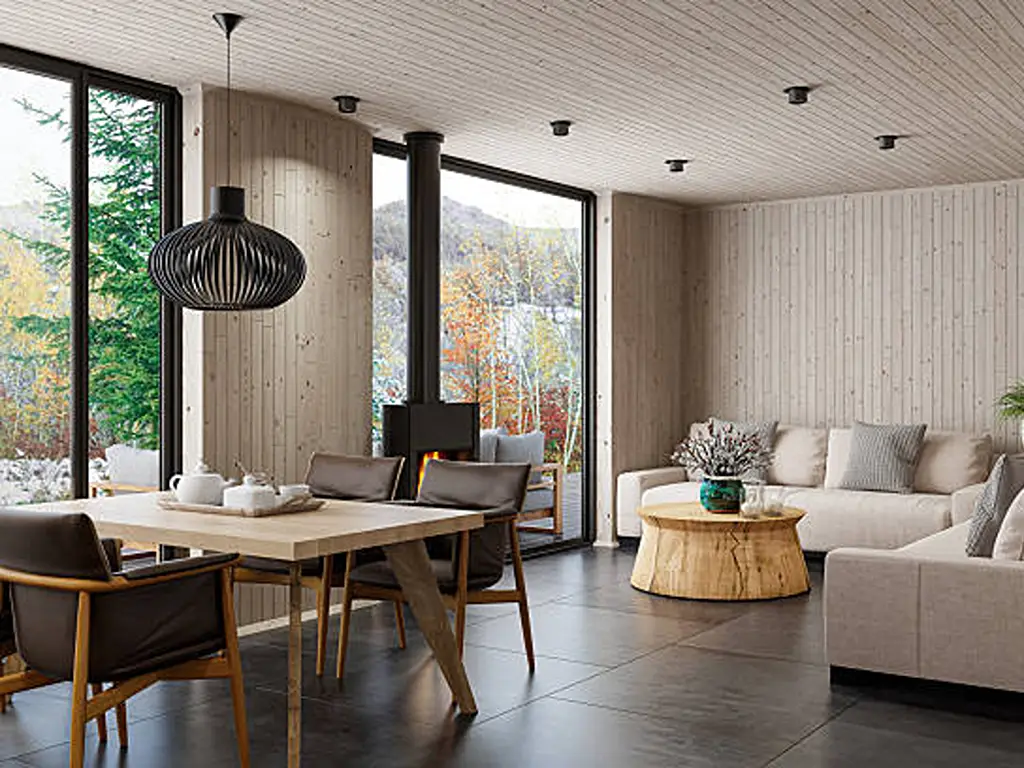
- Architectural Traits: Striking minimalist walls, flat or low-pitch roofs, sharp geometric lines, and a “less is more” philosophy.
- The Window Rule: Focus on massive glass fields, ultra-narrow frames, and absolutely no grids (No Grids).
- Colors & Styles: Stick to matte black, dark bronze, or anodized silver frames. Lock in clean-lined casements or expansive picture windows.
- Trap to Avoid: Never add traditional grids here; it instantly ruins the architectural intent.
2. Classic / Traditional European
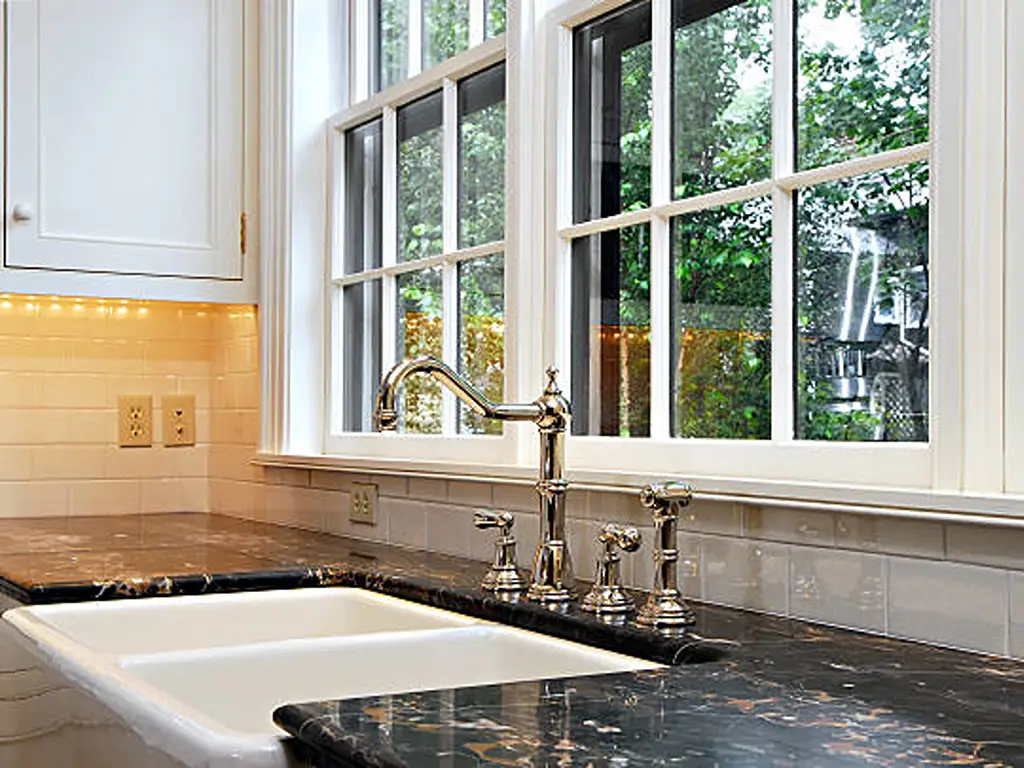
- Architectural Traits: Strict symmetry, stately brick, stone, or classic siding facades, carrying a formal and historic presence.
- The Window Rule: The soul of this style lies in the muntins (Grids). Classic “6-over-6” or “9-over-9” grid patterns are non-negotiable for preserving the property’s elegant, historical equity.
- Colors & Styles: Timeless crisp white, rich cream, or dark heritage colors. Double-hung or traditionally styled casement windows are ideal.
3. Rustic / Country Villa
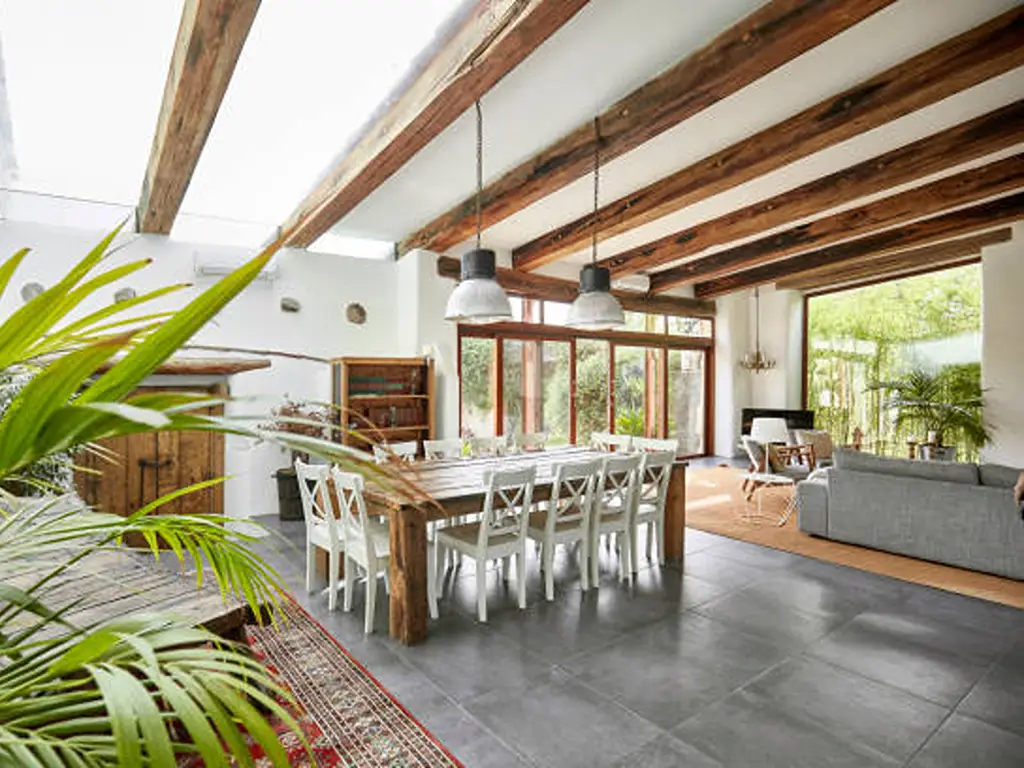
- Architectural Traits: Earthy textures, exposed timber, mixed stone and wood elements, and a handcrafted, cozy aesthetic.
- The Window Rule: Lean into the “top-grid, bottom-clear” asymmetrical aesthetic, or use robust, thicker frames to match the heavy natural materials of the house.
- Colors & Styles: Deep forest greens, rich chestnuts, or stained natural wood tones.
4. Modern Farmhouse
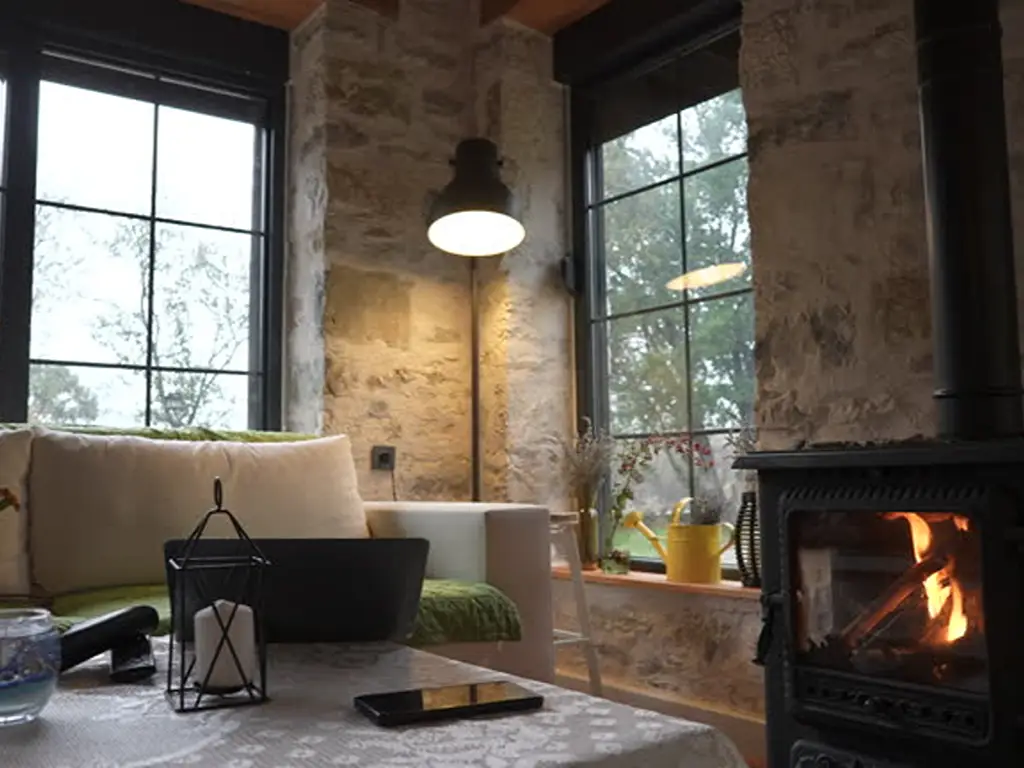
- Architectural Traits: High-contrast facades, steep gables, and a look that marries rustic warmth with clean, industrial lines. This has become a massive global design trend.
- The Window Rule: This style is the primary driver behind the massive black-frame window trend. The most iconic execution is a Black Exterior / White Interior frame, delivering high-contrast curb appeal outside while keeping the interior light and airy.
- Grid Design: Keep it simple with a clean “2-over-2” or a single vertical grid bar to balance vintage charm with modern simplicity.
5. Mid-Century Modern & Low-Profile
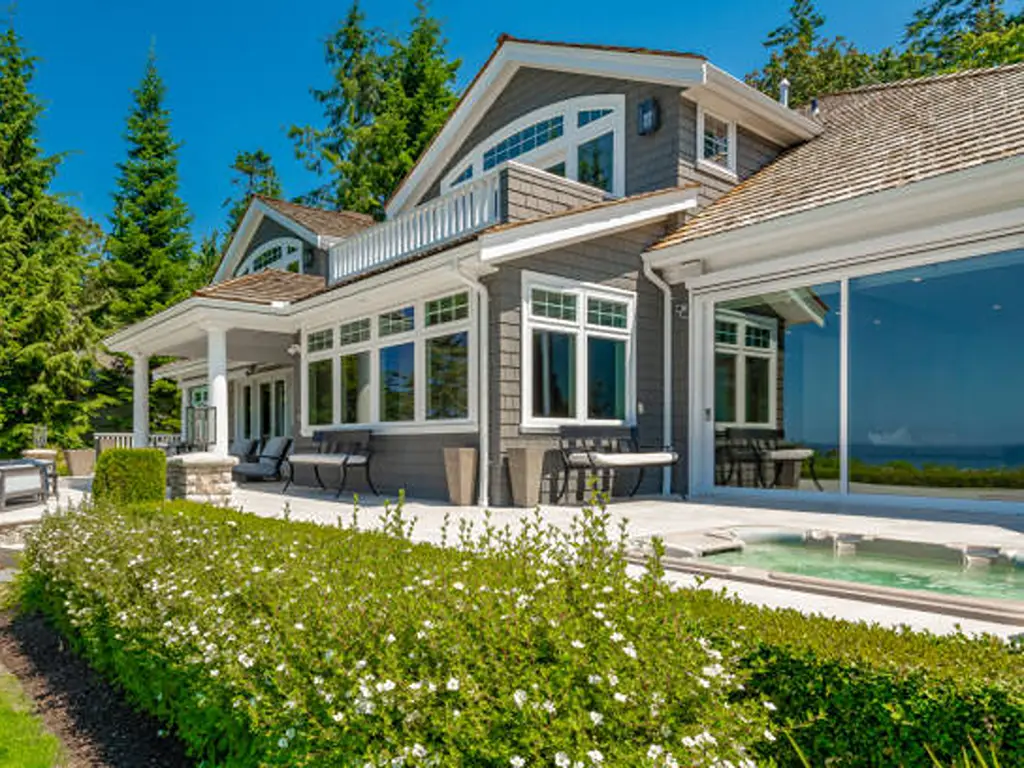
- Architectural Traits: Sprawling horizontal layouts, flat or gently sloping roofs, and an emphasis on bringing the outdoors in.
- The Window Rule: Since the architecture emphasizes strong horizontal lines, the windows must follow suit.
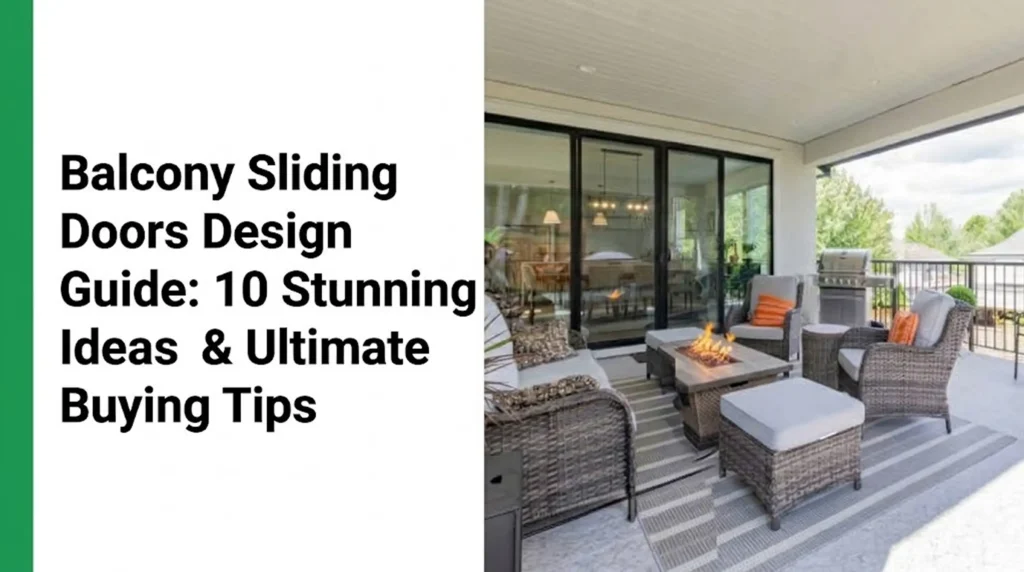
- Styles: This is the absolute home turf of the Sliding Window. Pair them with massive, floor-to-ceiling picture windows to blur the boundary between the living room and the garden or courtyard.
6. Mediterranean / Coastal
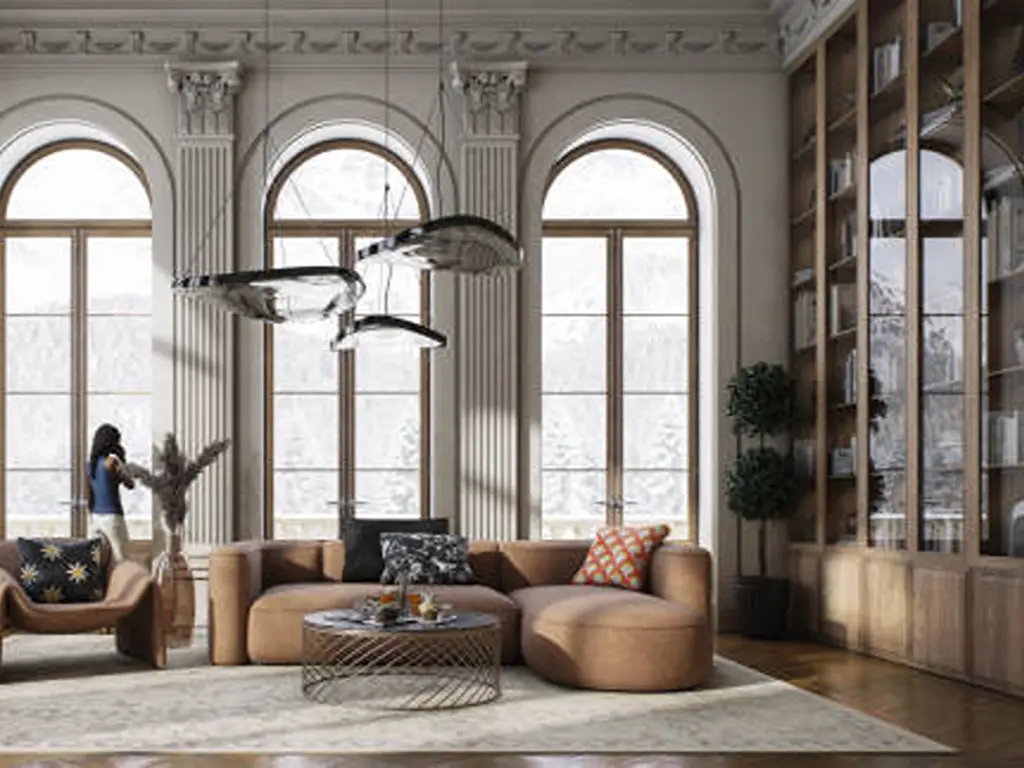
- Architectural Traits: Smooth stucco or plaster finishes, terracotta tile roofs, and elegant arches. Common in warm coastal regions and luxury resorts globally.
- The Window Rule: The defining feature here is the arched window (Arch-top / Radius Windows) set against deep-set openings.
- Colors & Styles: Deep, dark bronze or wood-look frames. Because fabricating precise radii is technically demanding, ensure you source these from a manufacturer with high-precision tooling to prevent perimeter air leaks and seal failures later on.
Part 6: Protect Your Wallet — Insider Saving & Pitfall Prevention
Here are the real industry secrets that high-pressure window salespeople hope you never find out.
1. The Core Secret: The “Mix-and-Match” Strategy
Do not blindly order the exact same premium window specification for the entire house. Instead, partition your order based on exposure:
- Use your most expensive, high-STC acoustic casement windows only in street-facing bedrooms.
- Put premium, high-curb-appeal fiberglass or wood-clad windows only on the front facade that faces the neighborhood.
- Use standard, double-pane vinyl windows on the sides and back of the house where nobody sees them.
- The Result: You maintain identical day-to-day comfort and top-tier exterior curb appeal, but you instantly slice thousands of dollars off your total invoice.
2. Understand Your Installation Type
- Pocket Installation (Insert Windows): The installer slides a new window unit into the existing wooden window frame. It is affordable, fast, and non-invasive, but it slightly reduces your total glass viewing area.
- Full-Frame Replacement: The installer strips everything down to the raw wall studs, replaces old flashing, applies new waterproofing, and resets the window. It is more expensive and labor-intensive, but it is the only way to guarantee that hidden rot is cured and that the thermal/water seal is 100% airtight.
3. See Through the “Lifetime Warranty” Word Game
Don’t just sign at the bottom; check the fine print. Does the warranty cover Parts AND Labor, or just parts? Many “Lifetime Warranties” will gladly send you a free $20 vinyl latch replacement but charge you a $250 trip fee for the technician to install it. Furthermore, check if the warranty is transferable to the next homeowner—having a fully transferable warranty is a massive selling point when you list your home on the market.
FAQ: Your Top Window Replacement Questions Answered
1. How much does a whole-house window replacement actually cost?
It depends entirely on materials and house size. In the current market, expect an all-inclusive cost (materials plus professional installation) of $600 to $1,500 per window.
- Economy Setup: A standard 10-window single-family home using quality vinyl windows will run roughly $6,000 – $9,000.
- Mid-to-High Setup: Sourcing fiberglass, wood-clad, or executing a tactical mix-and-match strategy typically ranges between $12,000 – $20,000.
- Pro Tip: Never base your budget on the “per-window minimums” seen on billboards. Always demand a flat-rate contract that explicitly includes old window disposal, flashing, waterproofing, labor, and job-site cleanup.
2. Do new windows actually improve home resale value (ROI)?
Yes, but don’t expect a 100% immediate cash return. According to historical real estate data, new window projects yield a net ROI of roughly 65% to 75%. However, their true value shows up in velocity: homes with brand-new windows spend significantly fewer days on the market because buyers hate dealing with window renovations. Plus, while you live there, you reap an immediate 10% to 25% annual savings on your energy bills.
3. Can windows be replaced during the winter? Will my house freeze?
Absolutely—in fact, winter is often the golden window of opportunity for buyers. Winter is the construction off-season, meaning manufacturers run better promotions and installation lead times are significantly shorter. Professional crews don’t tear your whole house open at once; they use a “one-in, one-out” tactical approach. Each window opening is exposed to the elements for only 15–30 minutes, meaning your home’s interior temperature won’t drop significantly.
4. How long does the entire process take?
The timeline is split into two phases:
- Lead Time (4–8 Weeks): Because quality windows are custom-built to your home’s exact fractions of an inch, production and factory freight take up the bulk of the timeline.
- Installation Time (1–2 Days): Once the product arrives at the local warehouse, a skilled 3-to-4-person crew can cleanly install 10 to 15 windows per day. Most standard homes are completed, sealed, and swept within 48 hours.
Conclusion
A successful window project is a balancing act between structural performance, curb appeal, and long-term financial return. Perfect execution relies on smart, site-specific planning and relying on direct-from-source engineering.
Whether you are an ambitious contractor looking for a rock-solid supply chain with bulletproof energy ratings, or a homeowner looking to outsmart the system and keep thousands of dollars in your pocket through a clever mix-and-match strategy, the path to a flawless project begins with a precise plan.
Contact us today! Share your project goals with our team, and our experts will generate a complimentary, tailored Whole-House Mix-and-Match Window Blueprint alongside factory-direct, wholesale pricing. Eliminate middleman markups and ensure every dollar of your budget directly elevates the equity of your home!