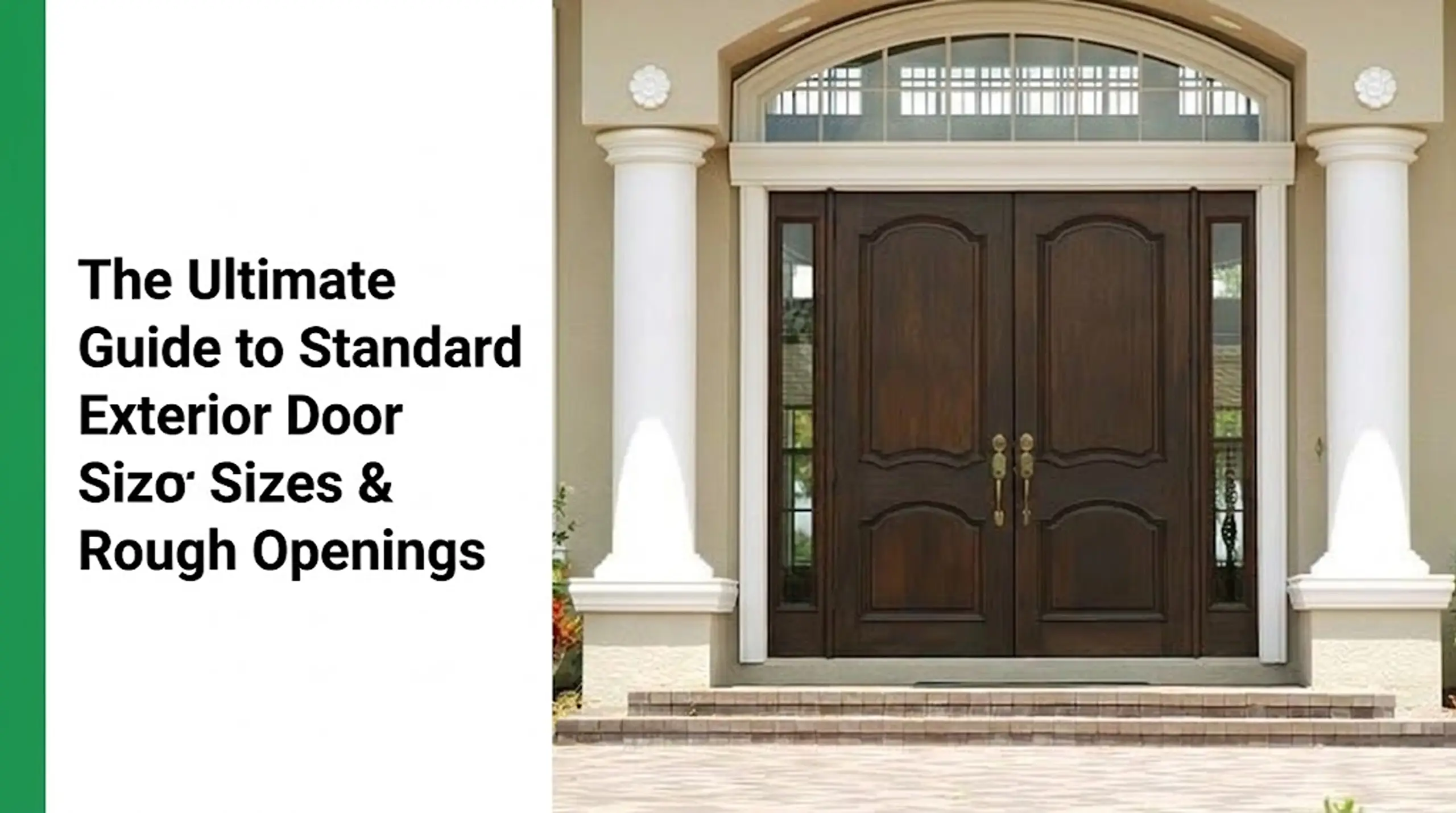
Choosing the right wood for your interior doors is a big decision. Your doors aren’t just room dividers; they’re a key part of your home’s style and functionality. The best wood can boost your home’s appeal and last for years to come. This guide will help you choose the perfect wood for your doors.
Key Factors to Consider Before You Choose
Before diving into different wood types, let’s think about what matters most to you:
- Durability: How well will the wood handle everyday use, like kids slamming doors or moving furniture?
- Aesthetics: Do you want a sleek, modern look or something more natural and rustic?
- Budget: Wood prices vary significantly, so it’s important to consider your budget.
- Maintenance: Some woods require more care than others, like staining or sealing.
- Sound Reduction: Do you need doors that help reduce noise between rooms?
Popular Wood Choices for Interior Doors
Here are some of the most popular wood types for interior doors, along with their pros and cons:
1. Alder
- Appearance: A light brown wood with a relatively straight grain. Knots give it a charming, rustic feel.
- Durability: Moderate strength, well-suited for interior doors.
- Best For: Ideal for staining to highlight its natural beauty. Perfect for rustic or country-style homes. Not the best choice for painting due to potential knot bleed-through.
- Cost: One of the more budget-friendly options.
- Other Perks: Lightweight and easy to handle.
2. Birch
- Appearance: Light-colored, ranging from gold to light brown, with a smooth, straight grain similar to maple.
- Durability: A strong hardwood.
- Best For: Great with light stains, but can be challenging to paint due to its grain. Works well for interior doors, but less suitable for humid environments.
- Cost: A more affordable alternative to maple, offering a similar look.
- Other Perks: Fine, even texture.
3. Cherry
- Appearance: Rich red-brown color with a fine, elegant grain. Matures to a darker shade with sun exposure.
- Durability: A durable and wear-resistant hardwood.
- Best For: Doors where you want a touch of elegance and luxury. Best showcased with a clear finish to highlight its natural color.
- Cost: A higher-end option.
- Other Perks: Often used for premium furniture.
4. Douglas Fir
- Appearance: Light, rosy color with a straight grain and occasional knot swirls. Tends to redden over time with light exposure.
- Durability: A durable, yet lightweight softwood.
- Best For: Suitable for both painting and staining. Well-suited to modern styles due to its straight grain. Also resistant to weather changes.
- Cost: Often similarly priced to other softwoods like pine, making it cost-effective.
- Other Perks: Smooth texture.
5. Hickory
- Appearance: A bold grain with colors ranging from tan to reddish-brown. Often features unique markings like bird pecks.
- Durability: Exceptional strength and hardness.
- Best For: High-traffic areas where durability is a must. Creates striking design features when stained to show off its unique grain. Not ideal for painting due to the grain.
- Cost: Can be more expensive due to its strength and distinct look.
- Other Perks: Rustic aesthetic.
6. Mahogany
- Appearance: A reddish-brown with a rich, deep red tone. Known for its stunning color and pronounced growth rings.
- Durability: Very strong with minimal expansion and shrinkage.
- Best For: Premium furniture and doors, offering a classic and elegant look with a stained finish. Also excellent for soundproofing.
- Cost: A more expensive wood choice.
- Other Perks: Resists rot and decay, needs a grain filler during finishing.
7. Maple
- Appearance: Hard and strong with a smooth, even grain. Can feature dark streaks or bird’s-eye patterns.
- Durability: Extremely strong and durable.
- Best For: Ideal for painting or light staining. A great fit for modern homes and high-use doors.
- Cost: A moderately priced hardwood, varying based on type.
- Other Perks: Doesn’t require a grain filler when finished and develops a warmer tone over time.
8. Oak
- Appearance: Distinctive grain and warm color. Red oak is more rustic, while white oak is more refined.
- Durability: Strong and durable.
- Best For: Doors that see a lot of wear and tear. Versatile for both classic and modern styles. Best when stained.
- Cost: A popular material with a range of prices, often more costly than pine, but a good mid-range option.
- Other Perks: Easy to work with and can be customized with simple or elaborate designs.
9. Pine
- Appearance: Light-colored with visible knots, the grain can vary. Can darken and yellow over time.
- Durability: A softer wood, less durable than hardwoods.
- Best For: Doors intended for painting or staining. Popular for its light color and rustic look. Often used in farmhouse styles.
- Cost: A budget-friendly choice.
- Other Perks: Easy to work with. Requires sealant before painting due to resins that can affect paint application.
10. Poplar
- Appearance: Pale, ranging from yellow to light brown with green undertones. Smooth, uniform grain. Minimal knots.
- Durability: Moderately strong but not as durable as other woods.
- Best For: Painted doors, especially in modern homes. A budget-friendly option with good insulation properties.
- Cost: One of the more affordable choices.
- Other Perks: Easy to work with and requires minimal sanding or filling prior to painting.
11. Walnut
- Appearance: A rich, dark brown with a beautiful grain.
- Durability: A strong, dense hardwood.
- Best For: Doors designed to exude luxury and longevity.
- Cost: A more expensive option.
- Other Perks: Good dimensional stability.
Sourcing Doors for Your Next Project?
Whether you are a builder, contractor, or distributor, finding the right wood is crucial. We supply premium interior doors for large-scale commercial and residential projects worldwide.
Discuss Wholesale OptionsUnderstanding Interior Door Types
Beyond the wood, consider the door’s construction: These various door constructions greatly influence their performance, as you might find out when researching the question of what wood are door frames made of?
- Solid Wood Doors: Made from solid pieces of wood, these are strong, heavy, and excellent for soundproofing. Typically more expensive.
- Hollow Core Doors: Lightweight and affordable, but offer poor sound insulation and less durability.
- Solid Core Doors: Feature a solid composite core with a thin real wood layer on the outside. They offer better soundproofing and durability than hollow core doors but are more affordable than solid wood doors.
- Veneer Doors: Thin layers of real wood (like oak) bonded to an engineered wood or MDF core. Offer the look of solid wood at a lower cost. You can find a diverse selection of styles within the 17 Types of Wooden Doors available.
Which Door Is Right for You?
Here’s a helpful table to guide your decision:
| Wood Type | Best For | Staining | Painting | Strength | Cost |
|---|---|---|---|---|---|
| Alder | Rustic styles, budget-conscious choices | Yes | Limited | Moderate | Affordable |
| Birch | Light stains, interior doors | Yes | Yes (with prep) | Strong | Moderate |
| Cherry | Elegant spaces, offices, studies | Yes | Limited | Strong | Expensive |
| Douglas Fir | Modern styles, weather resistance | Yes | Yes | Strong | Moderate |
| Hickory | Rustic design, high-traffic areas | Yes | Limited | Very Strong | Mod-Expensive |
| Mahogany | High-end interiors, soundproofing | Yes | Yes | Very Strong | Expensive |
| Maple | Modern homes, light stains or paint | Yes (light) | Yes | Strong | Moderate |
| Oak | Versatile styles, all-purpose use | Yes | Yes | Strong | Mod-Expensive |
| Pine | Rustic designs, budget-friendly options | Yes | Yes | Moderate | Affordable |
| Poplar | Modern looks, painted finishes | No | Yes | Moderate | Affordable |
| Walnut | Luxury interiors, lasting performance | Yes | Limited | Strong | Expensive |
Room-by-Room Door Selection Guide
Choosing a door isn’t just about matching the decor; it’s about matching the room’s specific daily function. Here is a quick reference for the best wood choices based on your room’s needs.
| Room Type | Primary Need | Top Wood Recommendations | Door Type Suggestion |
|---|---|---|---|
| Bathrooms | Moisture Resistance | Douglas Fir, Mahogany | Solid Wood / Solid Core |
| Bedrooms | Soundproofing | Solid Oak, Walnut, Mahogany | Solid Wood / Solid Core |
| Home Offices | Privacy & Aesthetics | Cherry, Walnut | Solid Core / French Doors |
| Kitchens | Durability & Easy Cleaning | Maple, Birch (Painted) | Solid Core |
| Closets & Utility | Ventilation & Affordability | Pine, Poplar | Louvered / Hollow Core |
Practical Tips for Each Room:
- Bathrooms: Humidity is your biggest enemy. Wood like Mahogany and Douglas Fir naturally resist warping, but the crucial step is sealing. Ensure the door is sealed on all six sides (including top and bottom edges) with a high-quality water-resistant finish to prevent moisture penetration.
- Bedrooms & Nurseries: Dense hardwoods (Oak, Walnut) block sound waves significantly better than softwoods. To maximize soundproofing, pair a solid door with a drop seal at the bottom and weatherstripping around the frame.
- Home Offices: You need quiet for work, but you might also want a professional aesthetic. Cherry or Walnut offers an executive look. If you need natural light from the hallway, use wood-framed doors with double-glazed acoustic glass.
- Kitchens: Doors here face greasy hands and high traffic. Maple and Birch have tight grains that paint beautifully. Opt for a semi-gloss or high-gloss paint finish—it’s far more durable and easier to wipe clean than matte paint or bare wood.
- Closets & Utility Rooms: Soundproofing isn’t necessary here, so save your budget. Lightweight Pine or Poplar is perfect. Consider a “louvered” (slatted) style to allow airflow and prevent musty odors in closets.
Need Tailored Solutions for Multi-Room Developments?
Our manufacturing team specializes in crafting high-quality, customized wooden doors for building projects and wholesale distribution. We match your exact specifications at competitive bulk pricing.
Request a Project QuoteOther Important Considerations
- Security: Exterior doors require robust locks.
- Sustainability: Consider eco-friendly wood options.
- Personalization: Doors can be customized with hardware and design details. Knowing How Long Will Your Wooden Door Last? can also inform your decision for investment.
- Custom Options: For those seeking specific wood types or custom designs, companies like Hotian are well-regarded for providing high-quality, customized wooden door solutions to meet any buyer’s needs.
Final Thoughts
Choosing the right wood for your interior doors comes down to your needs, preferences, and budget. By carefully considering the factors discussed, you’ll find the perfect doors to enhance your home’s style and value. This guide should help you get started with confidence.
Ready to Upgrade Your Supply Chain?
Looking for a reliable manufacturing partner for your interior doors? At Hotian, we manufacture and supply premium, customized wooden doors designed specifically for contractors, builders, and global distributors.
- Competitive pricing for bulk and wholesale orders.
- Fully customizable dimensions, wood types, and finishes.
- Reliable global shipping and dedicated B2B support.
Frequently Asked Questions (FAQ)
Pine and Poplar are generally the most budget-friendly options. If you are planning to paint your doors, Poplar or a Solid Core door with an MDF (Medium Density Fiberboard) surface will give you the best value for your money.
Yes, if you value longevity, soundproofing, and aesthetics. Solid wood doors are incredibly durable, block noise effectively, and can increase the overall resale value of your home. They are a long-term investment compared to hollow core doors.
Poplar, Maple, and Birch are excellent for painting because of their smooth, tight grain. Woods with heavy grains or knots, like Oak or Hickory, require much more prep work (like grain fillers) to achieve a smooth painted finish.
Yes, bathrooms require moisture-resistant materials. Wood like Mahogany or Douglas Fir performs better in humid environments. However, the most critical factor is ensuring the door is properly sealed on all sides with a waterproof finish to prevent warping.
With proper care and occasional refinishing, a high-quality solid wood interior door can easily last for decades, and often for the entire lifespan of the house.