Introduction
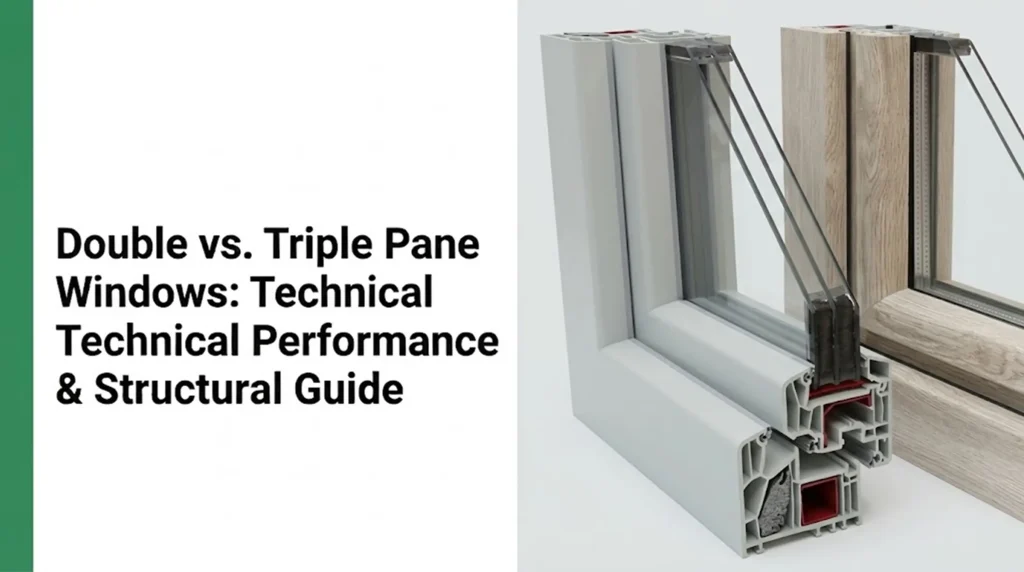
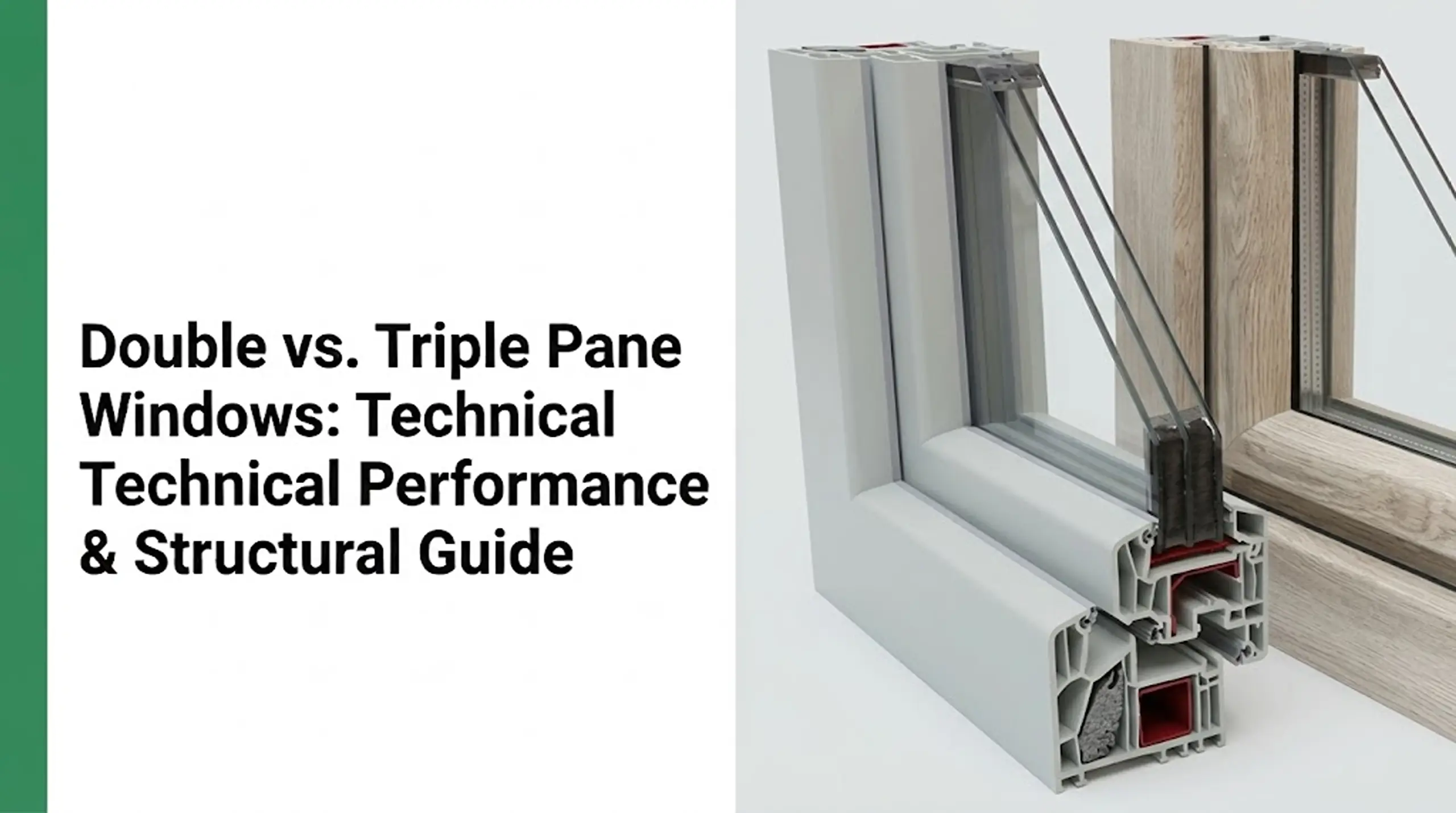
Setting aside the simplistic “is it worth the cost” debate, upgrading windows is fundamentally a systems engineering challenge involving thermodynamics, acoustics, and structural design. Whether you are an architect aiming to meet the rigorous standards of a Passive House, or a contractor managing the budget for a high-end custom residential project, choosing between double and triple pane windows requires hard data that goes far beyond basic marketing jargon. This article will provide an in-depth analysis of their U-Factors, Sound Transmission Class (STC) ratings, condensation resistance, and hidden structural installation requirements, providing you with the real technical basis needed for your project decisions.
Core Technical Specifications: Double Pane vs. Triple Pane
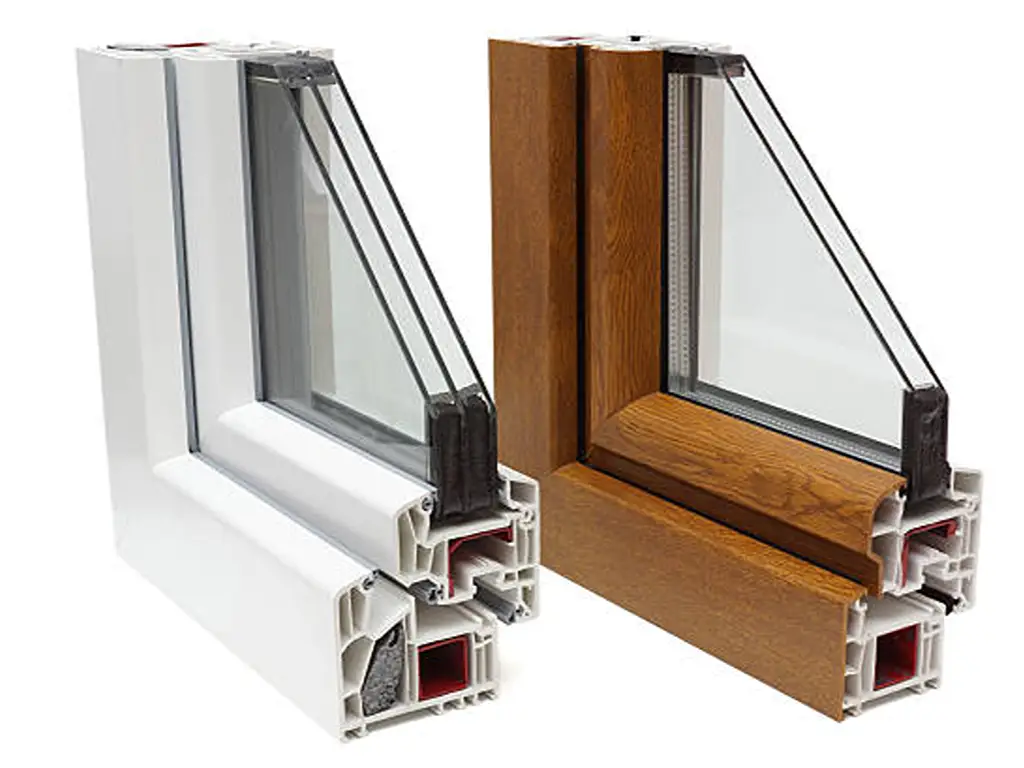
When evaluating the energy efficiency and comfort of a building envelope, the following core physical parameters are the foundation of window performance:
| Evaluation Dimension | Double Pane (Standard IGU) | Triple Pane (High-Performance) |
|---|---|---|
| U-Factor (Thermal) Heat Transfer / Insulation | Approx. 0.28 – 0.32 Standard thermal barrier. Adequate for temperate zones, but noticeable radiant chill remains near glass during sub-zero winters. | Approx. 0.15 – 0.20 ~50% heat loss reduction. Meets Passive House criteria; eliminates cold draft zones directly adjacent to large window openings. |
| Solar Heat Gain (SHGC) Radiation & Passive Heat | Moderate to High Adjustable via single Low-E coatings. Excellent for harvesting free winter solar heat in southern exposures. | Typically Lower (Optimized) Dual-cavity coatings block unwanted radiant heat gain effectively, reducing summer air conditioning cooling loads. |
| Acoustic Rating (STC) Soundproofing Capability | 26 – 32 dB Filters normal ambient neighborhood sounds. Limited damping against heavy road traffic and rumbling low-frequency noise. | 34 – 38 dB Superior low-frequency isolation. When paired with asymmetric glass thicknesses, effectively disrupts airplane and highway engine drone. |
| Condensation Resist. (CR) Interior Moisture / Frost | Good (50 – 60) Surface temperature can drop below indoor dew points on freezing days, posing risk of perimeter window fogging and frame mold. | Excellent (70+) Virtually zero internal condensation. Inner pane remains close to indoor room temperature even during severe northern winters. |
| Gas Fill & Cavities Spacer Gas Engineering | Argon (Standard) Performs reliably in wider standard 1/2-inch cavities without incurring high manufacturing cost premiums. | Argon / Krypton Upgrade Narrow retrofitted profiles require denser, costlier Krypton gas fills to maintain design U-Factor in compact overall unit depths. |
| Weight & Framing Load Engineering Constraints | Standard Baseline Minimal dead-load penalty; compatible with standard vinyl, composite, and residential hardware without structural sag. | +30% to +50% Heavier Requires reinforced profiles (steel-core or thermally broken aluminum) and high-load casement hinges to avoid hardware fatigue. |
| Key Advantages Primary Benefits |
|
|
| Core Limitations Project Trade-offs |
|
|
| Optimal Fit Specification Recommendation |
Temperate and mixed zones (Climate Zones 1–4), multi-family residential developments, and cost-controlled retrofits. |
Cold northern zones (Climate Zones 5–8), highway/airport noise corridors, luxury villas, and Passive House certifications. |
Are you evaluating the most suitable window solutions for your next building project? Whether it’s a highly cost-effective double-pane system or a high-performance triple-pane configuration for extreme climates, Hotian Windows can provide highly flexible, customized production services tailored to your project requirements.
Download Selected Product Catalog (PDF)Thermal Dynamics and Moisture Control in Windows
Triple pane windows are not simply about “adding an extra layer of glass”; they involve complex cavity thermodynamic engineering.
Low-E Coatings and Warm-Edge Technology
In double pane windows, a Low-E (low-emissivity) coating is typically applied to Surface 2 or 3. In triple pane systems, engineers can combine different types of Low-E coatings across multiple surfaces (such as Surface 2 and 5). This strategy simultaneously blocks external heat/cold radiation while firmly locking in indoor heating or cooling. Furthermore, pairing this with high-quality Warm-Edge Spacers effectively eliminates thermal bridging at the glass edges—a critical factor in large-scale curtain walls or extensive floor-to-ceiling window projects.
The Physics of Condensation Resistance (CR)
For construction projects in frigid regions, the inner surface of double pane windows often approaches the outdoor dew point, easily leading to frost, mold, and even rotting window frames—a major source of after-sales claims. Triple pane glass, utilizing dual insulated cavities, keeps the innermost glass surface temperature infinitely closer to the ambient indoor room temperature. This superior Condensation Resistance (CR) entirely eliminates hidden condensation issues, drastically improving living comfort.
Acoustic Performance: Do Triple Pane Windows Improve STC Ratings?
Many developers assume that upgrading to triple pane glass will completely eradicate outdoor noise. However, simply adding a third layer of glass of the exact same thickness offers very limited help in boosting STC (Sound Transmission Class). In fact, it might even be counterproductive due to the resonance effect within the air cavities.
Asymmetric Glazing for Low-Frequency Noise Reduction
The core weapon against noise pollution in high-end triple pane systems is “asymmetric design.” By mixing glass panes of varying thicknesses (for example: a 6mm outer pane, a 4mm middle pane, and a 5mm inner pane), the inherent sound wave resonance frequency of a single glass thickness is disrupted. This design presents an overwhelming advantage in blocking highly penetrative, low-frequency noises like roaring trucks or airplane take-offs, making it an indispensable soundproofing strategy for street-facing apartments, homes near highways, and airport-adjacent projects.
Structural Limitations and Installation Challenges
For contractors and installation teams, upgrading from double to triple pane windows introduces rigorous engineering and logistical challenges.
The Weight Penalty and Frame Strength
Triple pane glass is 30% to 50% heavier than double pane. This massive weight increase means that standard vinyl frames are highly susceptible to deformation or twisting under long-term load bearing. In high-end projects, this typically necessitates an upgrade to profiles with internal steel reinforcements, high-strength fiberglass, or heavy-duty thermally broken aluminum window frames.
Long-term Lifespan of Hardware Accessories
Heavy operable sashes (like casement or awning windows) place harsh demands on hinges and balancers. If standard, cheaper hardware is used to cut costs, triple pane windows will experience sagging, poor sealing, and drafts within just a few years.
The Argon vs. Krypton Gas Fill Dilemma
In many renovation projects where wall depth is restricted, the width of the individual gas cavities is forced to be compressed so the triple pane unit can fit into standard frame grooves. When a cavity width drops below 1/2 inch, the insulating effectiveness of cheaper Argon gas decreases significantly. In such cases, project managers must upgrade to Krypton gas—which has smaller molecules and higher density, though it is more expensive—in order to maintain the expected U-Factor.
Price Comparison and Project Budget Considerations
A leap in performance inevitably comes with an increase in costs. The premium for triple pane windows isn’t just in the materials (extra glass, potential Krypton fills, and heavy-duty frames), but also in the difficulty of on-site installation—large triple pane units often require extra heavy lifting equipment and more labor.
Decision Matrix: Which Window Configuration Does Your Project Need?
When selecting glass configurations for a project, there is no absolute superior choice—only the optimal match based on specific scenarios:
- The “Sweet Spot” for Double Pane:
- Projects in temperate and hot climates (where the primary need is solar shading rather than extreme insulation).
- Quiet neighborhoods with standard soundproofing needs.
- Multi-family housing projects with strict budget controls seeking high cost-effectiveness.
- The “Must-Have Zone” for Triple Pane:
- Severe cold climates (Climate Zones 6-8).
- Projects with extreme noise reduction requirements, such as those next to major arterial roads, railways, or airports.
- Projects aiming for Passive House certification or LEED Green Building certification.
- High-end custom villas prioritizing absolute comfort and the total elimination of cold drafts near windows.
Frequently Asked Questions
Common technical concerns regarding triple pane window upgrades.
I heard triple pane windows can cause condensation on the outside glass in the morning. Is this a design flaw?
Will a third layer of glass make the interior light noticeably darker?
If the building’s wall insulation is inherently poor, does upgrading to triple pane windows make sense?
Conclusion
Upgrading from double to triple pane windows is not merely a material swap—it is an investment in whole-building energy efficiency, structural longevity, and long-term acoustic comfort. While triple pane systems stand as the undisputed gold standard for extreme cold zones, airport acoustics, and Passive House certifications, high-performance double pane configurations remain the most cost-effective and structurally forgiving solution for moderate climates and budget-sensitive multi-family projects.
The true measure of success lies in matching the exact thermodynamic and load-bearing parameters to your specific blueprints. At Hotian, we bridge the gap between engineering theory and factory precision—delivering customized glazing specifications, reinforced profiles, and flexible MOQs tailored directly to your project’s environmental and budgetary goals.
Stop settling for one-size-fits-all standard products. From cost-effective double-pane setups for multi-family complexes to ultra-sealed triple-pane systems for luxury villas, Hotian Windows engineers tailor-made solutions to match your exact blueprints.
We proudly support flexible, small-batch MOQs to accommodate projects of any scale. Let us engineer the optimal solution for you: