Introduction
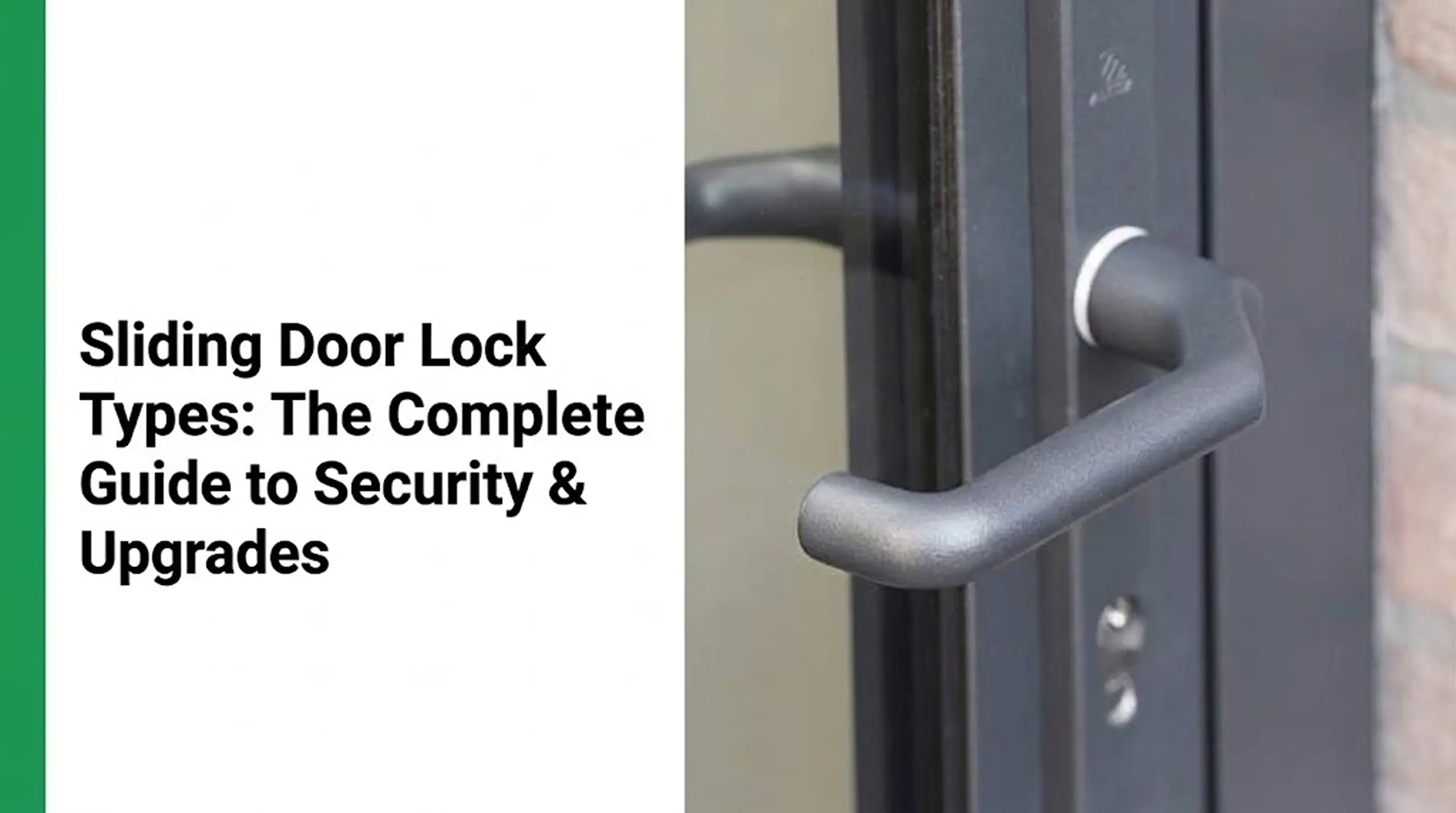
When it comes to home security, sliding glass patio doors are notoriously the weakest link. Their large glass panels, exposed tracks, and often flimsy factory locks make them an easy target for intruders. Furthermore, a faulty lock isn’t just a security risk—it can lead to energy loss, drafty rooms, and a frustrating user experience.
As a leading manufacturer of premium window and door hardware, we know that a sliding door is only as good as its locking system. We’ve seen firsthand how inadequate hardware can compromise the security, thermal efficiency, and effortless operation of an otherwise high-end door. Whether you’re a homeowner looking to identify and upgrade your current lock, a parent wanting to childproof your patio, or a contractor sourcing reliable hardware for a new build, this guide covers everything you need to know about sliding door lock types in 2026.
Common Sliding Door Lock Types
When searching for a replacement or upgrade, you must first understand the mechanical differences between the locks available on the market. We categorize them into primary defense systems, secondary safety locks, and modern smart solutions.
Primary Security Locks (The Core Defense)
These are the built-in locking mechanisms that keep your door shut and secure within its frame.
Mortise Locks (The Industry Standard)
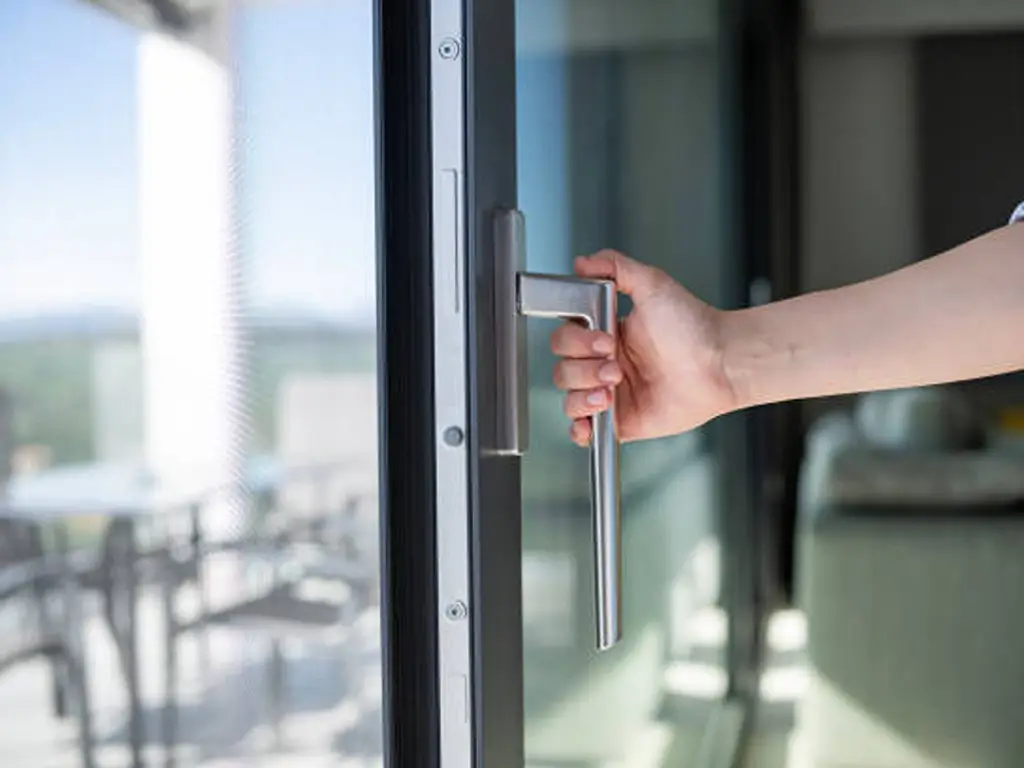
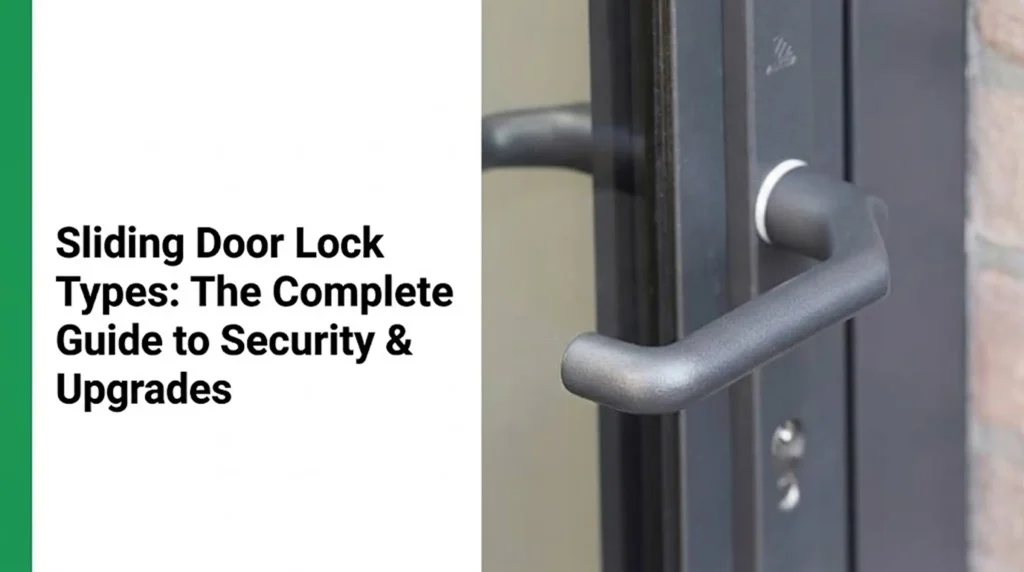
- How It Works: A mortise lock is recessed entirely into the stile (the hollow vertical frame) of the sliding panel. Engaging the thumb-turn extends a heavy hook-shaped latch outward, which anchors into the strike plate mounted on the door jamb.
- Material & Build Quality: Not all mortise locks offer equal protection. Lower-grade hardware frequently utilizes cast zinc alloys, which are brittle and susceptible to snapping under leverage. Commercial-grade mortise assemblies rely on solid 304 stainless steel or forged brass hook latches paired with precision-machined strike plates, engineered to resist both horizontal pry attacks and vertical lift-off.
Planning a new residential development or upgrading your door line? Standardizing hardware reduces on-site installation time and warranty callbacks. As a direct manufacturer, we integrate premium sliding door locks into your custom profiles with zero-tolerance precision.
Multi-Point Locking Systems (The Ultimate Upgrade)
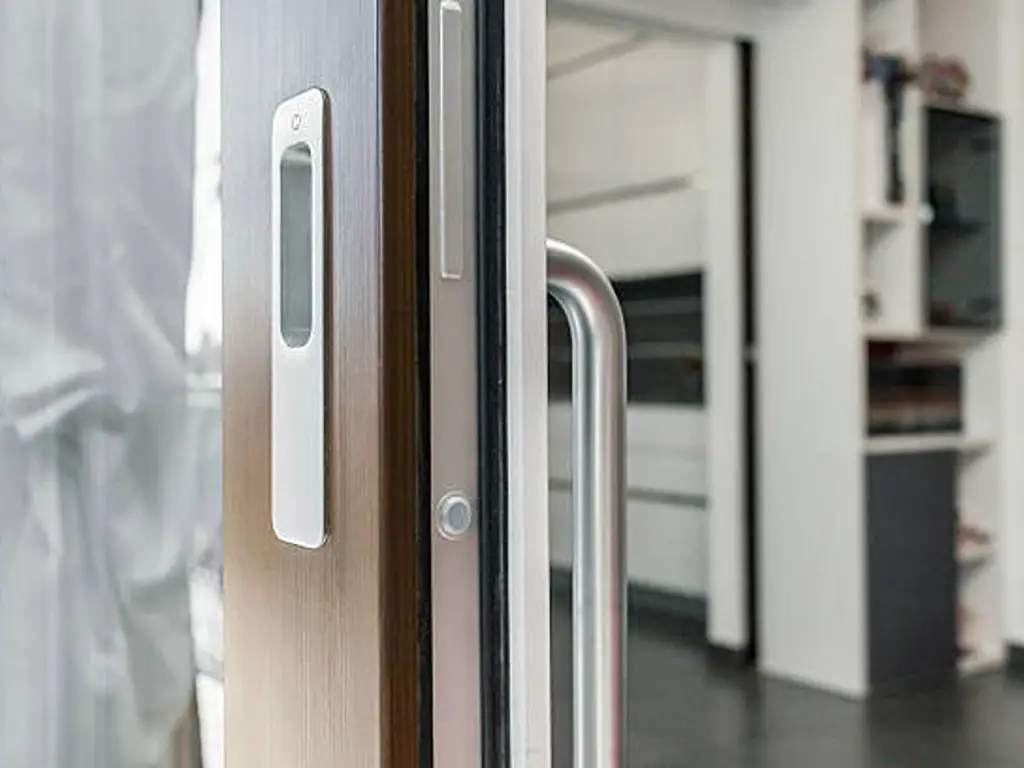
- How it works: Instead of relying on a single latch in the center, a multi-point lock secures the active door panel at multiple points along the frame (typically top, middle, and bottom) with a single turn of the handle.
- Why It Matters for Heavy Doors: Beyond superior forced-entry resistance, multi-point locking solves a critical engineering challenge: door deflection. On large or heavy glass panels, multiple locking points evenly compress the door sash against the weatherstripping, dramatically boosting thermal insulation, soundproofing, and resistance against hurricane-force winds.
Secondary & Child Safety Locks (DIY Upgrades)
If your primary lock works fine but you want extra peace of mind, these secondary locks are essential.
Foot Locks & Loop Locks (Best for Child Safety)
- How it works: Foot locks are surface-mounted at the bottom corner of the active door panel. You simply step on the pin to lock it into the track, and kick it up to release. Loop locks are similar but usually mounted at the top.
- Best for: Parents and pet owners. It prevents toddlers from opening the heavy glass door and wandering into the backyard or pool area.
Security Bars / Track Rods (The Failsafe Physical Barrier)
- How it works: A sturdy metal bar placed directly inside the bottom sliding track. It physically blocks the door from opening. Many modern telescoping models allow you to lock the door while leaving a 2-inch gap for ventilation.
- Pro Tip: While effective and cheap, metal bars can scratch your aluminum track’s finish over time. If you want seamless ventilation security without a bulky bar, upgrading to a modern multi-point locked door is the superior long-term solution.
Keyed Push-In Locks
- How it works: Installed on the edge of the active panel, you simply push a cylinder in to lock the door, requiring a physical key to pop it back out. It adds a rigid secondary anchor point against forced entry.
Modern & Specialty Options
Smart & Keyless Locks (Electronic Access)
- How it works: These allow you to unlock your patio door via fingerprint, keypad, or a smartphone app.
- The Narrow Stile Problem: Most standard smart locks are too bulky to fit on sliding doors with slim frames. As a manufacturer, we engineer specialized concealed smart locks specifically for narrow-stile sliding doors, maintaining minimal aesthetics without compromising smart functionality.
Which Lock Fits Your Door?
Not all locks work on all doors. Here is how to match the hardware to your specific door type:
| Door Type | Best Lock Match | What to Avoid |
| Exterior Patio Doors (Aluminum/UPVC) | Multi-Point System or Heavy-Duty Mortise Lock + Foot Lock. | Flimsy surface-mount hook locks that break easily. |
| Slim Frame Doors (Modern Aesthetic) | Manufacturer-specific narrow stile mortise or slim smart locks. | Bulky keypad locks that overlap the glass. |
| Interior Pocket Doors | Flush-mount ring pulls / Privacy pocket locks. | Any protruding handle (will prevent the door from sliding into the wall). |
| Interior Barn Doors | Teardrop latches or floor-mounted drop bolts. | Traditional mortise locks (no door jamb to grab onto). |
How to Replace & Upgrade Sliding Patio Door Locks
If your lock is broken, you might be tempted to just buy a “better” type. However, sliding door hardware is highly specific.
- Can I upgrade my lock type?You can easily do a “like-for-like” swap (e.g., replacing an old mortise lock with a new stainless steel mortise lock) or add secondary locks like security bars. However, you cannot easily retrofit a single-point door with a multi-point locking system. Multi-point systems require full-length internal routing done by CNC machines at the factory.Manufacturer’s Advice: If your door frame is old, sagging, and the single lock no longer aligns, investing in a brand-new sliding door system with factory-integrated multi-point locks is more cost-effective than constant repairs.
- 4 Crucial Measurements for Buying a Replacement:If you are replacing a mortise lock, do not buy anything until you measure these four specs:
- Door Thickness: Usually between 1-3/8″ and 1-3/4″.
- Hole Spacing (Center-to-Center): The exact distance between the top and bottom screw holes on your handle plate (commonly 3-15/16″ or 4-15/16″).
- Backset: The distance from the edge of the door to the center of the keyhole.
- Handing: Is your active panel sliding to the left or to the right?
How Much Do Sliding Door Locks Cost?
Budgeting for sliding door hardware depends on the mechanism type and whether the work involves a DIY retrofit or full-scale fabrication.
| Hardware / Service Category | Typical Cost Range | Primary Application |
| Auxiliary Security (Bars / Foot Locks) | $15 – $45 | Immediate DIY secondary defense |
| Single-Point Mortise & Handle Kits | $40 – $150 | Like-for-like replacement on standard doors |
| Multi-Point Hardware & Slim Smart Locks | $200 – $500+ | High-security upgrades & modern profiles |
| Locksmith Labor (Retrofit & Routing) | $100 – $250 per door | Professional fitting on existing doors |
On-site hardware assembly often leads to costly alignment errors and inflated labor hours. Sourcing factory-integrated locking systems with precision CNC tolerances cuts installation time by up to 30% and prevents post-handover callbacks.
Frequently Asked Questions (FAQs)
Q: What is the best way to secure a sliding glass door against burglars?
A: The ultimate combination is a heavy-duty mortise lock (or multi-point lock) paired with a secondary physical barrier, such as a foot lock or a track security bar, to prevent the door from being lifted off its rollers.
Q: Can a sliding door use the same key as the front door?
A: Yes, but only if the sliding door’s keyed cylinder matches the brand and keyway type (like Schlage or Kwikset) of your front door. A locksmith can then rekey them to match.
Q: How can a renter lock a sliding door without drilling holes?
A: Track security bars or adjustable track clamps are the best renter-friendly options. They provide excellent physical security, cost under $30, and require zero drilling.
Conclusion & Next Steps
Your sliding door lock is the heart of your patio’s security and functionality. Whether you are adding a $20 security bar to protect your toddler or upgrading to a highly engineered mortise lock, choosing the right type makes all the difference.
Are you a window manufacturer, architect, or contractor? Finding a reliable hardware supply chain shouldn’t be a bottleneck for your projects. Skip the retail hassle and connect directly with our B2B engineering team. Whether you need custom OEM smart locks for narrow profiles or bulk supply of premium multi-point systems, we have the manufacturing capacity to deliver.