By the Hotian Technical Team | Updated January 2026
Getting door dimensions right is critical for framing accuracy, code compliance, and functionality. Whether you are framing a rough opening for a new build or retrofitting a replacement door, this guide provides the precise industry standards used by manufacturers and contractors.
🚀 Key Takeaways: Quick Size Reference
If you are in a rush, here are the industry standards for residential doors in 2026:
- Standard Front Door: 36″ x 80″ (Width x Height).
- Standard Interior Door: 30″ or 32″ x 80″.
- Wheelchair Accessible (ADA): Minimum 36″ width (to achieve 32″ clear passage).
- Door Thickness: Interior is 1 ⅜”; Exterior is 1 ¾”.
- Rough Opening Rule: Add 2″ to width and 2.5″ to height of the actual door unit.
Standard Interior Door Dimensions
Let’s step inside! Interior doors separate rooms, provide privacy, and contribute to your home’s style. What are the typical sizes?
Standard Interior Door Dimensions
Standard HeightsMost common height is 80 inches, but taller options exist, especially in newer homes. 78″ 80″ (6’8″) 84″ (7′) 96″ (8′) Height relative to 100 units maximum. | Standard WidthsWidths vary by room purpose. Wider doors are common for bedrooms and accessibility. 24″ 28″ 30″ 32″ 36″ ADA AccessibilityA 36-inch door is often used to achieve the required 32-inch minimum clear opening for wheelchair access. | Standard ThicknessMost interior doors have a standard thickness, but a slightly thicker option exists. 1 ⅜”
Standard 1 ¾”
Thicker Visual representation of thickness. |
- Standard Interior Door Heights
- The Most Common Height: 80 inches (6 feet 8 inches). This is the go-to height for the vast majority of interior doors in modern homes. It offers plenty of clearance for most people.
- Taller Options: Newer homes or those with higher ceilings might use taller doors for a more dramatic look. You’ll sometimes see 84 inches (7 feet) or even 96 inches (8 feet). These taller doors make rooms feel more spacious and grand.
- Older Homes vs. New: If you live in an older house (built before, say, the 1970s), you might find shorter doors, sometimes 78 inches (6 feet 6 inches) or even less. Replacing these often means sticking with a similar size or modifying the frame.
- Standard Interior Door Widths
- Widths vary more than heights because they depend on the room’s purpose. Common widths include: 24″, 28″, 30″, 32″, and 36″.
- Room-Specific Ideas:
- Bedrooms: Usually 30 inches or 32 inches wide. This allows for moving furniture in and out more easily.
- Bathrooms: Often 28 inches or 30 inches. Some smaller bathrooms or powder rooms might even use a 24-inch door if space is tight, but this can feel narrow. 32 inches is also common, especially for accessibility.
- Closets: Can range from 24 inches to 30 inches, depending on the closet type (walk-in vs. reach-in). Sometimes even narrower doors (18″ or 20″) are used for small linen closets.
- Utility Rooms/Laundry: Typically 30 inches or 32 inches to accommodate appliances.
- ADA Accessibility: For wheelchair access, a minimum clear opening width of 32 inches is generally required when the door is open 90 degrees. This often means using a 36-inch wide door. We’ll talk more about accessibility later!
- Interior Door Thickness
- The most common thickness for interior doors is 1⅜ inches. This is standard for most hollow-core and solid-core doors you’ll find at home improvement stores.
- Sometimes, you might see 1¾ inches thickness, especially for larger doors, doors needing better soundproofing, or higher-quality solid wood doors. This thickness is more common for exterior doors but can be used inside too.
Need more specifics on inside doors? You can check out our dedicated Interior Door Sizes (size and measurement guide) for a deeper look.
Standard Exterior Door Sizes
Exterior doors are your home’s gateway. They need to be secure, weather-resistant, and welcoming.
Standard Exterior Door Dimensions
Standard HeightsLike interior doors, 80″ is standard. Taller options add grandeur. 80″ (6’8″) 84″ (7′) 96″ (8′) Common exterior door heights. | Standard Widths36″ is standard for main entrances. Other widths exist for secondary or grand doors. 30″ 32″ 36″ 42″ 36″ width is most common, offering good access and meeting many accessibility needs. | Thickness & Rough OpeningExterior doors are thicker (1¾”) for security and weather resistance. Standard: 1 ¾”
Exterior Provides better security, insulation, & durability. Rough Opening (RO)The framed wall opening, larger than the door unit for fitting. Calculation: Approx. Door Width + 2″, Door Height + 2″ to 2.5″. Example: 36″x80″ door ≈ 38″x82½” RO. *Always check manufacturer specs & local codes.* |
- Entry Door Dimensions
- Standard Height: Just like interior doors, the most common height for exterior doors is 80 inches (6 feet 8 inches).Premium Heights: Taller entry doors are becoming increasingly popular for a grander entrance. 84 inches (7 feet) and especially 96 inches (8 feet) are common upgrades. Standard Width: 36 inches (3 feet) is the most common width for front doors. This provides ample space for moving things in and out and generally meets accessibility guidelines. Other Widths: While 36 inches is standard, you might find 30-inch or 32-inch wide exterior doors, especially for secondary entrances like side doors or back doors. Sometimes, grand entrances feature extra-wide doors of 42 inches.
- Exterior Door Thickness
- The standard thickness for exterior doors is 1¾ inches. This extra thickness compared to most interior doors provides better security, insulation, and durability against the elements.
- Security & Insulation: This thickness allows for more robust locking mechanisms and better core insulation (whether foam or solid wood) to keep your home safe and comfortable.
- Weather Resistance: Exterior doors are built to withstand rain, sun, and temperature changes. The standard thickness helps them resist warping and maintain a good seal.
- Rough Opening Requirements
- What’s a Rough Opening? This is the framed hole in the wall before the door and its frame (jamb) are installed. It needs to be slightly larger than the door unit to allow for fitting and shimming (using small wedges to make it perfectly level and plumb).
- Calculating It: Generally, the rough opening should be about 2 inches wider and 2 to 2.5 inches taller than the actual door size. For example, a standard 36″ x 80″ exterior door usually needs a rough opening of about 38″ x 82½”. Always check the manufacturer’s specific requirements for your chosen door!
- Shimming Space: That extra space allows installers to position the door frame perfectly, ensuring it swings correctly and seals tightly.
- Codes Matter: Local building codes might have specific requirements for rough openings, especially for exterior doors, so it’s always good practice to check.
Specialized Door Types and Sizes
Beyond standard single doors, many homes feature other types. Let’s look at their common sizes.
Specialized Door Types & Sizes
French DoorsElegant double doors. Standard heights (80″, 84″, 96″). Common total widths are 60″ or 72″. Common Units: 60″x80″, 72″x80″ Note: Require clear floor space for doors to swing open. | Sliding Glass DoorsIdeal for patios, slide horizontally. Common height is 80″. Common widths are 60″ or 72″. Common Sizes (WxH): 60″x80″ (5068), 72″x80″ (6068). Larger 96″ widths also available. Note: Space-saving as they run on tracks, no swing space needed. |
Bi-fold / Closet DoorsCommon for closets, fold to open. Standard height (80″). Widths vary greatly. Common Widths: 24″, 30″, 36″, 48″, 60″, 72″. Example: A 48″ wide unit often has four 12″ panels. Note: Run on tracks, need some clearance for folding. | Barn DoorsSlide on an overhead track, saving floor space. Door overlaps the opening. Sizing Rule: Door should be ~2″ wider & ~1″ taller than opening. Example: For 36″x80″ opening, use ~38″x81″ door. Note: Requires clear wall space beside opening for door to slide. |
- French Doors
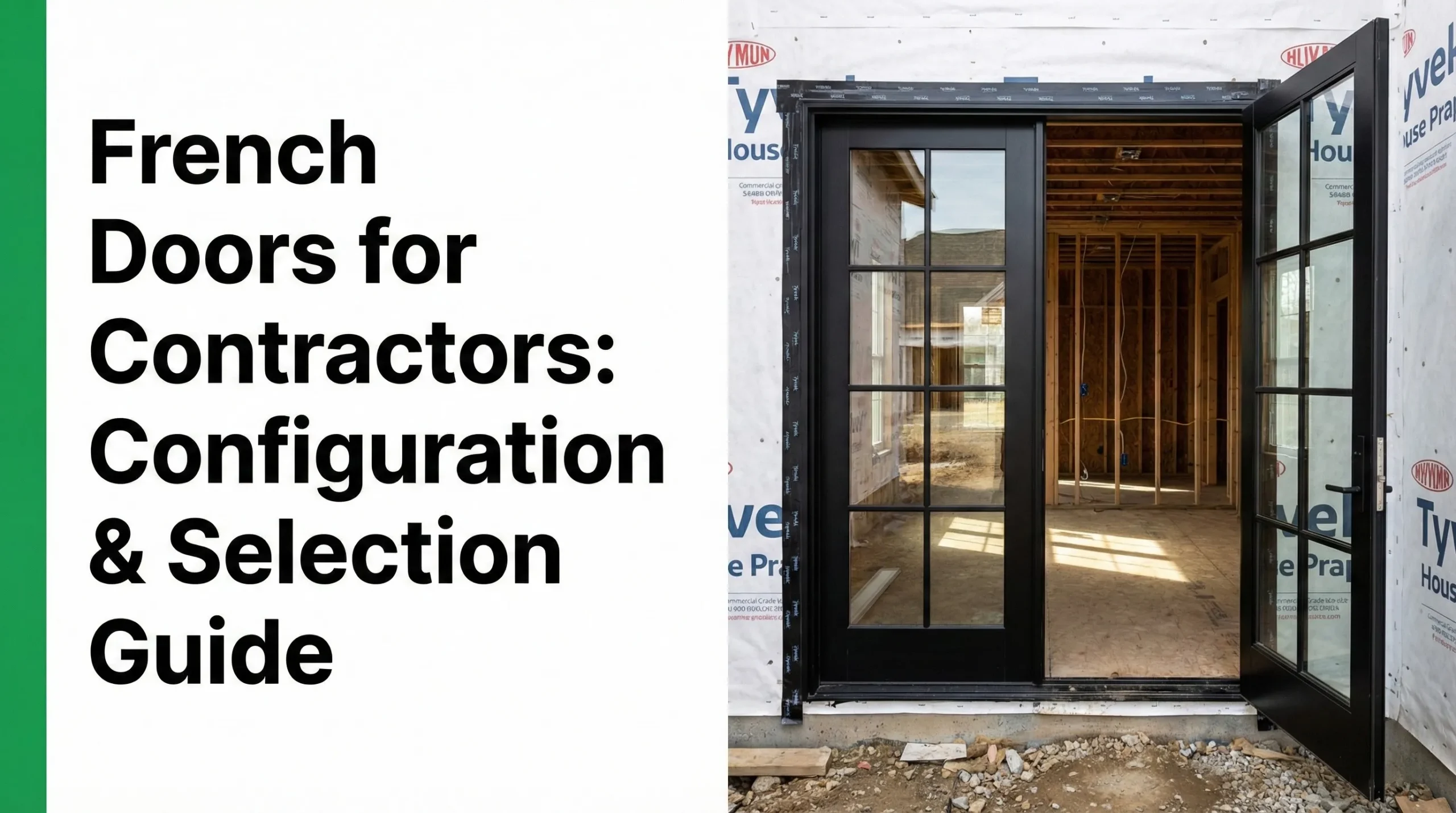
- These elegant double doors add a touch of class. Typically, each door panel follows standard heights (80″, 84″, 96″). A common setup is two 36-inch wide doors creating a 72-inch (6-foot) opening, but pairs of 30-inch or 32-inch doors are also frequent. So, a standard French door unit might be 60″ x 80″ or 72″ x 80″.
- Configurations: You can have them swing in or out, and sometimes one door is fixed while the other operates.
- Space Needs: Remember they need clear floor space for both doors to swing fully open.
- Curious about the upper limits? Find out what the largest French door size? Or consult our detailed French Door Size Chart and size guide.
- Sliding Glass Doors
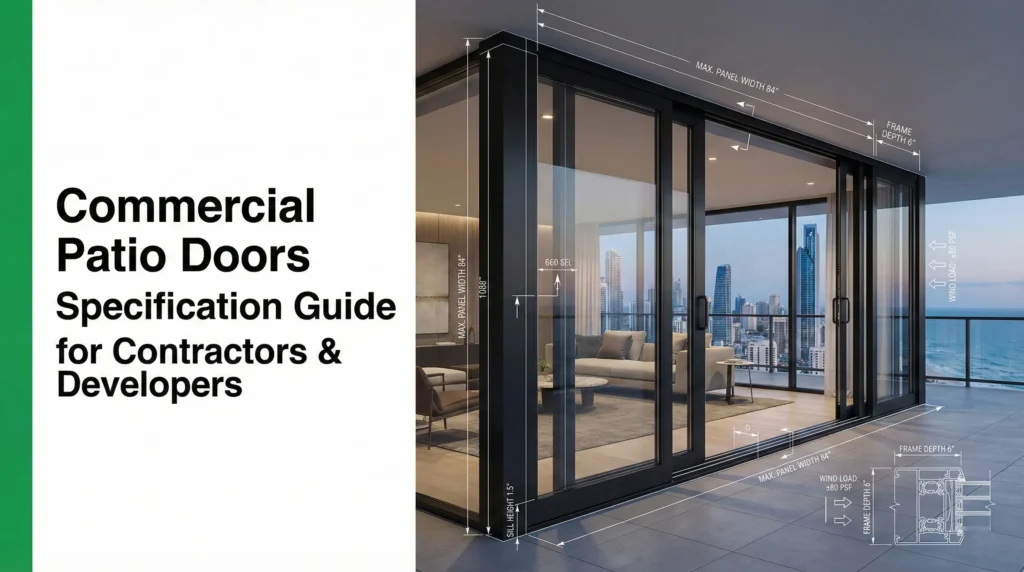
- Great for patios and decks, these doors slide horizontally. The most common height is 80 inches. Standard widths are typically 60 inches (5 feet) or 72 inches (6 feet). You’ll often see these listed as 5068 (5’0″ wide, 6’8″ high) or 6068 (6’0″ wide, 6’8″ high). Larger sizes like 96 inches (8 feet) wide (8068) are also available.
- Tracks: They run on tracks, so they don’t need swing space, making them great for tighter areas.
- Thinking about screens? Check out our Sliding Screen Door Sizes guide for matching screen info.
- Bi-fold and Closet Doors
- Closet Doors: Often match standard interior door heights (80″). Widths vary greatly depending on the closet opening. Standard bi-folds often come in widths like 24″, 30″, 36″, 48″, 60″, or 72″.
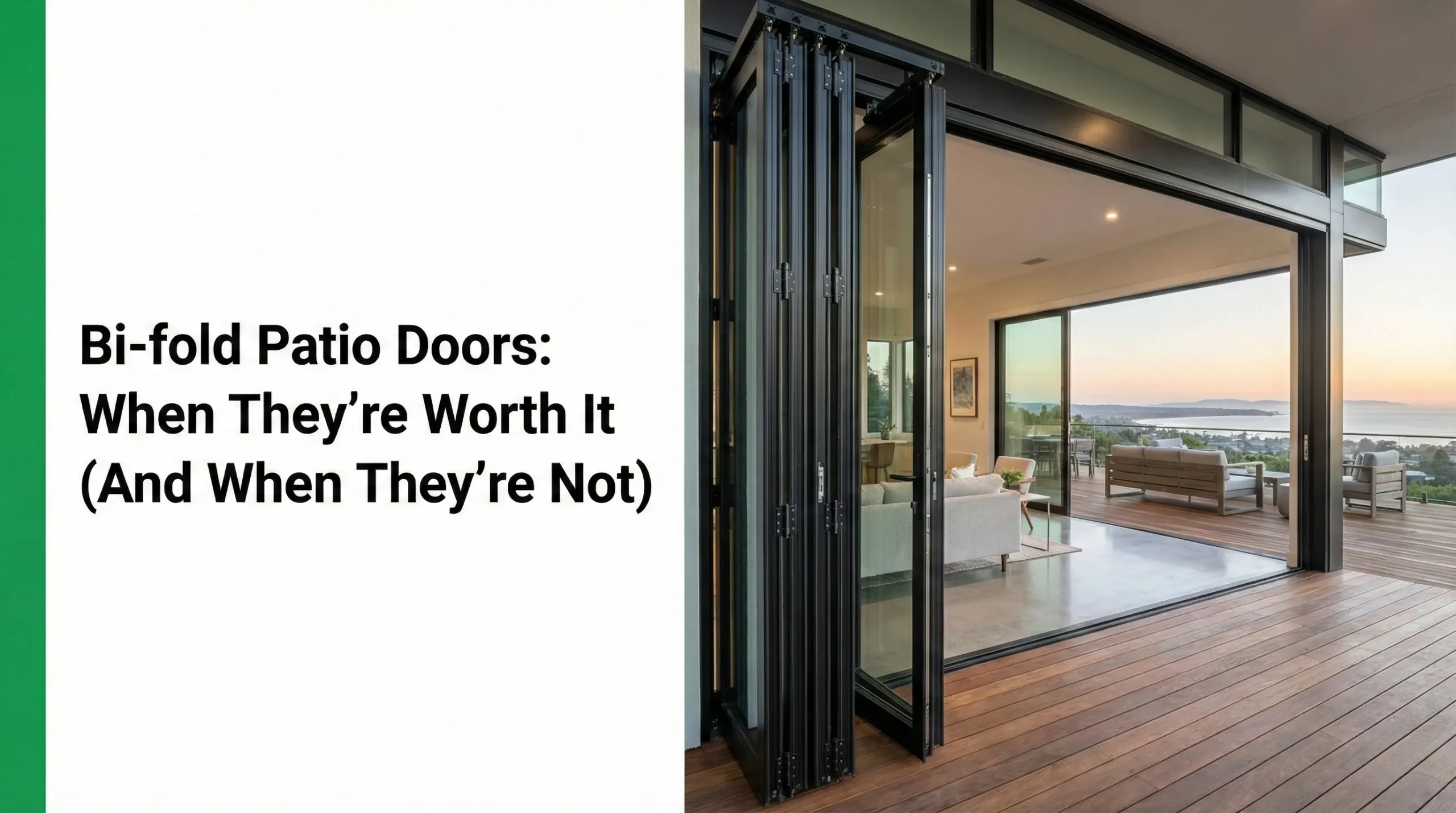
- Bi-folds: These doors fold in half (or sometimes quarters) as they open. A 48-inch wide bi-fold unit usually consists of four 12-inch panels. They are common for closets and sometimes laundry areas.
- Installation: They run on tracks, usually at the top, and require less floor clearance than swing doors but more than sliding doors.
- Barn Doors
- Trendy and space-saving, barn doors slide along a track mounted above the opening.
- Sizing: The door itself needs to be wider and often taller than the opening it covers to ensure privacy and block light. A common rule is to add at least 2 inches to the width (1 inch overlap on each side) and 1 inch to the height. So, for a 36″ x 80″ opening, you might want a 38″ x 81″ barn door.
- Clearance: You need clear wall space next to the opening for the door to slide fully open. The track and hardware also require specific clearances.
- Standard vs. Custom: While you can find some standard sizes, barn doors are often customized to fit specific openings and styles.
Free Rough Opening Calculator: Get Accurate Frame Sizes Instantly
Now that you know the standard door sizes, the next critical step is determining the correct rough opening for your door frame. A properly sized rough opening ensures smooth installation, proper door operation, and prevents costly mistakes.
Use our free calculator below to instantly calculate the exact rough opening dimensions based on your door size. Simply enter your door’s width and height, select whether it’s an interior or exterior door, and get the precise wall opening measurements you need for a perfect installation.
🚪 Rough Opening Calculator
Calculate the precise wall opening size for your door installation
Interior Door: Width + 2″ | Height + 2.5″
Exterior Door: Width + 2″ | Height + 2.25″
Accessibility and Building Code Requirements
Making homes accessible for everyone is increasingly important. Door sizes play a big role!
- ADA Compliance for Residential Doors
- The Americans with Disabilities Act (ADA) has guidelines often adopted or referenced in building codes, even for homes.
- Minimum Width: ADA guidelines typically call for a minimum clear opening width of 32 inches when the door is open 90 degrees. To achieve this, a 36-inch wide door is usually recommended.
- Maneuvering Space: Adequate clear floor space is needed in front of and beside the door to allow wheelchair users to approach and open it.
- Thresholds: Thresholds (the bottom part of the frame you step over) should be as low as possible, ideally no more than ½ inch high.
- Handles: Lever handles are preferred over round knobs because they are easier to operate without tight grasping. They should be mounted at a reachable height.
- International Building Code Standards (IBC / IRC)
- The International Residential Code (IRC) is a common model code used in the US.
- Egress Doors: The main exit door (egress door) usually must be side-hinged and provide a clear opening of at least 32 inches wide and 78 inches (6 feet 6 inches) high. A standard 36″x80″ door typically meets this.
- Fire Safety: Doors leading from a garage into the house often need to be fire-rated (e.g., 20-minute rating) and self-closing. Size standards still apply, but the construction is different.
- Local Codes: Always remember: local building codes take precedence! Check with your local building department for specific requirements in your area.
- Universal Design Principles
- This is about designing spaces that are usable by everyone, regardless of age or ability.
- Future-Proofing: Choosing wider doors (like 36 inches) during construction or renovation makes the home more adaptable for the future, whether for aging residents, visitors with disabilities, or just moving bulky items.
- Aging-in-Place: Wider doorways, lever handles, and low thresholds make it easier for people to stay in their homes safely and comfortably as they age.
- Smart Choices: Often, incorporating these features from the start costs little extra but adds significant long-term value and convenience.
Measuring Techniques for Door Replacement
Warning: Never measure just the old door slab, as it may have been trimmed. Always measure the frame/jamb.
- Measure Width: Measure the inside of the door frame (jamb to jamb) at the top, middle, and bottom. Record the smallest number.
- Measure Height: Measure from the floor to the underside of the top jamb header. Measure left and right sides. Record the smallest number.
- Measure Thickness: Open the door and measure the edge (usually 1 ⅜” or 1 ¾”).
- Check Jamb Depth: Measure the thickness of the wall itself (usually 4 ⁹⁄₁₆” for 2×4 walls or 6 ⁹⁄₁₆” for 2×6 walls).
Handing Check: Stand on the outside (or the side you pull the door toward you).
- Knob on Right + Pull = Left Hand In-swing
- Knob on Left + Pull = Right Hand In-swing
Door Size Trends and Design Considerations
Doors aren’t just functional; they impact your home’s look and feel. What’s trending?
- Current Trends in Door Sizing
- Going Tall: The biggest trend is definitely taller doors. 8-foot (96-inch) doors, once reserved for custom homes, are becoming much more common, especially on main floors and in homes with higher ceilings. They create a sense of luxury and openness. 7-foot (84-inch) doors are a popular intermediate step.
- Wider Openings: While 36 inches remains standard for entry, wider interior doors (32″ or 36″) are gaining favor beyond just accessibility needs, enhancing flow between rooms.
- Style Influences: Modern and contemporary styles often favor taller, simpler door designs. Farmhouse styles might embrace barn doors or classic panel designs in standard sizes.
- Aesthetic Proportions
- Height-to-Width Ratio: A common guideline for visual appeal is aiming for a height-to-width ratio of around 3:1 for single doors. A standard 36″x80″ door is close to this (ratio ≈ 2.2:1), while a 30″x80″ is closer (≈ 2.7:1). Taller doors naturally create a more elongated, elegant look.
- Room Scale: The size of the door should feel appropriate for the scale of the room and ceiling height. A tiny door in a huge room with vaulted ceilings can look lost, while a massive door might overwhelm a small space.
- Visual Impact: Door size, style, and color significantly impact interior design. Taller doors draw the eye upward, making ceilings feel higher.
- Energy Efficiency Factors
- Sizing & Sealing: A correctly sized door that fits snugly in its frame provides a better seal, reducing drafts and improving energy efficiency. Gaps around poorly fitted doors waste energy.
- Weather-stripping: Ensure the door size allows for proper weather-stripping installation, especially for exterior doors.
- Materials: While size matters for fit, the door’s material (fiberglass, steel, wood, insulated cores) plays a larger role in its thermal performance (R-value). However, very large doors (especially glass ones like sliders or large French doors) can potentially lose more heat if not high-quality and properly installed.
Special Scenarios and Solutions
What if your house doesn’t fit the standard mold? Don’t worry, there are solutions!
- Dealing with Non-Standard Openings
- Historic Homes: Older homes often have unique door sizes – sometimes shorter, sometimes narrower, sometimes thicker.
- Custom Doors: The most straightforward solution is often ordering a custom-sized door. This costs more and takes longer, but ensures a perfect fit. Many door manufacturers offer custom sizing.
- Modifying Standard Doors: Sometimes, a standard door can be trimmed slightly (usually more off the bottom than the sides or top). Check manufacturer limits, as trimming too much can void warranties or weaken the door. This is often better suited for solid wood doors.
- Modifying the Opening: In some cases, it might be easier (though more work) to resize the door opening to fit a standard door, especially during a larger renovation.
- Retrofitting Standard Doors to Existing Frames
- Adapting: If you want to put a new standard-sized door into an existing older frame that’s close in size, you might need slight adjustments.
- Frame Modifications: Shims can help adjust the fit within the frame. Sometimes minor trimming of the frame itself is possible. Planning the edges of the door slightly can also work (again, check limits).
- Preserve vs. Replace: If the existing frame is in good condition and adds character (like in a historic home), try to adapt the door. If the frame is damaged or you want a completely updated look, replacing the whole unit (pre-hung door) might be better.
- Space-Saving Door Solutions
- Pocket Doors: These doors slide into the wall, completely disappearing when open. Great for bathrooms, closets, or dividing rooms where swing space is limited. They require careful framing during installation. Standard door sizes can often be used.
- Sliding Systems (Barn Doors/Surface Mount): As mentioned earlier, barn doors slide along the outside of the wall. Other surface-mount sliding tracks exist too. They save floor space compared to swinging doors.
- Accordion/Bifold Doors: These fold up, requiring less clearance than swinging doors. Good for closets or dividing larger spaces.
Purchasing Guide and Cost Considerations
Ready to buy? Here’s what to think about.
- Where to Buy Standard vs. Custom Doors
- Big Box Retailers (Home Depot, Lowe’s): Great selection of standard sizes, often in stock. Good for common interior and exterior doors. Custom orders are possible but might take longer.
- Direct Door Manufacturer: Reliable door manufacturers like Hotian offer all kinds, types, styles, and sizes of door products and offer versatile customization options.
- Lumberyards & Specialty Door Suppliers: Often have a wider range of materials, styles, and custom options. May offer higher-end brands and more personalized service.
- Online Retailers: Can offer competitive pricing and broad selection, but be sure to factor in shipping costs and check return policies carefully. Measuring accurately is critical here!
- Lead Times: Standard, in-stock doors are quick. Custom sizes or styles can take several weeks or even months. Plan ahead!
- Price Ranges by Door Size and Type
- Budget: Basic hollow-core interior doors in standard sizes are the most affordable (under $100). Standard solid-core doors might be $100-$300+. Standard steel or basic fiberglass exterior doors can start around $200-$500.
- Mid-Range: Higher quality materials (solid wood, better fiberglass), decorative glass, and popular sizes (like 8-foot height) increase the cost. Expect $500 – $1500+ for nicer exterior doors or solid wood interior doors.
- Premium: Custom sizes, exotic woods, intricate designs, very large doors (like wide sliders or folding walls), and high-end hardware can cost thousands.
- Beyond Dimensions: Material (wood vs. fiberglass vs. steel), core type (hollow vs. solid), glass inserts, fire rating, and brand all significantly impact price.
- Installation Considerations
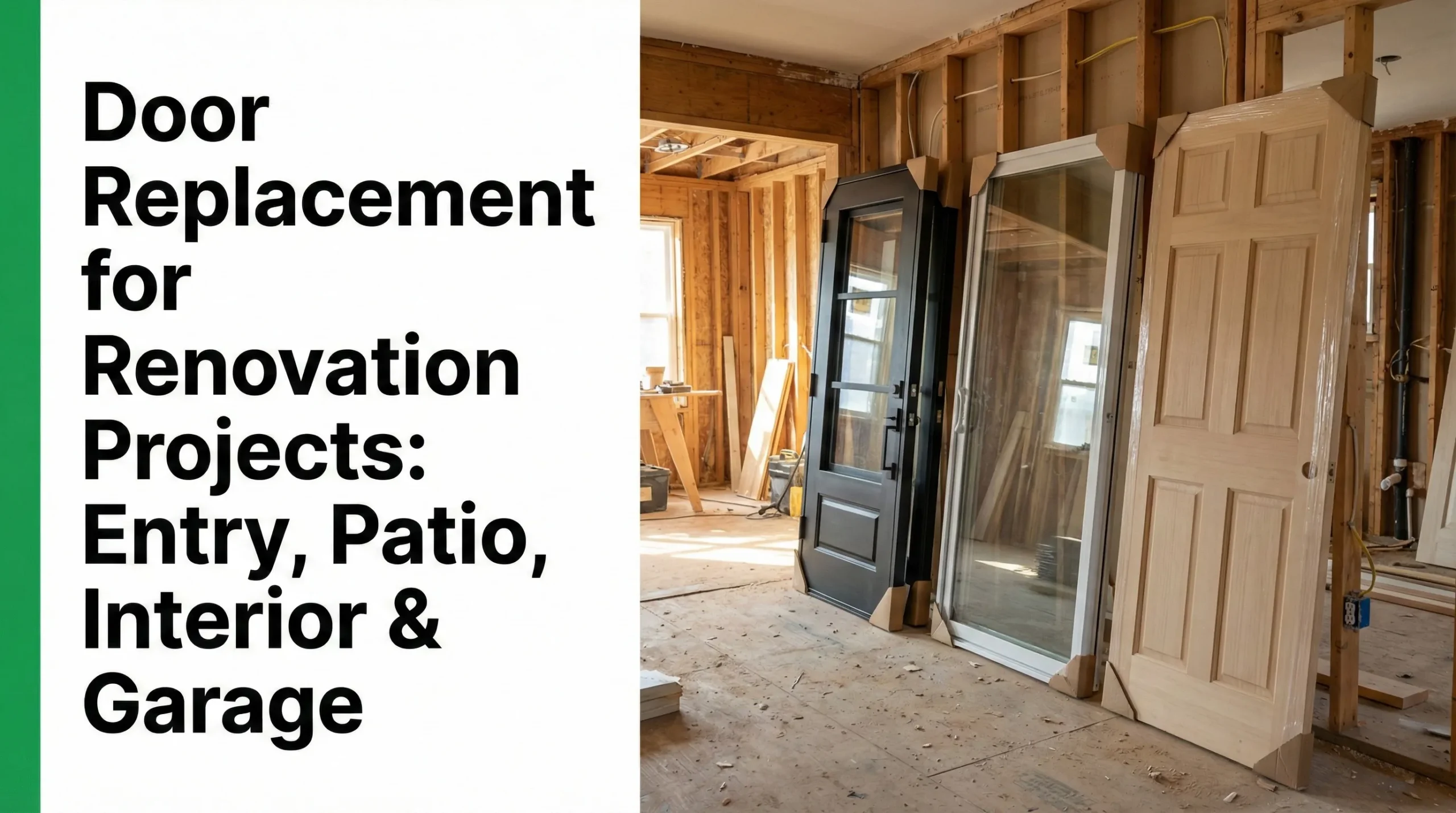
- DIY vs. Pro: Replacing a door slab in an existing frame (a “slab” replacement) can be a moderate DIY project if the frame is square and the size is identical. Installing a pre-hung door (door + frame) is more complex, especially exterior doors which need proper sealing and flashing. Hiring a pro is often recommended for exterior doors and complex installations.
- Tools: You’ll need precise measuring tools, levels, shims, drills, drivers, and possibly saws or planes for adjustments. Larger, heavier doors (especially exterior or solid core) are much harder to handle alone.
- Adjustments: After installation, doors may need minor adjustments to swing and latch correctly.
Expert Tips and Recommendations
A little extra advice from the pros:
- Professional Insights
- Measure Thrice, Cut Once: Contractors live by this! Double and triple-check your measurements before ordering or cutting. Mistakes are costly.
- Consider Flow: Think about how doors affect traffic flow within your home. Does the swing direction make sense? Could a pocket or barn door work better?
- Don’t Skimp on Exterior Doors: Your front door impacts curb appeal, security, and energy efficiency. Invest in a quality door that’s properly installed.
- Future-Proof: If renovating, consider wider interior doors (32″ or 36″) even if you don’t need them now. It adds value and flexibility.
- Renovation Planning Checklist
- Timeline: Factor in ordering lead times, especially for custom doors.
- Coordination: If you’re doing other work (flooring, painting), plan the door installation sequence appropriately. Usually, door frames go in before flooring and trim, but the door slab might go on last to avoid damage.
- Permits: Major changes like altering opening sizes or adding new exterior doors often require building permits. Check locally.
- Maintenance Considerations by Door Size
- Weight Matters: Larger, heavier doors (solid wood, 8-foot tall) put more stress on hinges and frames. Use appropriately rated hinges (3 per door is standard, 4 for heavy/tall doors).
- Hardware: Choose robust handlesets and locks, especially for heavy exterior doors.
- Longevity: Well-maintained doors last longer regardless of size. Check seals, weather-stripping, and finish regularly.
Conclusion: Making the Right Door Size Choice
Choosing a door size might seem technical, but it boils down to a few key things:
- Decision Framework Summary
- Function: How will the door be used? Who needs to pass through it? (Think furniture, accessibility).
- Space: How much room do you have? Does the door need to swing, slide, or fold?
- Codes: What are the minimum requirements for safety and egress in your area?
- Aesthetics: What look are you going for? How does the door size relate to ceiling height and room scale?
- Budget: What’s realistic for the door itself and potential installation costs?
- Standard vs. Custom: Stick with standard sizes (especially 80″ height, 36″ width for entry, 30-32″ for bedrooms) whenever possible for cost savings and availability. Go custom when needed for unique openings or specific design goals.
- Resources for Further Information
- Check manufacturer websites for specific product dimensions and installation guides.
- Consult your local building department for code requirements.
- Talk to experienced contractors or door suppliers for personalized advice.
Frequently Asked Questions: Door Sizes & Installation
What’s the absolute most common door size?
For exterior main entries, 36″ x 80″ (3’0″) is the universal standard to meet building codes and accessibility requirements.
Can I put an 8-foot door in a room with standard 8-foot ceilings?
Is it hard to replace a door myself?
Do I measure the door or the opening?
How much bigger is the rough opening?
Can I trim a standard door to fit my opening?
What is the rough opening for a 32-inch door?
Are exterior doors always 36 inches wide?
Why are 8-foot (96″) doors becoming popular in 2026?
Summary & Next Steps
Choosing the right door size balances functionality, code compliance, and aesthetics. While standard sizes like 36″ x 80″ cover most needs, understanding the nuances of rough openings and accessibility ensures a successful installation.
Are you in search of superior standard or custom-sized doors?
At Hotian, we specialize in precision-engineered doors suitable for modern architectural trends.
👉 [Browse Our 2026 Door Catalog] or [Contact Our Technical Team] for custom sizing assistance.