Introduction
Is your sliding door driving you crazy? You love how sliding doors bring in sunlight and connect you to the outdoors, but when they become stuck, jammed, or feel like they weigh a ton, it’s incredibly frustrating! Don’t worry, you’re not alone, and often, the fix is simpler than you think. If you’re generally looking to fix a sticky door, this guide is for you!
This guide will help you figure out exactly why your sliding door is being stubborn and give you easy-to-follow steps to get it gliding smoothly again. Let’s get started!
The Ultimate Sliding Door Repair Tool Kit
Instead of grabbing everything from your garage, here are the specific tools you’ll actually need, depending on how stubborn your door is:
For Basic Cleaning & Maintenance (The 15-Minute Fix):
- Vacuum with a Crevice Attachment: Essential for sucking up dry dirt, pet hair, and dead bugs deep within the narrow track corners.
- Stiff Bristle Brush (or an old toothbrush): To loosen hardened, caked-on mud in the tracks.
- Damp Microfiber Cloths: To wipe the tracks completely clean after vacuuming.
- Silicone Spray Lubricant (or PTFE dry lube): To ensure a smooth glide (Remember: No standard WD-40 or dish soap!).
For Hardware Adjustments, Roller Replacement & Door Removal:
- Phillips and Flathead Screwdrivers: For turning roller adjustment screws (often hidden behind small plastic plugs) and removing lock hardware.
- Stiff Putty Knife or Small Pry Bar: Extremely helpful for gently lifting the heavy glass panel over the bottom track lip when you need to remove the door.
- Wood Blocks or Thick Cardboard: (Crucial Safety Item) If you are taking the door off the tracks, you must have these to rest the heavy glass door on. Never rest bare glass edges on hard floors like concrete or tile, as they can shatter instantly.
- Measuring Tape (or Digital Caliper): Crucial for measuring the exact diameter and width of your old rollers before buying replacements at the hardware store.
- Needle-Nose Pliers: For retrieving broken roller fragments or grabbing stubborn track covers.
Safety First! Important Reminders:
- Get Help! Sliding doors are heavy and awkward to handle. Always have someone help you if you need to remove or reinstall the door panel.
- Wear Safety Gear: Use cut-resistant gloves to protect your hands, safety glasses to protect your eyes, and closed-toe shoes.
- Handle Glass with Care: Be extremely careful around the glass panels. Knocks or pressure can cause them to shatter.
Diagnose the Problem: What’s Making Your Door Stick?
Before you grab your tools, let’s quickly figure out the most likely culprit. Here are the common reasons why sliding doors become difficult to open:
- Grime in the Tracks: Is there visible dirt, dust, leaves, or pet hair packed into the door tracks? This is the most common issue!
- Rollers Off Track: Are the wheels (rollers) that help your door slide perhaps not moving smoothly or seem stuck?
- Damage to Tracks or Rollers: Are the metal tracks bent, dented, or rusty? Do the rollers look broken or worn down?
- Frame Problems: Is the door frame loose, damaged, or shifted?
- Locking Issues: Is the lock mechanism itself feeling stiff or not releasing properly?
- Weather Changes: Has there been a sudden temperature swing (very hot or cold)? Especially in winter, you might be experiencing issues similar to winter door swelling, which can make any door harder to operate.
Let’s tackle these one by one and find the right solution for your door!
1. Tracks Clogged with Dirt and Debris? (The Easiest Fix!)
Dirt, dust, and all sorts of outdoor debris love to settle in the tracks of your sliding door. This buildup creates friction and prevents the rollers from doing their job smoothly. Luckily, this is usually the easiest problem to solve!
Simple Solution: Give Those Tracks a Good Cleaning!
- Grab Your Cleaning Supplies: You’ll need:
- A stiff brush (an old toothbrush, scrub brush, or even a vacuum cleaner brush attachment works great).
- Soapy water (mild dish soap is perfect).
- A vacuum cleaner with a hose attachment.
- A damp cloth or rag.
- Brush Away Loose Dirt: Use your brush to loosen and sweep away as much dry dirt and debris as possible from the tracks. Get into all the corners!
- Vacuum Up the Mess: Use your vacuum cleaner with the hose attachment to suck up all the loose dirt you brushed away. This is much more effective than just sweeping!
- Wash with Soapy Water: Dip your brush or cloth in soapy water and scrub the tracks thoroughly. You might need to scrub firmly to remove stubborn grime.
- Wipe Clean and Dry: Use a damp cloth to wipe away the soapy residue. Then, use a dry cloth to dry the tracks completely. Moisture can attract more dirt.
- Make it a Habit: Try to clean your tracks regularly, at least a few times a year, to prevent buildup and keep your door sliding smoothly.
2. Are Your Rollers Misaligned?
The rollers are like the wheels of your sliding door. If they’re not properly aligned or adjusted, the door can bind and feel stuck.
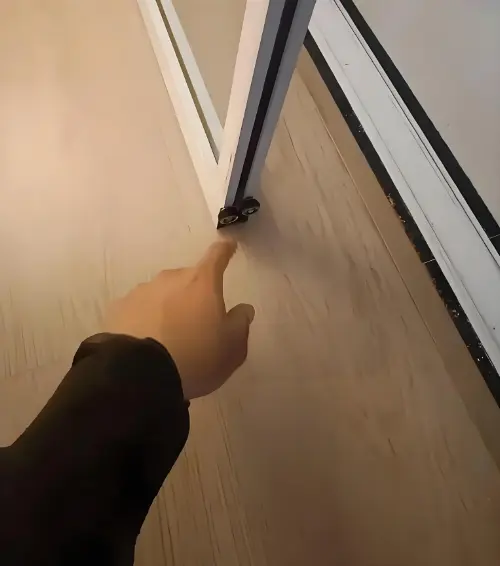
Solution: Adjust Those Rollers!
- Locate the Adjustment Screws: Look on the sides or bottom edge of your sliding door panel. You should find small adjustment screws or covers that hide the screws. They are often near the rollers themselves.
- Loosen the Locking Mechanism Screws (If Necessary): Sometimes, you might need to slightly loosen the screws holding the locking mechanism to allow for roller adjustment. Don’t remove them completely, just loosen them a bit.
- Adjust the Rollers: Using a screwdriver (usually Phillips head), turn the adjustment screws. Turning them one way will raise the door, and the other way will lower it. You’ll need to experiment a little.
- Aim for Even Sitting: Adjust the rollers until the door sits evenly in the track and slides smoothly without catching. You want the door to be parallel with the door frame (jamb).
- Test and Fine-Tune: Slide the door back and forth after each adjustment to see if it’s improving. Keep adjusting until it glides easily.
3. Damaged Tracks and Rollers? Time for Inspection!
Over time, tracks and rollers can get damaged. Dents, bends, rust, or worn-out rollers can all make your door struggle.
Solution: Inspect and Replace Damaged Parts
- Carefully Examine Tracks and Rollers: Open and close the door slowly and look closely at the tracks and rollers. Look for:
- Dents or bends in the metal tracks.
- Rust on the tracks or rollers.
- Cracked, chipped, or worn-down rollers.
- Rollers that don’t spin freely.
- Inspect and Replace Broken Rollers: If cleaning doesn’t work, your rollers might be chipped or completely worn out. To inspect or replace them, you first need to take the heavy glass panel out of the frame. Because this step can be tricky and requires proper lifting techniques, we’ve put together a step-by-step guide on [how to safely remove a sliding patio door]. Once the door is off, simply unscrew the old roller assembly and take it to your local hardware store to find an exact match.
- Fix Bent Tracks (Gently): For minor bends in the tracks, you might be able to gently straighten them using pliers. Be careful not to damage them further.
- Remove Rust: Use a wire brush or steel wool to scrub away rust from tracks and rollers. Vacuum up any rust particles afterwards.
- Consider Replacement for Severe Damage: If the tracks or door itself are severely damaged (deep dents, major bends, extensive rust), it might be time to replace the damaged parts or even the entire door.
4. Loose or Damaged Door Frame?
A loose or damaged frame can throw the entire door out of alignment, making it hard to slide.
Solution: Frame Check and Professional Help
- Inspect the Frame: Carefully look at the door frame around the sliding door. Check for:
- Gaps or cracks in the frame.
- Loose screws or nails holding the frame together.
- Signs of warping or shifting in the frame.
- Tighten Loose Screws (If Minor): If you find loose screws, try tightening them. This might help stabilize a slightly loose frame.
- Contact a Door Expert: If you see significant damage, warping, or if the door frame seems fundamentally misaligned, it’s best to call a professional door installer or handyman. Frame issues can be complex and might indicate improper installation or structural problems.
5. Is Your Locking Mechanism Sticking?
Sometimes, the problem isn’t the rollers or tracks, but the locking mechanism itself. It might be stiff, rusty, or not releasing properly.
Solution: Lock Lubrication and Adjustment
- Try Lubricating the Lock: Spray a silicone-based lubricant into the locking mechanism (where the latch goes in and out). Work the lock back and forth to distribute the lubricant.
- Remove and Inspect the Lock (If Comfortable): If lubrication doesn’t work, and you are comfortable doing so, you can try removing the lock mechanism (usually held by screws). Inspect it for rust or damage.
- Adjust the Lock (Carefully): Sometimes, a lock can be slightly misaligned. You might be able to gently adjust the position of the lock or its components. However, be careful not to break anything.
- Call a Locksmith (For Complex Lock Issues): If you suspect a serious problem with the lock itself or are uncomfortable working with locks, it’s best to call a locksmith. They are experts in lock repair and replacement.
6. Weather and Extreme Temperatures: Is Your Door Swelling?
Extreme temperature shifts are a hidden culprit for sticky sliding doors. In the peak of summer heat, vinyl frames can expand slightly, causing the door to bind tightly in the track. In freezing winter, frost can build up inside the bottom track, and weatherstripping can become rigid, leading to frustrating issues like winter door swelling.
- The Seasonal Fix (Adjusting Rollers): You cannot lubricate away a physically swollen door. Instead, try lowering the door slightly using the roller adjustment screws (mentioned in Step 2) to give the expanding materials more breathing room during hot months.
- Clear the Ice: In winter, carefully inspect the exterior track for ice buildup and clear it out. If your door frames are severely warping in the cold, refer to our dedicated guide on fixing winter swelling.
- Long-Term Solution: If your door binds severely every single season, the original installation frame might be too tight, or you may need to upgrade to thermally broken aluminum or fiberglass doors that resist temperature warping.
Pro Tips to Keep Your Sliding Door Gliding Like New
Now that your door is moving again, here is how to keep it that way and avoid common maintenance mistakes:
- What NOT to Do (The Biggest Lubrication Mistakes): Many homeowners reach for the wrong household products and make the sticky track worse.
- Skip the “Dish Soap Trick”: Advice online might suggest dish soap to make tracks slippery. Do not do this. Dish soap dries into a thick, tacky residue that acts like glue for pet hair and sand, eventually cementing your rollers in place.
- Never Use Standard WD-40: Traditional WD-40 is a solvent, not a long-term lubricant. It evaporates quickly and leaves a sticky film that attracts grime. Always use a non-stick silicone spray or PTFE dry lubricant.
- Upgrade to Heavy-Duty Rollers: If you end up replacing your rollers, don’t just buy the cheapest plastic ones. Look for stainless steel tandem rollers (rollers with two wheels instead of one). They distribute the weight of heavy glass panels much better and last significantly longer.
- Check the Weatherstripping (The “Fuzzy” Strips): Sometimes the door isn’t dragging on the bottom track at all; it’s the side weatherstripping rubbing too hard against the frame. If the weatherstripping is torn or bunched up, trim it with a utility knife or replace it.
- Maintain Your Door Stops: Using a sturdy door stop prevents the door from slamming hard, which protects your rollers and glass from shock damage. If you notice your stops are making a racket when the door hits them, check out our quick guide on how to fix a squeaky door stop.
- Establish a 6-Month Routine: Don’t wait until the door gets stuck again! Make it a habit to vacuum the tracks and apply a fresh coat of silicone spray twice a year (usually in spring and fall) to prevent buildup.
When to Definitely Call a Professional:
While many sliding door problems are DIY-friendly, there are times when it’s best to call in the experts:
- Severe Damage: Cracks, major dents, warped frames, or extensively damaged tracks or rollers.
- Persistent Sticking: If you’ve cleaned, lubricated, and tried basic adjustments, and the door is still stubbornly hard to open.
- Excessive Noise: Loud grinding, scraping, or popping sounds when you try to move the door.
- DIY Failures: If your attempts to fix a sticky door have made things worse or you feel unsure about proceeding.
- Lock or Seal Malfunctions: Serious issues with the locking mechanism or weather seals.
A Professional Can Provide:
- Roller Replacement (Expertly Done): Proper installation of new rollers.
- Track Repair or Replacement: Straightening bent tracks or replacing damaged sections.
- Frame Repair: Fixing warped or damaged frames.
- Precise Alignment Adjustments: Ensuring the door is perfectly aligned for smooth operation.
Thinking About a New Sliding Door?
If your door is old, constantly giving you trouble, or beyond repair, it might be time for a new one. When choosing a replacement, consider:
- Material: uPVC (vinyl) and aluminum sliding doors are popular choices.
- Insulation: For energy efficiency, especially in colder climates, look for thermally broken aluminum or well-insulated uPVC.
- Durability: Choose doors made from quality materials that are built to last.
- Security: Look for doors with upgraded locking systems for better home security.
- Door Type: Explore the various types of glass doors, including sliding glass doors, to find the best style and functionality for your home.
As a direct manufacturer, Hotian specializes in premium, custom-made windows and doors. Whether you are a homeowner planning a whole-house renovation, a contractor sourcing for commercial projects, or looking for wholesale export solutions, we deliver top-tier quality directly from our factory to your site.
Discuss Your Project & Get a QuoteConclusion: Smooth Sliding Doors Are Within Reach!
A sticky sliding door is definitely annoying, but often, a little cleaning, lubrication, or adjustment is all it takes to get it gliding smoothly again. By following these steps, you can diagnose the problem and try some simple fixes yourself. And remember, if things get too complex, don’t hesitate to call in a professional to get your door working perfectly! Good luck!
Frequently Asked Questions (FAQs)
What is the best lubricant for sliding glass doors?
The best lubricant is a non-stick silicone spray or a PTFE (Teflon) dry lubricant. These formulas dry quickly and leave a slick, waterproof barrier that repels dust and dirt. Avoid heavy greases, oil-based lubricants, or dish soap, as these will trap sand and pet hair, eventually turning into a thick sludge that jams your rollers.
Can I use WD-40 to make my sliding door open easier?
No, you should avoid using standard WD-40 on your sliding door tracks. Traditional WD-40 is an excellent water displacer and solvent, but it is not a long-term lubricant. It evaporates quickly and leaves behind a sticky film that actually attracts grime, which will make your door harder to open in the long run. If you use WD-40, make sure it is specifically their “Specialist Water Resistant Silicone Lubricant” variant, not the classic blue-and-yellow can.
How do I know if my sliding door rollers are just dirty or completely broken?
If you have thoroughly cleaned the tracks, vacuumed all debris, and applied silicone lubricant, but the door still drags heavily, the rollers are likely damaged. Other clear signs of broken rollers include a loud metal-on-metal grinding noise, the door constantly jumping off the track, or the door sitting visibly crooked in the frame.
How much does it cost to fix a hard-to-open sliding door?
If you fix it yourself (DIY), the cost is usually under $30. A can of silicone spray costs about $5 to $10, and a set of replacement stainless steel tandem rollers usually runs between $15 and $30. If the frame is warped, the track is severely damaged, or you need to hire a professional for the repair, you can expect to pay anywhere from $150 to $350 for labor and parts.