Introduction
As a professional manufacturer, we know that searching for a reliable “uPVC windows price” online usually leads to vague estimates and frustrating “contact us” barriers. To cut through the industry noise, this guide reveals exact 2026 pricing benchmarks straight from the factory floor. We will break down the core variables that dictate your final quote and expose the hidden quality markers—like U-values, profile chambers, and steel reinforcements—to help you balance upfront costs with long-term ROI. Let’s dive into the real numbers.
Average uPVC Windows Price Breakdown
Let’s cut right to the chase. The final price of a uPVC window depends heavily on its size, style, and who is doing the installation.
Price by Window Style (Estimated Benchmarks)
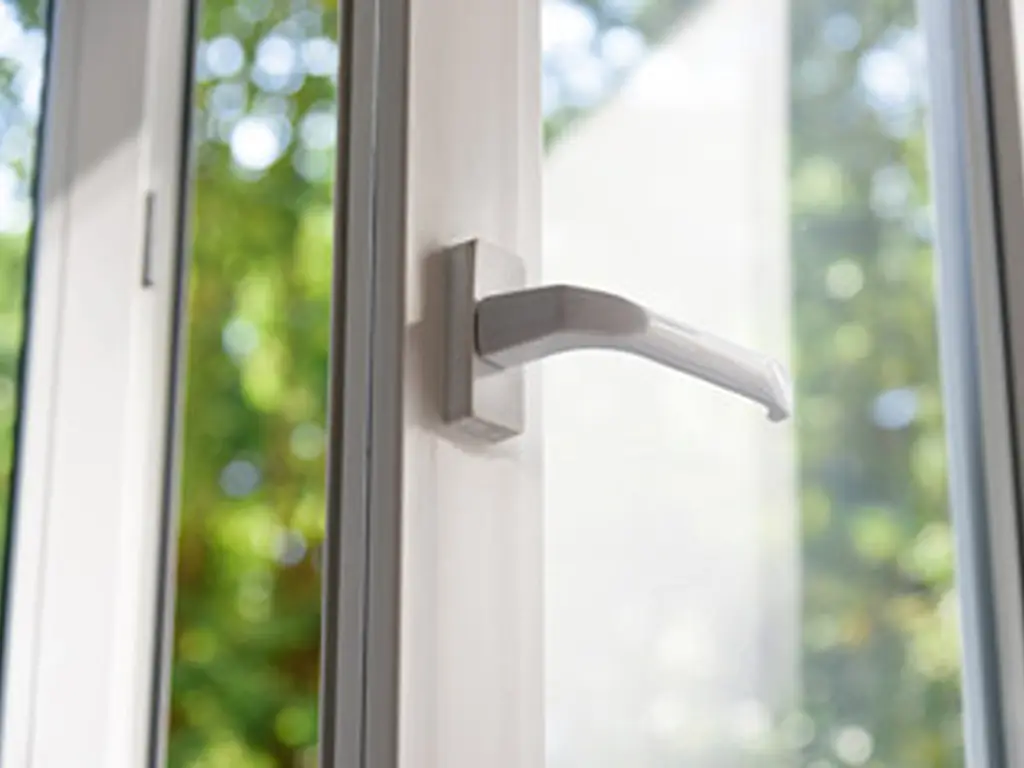
To give you a realistic starting point, here is a breakdown of average base prices for a standard-sized window (approximately 1000mm x 1000mm, standard white profile, A-rated double glazing).
| Window Style | Average Price Range (Per Window) | Best For |
| Casement Window | $250 – $450 | Standard residential builds; highly cost-effective and secure. |
| Sliding Window | $350 – $600 | Spaces where outward opening is restricted (e.g., balconies). |
| Tilt & Turn Window | $400 – $750 | Modern designs, easy cleaning from the inside, and superior ventilation control. |
| Sash Window | $450 – $800 | Heritage or period properties requiring a traditional aesthetic. |
(Note: Prices can vary based on regional manufacturing costs and specific architectural requirements. These are baseline estimates for budgeting purposes.)
Supply Only vs. Supply & Fit
When looking at quotes, it is crucial to know exactly what you are paying for. The industry typically divides pricing into two categories:
- Supply Only (Trade / B2B): This is the ex-works or delivered price of the window itself. It is the go-to option for builders, contractors, and DIY enthusiasts who have their own installation teams. If you are ordering in bulk for a development project, “Supply Only” often qualifies for significant trade discounts.
- Supply & Fit (Homeowners / B2C): This is the “turnkey” price that includes the physical windows, the removal and disposal of your old windows, professional installation, sealing, and guarantees. Labor costs typically add 40% to 60% to the base material price. If a standard casement window costs $300 to manufacture, expect to pay around $450 to $500 to have it professionally installed.
Understanding this distinction is the first step to avoiding sticker shock when the final quotes roll in.
Key Factors Affecting the uPVC Windows Price
While baseline estimates give you a starting point, no two properties are identical. When you receive a customized quote, several key variables dictate the final number on the invoice. Understanding these factors ensures you are comparing apples to apples when evaluating different suppliers.
Glazing Options (The Glass)
The glass makes up the largest surface area of your window, making it a major price determinant. Understanding the different glass types for windows will help you strike the perfect balance between cost and energy savings:
- Double Glazing (The Standard): Standard A-rated double glazing is the baseline for modern manufacturing.
- Upgraded Double Glazing (Low-E & Argon): Adding a Low-E (low-emissivity) coating and filling the gap with Argon gas will increase the price by roughly 10% to 15%, but it dramatically improves heat retention.
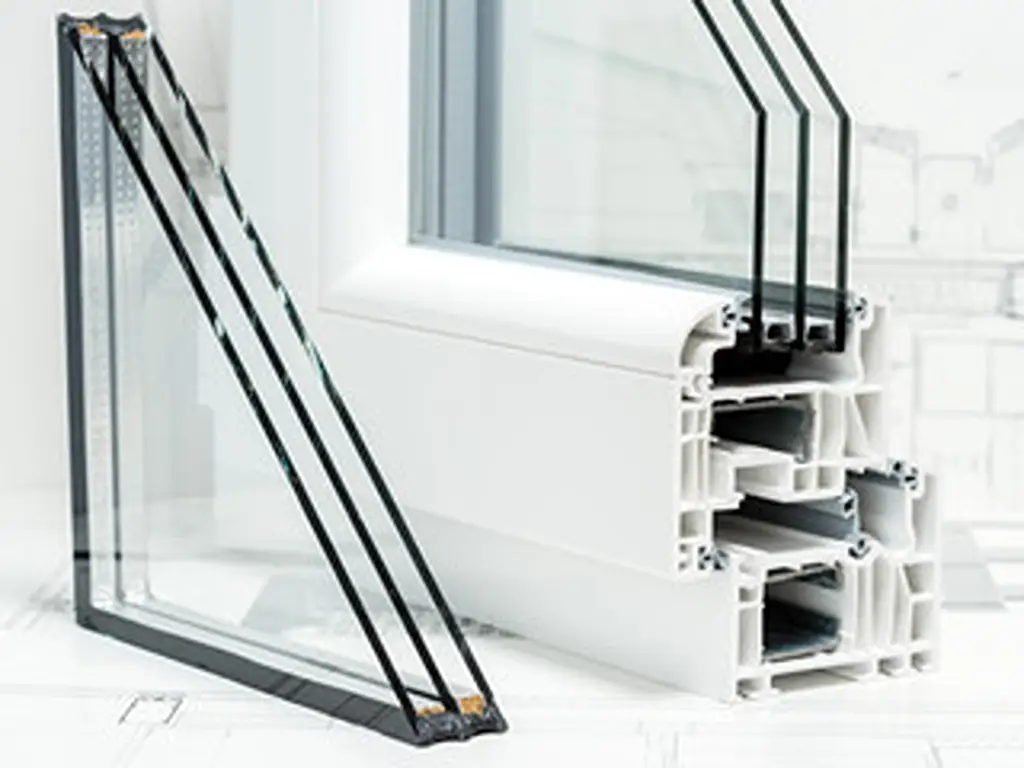
- Triple Glazing (The Premium): Adding a third pane of glass increases weight, requires a thicker profile, and pushes the price up by 25% to 40% compared to standard double glazing.
Colors and Finishes
If you want the most budget-friendly option, stick to standard white. The manufacturing process for white uPVC is highly streamlined and produced in massive volumes.
If you want to match a specific architectural style—such as Anthracite Grey for a modern extension or Rosewood woodgrain for a traditional aesthetic—expect to pay a 15% to 30% premium. These finishes are achieved by applying specialized, highly durable foils to the uPVC profile, which adds to the manufacturing time and cost.
Hardware and Security
A window is only as secure as its hardware. Upgrading from basic handles and hinges to premium, branded hardware (like Yale or Maco) will increase the cost. Furthermore, specifying multi-point locking systems and shootbolts is essential for ground-floor security and compliance with rigorous safety standards, adding a slight premium to the base price.
Size and Custom Shapes
Manufacturing a standard square or rectangular window is automated and efficient. However, if your project requires arched frames, circular windows, or oversized panes that push the structural limits of uPVC, the factory has to employ specialized bending processes and manual labor. Custom shapes can easily double the base price of a standard window.
As a true one-stop manufacturer, Hotian Windows specializes in fully customized uPVC windows tailored to your exact specifications. Whether you need unique shapes, specific colors, or premium hardware, we handle everything from design to production without the middleman markup.
Contact us today for a precise, no-obligation quoteThe Manufacturer’s Checklist: uPVC Quality & Certifications
When gathering quotes, never assume all white uPVC frames are created equal. The cheapest quote on your desk is usually omitting crucial structural components or lacks legal market compliance. If you want windows that will still look pristine and function perfectly decades from now, here are the hidden indicators you must verify before signing a contract.
The U-Value & Thermal Performance
U-value measures heat transfer—the lower the number, the better the insulation. A cheap window with a high U-value will cost you more in HVAC bills than you saved on the initial purchase.
| Window Specification | Typical U-Value (W/m²K) | Best Use Case | Estimated Price Index |
| Standard Double Glazing | 1.3 – 1.4 | Basic renovations and standard codes. | 100% (Baseline) |
| High-Performance (Low-E + Argon) | 1.1 – 1.2 | The ROI sweet spot for homeowners. | 110% – 115% |
| Premium Triple Glazing | 0.7 – 0.9 | Passive House & extreme climates. | 130% – 145% |
Structural Integrity & Material Quality
As a manufacturer, we know exactly where corners get cut on the factory floor. Here is what you need to look out for:
Profile Chambers
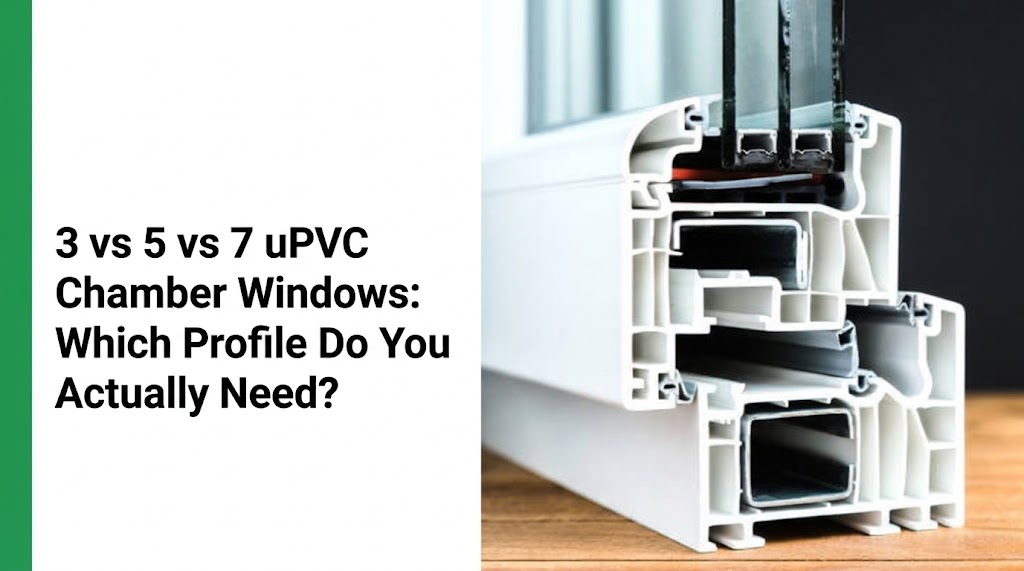
A uPVC window frame is not solid plastic; its interior is divided into hollow “chambers” that trap air for insulation and rigidity.
- The Trap: Cheap, budget-tier windows often only feature 3 chambers.
- The Standard: High-quality European-style profiles usually feature 5 to 6 chambers. While multi-chamber profiles cost slightly more to manufacture, they significantly lower the U-value and add immense structural integrity. Paying a 10% premium here is an absolute no-brainer.
- Curious about the exact differences? Check out our detailed guide on 3 vs. 5 vs. 7 uPVC chamber windows to see which configuration best suits your climate.
Galvanized Steel Reinforcement
Because uPVC is fundamentally a plastic, it can warp under extreme heat or heavy wind loads—especially on large or dark-colored frames.
- The Trap: To win price wars, unscrupulous suppliers will use ultra-thin metal or skip the internal steel reinforcement entirely.
- The Standard: Always check your quote to ensure it explicitly includes galvanized steel reinforcement inside the frames. This is the backbone of your window, guaranteeing it won’t warp, sag, or fail to close properly over the next two decades.
Class A Profiles & EPDM Gaskets
Not all uPVC is extruded to the same thickness. Class A Profiles feature an outer wall thickness of at least 2.8mm. This thicker wall means stronger corner welds and a much tighter grip for hinge screws. Cheaper Class B or C profiles will often see hinges sag after just a few years of daily use. Additionally, ask about the seals. Cheap plastic seals will shrink, crack, and leak within three years. High-quality windows use EPDM (Ethylene Propylene Diene Monomer) gaskets, which maintain their elasticity and waterproofing for decades.
UV Resistance
One of the biggest fears buyers have is that their pristine white windows will turn a dirty yellow after a few summers. Premium uPVC formulations contain high levels of Titanium Dioxide, a compound that acts as a powerful sunscreen for the plastic, preventing UV degradation and discoloration.
Essential Market Certifications
For builders, developers, and importers, window quality means nothing without market compliance. A reliable manufacturer must provide the necessary testing reports and certifications for your specific region:
- North America: Look for NFRC labels for energy ratings and AAMA certification for structural integrity.
- Europe: CE marking is legally required, while Passive House Institute (PHI) certification is the gold standard for high-end eco-builds.
- Australia & New Zealand: Products must strictly pass AS2047 testing for wind load and water penetration, especially in coastal areas.
Partnering with a fully certified manufacturer eliminates customs headaches and guarantees your project passes local building inspections the first time.
Tailored Buying Advice: Getting the Best Value
Depending on who is paying the invoice, the definition of “value” changes. Here is our tailored advice for getting the most out of your budget:
For Homeowners
When comparing quotes, do not just look at the bottom line. A quote that is 20% cheaper might mean you are getting a 3-chamber profile with no steel reinforcement and cheap rubber seals. It will cost you more in energy bills and premature replacement.
- Actionable Tip: Always ask the installer about the profile brand, the number of chambers, and look for at least a 10-year comprehensive warranty that covers discoloration and hardware failure.
For Builders, Contractors & Architects
Your priority is minimizing callbacks, protecting your margins, and ensuring building regulation compliance. Focus on Class A profiles with heavy-duty galvanized steel reinforcement and certified low U-values.
- Actionable Tip: Specifying high-quality, extruded profiles with EPDM gaskets will save you thousands in post-installation maintenance and reputational damage. Furthermore, establish a relationship with a reliable manufacturer to unlock Trade Accounts and bulk-order discounts, which can drastically reduce your unit costs without compromising on the specifications required to pass building inspections.
Conclusion & Get Your Custom Quote
Understanding the true price of uPVC windows in 2026 means looking past the initial sticker shock. It is about balancing the upfront cost against long-term energy savings, property value enhancement, and zero-maintenance durability. By knowing exactly what drives the price—from glazing and colors to hidden steel reinforcements and U-values—you are now armed to make an informed, confident purchase.
Because every property and project is unique, online price guides can only take you so far.
Don’t leave your budget to guesswork or middleman markups. As a direct manufacturer, Hotian delivers premium, certified uPVC windows tailored to your exact architectural requirements and energy goals.
Contact us today for a free, precise factory-direct quoteA: Yes. Standard white is the most cost-effective option. Custom colors or woodgrain finishes require applying specialized, durable foils, which typically increases the base uPVC windows price by 15% to 30%.
A: If you have your own installation team or are a contractor, “Supply Only” is significantly cheaper as it removes labor costs. Installation typically adds 40% to 60% to the base material cost of the window.
A: High-quality, Class A uPVC windows with galvanized steel reinforcement and EPDM gaskets can easily last 20 to 30 years with virtually no maintenance. The energy savings gained from their low U-values usually pay off the initial investment within the first few years.