Why Choosing the Right Interior Door Types Matters
Choosing the right interior door types is often the most overlooked aspect of home renovation, yet it fundamentally determines the flow of your space, your privacy experience, and the overall aesthetic quality of your home. A door with poor soundproofing can leave you plagued by household noise, while the wrong opening mechanism can make an already tight hallway feel even more cramped. In reality, an interior door is much more than a simple physical barrier; there are strict standards behind its materials, hardware, and core structure. Whether you are a homeowner meticulously selecting details for your dream house or a project manager controlling quality and costs for a commercial build, understanding the classifications and specifications of interior doors is crucial. This ultimate guide will break down everything you need to know to make the smartest investment.
Interior Door Types by Opening Mechanism
How a door opens directly affects space utilization, daily traffic flow, and the visual impact of the room. This is the first core dimension you need to confirm when planning interior doors. Below is a detailed breakdown of the 8 primary opening mechanisms available on the market today:
1. Hinged Doors
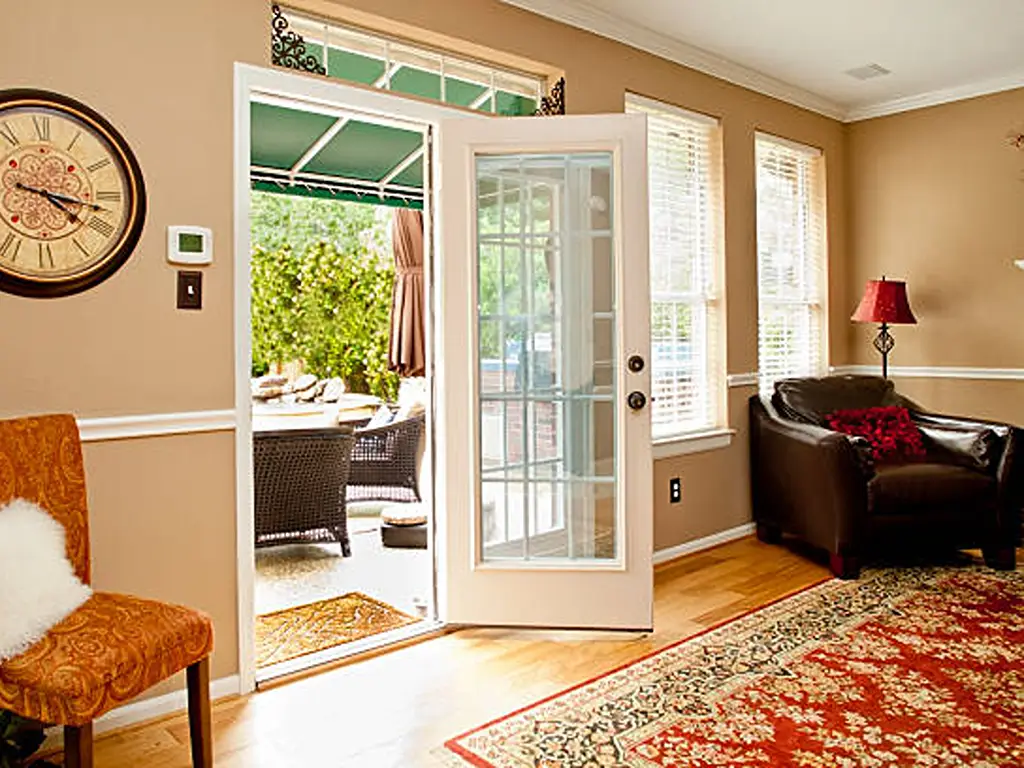
- Definition: The most traditional and widely used door type, hung on side hinges to swing inward or outward.
- Pros: Highly mature hardware, optimal sealing, superior soundproofing, and excellent budget accessibility.
- Cons: Requires a full, unobstructed swinging radius that consumes floor space.
- Best For: Bedrooms, home offices, and primary bathrooms requiring maximum sound privacy.
2. French / Double Hinged Doors
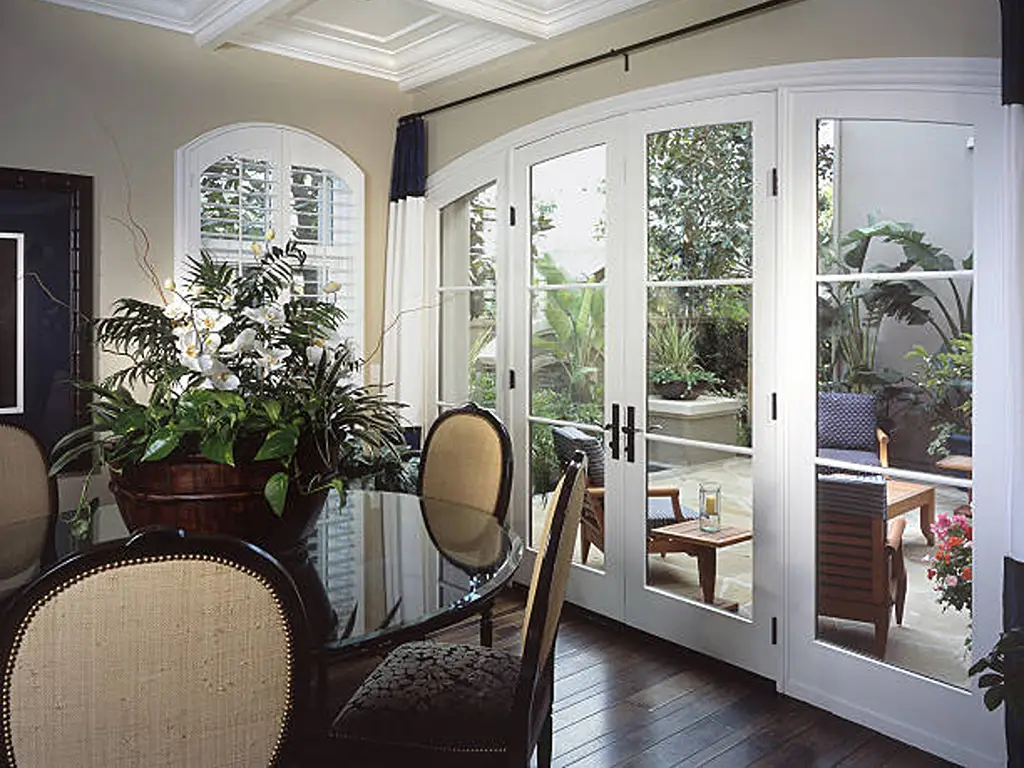
- Definition: A pair of side-hinged doors mounted in a single wide frame that open outward from the center.
- Pros: Smaller single-door clearance radius, wide traffic clearance, and adds an instant grand architectural feel.
- Cons: Requires double the opening width and higher hardware/installation costs.
- Best For: Formal dining rooms, master bedroom suites, and grand home office entrances.
3. Sliding & Pocket Doors
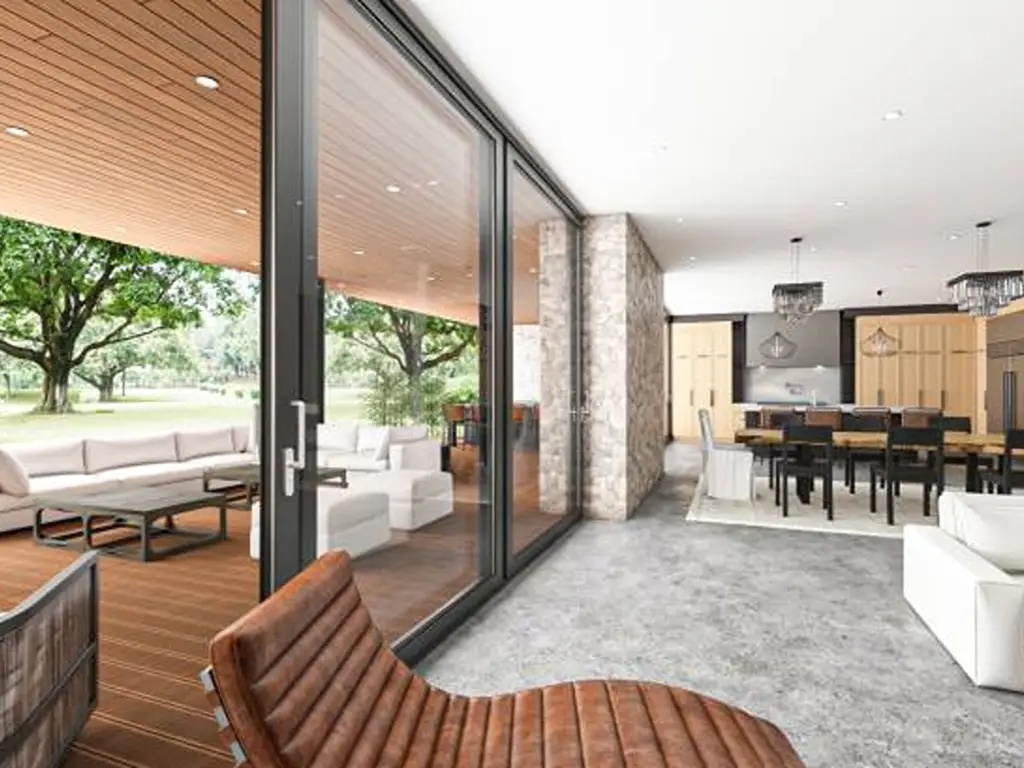
- Definition: Doors that slide parallel along a track; pocket doors slide directly into a hidden cavity inside the wall.
- Pros: Maximum floor-space savings; pocket doors offer a 100% unobstructed doorway when fully opened.
- Cons: Sliding doors permanently block half the opening; pocket doors require complex wall construction and maintenance.
- Best For: Micro-bathrooms, narrow hallways, walk-in closets, and space-constrained entryways.
4. Bifold Doors
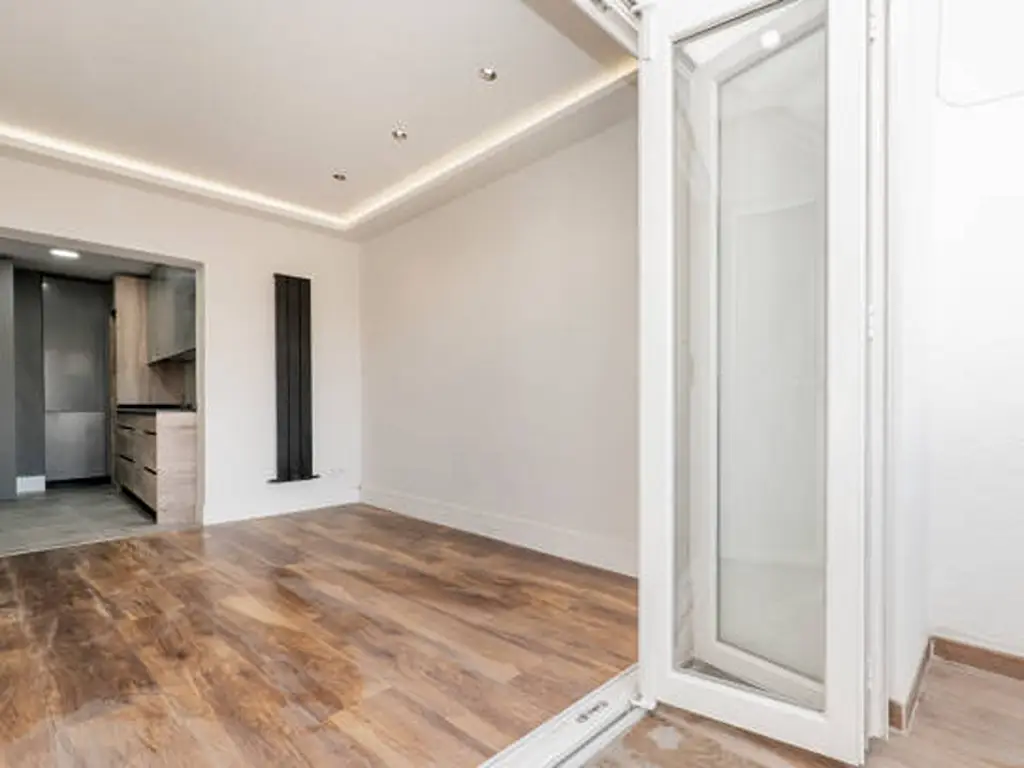
- Definition: Multi-panel doors hinged together that fold and stack neatly against one or both sides along an upper track.
- Pros: Covers wide openings without requiring large outward swinging space.
- Cons: Takes up a few inches of opening width when stacked; track hardware requires periodic alignment.
- Best For: Large bedroom closets, laundry closets, and utility rooms lacking clearance depth.
5. Barn Doors
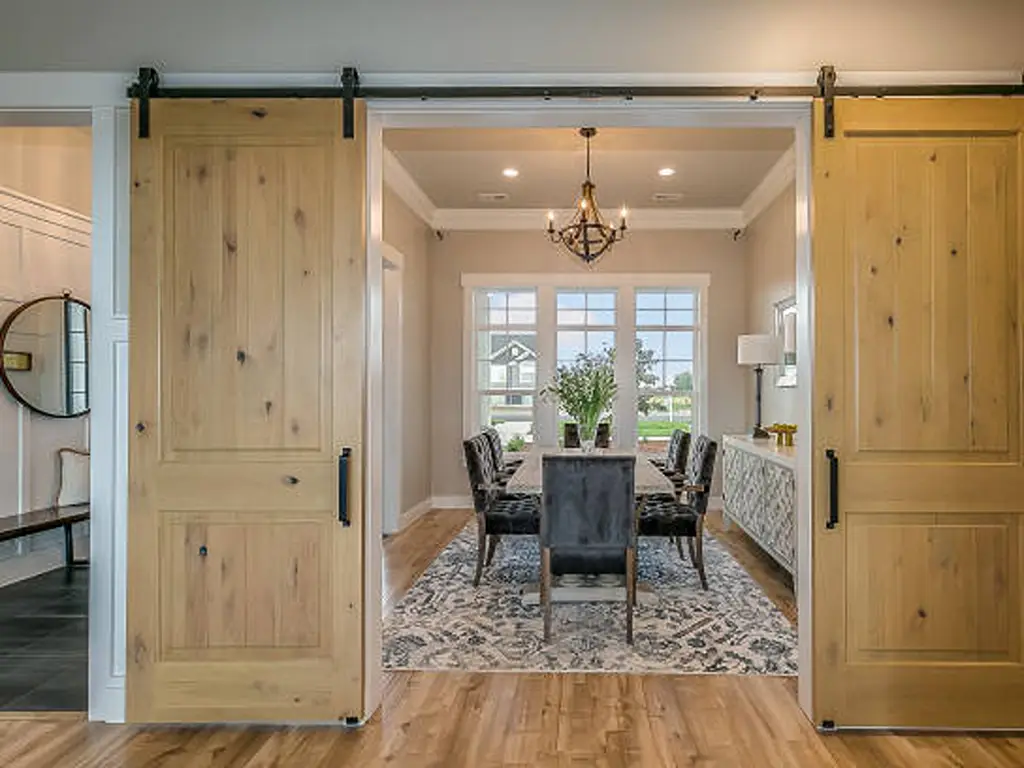
- Definition: Wall-mounted doors suspended from an exposed horizontal top track, sliding across the wall face.
- Pros: Easy installation, zero floor clearance needed, and serves as a strong decorative design feature.
- Cons: Gaps between the door and wall result in weak acoustic isolation and poor light/smoke blocking.
- Best For: Semi-private areas like pantries, living room dividers, or light-use home offices.
6. Pivot Doors
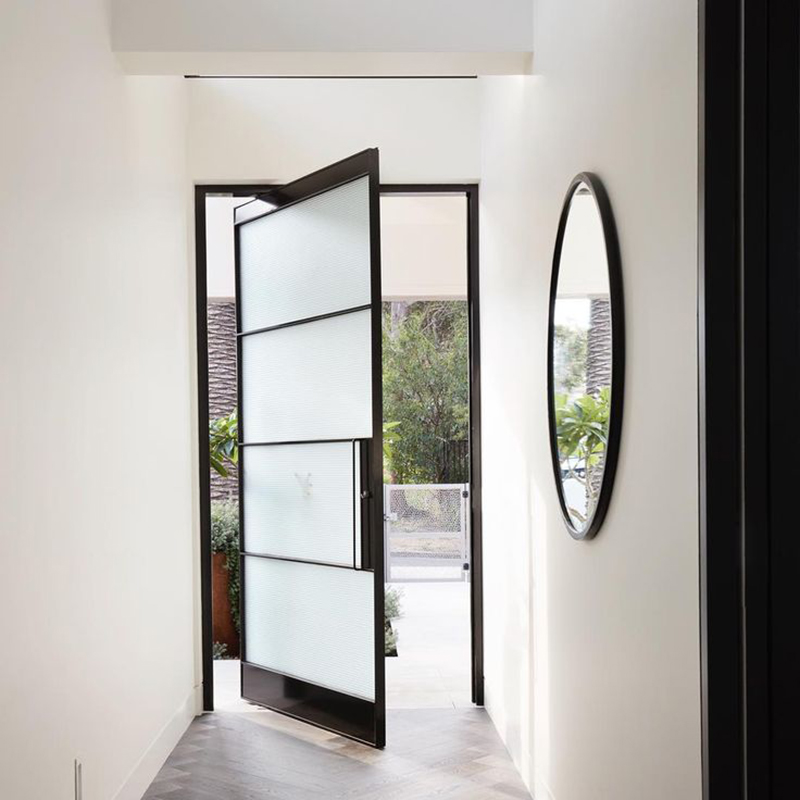
- Definition: Doors anchored by a top and bottom pivot hinge mechanism rather than traditional side-mounted hinges.
- Pros: Exceptional weight-bearing capacity for ultra-wide/heavy doors; delivers a high-end minimalist design statement.
- Cons: Expensive hardware, requires precise installation, and leaves slight air gaps around edges.
- Best For: Luxury residential penthouses, grand interior transition halls, and high-end commercial spaces.
7. Saloon / Double Swing Doors
- Definition: Self-closing doors equipped with double-action spring hinges, allowing bi-directional pushing.
- Pros: Complete “hands-free” convenience and efficient traffic flow when carrying items.
- Cons: Low acoustic sealing and limited visual privacy.
- Best For: Residential kitchen pantries, utility pass-throughs, and commercial kitchen corridors.
8. Accordion Doors
- Definition: Flexible PVC, plastic, or fabric panels with dense vertical pleats that compress when pulled open.
- Pros: Extremely low cost, lightweight, easy DIY installation, and requires no heavy door frame.
- Cons: Low durability, poor aesthetic appeal, and offers virtually zero sound or impact resistance.
- Best For: Rental property partitions, temporary space dividers, and tight budget renovations.
Interior Door Core Types and Material Comparison
The internal “core” and surface material of a door slab are the fundamental factors determining the door’s weight, soundproofing (STC rating), impact resistance, and final cost. Whether you’re a budget-conscious homeowner or an engineering manager overseeing bulk purchasing, understanding the “inside” of a door ensures you get the most bang for your buck.
Hollow Core Doors
Don’t be entirely misled by the word “hollow”; the inside is usually supported by a cardboard-like honeycomb structure, with thin wood veneer or MDF glued to the outside.
- Pros: Extremely lightweight, requires no heavy-duty hinges, easy for a single person to install, and features the lowest price tag of all door types.
- Cons: Soundproofing (STC rating usually below 20) and thermal insulation are exceptionally poor; easily damaged upon heavy impact.
- Best For: Closets, pantries, unfinished basements requiring no privacy, and ultra-low-budget flips.
Solid Core Doors
This is the king of cost-effectiveness for both residential and standard commercial projects. The interior is filled with solid particleboard, wood chips, or synthetic fibers, wrapped in a high-quality wood veneer.
- Pros: Offers the hefty feel and excellent soundproofing (STC 30+) comparable to solid wood. Because the interior is synthetic, it resists temperature and humidity changes far better than pure wood, rarely warping or cracking.
- Cons: Very heavy, usually requiring three or more heavy-duty hinges for support.
- Best For: Bedrooms, home offices, and kids’ rooms requiring high privacy and noise reduction, as well as standard commercial spaces like hotel rooms and clinics.
Solid Wood Doors
Made entirely of natural, solid wood (such as Red Oak, Walnut, Mahogany, or Pine) from the inside out.
- Pros: Features irreplaceable natural wood grain, luxurious texture, and a remarkably long lifespan, significantly boosting the resale value of a home. Excellent sound and thermal insulation.
- Cons: Highly expensive; wood breathes naturally, making it prone to swelling, shrinking, or even cracking in environments with drastic temperature and humidity fluctuations (e.g., next to poorly ventilated showers).
- Best For: Master bedrooms in luxury villas, interior entryways, and high-net-worth projects prioritizing ultimate eco-friendliness and premium aesthetics.
Hollow Core Doors vs. Solid Core Doors vs. Solid Wood Doors
| Comparison Metric | Hollow Core | Solid Core | Solid Wood |
| Budget / Price | Lowest (Highly budget-friendly) | Medium (Best value overall) | Highest (Luxury investment) |
| Soundproofing | Poor (Conversations bleed through) | Excellent (Blocks daily noise) | Excellent (Superior acoustic dampening) |
| Durability & Stability | Moderate (Prone to impact damage) | Highest (Stable core resists warping) | Moderate (Prone to moisture and temperature warping) |
| Weight & Tactile Feel | Lightweight feel; swings very easily | Heavy, solid feel with smooth motion | Natural wood texture; heavy, premium feel |
| Buying Advice | Ideal for closets, pantries, or strict budget flips; not recommended for bedrooms. | The top choice for 90% of homes; offers the best balance of performance and cost. | Best for luxury estates and high-end projects seeking authentic natural aesthetics. |
Here is the formatted content using clean H3 headings for both supplementary door materials, fixing the cut-off text in the second section while maintaining consistent Markdown bulleting for optimal scannability and SEO structure:
Medium Density Fiberboard (MDF) Doors
Pressed from wood fibers and resin under high heat, the surface of an MDF door is exceptionally smooth, completely free of the knots, pores, or seams found in natural wood.
- Pros: Extreme structural stability; won’t crack from moisture like solid wood. It is the absolute best canvas for painting solid colors (like crisp white or charcoal grey), resulting in a flawlessly even, peel-resistant finish at a great price.
- Cons: Lacks the texture and grain of natural wood (only suitable for painting or laminating); if the paint chips and the core is exposed to water for prolonged periods, it will swell and ruin.
- Best For: Modern homes planning for solid-color painted finishes, and large-scale commercial projects requiring standardized production and cost control.
Metal & Glass / Steel Doors
Utilizing ultra-narrow aluminum or steel frames paired with large panels of tempered glass, fluted glass, or textured glass, these doors completely break away from the heavy feel of traditional wooden doors.
- Pros: Offers unmatched light transmission, instantly expanding the sense of space and fixing poorly lit rooms; the material is inherently 100% waterproof and anti-corrosive, with an incredibly long lifespan and top-tier aesthetics.
- Cons: Soundproofing and privacy are relatively weak (even frosted glass only blurs visibility); glass surfaces easily show fingerprints and water spots, requiring higher maintenance.
- Best For: High-end kitchens in Modern Industrial or Minimalist styles, waterproof shower enclosures, dark bathrooms needing light, and modern office partitions.
Popular Interior Door Styles and Panel Designs
Different panel designs can seamlessly integrate into various interior design languages; this is the key to determining the “curb appeal” of your home’s interior.
- Flush Doors: The door surface is completely flat with no raised or recessed panels, offering clean, sharp lines. It is perfectly suited for modern minimalist styles, or paired with concealed hardware to create an “invisible door” that blends seamlessly into the wall.
- Panel Doors: One of the most classic door styles, featuring a frame with recessed or raised panels (usually 2 to 6 panels). It offers rich depth and dimension, making it the perfect match for American, French Country, or Traditional Classic styles.
- French / Glass Doors: Featuring wood or metal frames holding large panes of clear or frosted glass. They maximize the flow of natural daylight, making them ideal for home offices, kitchens, or dark living rooms that need a lighting boost.
How to Match Interior Doors with Home Decor
Once you’ve chosen the material and operation, the appearance of the door must align with the overall design language of your home. Here is a foolproof guide for matching doors to the 4 most popular interior design styles today:
- Modern Minimalist / Wabi-Sabi:
- Recommended: Solid-color Flush Doors or Invisible/Concealed Doors.
- The Vibe: The core is “less is more.” Ditch all casing and paneling. Ideally, color-match the door to your wall paint (e.g., low-saturation micro-cement or warm taupe), paired with matte minimalist hardware, allowing the door to vanish into the architecture.
- French Vintage / Classic Traditional:
- Recommended: Classic Multi-Panel Doors or French Glass Double Doors.
- The Vibe: Emphasizes sculpted lines and symmetry. A crisp white or deep vintage green panel door, accented with aged brass lever handles, instantly elevates the space with a sense of luxury and timeless elegance.
- Modern Farmhouse / Transitional:
- Recommended: Shaker Doors or Barn Doors.
- The Vibe: Warm and rustic without being overly fussy. The square, unadorned edges of a Shaker door are the absolute staple here, complemented by matte black hardware. Use a natural wood-tone barn door as a visual focal point for a kitchen or pantry.
- Industrial / Urban Loft:
- Recommended: Ultra-narrow Metal & Glass Doors or Rough Solid Wood Plank Doors.
- The Vibe: Highlights the raw tension of materials. A black steel frame with expansive fluted glass not only keeps the space airy but also perfectly echoes exposed brick walls and concrete floors.
Room-by-Room Interior Door Selection Guide
Different functional zones have vastly different requirements. Apply the following formulas to avoid common buying mistakes:
- Bedrooms & Home Offices (Core Need: Quiet & Privacy): Without hesitation, choose Solid Core Hinged Doors. Their superior soundproofing guarantees sleep and work quality, while the hinged operation provides the tightest seal.
- Bathrooms (Core Need: Waterproofing & Light): Recommend Metal-framed Frosted/Fluted Glass Doors or strictly moisture-treated Solid Core doors. Frosted glass guarantees absolute privacy while pulling in outside light to cure a dark bathroom. For micro-bathrooms, a Pocket Door is the best tool to free up internal footprint.
- Walk-in Closets & Laundry Rooms (Core Need: Space-saving & Ventilation): Louvered Bifold Doors are the optimal solution. The folding action keeps hallway space clear, and the louvered slats ensure 24/7 airflow, preventing musty clothes or mold.
- Kitchens (Core Need: Blocking Grease & Visual Flow): Opt for Ultra-narrow Glass Sliding Doors or Glass Hinged Doors. Large glass panels maintain visual continuity with the dining/living area while firmly locking in cooking smoke and odors. (Note: Because barn doors leave a gap at the wall, they cannot block odors and are only recommended for light-cooking spaces or pantries.)
- Pantries (Core Need: Maximum Efficiency): Recommend Saloon/Double Swing Doors or Pocket Doors. When your hands are full of groceries, a double-swing door that you can simply bump open drastically improves kitchen workflow.
Commercial Interior Door Specs: STC and Fire Ratings
If you have strict quality requirements for your space, or if you are purchasing in bulk for a commercial project ensuring compliance and seamless delivery, the following professional metrics are indispensable:
- STC Rating (Sound Transmission Class): This is the hard metric for a door’s acoustic performance. A standard hollow core door hovers around an STC of 20, while high-quality solid core or specialized acoustic doors can reach 30-35 or higher. For highly sensitive areas like master bedrooms, home theaters, hotel rooms, or boardrooms, specifying an STC number is the only way to guarantee soundproofing.
- Fire-Rated Standards: For multi-family apartments, doors connecting the garage to the house, and various public commercial spaces, doors must possess fire-retardant capabilities. Standard fire-rated doors typically offer limits of 20, 45, 60, or 90 minutes. When sourcing, you must ensure they carry valid fire labels (such as UL certification) to comply with local building codes.
- Pre-hung vs. Slab Doors:
- Pre-hung: The door slab comes already attached to its frame with hinges pre-installed. Though bulky to ship, it drastically reduces on-site installation difficulty and labor costs, making it the top choice for new builds or bulk commercial installations.
- Slab: Just the door itself, without a frame or hardware cutouts. Perfect for replacement projects where the existing door frame is still perfectly square and intact.
Navigating through STC ratings, UL fire-rated certifications, and ADA compliance can be complex. If you need precise physical samples, full CAD drawings, or tailored specification sheets for your commercial or residential project, our team is here to assist you.
Frequently Asked Questions (FAQ)
Q1: What is the main difference between hollow core and solid core interior doors? Hollow core doors use a honeycomb cardboard interior, making them lightweight, affordable, but poorly soundproofed. Solid core doors are filled with composite wood fibers, offering superior sound transmission resistance (STC 30+), heavy durability, and excellent warp protection—making them ideal for bedrooms and quiet offices.
Q2: Are fire-rated doors required for residential interior spaces? Generally, standard interior rooms do not require fire-rated doors. However, local building codes usually mandate a 20-minute to 90-minute fire-rated door between the house and an attached garage, or within multi-family residential hallways, to slow flame spread and smoke leakage.
Q3: Which interior door materials are best suited for humid bathrooms? Metal and glass doors or water-resistant Medium Density Fiberboard (MDF) with sealed edges are best for bathrooms. Pure solid wood absorbs moisture and can warp over time, whereas treated solid core or metal-glass composites withstand high humidity and temperature fluctuations effortlessly.
Q4: How do I decide between buying pre-hung doors and slab doors? Choose pre-hung doors for new construction or full renovations; they include the frame and hinges, saving significant installation time. Choose slab doors if your existing frame is square and intact, allowing you to replace only the door panel while keeping costs lower.
Conclusion
Choosing interior doors is never a “one-size-fits-all” task. From planning the swing vs. slide traffic flow and balancing the budget with solid vs. hollow cores, to evaluating professional STC and fire ratings—every decision impacts the living experience and project quality for decades to come. As long as you pinpoint the core needs of each room and align them with the correct technical specs, you will easily find the perfect option that marries form and function.