Einführung
Um eine Tür effektiv zu schalldämmen, benötigt man dichte Kernmaterialien für die nötige Masse und luftdichte Dichtungen, damit kein Schall durch Spalten dringt. Allerdings sind nicht alle Schalldämmungsprojekte gleich.
Wenn Sie als Bauunternehmer, Bauträger oder Türenhersteller nach Materialien mit hohem Schalldämmwert für ein gewerbliches Projekt suchen, liegt der Schlüssel in der inneren Kernkonstruktion und dem Akustikglas. Wenn Sie als Hausbesitzer oder Mieter eine bestehende Tür modernisieren möchten, sollten Sie sich auf die nachträglich angebrachten Dichtungsmaterialien konzentrieren.
In diesem umfassenden Leitfaden erläutern wir detailliert die benötigten Materialien für die Herstellung und Nachrüstung und helfen Ihnen so, die perfekte Akustik zu erzielen.
Kernmaterialien für Türen – Die Grundlage für eine Fertigung mit hohem Schalldämmwert
Die akustischen Eigenschaften einer Tür werden grundlegend durch das Massengesetz der Schallphysik bestimmt: Je schwerer und dichter das Material, desto schwieriger ist es für Schallwellen, es zu durchdringen. Für die industrielle Fertigung ist die Auswahl des richtigen Kernmaterials der erste und wichtigste Schritt.
Die Wissenschaft der Schalldämmung: Masse und Dämpfung
Die akustischen Eigenschaften einer Tür werden im Wesentlichen durch zwei Prinzipien der Schallphysik bestimmt:
- Das Massengesetz: Je schwerer und dichter ein Material ist, desto schwieriger ist es für Schallwellen, es zu durchdringen. Leichte Türen vibrieren leicht und übertragen den Schall auf die andere Seite.
- Schwingungsdämpfung: Während Masse den Luftschall dämpft, wirken Dämpfungsmaterialien (wie PVB in Akustikglas oder MLV im Kern) als Stoßdämpfer, die akustische Energie dissipieren und verhindern, dass strukturelle Schwingungen durch das Türblatt übertragen werden.
Technischer Fallstrick: Schallabsorption vs. Schalldämmung
Ein häufiger Fehler unerfahrener Handwerker ist es, Standardtüren mit Akustikschaum oder leichtem Fiberglas auszustopfen, in der Hoffnung, dadurch den Lärm zu dämpfen. Das wird nicht der Fall sein. Materialien wie Akustikschaum oder Standard-Polyurethan-Dämmstoffe sind für Folgendes konzipiert: Schallabsorption (Reduzierung von Echos) innen ein Zimmer). Um wahre Schallisolierung (Um zu verhindern, dass Lärm in einen Raum eindringt oder ihn verlässt), müssen Sie auf dichte, schwere Kernmaterialien zurückgreifen.
Entscheidungsmatrix für kommerzielle Kernmaterialien
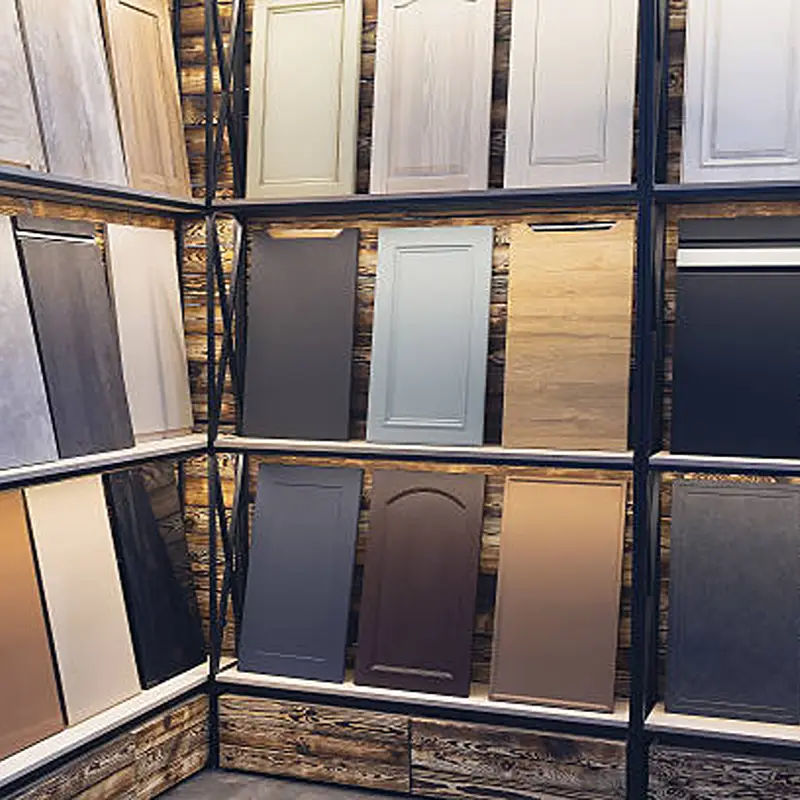
Für Bauunternehmer, Architekten und Projektentwickler ist die Balance zwischen Schalldämmwerten (STC-Werten), Projektbudgets und der Langlebigkeit der Beschläge entscheidend. Hier finden Sie eine umfassende Vergleichsmatrix gängiger Industrietürkerne, die Ihnen bei Ihrer Entscheidung helfen soll:
| Kernmaterial | Akustische Leistung | Dichte & Gewicht | Vor- und Nachteile der Fertigung | Ideale technische Anwendung |
|---|---|---|---|---|
| Wabenstruktur / Hohlkern | Schlecht (STC 20-25) | Sehr leicht |
| Standard-Innentüren für Wohnhäuser |
| aus massivem Holz | Gut (STC 30-38) | Mittelhoch |
| Luxuswohnungen, repräsentative Büros |
| MDF / HDF (Vollkern) | Gut (STC 30-35) | Hoch (Schwer) |
| Außenflächen für akustische Verbundtüren |
| Röhrenförmige Spanplatte | Ausgezeichnet (STC 32-40) | Mittel (60% leichter) |
| Hotels, Krankenhäuser, Luxuswohnungen |
| Verbunddämpfungskern | Hervorragend (STC 45-55+) | Extrem hoch |
| Tonstudios, Theater, sichere Besprechungsräume |
Während die obige Matrix einen klaren Überblick bietet, wollen wir uns nun eingehender mit den physikalischen und fertigungstechnischen Vorteilen der wichtigsten Optionen befassen:
Wabenstruktur / Hohlkern
Waben- oder Hohlkerntüren, die häufig in Standard-Innentüren für Wohnhäuser zu finden sind, stellen die denkbar schlechteste Option für die Schalldämmung dar. Die inneren Luftkammern wirken wie ein Resonanzkörper (der sogenannte “Trommeleffekt”) und verstärken Schallwellen, anstatt sie zu dämpfen. Obwohl sie extrem leicht und kostengünstig sind, bieten sie praktisch keine Schalldämmung und sollten in gewerblichen Projekten unbedingt vermieden werden.
Massivholz & Holzwerkstoffe
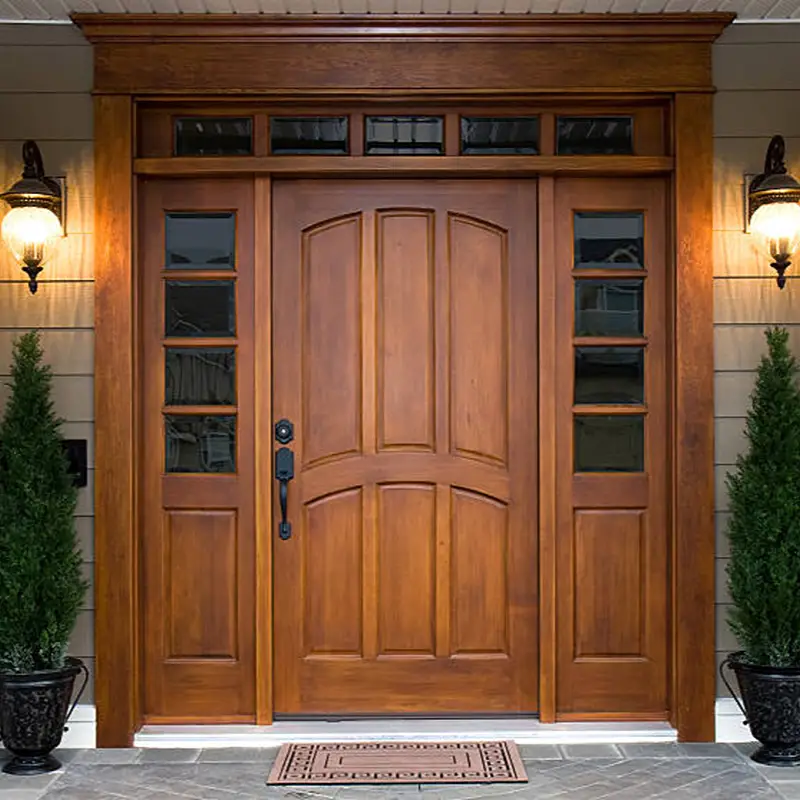
Hochdichte Harthölzer oder Massivholzverbundwerkstoffe bieten die nötige Masse, um die Schallübertragung zu blockieren – im Gegensatz zu Türen mit Hohlkern. Während traditionelles Massivholz eine hervorragende natürliche Schalldämmung bietet, wird im modernen Gewerbebau häufig Holzwerkstoff bevorzugt, da er dem Verziehen, das Naturholz häufig begünstigt, widersteht und so dauerhaft eine stabile Schalldämmung und Luftdichtheit gewährleistet.
MDF / HDF (Vollkern)
Mitteldichte Faserplatte (MDF) wird aufgrund ihrer gleichmäßigen Dichte, die Schallwellen effizient dämpft, häufig für schalldämmende Türen verwendet. Ein massiver MDF-Block würde die Tür jedoch übermäßig schwer machen und die Beschläge stark belasten. Stattdessen dient MDF als hervorragende Außenschicht (Verkleidung), die andere Dämpfungsmaterialien umschließt und so eine glatte, schwere und resonanzfreie Oberfläche bildet.
Röhrenförmige Spanplatte
Wie die Matrix zeigt, ist die Hohlkammerplatte der Goldstandard für großflächige Gewerbeprojekte. Die einzigartige Hohlkammerstruktur der Platte bewirkt, dass Schallwellen reflektiert werden und dabei Energie verlieren. Zudem reduziert sie das Gesamtgewicht des Türblatts erheblich und verhindert so, dass selbst hochbelastbare Scharniere auch nach jahrelanger starker Beanspruchung durchhängen. In Kombination mit fachgerechter Kantenanleimung und Dichtungen ist dieser Kern die kostengünstigste Lösung für eine hohe Stabilität. STC 38-Bewertung bei großen Hotel- und Apartmentprojekten.
Verbunddämpfungskern (MDF + MLV + MDF)
Um die STC-Werte für Tonstudios oder Sicherheitsräume auf extreme Werte (STC 45 – 55+) zu steigern, setzen die Hersteller auf hochentwickelte Verbundstrukturen. Diese Kerne umschließen spezielle interne Dämpfungsschichten zwischen dicken MDF-Platten.
- Mineralwolle & Akustikglaswolle: Wird als Füllmaterial im Kern von schweren Metalltüren oder akustischen Türen für den gewerblichen Bereich verwendet, um interne Echos zu absorbieren und Vibrationen zu dämpfen.
- Mass-Loaded Vinyl (MLV): Eine dichte, flexible Membran wurde in die inneren Schichten eingearbeitet, um niederfrequente Geräusche zu blockieren, ohne dabei übermäßig viel Volumen hinzuzufügen.
Akustikglas und Sichtfenster – Die Schwachstelle überwinden
Ein massives Türblatt ist nutzlos, wenn es Standardglas enthält. Bei Fenstertüren, Schiebetüren und Sichtfenstern ist Glas traditionell der wichtigste Faktor für die Schalldämmung. Um zu verhindern, dass Glas die Gesamtbewertung Ihrer Tür beeinträchtigt, müssen Sie die richtige Konstruktion wählen.
Arten von Akustikglas: Welches Glas bietet den besten Klang?
Nicht alle Mehrscheibenverglasungen sind für die Schalldämmung geeignet. Das Verständnis des Unterschieds zwischen Wärmedämmung und Schalldämmung ist entscheidend für den Projekterfolg:
- Verbundglas (Der Akustik-Champion): Beinhaltet eine widerstandsfähige PVB (Polyvinylbutyral) oder Akustikzwischenschicht Eingeschlossen zwischen zwei Glasscheiben, wirkt diese Zwischenschicht wie ein unsichtbarer Stoßdämpfer und reduziert Vibrationsenergie erheblich. Sie ist unübertroffen in der Dämpfung hartnäckiger Vibrationen. niederfrequentes Rauschen (starker Verkehr, Motorenlärm und strukturelle Erschütterungen).
- Standard-Isolierglas (Doppelverglasung): Hervorragend für die Wärmespeicherung, weist gewöhnliche luftgefüllte Doppelverglasung oft eine “Koinzidenzdelle” (Resonanzdelle) auf, durch die bestimmte niederfrequente Schallwellen leicht hindurchgelangen.
- Verbundisolierglas (Die ultimative Lösung): Die Kombination einer Verbundglasscheibe mit einem Luftzwischenraum und einer zweiten Glasscheibe stellt die höchste Leistungsstufe dar, da sie gleichzeitig ein breites Spektrum an akustischen Frequenzen blockiert und eine optimale Wärmedämmung bietet.
Asymmetrische Verglasung zur Resonanzunterbrechung
Hochwertige Akustiktüren nutzen asymmetrische Verglasung. Wenn zwei Glasscheiben die gleiche Dicke aufweisen (z. B. 5 mm + 5 mm), schwingen sie mit derselben Resonanzfrequenz, wodurch bestimmte Schallfrequenzen durchdringen können. Durch die Kombination ungleicher Dicken (z. B. 6 mm Verbundglas + 4 mm monolithisches Glas) heben sich die Resonanzschwächen der einzelnen Scheiben auf, was zu deutlich höheren Schalldämmwerten führt.
Präzisions-Luftkammern und Gasfüllungen
Bei Außenglastüren ist die Breite des Zwischenraums zwischen den Scheiben entscheidend. Ein optimaler Luftspalt (typischerweise 12 bis 16 mm) in Kombination mit einer Argon-Gasfüllung sorgt für eine hervorragende Schalldämpfung und gleichzeitig für eine ausgezeichnete Energieeffizienz.
Planung eines Gewerbeprojekts mit Akustikglas und -türen? Während handelsübliche Glasscheiben bei Akustikprüfungen schnell durchfallen, erfordert eine überlegene Schalldämmung präzise Konstruktionstechnik. Hotian Windows, Unsere maßgefertigten Schallschutztüren sind Entwickelt, um eine zertifizierte STC-38-Bewertung zu erreichen. Durch die präzise Kombination von speziell entwickelten Vollkernen mit hochleistungsfähigem, asymmetrischem Akustikglas helfen wir Bauunternehmen und Projektentwicklern, strenge Projektvorgaben mit werkseitiger Zuverlässigkeit zu erfüllen.Für Großbestellungen wenden Sie sich bitte an unsere Ingenieure.
Abdichtungs- und Oberflächenmaterialien – Nachträgliche Reparaturen & Heimwerkerlösungen
Wenn Sie bereits eine stabile Tür haben, sollten Sie als Nächstes die Spalten abdichten. Selbst ein Spalt von nur 11 TP6T um den Türrahmen kann 501 TP6T Lärm eindringen lassen.
Perimeterabdichtung: Dichtungsbänder & Türdichtungen
Um zu verhindern, dass Schall an den Kanten austritt, sind hochwertige Dichtungen unerlässlich. Neoprenkautschuk und eloxiertes Aluminium werden häufig für verstellbare Türdichtungen und Türdichtungen verwendet, um bei geschlossener Tür einen vollständig luftdichten Abschluss zu gewährleisten. Automatische Falldichtungen (die beim Schließen der Tür eine Neoprendichtung auf den Boden absenken) sind sehr empfehlenswert, um den unteren Spalt abzudichten, ohne Reibung am Boden zu verursachen.
Oberflächenschallabsorption
Aufputzplatten (wie hochdichtes Polyester oder Akustikschaum) absorbieren Echos und mittlere bis hohe Frequenzen im Raum, wobei das Abdichten der Fugen weiterhin unerlässlich ist. Denken Sie daran: Diese Oberflächenmaterialien Verbesserung der Klangqualität innerhalb des Raumes, aber sie verhindern nicht, dass laute Geräusche eindringen.
Ein schneller Tipp für absolute Stille im Raum:Das Abdichten von Türspalten ist nur die halbe Miete für ein ruhiges Zimmer. Bei vielen Sanierungsprojekten sind auch die vorhandenen Fenster für Lärmbelästigungen verantwortlich. Wenn Sie nach praktischen Möglichkeiten suchen, Ihre Fenster abzudichten und zu verbessern, ohne sie komplett auszutauschen, schauen Sie sich unseren ausführlichen Ratgeber an. wie man Fenster schalldicht macht.
Urteil & Empfehlungen – Optimierung Ihres STC-Ratings
Für Türenhersteller, gewerbliche Bauunternehmen und Hausbesitzer hängt die Wahl der richtigen Materialkombination vollständig von der angestrebten Schalldämmklasse (STC) und dem Budget des jeweiligen Projekts ab.
1. STC 30 – 35 (Standard für Gewerbe und Wohnen)
Eine Massivholztür oder eine Standard-MDF-Tür reicht in der Regel für grundlegende Privatsphäre in normalen Wohnhäusern oder als einfache Bürotrennwand aus. Wenn Sie bereits eine Massivholztür besitzen, können Sie diesen Standard durch die Anbringung eines hochwertigen Dichtungssets erreichen.
2. STC 38 – 40 (Premium-Hotels & Luxusapartments)
Dies ist der optimale Bereich für hochwertige Gewerbeprojekte. Um einen stabilen STC-Wert von 38 zu erreichen, ist eine hohe Qualität erforderlich. Röhrenförmige Spanplatte In Kombination mit fachgerechter Kantenverarbeitung und asymmetrischem Akustikglas bietet diese Lösung die beste Rentabilität (ROI) für die Serienfertigung und vereint hervorragende Schalldämmung mit langer Lebensdauer der Bauteile.
3. STC 45 – 50+ (Tonstudios & Sicherheitsräume)
Um diese extremen Dämpfungswerte zu erreichen, sind aufwendig konstruierte Verbunddämpfungsstrukturen erforderlich, die MDF- und MLV-Platten sowie teilweise Bleiauskleidungen kombinieren. Diese benötigen hochbelastbare, verstärkte Rahmen und sind für den üblichen gewerblichen Einsatz in der Regel überdimensioniert.
Der “Holzfass”-Effekt: Warum Dichtungen die Leistung bestimmen In der Akustiktechnik funktioniert eine Tür nach dem “Holzfass-Effekt” – ihre Gesamtleistung ist nur so gut wie ihr schwächstes Glied. Man kann zwar ein hochdichtes Türblatt mit einem Schalldämmwert von STC 45 herstellen, aber wenn der Rahmen keine hochwertigen Dichtungen und automatischen Falldichtungen aufweist, dringt der Schall ungehindert durch die millimetergroßen Spalten. Eine wirklich akustische Tür ist ein komplettes System: ein dichter Kern, schalldämmendes Glas und eine luftdichte umlaufende Abdichtung.
Häufig gestellte Fragen
Kann ich eine Hohlkerntür schalldämmen?
Nein, nicht effektiv. Hohlkerntüren wirken wie Resonanzkörper und verstärken Geräusche. Zwar dämpft das Anbringen von Dichtungsbändern die hochfrequenten Töne etwas, doch die Tür selbst besitzt nicht die nötige Masse, um laute Geräusche effektiv zu dämpfen. Für eine wirkliche Schalldämmung muss die Tür durch eine Vollkern- oder Rohrkerntür ersetzt werden.
Verhindert Akustikschaumstoff das Eindringen von Lärm durch eine Tür?
Nein. Akustikschaumstoff ist zur Schallabsorption konzipiert, d. h. er reduziert Echos und Nachhall in einem Raum. Er besitzt nicht die Dichte oder Masse, die für eine Schalldämmung (das Blockieren des Eindringens oder Austretens von Geräuschen) erforderlich ist. Um Schall zu dämmen, benötigt man schwere Kernmaterialien und luftdichte Abdichtungen am Rand.
Welcher Schalldämmwert (STC) ist für eine Gewerbetür empfehlenswert?
Für Standardbürotrennwände oder einfache Wohnhaustüren ist ein Schalldämmwert (STC) von 30 bis 35 in der Regel ausreichend. Für Premiumhotels, Luxusapartments und Chefetagen, wo Privatsphäre höchste Priorität hat, liegt der optimale Wert jedoch bei 38 bis 40, da er ein hervorragendes Verhältnis zwischen hoher Schalldämmung und Wirtschaftlichkeit in der Herstellung bietet.
Warum lässt meine Massivholztür immer noch Lärm durch?
Wenn Sie eine massive Holztür haben und trotzdem Lärm hören, erleben Sie den sogenannten “Flankeneffekt”. Schall breitet sich wie Wasser aus und dringt immer den Weg des geringsten Widerstands. Selbst ein kleiner Spalt von 11 µm um den Türrahmen kann 50 µm Lärm durchlassen. Um eine luftdichte Abdichtung zu erreichen, benötigen Sie hochwertige Neopren-Dichtungsbänder und eine automatische Türdichtung.
Ist Doppelverglasung oder Verbundglas besser für die Schalldämmung?
Verbundglas bietet deutlich bessere Schalldämmung. Standard-Doppelverglasung (Isolierglas) ist zwar wärmedämmend, dämpft aber oft niederfrequente Geräusche wie Verkehrslärm nur unzureichend. Verbundglas enthält eine PVB-Schalldämmschicht, die Schallschwingungen aktiv dämpft und es daher zur idealen Wahl für Glastüren mit hohem Schalldämmwert macht.
Fazit: Das vollständige Akustiksystem
Der Bau einer wirklich schalldichten Umgebung erfordert niemals die Verwendung eines einzigen “Wundermaterials”. Wie wir in diesem Leitfaden erläutert haben, ist eine leistungsstarke Akustiktür ein präzise konstruiertes System, das das harmonische Zusammenspiel dreier entscheidender Komponenten erfordert:
- Die Messe: Ein dichter, verzugsfreier Kern (wie z. B. Spanplatten oder Konstruktionsholz) zur Verhinderung der Übertragung von Luftschall.
- Die Dämpfung: Asymmetrisches oder laminiertes Akustikglas zur Absorption niederfrequenter Schwingungen und zur Vermeidung von Resonanz.
- Das Siegel: Luftdichte Dichtungsbänder und Falldichtungen verhindern das Eindringen von Fremdkörpern entlang des Umfangs.
Durch das Verständnis der physikalischen Prinzipien von Masse und Dämpfung können Bauunternehmer und Projektentwickler kostspielige Konstruktionsfehler vermeiden und die exakten Materialien festlegen, die erforderlich sind, um die angestrebten STC-Werte zu erreichen.
Ihr Partner für gewerbliche Akustik
Hotian Wir arbeiten direkt mit Ingenieurbüros, Bauunternehmen und Projektentwicklern zusammen, um leistungsgeprüfte Akustiklösungen in großem Umfang zu liefern. Der Projekterfolg hängt von einer gleichbleibend hohen Fertigungsqualität ab – und so garantieren wir diese:
- Bewährte akustische Leistung: Unsere zertifizierten Türen mit einem Schalldämmwert von STC 38 setzen den Standard für den gewerblichen Bereich. Individuelle Schalldämmwerte sind erhältlich, um Ihren genauen Spezifikationen gerecht zu werden.
- Direkt vom Hersteller & flexible Mindestbestellmenge: Umgehen Sie die Aufschläge der Zwischenhändler. Wir bieten wettbewerbsfähige Preise direkt ab Werk und unterstützen Projekte jeder Größenordnung.
- ±0,5 mm Schnittgenauigkeit: Modernste Produktionslinien gewährleisten eine einwandfreie Installation vor Ort und perfekte, luftdichte Akustikdichtungen.
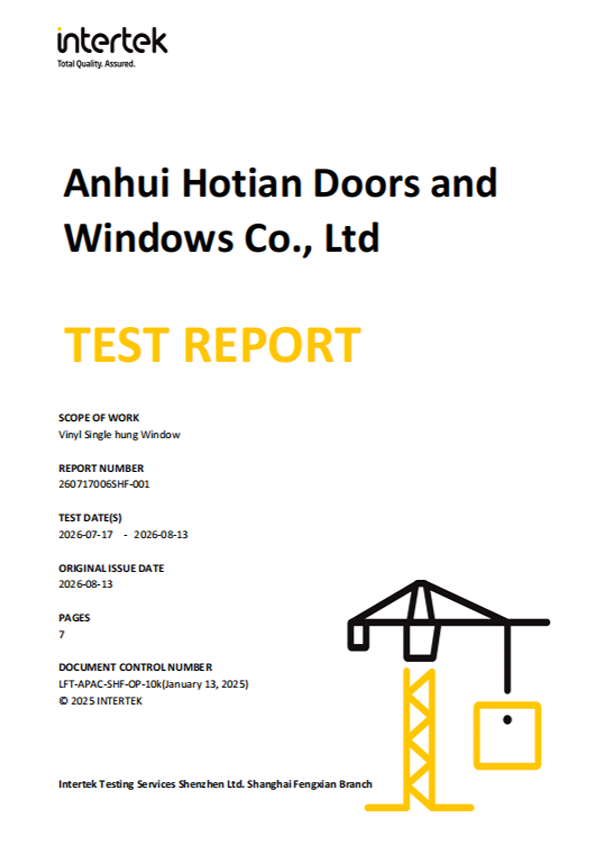
- Globale Standardzertifizierungen: Streng geprüfte Qualität, auf die Sie vertrauen können, vollständig konform mit strengen internationalen Bauvorschriften (NFRC, CE, AS2047).
Umfassende Projektunterstützung: Von der ersten Akustikberatung und der Erstellung individueller CAD-Zeichnungen bis hin zur globalen Logistik und Installationsberatung steht Ihnen unser Ingenieurteam in jeder Phase Ihres Projekts zur Seite.