Einführung
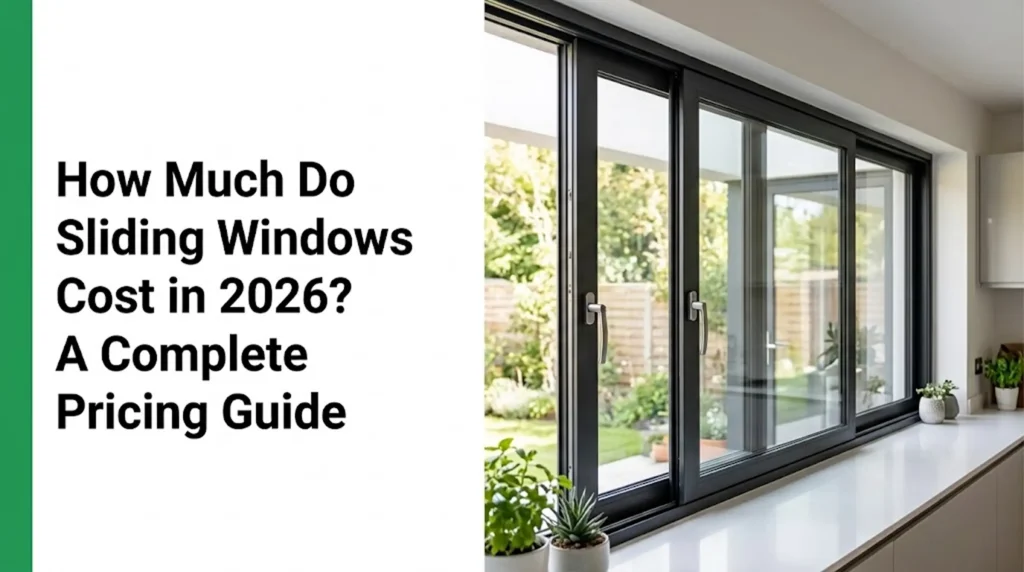
Der Umbau auf seitlich angeschlagene Drehkippfenster ist eine hervorragende Möglichkeit, die Energieeffizienz Ihres Hauses zu steigern und einen ungestörten Ausblick zu genießen. Doch bevor Sie mit Ihrer Renovierung beginnen, haben Sie wahrscheinlich eine wichtige Frage: Was kostet ein durchschnittliches Drehkippfenster? Preis für DrehkippfensterIn diesem Preisleitfaden für 2026 erklären wir Ihnen alles Wissenswerte – von Materialvergleichen über Arbeitskosten bis hin zu versteckten Installationskosten – damit Sie perfekt budgetieren können.
Was kosten Drehkippfenster?
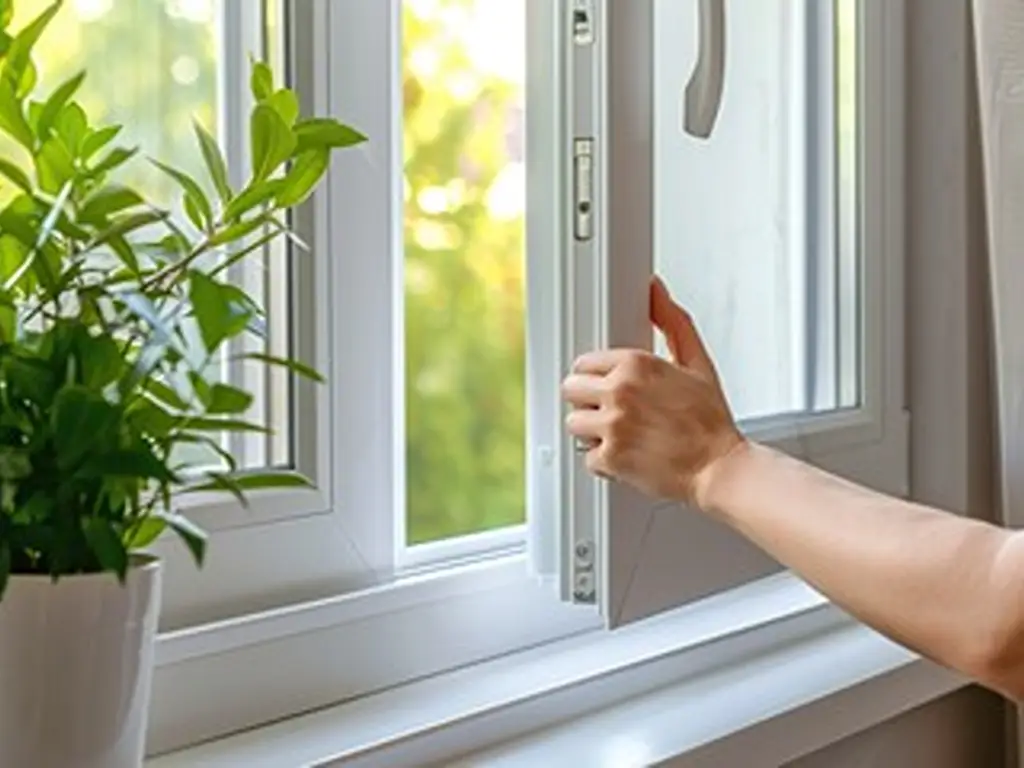
Für Hausbesitzer, die eine schnelle Antwort suchen, liegt der Durchschnitt Flügelfenster Die Preisspannen umfassen $350 bis $1200 pro Fenster, vollständig installiert (oder $250 bis $850 nur für Materialien). Da diese Fenster jedoch sehr individuell anpassbar sind, hängt die endgültige Rechnung von Ihren spezifischen Bedürfnissen und Designwünschen ab.
Eine budgetfreundliche Ausführung ($350 – $600 installiert) umfasst in der Regel Standard-Vinylrahmen in Weiß, Doppelverglasung mit Wärmeschutzbeschichtung (Low-E) und einfache Kunststoffbeschläge. Sie ist daher eine kostengünstige Wahl für alltägliche Modernisierungen, Mietobjekte oder zur Maximierung der Energieeinsparung. Eine Premium-Ausführung ($1200 – $2500+) hingegen verwendet hochwertige Materialien wie aluminiumverkleidetes Holz oder schwarzes Fiberglas, Dreifachverglasung, maßgefertigte Sprossen und hochwertige Metallbeschläge. Diese Premium-Konfigurationen eignen sich ideal für die Sanierung historischer Gebäude, exklusive Neubauten oder extreme Klimazonen, die eine erstklassige Wärmedämmung erfordern.
Preise für Drehkippfenster nach Material
Das Rahmenmaterial ist der wichtigste Faktor, der den Preis Ihrer Drehkippfenster beeinflusst. Nachfolgend finden Sie eine kurze Vergleichstabelle der Marktpreise von 2026 (ohne Arbeitskosten), gefolgt von einer detaillierten Aufschlüsselung der Vor- und Nachteile jeder Option:
| Fenstermaterial | Durchschnittliche Kosten (nur Material) | Hauptmerkmal |
| Vinyl | $250 – $600 | Äußerst kosteneffektiv |
| Aluminium | $400 – $750 | Robustes, schlankes Profil |
| Glasfaser | $600 – $950 | Maximale Haltbarkeit |
| Holz | $800 – $1500+ | Hochwertige, klassische Ästhetik |
1. Preise für Vinyl-Drehkippfenster ($250 – $600)
Vinyl ist die beliebteste Wahl für preisbewusste Hausbesitzer und bietet ein hervorragendes Verhältnis von Erschwinglichkeit und Leistung.
- Vorteile: Äußerst kostengünstig, ausgezeichnete Energieeffizienz (leitet keine Wärme) und praktisch wartungsfrei (verrottet nicht, blättert nicht ab und muss nicht neu gestrichen werden).
- Nachteile: Die Farbauswahl ist begrenzt (dunkle Farben können Wärme absorbieren und sich mit der Zeit verziehen), sie können nicht neu gestrichen werden, wenn Sie die Außenfarbe Ihres Hauses ändern, und manche Hausbesitzer mögen den etwas klobigeren “Kunststoff”-Look nicht.
2. Kosten für Aluminium-Drehkippfenster ($400 – $750)
Aluminiumrahmen bieten eine außergewöhnliche strukturelle Festigkeit und ermöglichen ein schlankes, ultradünnes Profil, das die Glasfläche und den natürlichen Lichteinfall maximiert.
- Vorteile: Moderne und minimalistische Ästhetik, unglaublich robust, wartungsarm und äußerst widerstandsfähig gegen Verformung und Rissbildung.
- Nachteile: Aluminium ist ein natürlicher Leiter, das heißt, es leitet Wärme und Kälte leicht (sofern man nicht zusätzlich für eine thermische Trennung bezahlt). Es neigt außerdem in kalten Klimazonen zur Kondensation und in Küstenregionen mit salzhaltiger Luft zur Korrosion.
3. Kosten für Fiberglas-Drehkippfenster ($600 – $950)
Fiberglas ist die hochwertige, leistungsstarke Alternative zu Vinyl. Da es sich im gleichen Maße wie Glas ausdehnt und zusammenzieht, ist die Wahrscheinlichkeit eines Versagens der Fensterdichtungen im Laufe der Zeit deutlich geringer.
- Vorteile: Unübertroffene Festigkeit (bis zu 8-mal stärker als Vinyl), erstklassige Energieeffizienz, hohe Beständigkeit gegen extreme Temperaturen und im Gegensatz zu Vinyl kann es passend zu Ihrem Haus gestrichen werden.
- Nachteile: Die Anschaffungskosten sind deutlich höher als bei Vinyl oder Aluminium, und im Vergleich zu Holz bietet es in der Regel weniger sofort verfügbare Designvarianten oder Hardwareoptionen.
4. Kosten für Holz-Drehkippfenster ($800 – $1.500+)
Wenn Sie ein historisches Haus besitzen oder eine hochwertige, traditionelle Ästhetik wünschen, bleibt Holz der unbestrittene Goldstandard für architektonische Schönheit.
- Vorteile: Schönes natürliches Aussehen, hervorragende natürliche Isolierung und vollständig individualisierbar (kann lackiert oder gebeizt werden, um zu jedem Innen-/Außendesign zu passen).
- Nachteile: Die teuerste Option auf dem Markt. Sie erfordert zudem den höchsten Pflegeaufwand; ohne regelmäßiges Versiegeln, Streichen oder Beizen ist Holz anfällig für Feuchtigkeitsschäden, Fäulnis, Verformung und Insektenbefall.
Arbeits- und Montagekosten für Drehkippfenster
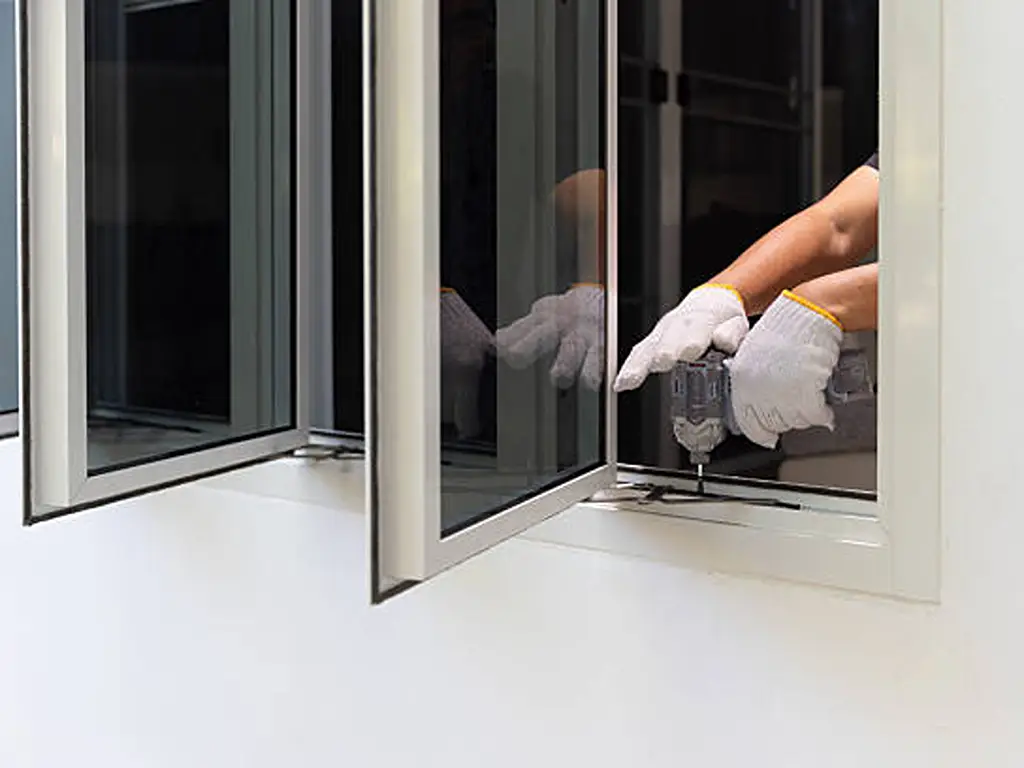
Ein häufiger Fehler von Hausbesitzern ist, nur die Fenstermaterialien einzuplanen. Die fachgerechte Montage ist bei Drehkippfenstern unerlässlich, da eine unsachgemäße Montage zu Zugluft, Undichtigkeiten und einem nicht richtig schließenden Kurbelmechanismus führen kann.
Die Lohnkosten liegen typischerweise im Bereich von $100 bis $300 pro Fenster, je nach Komplexität der Aufgabe.
Ersatzbau vs. Neubau
- Einlegeeinsatzwechsel (Einbau in die Tasche): Sind Ihre vorhandenen Fensterrahmen in gutem, fäulnisfreiem Zustand, kann der Monteur das neue Drehkippfenster einfach in den alten Rahmen schieben. Das ist schneller und günstiger und kostet in der Regel [Betrag einfügen]. $100 bis $150 Arbeitsstunden pro Fenster.
- Vollständiger Austausch des Rahmens: Sind Ihre alten Rahmen beschädigt, verrottet oder nicht mehr rechtwinklig, muss das gesamte Fenster bis zur Rohbauöffnung ausgebaut werden. Dies erfordert mehr Zeitaufwand, Arbeiten an der Außenverkleidung und manchmal auch Trockenbauarbeiten, wodurch die Arbeitskosten steigen. $200 bis $300+ pro Fenster.
Versteckte Kosten, die zu berücksichtigen sind
Prüfen Sie bei der Durchsicht des Angebots Ihres Auftragnehmers, ob folgende Leistungen enthalten sind:
- Entfernung und Entsorgung: Das Entsorgen Ihrer alten Fenster kostet in der Regel extra $50 bis $100 pro Fenster.
- Strukturelle Reparaturen: Die Beseitigung von verrottetem Holz oder Wasserschäden an der Fensterbank kann unerwartete zusätzliche Arbeitskosten verursachen.
Drehkippfenster vs. Doppelfenster: Preisvergleich
Beim Kauf von Fenstern wägen die meisten Hausbesitzer ihre Optionen ab und vergleichen sie. Drehkippfenster vs. Doppelfenster.
Aufgrund der komplexen mechanischen Hardware, die für ihren Betrieb erforderlich ist (Handkurbel und Mehrpunktverriegelungsmechanismen)., Drehkippfenster kosten im Allgemeinen 101 TP6T bis 201 TP6T mehr als Doppelfenster. Sie sind aus exakt demselben Material und in derselben Größe. Während ein Standard-Doppelfenster aus Kunststoff etwa $300 kostet, liegt der Preis für ein entsprechendes Drehkippfenster wahrscheinlich eher bei $350 oder $400. Drehkippfenster bieten jedoch eine deutlich höhere Energieeffizienz, da der Fensterflügel im verriegelten Zustand fest gegen die Dichtung drückt.
5 Faktoren, die den endgültigen Preis Ihres Drehkippfensters beeinflussen
Über die grundlegenden Materialien hinaus, die spezifischen Arten von Drehkippfenstern Ihre Auswahl (z. B. einflügelige Fenster oder französische Flügelfenster) und diverse individuelle Anpassungen beeinflussen den Endpreis erheblich. Hier finden Sie eine datenbasierte Aufschlüsselung der spezifischen Merkmale, die die Kosten erhöhen oder senken:
1. Fenstergröße und Sonderformen
Die Größe ist ein wesentlicher Kostenfaktor. Als Faustregel gilt: Rechnen Sie mit folgenden Kosten: $40 bis $80 pro Quadratfuß für ein Standard-Vinyl-Drehkippfenster (nur Material).
Standardgrößen werden in Serie gefertigt und sind daher leicht verfügbar und sehr preisgünstig. Sollten Sie jedoch Sonderanfertigungen mit abweichenden Öffnungen benötigen, müssen Sie mit einem Aufpreis von mindestens 25% bis 50% rechnen.
Durchschnittliche Kosten nach gängigen Drehkippfenstergrößen (nur Material):
| Fenstergröße (Breite x Höhe) | Quadratmeter | Geschätzte Preisspanne (Vinyl) |
| 24″ x 36″ (Klein) | 6 Quadratfuß. | $250 – $450 |
| 24″ x 48″ (Mittlerer Standard) | 8 Quadratfuß. | $350 – $550 |
| 30″ x 60″ (Groß) | 12,5 Quadratfuß. | $500 – $800 |
| 36″ x 72″ (Extra Groß) | 18 Quadratfuß. | $700 – $1,100+ |
2. Glasart und Verglasungspakete
Die Wahl des Glases hat einen erheblichen Einfluss auf Preis und Langzeitleistung. Standardmäßig ist in den Basispreisen standardmäßiges Doppelglas enthalten. Hier erfahren Sie, wie viel Sie für gängige Upgrades einplanen sollten:
- Dreifachverglasung: Fügt hinzu $100 bis $250 pro Fenster. Ideal für extreme Klimazonen oder zur optimalen Schalldämmung in der Nähe stark befahrener Straßen.
- Low-E-Beschichtung (Beschichtung mit niedrigem Emissionsgrad): Fügt hinzu $40 bis $70 pro Fenster. Diese unsichtbare Metallschicht blockiert UV-Strahlen und schützt Ihre Möbel vor dem Ausbleichen.
- Argon- oder Kryptongasfüllung: Fügt hinzu $30 bis $60 pro Fenster. Dichtes Gas, das zwischen die Scheiben gepumpt wird, wirkt als überlegene Wärmebarriere im Vergleich zu normaler Luft.
3. Beschläge und Oberflächen
Die Bedienelemente eines Drehkippfensters sind gut sichtbar. Standardmäßige weiße oder beige Kunststoffkurbeln sind im Grundpreis enthalten, aber eine Aufwertung der Oberflächen kann das Fenster preislich in den Luxusbereich treiben:
- Metallische Oberflächen (Gebürstetes Nickel, Mattschwarz, Ölgebronzefarben): Fügt hinzu $30 bis $75 pro Fenster.
- Traditioneller Ausdrückverschluss (Reibungsscharnier): Der Austausch des serienmäßigen Kurbelmechanismus gegen einen hochwertigen Ausrückhebel im europäischen Stil kann hinzufügen $100 bis $200+ pro Einheit.
4. Energieeffizienzbewertungen und ROI
Fenster mit der offiziellen ENERGY STAR®-Zertifizierung erfüllen strenge lokale Klimarichtlinien. Obwohl sie möglicherweise ein Höhere Anschaffungskosten beim Wechsel von 10% zu 15%, Das Energieministerium schätzt, dass Hausbesitzer durch den Austausch alter, zugiger Einfachglasfenster gegen hocheffiziente Modelle Geld sparen können. $100 bis $500 jährlich Sie sparen Heiz- und Kühlkosten. Außerdem qualifizieren Sie sich mit diesen Fenstern oft für wertvolle lokale Zuschüsse von Energieversorgern oder staatliche Steuervergünstigungen.
5. Ihr geografischer Standort und Ihre Lohnkosten
Der Standort hat einen großen Einfluss auf die Installationskosten. Die Stundensätze der Handwerker variieren je nach Lebenshaltungskosten im ganzen Land erheblich.
- Ländliche Gebiete / Mittlerer Westen: Rechnen Sie mit Arbeitskosten in Höhe von etwa $50 – $80 pro Stunde (ca. $100-$150 pro Fenster).
- Große Metropolen / Küstenstädte (z. B. New York, Kalifornien): Rechnen Sie mit einem Anstieg der Lohnkosten auf $90 – $150+ pro Stunde (ca. $200-$350+ pro Fenster).
- Hurrikanzonen: Wer in Küstenregionen wie Florida lebt, muss aufgrund der örtlichen Bauvorschriften schlagfestes (hurrikansicheres) Glas verwenden, das doppelt die gesamten Materialkosten Ihrer Drehkippfenster.
Lohnt sich die Investition in Drehkippfenster?
Bevor Sie Ihr Budget festlegen, lassen Sie uns die Vor- und Nachteile abwägen:
Vorteile:
- Maximale Belüftung: Sie öffnen sich vollständig nach außen, fangen die vorbeiziehenden Brisen ein und leiten sie in Ihr Zuhause.
- Unverbaute Sicht: Anders als bei Doppelfenstern gibt es hier keinen horizontalen Flügel, der Ihre Sicht in der Mitte teilt.
- Hohe Sicherheit: Die hakenförmigen Schlösser sind im Rahmen eingelassen, was es extrem schwierig macht, sie von außen aufzuhebeln.
- Höchste Energieeffizienz: Im fest verriegelten Zustand bilden sie eine luftdichte Abdichtung und gehören damit zu den effizientesten zu öffnenden Fenstern auf dem Markt.
Nachteile:
- Höhere Vorabkosten: Wie bereits erwähnt, sind sie teurer als Schiebefenster oder Doppelfenster.
- Anforderungen an den Außenbereich: Da sie nach außen schwenken, können sie nicht auf Gehwegen, in der Nähe von Sträuchern oder dort eingesetzt werden, wo der Platz im Freien begrenzt ist.
- Klimaanlagen: Standardmäßige Fensterklimageräte können nicht in Drehkippfenstern installiert werden.
4 häufige Fehler, die Sie beim Kauf von Drehkippfenstern vermeiden sollten
Um sicherzustellen, dass Sie den größtmöglichen Nutzen aus Ihrer Investition ziehen und kostspielige, unerwartete Reparaturen vermeiden, sollten Sie diese Expertentipps für Installation und Kauf beachten:
- 1. Vergessen des Freiraums für Außenschaukeln: Da Drehflügelfenster an seitlichen Scharnieren nach außen öffnen, benötigen sie ausreichend Platz im Außenbereich. Installieren Sie sie niemals direkt neben schmalen Gehwegen, Terrassen, niedrigen Dachüberständen oder dichtem Gebüsch, wo das Öffnen des Fensterflügels ein Hindernis oder eine Gefahr darstellen könnte.
- 2. Sparen an der Hardwarequalität: Die Handkurbel und der Mehrpunktverriegelungsmechanismus tragen die gesamte mechanische Belastung beim Öffnen und Schließen schwerer Glasflügel. Vermeiden Sie extrem billige Fenster mit dünnen Kunststoffzahnrädern – diese verschleißen mit der Zeit leicht. Die Investition in robuste Beschläge aus Edelstahl oder Schmiedemetall ist für eine dauerhaft reibungslose Funktion unerlässlich.
- 3. Der Versuch einer komplexen Selbstinstallation: Im Gegensatz zu Doppelfenstern, die sich relativ einfach in eine Öffnung einsetzen lassen, benötigen Drehkippfenster einen exakten 90-Grad-Winkel. Ist die Öffnung auch nur geringfügig schief, hängt der schwere Flügel durch, schließt nicht richtig und die Dichtung wird beschädigt. Wenden Sie sich für den kompletten Austausch des Rahmens immer an zertifizierte Fachleute.
- 4. Erlöschen der Herstellergarantie: Viele führende Fensterhersteller weisen ausdrücklich darauf hin, dass ihre Produktgarantie (die Glasdichtungen und Rahmenverzug für 10–20 Jahre abdeckt) nur bei fachgerechter Montage durch einen lizenzierten und versicherten Fachbetrieb gilt. Prüfen Sie daher unbedingt die Garantiebedingungen, bevor Sie die Fenster selbst montieren.
Abschluss
Die Wahl des richtigen Drehkippfensters hängt davon ab, Ihr aktuelles Budget mit langfristigen Energieeinsparungen in Einklang zu bringen. Wenn Sie maximale Erschwinglichkeit und geringen Wartungsaufwand anstreben, Standard-Vinyl-Drehkippfenster bieten das beste Preis-Leistungs-Verhältnis. Wenn Sie jedoch an einem historischen Haus, einem Luxusbauprojekt oder einer Modernisierung für extreme Klimabedingungen arbeiten, ist eine Investition in Fiberglas oder mit Aluminium verkleidetes Holz Mit Dreifachverglasung erzielen Sie eine überlegene Ästhetik und langfristige Haltbarkeit.
Holen Sie sich ein kostenloses Angebot für individuelle Fertigung von Hotian.
Sie möchten die Handelsaufschläge umgehen und den besten Gegenwert für Ihr Projekt erzielen? Bei Hotian Windows, Wir sind ein Direktvertriebspartner und bieten hochwertige, vollständig individualisierbare Drehkippfenster zu Preisen direkt vom Hersteller an.
Wir beliefern Bauherren, Bauunternehmer und Projektentwickler mit maßgeschneiderten Lösungen, die selbst strengsten Projektanforderungen gerecht werden. Schluss mit den Gebühren für Zwischenhändler!. Senden Sie uns noch heute Ihre Fensterpläne oder Projektabmessungen, um ein präzises Angebot direkt vom Hersteller zu erhalten!