Invoering
Verouderde ramen laten de snijdende winterwind en de verzengende zomerhitte binnen, waardoor uw comfort binnenshuis wordt verstoord en uw energierekening de pan uit rijst. Hoewel een zoekopdracht naar "hoe ramen af te dichten" talloze doe-het-zelf-handleidingen oplevert, bieden de meeste slechts oppervlakkige oplossingen. Ze negeren de systemische rol van het raam in de gebouwschil en maken geen onderscheid tussen het afdichten van bewegende vleugels en vaste kozijnen. Als professionele raamfabrikant begrijpen wij de precieze principes van een echt tochtvrij systeem. Vandaag onthullen we de waarheid achter raamafdichting – we nemen u mee door tijdelijke snelle oplossingen, doe-het-zelf-versterkingen voor de middellange termijn en de ultieme geheimen van fabrieksmatige productie en professionele installatie.
Stap 1: Identificeer de bron van de tocht bij het raam.
Voordat u kit koopt, moet u eerst precies achterhalen waar de koude lucht vandaan komt. Zomaar kit aanbrengen is niet alleen zonde van het geld, maar kan ook uw ramen beschadigen. U moet vaststellen of de tocht afkomstig is van verborgen kieren in de muur, de beweegbare raamvleugels of de vaste kozijnen.
- Visuele inspectie: Observe overdag zorgvuldig de randen van het raamkozijn om te zien of er daglicht doorheen schijnt. Controleer of de originele tochtstrip hard, gebarsten of afgebrokkeld is.
- Aanraaktest: Op een winderige dag kunt u langzaam met de rug van uw hand langs de rand van het raamkozijn strijken om de exacte locatie van de tocht te voelen.
- Vlamproef: Zet alle afzuigventilatoren uit en sluit alle deuren en ramen in huis. Steek een aansteker of kaars aan en beweeg deze langzaam langs de raamkozijnen, kijkend of de vlam flikkert. (Let op: houd de vlam uit de buurt van gordijnen en andere brandbare materialen om brandveiligheid te garanderen.)
Stap 2: Voordelige en tijdelijke afdichtingsoplossingen
(Ideaal voor huurders en noodreparaties)
Als u een huurder bent en van de verhuurder geen structurele veranderingen mag aanbrengen, of als u gewoon een snelle en budgetvriendelijke manier zoekt om de winter door te komen, dan zijn de volgende niet-destructieve, tijdelijke materialen de beste keuze.
Krimpfolie van kunststof

- Het beste voor: Ramen met slechte isolatie door enkel glas of complete ramen waar enorme tocht doorheen komt.
- Handleiding: Gebruik de meegeleverde dubbelzijdige tape om de transparante plastic folie rond het raamkozijn te bevestigen en verwarm deze vervolgens gelijkmatig met een föhn. De verwarmde folie krimpt tot een strakke, luchtdichte laag die koude lucht buiten houdt.
Conceptstoppers
- Het beste voor: Grote kieren aan de onderkant van oude schuiframen of vensterbanken.
- Handleiding: Plaats deze lange buis eenvoudigweg direct boven de tochtige plek om de luchtstroom fysiek te blokkeren. Installatie is niet nodig en de buis kan op elk moment worden verplaatst, wat hem bijzonder handig maakt.
Touwkit en afpelbare kit
- Het beste voor: Grotere kieren tussen het raamkozijn en de raamvleugel zijn aan te raden, mits u het raam de rest van de winter niet hoeft te openen.
- Handleiding: Touwkit is een buigzaam, stopverfachtig koord dat je eenvoudig met de hand in kieren kunt drukken. Als het in het voorjaar warmer wordt en je ventilatie nodig hebt, kun je de hele strook gemakkelijk verwijderen zonder het raamkozijn te beschadigen.
Stap 3: Doe-het-zelf-versterkingsoplossingen voor de middellange termijn
(Ideaal voor huiseigenaren en doe-het-zelvers)
Als u een afdichting wilt die enkele jaren meegaat, moet u een professionelere aanpak kiezen. Hierbij moet u een duidelijk onderscheid maken tussen het behandelen van "bewegende onderdelen" en "vastzittende onderdelen".“
Bewegende onderdelen afdichten met tochtstrips
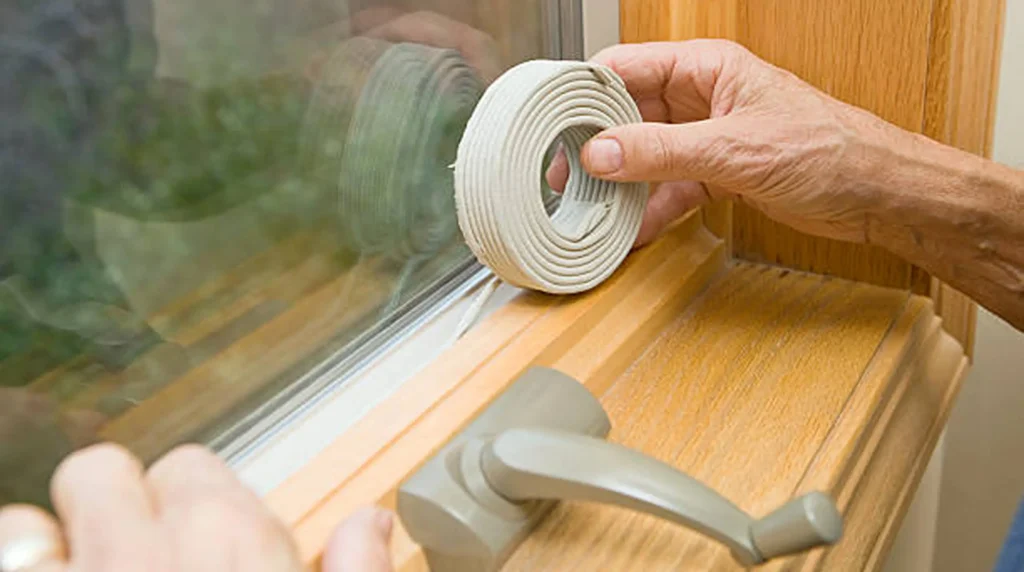
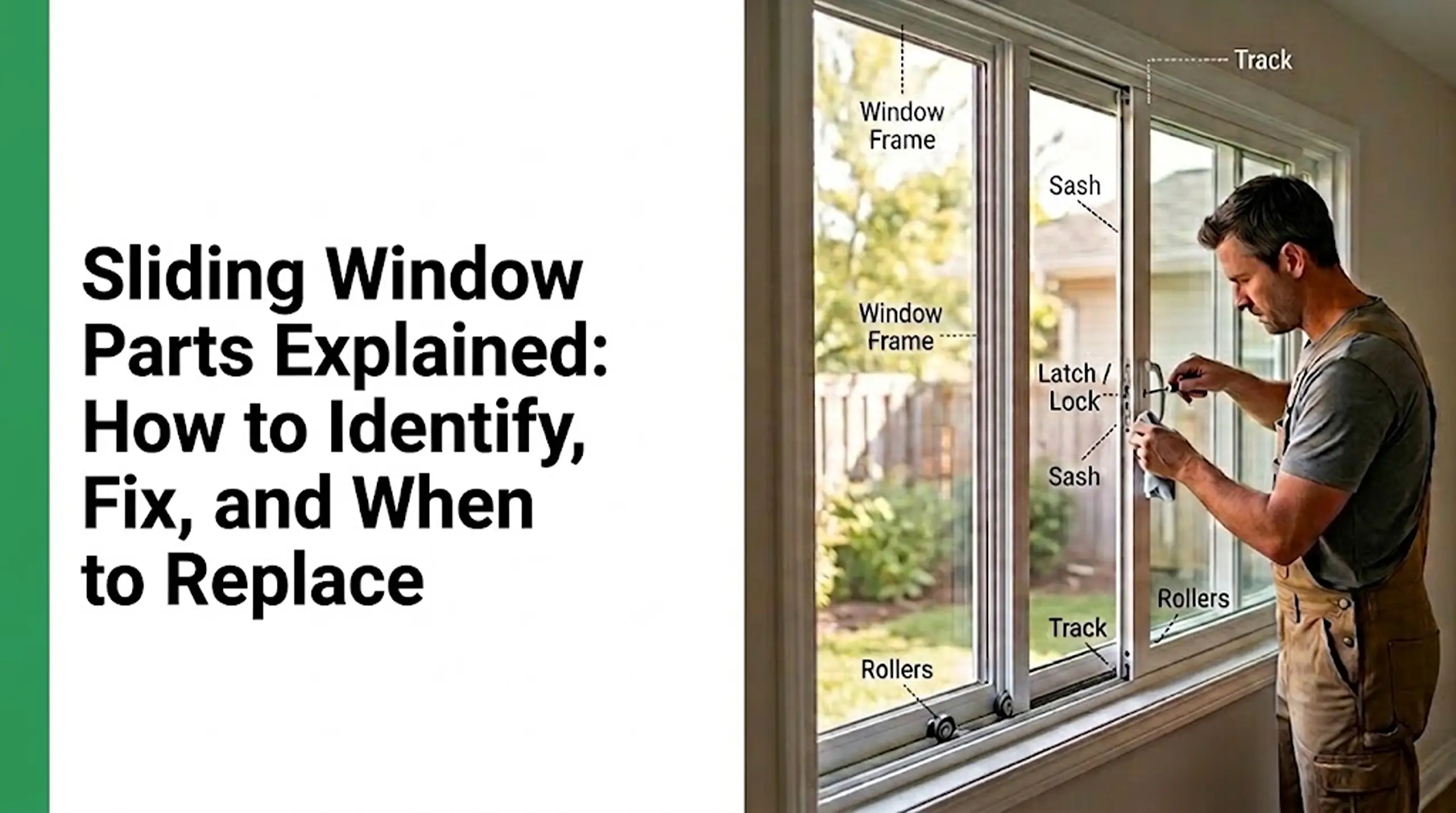
Voor beweegbare raamvleugels zijn materialen nodig die lucht buiten houden zonder het dagelijks openen en sluiten te belemmeren.
- Schuimtape: Meet de omtrek van uw raam, knip de zelfklevende schuimtape op maat en druk deze stevig aan in de binnenste raamgeleiders of aan de onderkant van het raamkozijn.
- V-strip (gespannen afdichtingsstrip): Deze stijve strip van plastic of metaal vouwt zich tot een V-vorm. Eenmaal in de schuifrail gemonteerd, fungeert hij als een veer die stevig tegen het raam drukt, waardoor luchtinfiltratie effectief wordt geblokkeerd zonder de beweging te belemmeren.
Kit de kieren en openingen tussen vaste kozijnen af.
Wordt gebruikt voor de behandeling van niet-bewegende voegen waar houten of vinyl raamkozijnen aansluiten op de buitenbekleding of binnenmuur van gipsplaat.
- Diepe reiniging: Gebruik een stanleymes om alle oude kitresten grondig te verwijderen, was met zeepsop en tot slot, moeten Maak het schoon met ontsmettingsalcohol en laat het volledig drogen.
- Professioneel kitwerk: Snijd de spuitmond van de kitkoker onder een hoek van 45 graden af. Plaats de spuitmond in een kitpistool en breng een gelijkmatige kitrand aan langs de naden. Gebruik vervolgens een professioneel afwerkgereedschap om de kitrand glad te strijken.
💡 Professionele tip van de fabrikant: Bij het aanbrengen van kit buitenshuis moet u het volgende doen: Blokkeer nooit de afwateringsgaatjes.“ Aan de onderkant van de buitenkant van het raam! Deze gaten zijn speciaal ontworpen om water uit het kozijn af te voeren. Als ze verstopt raken, zal regenwater rechtstreeks in de muren terechtkomen, wat schimmel en houtrot kan veroorzaken.
Stap 4: De waarheid van de fabrikant: Wanneer werken doe-het-zelf-afdichtingen niet meer?
Hoewel diverse doe-het-zelf reparatietechnieken praktisch zijn, hebben reparatiematerialen hun fysieke beperkingen. Als u een van de volgende problemen constateert: drie fatale signalen Als u tijdens uw zelfinspectie constateert dat reparaties niet langer mogelijk zijn en u moet overwegen de ramen te vervangen:
- Condensatie aan de binnenkant van het glas: Als er mist of waterdruppels verschijnen tussen De twee glasplaten betekenen dat de fabrieksafdichting volledig is stukgelopen en dat het isolerende gas aan de binnenkant al lang geleden is ontsnapt. Geen enkele hoeveelheid kit aan de buitenkant kan de thermische isolatie herstellen.
- Vervormde of verrotte frames: Verrotte houten kozijnen of kromgetrokken, inferieure vinyl/aluminium kozijnen veroorzaken permanente structurele scheefstand. De kieren worden te groot en onregelmatig om met schuimtape de oorspronkelijke beet te herstellen.
- Defecte hardware: Door defecte bedieningsmechanismen of beschadigde handgrepen kan het raamkozijn niet meer goed worden dichtgetrokken.
Stap 5: Achter de schermen: Hoe wordt een echt luchtdicht raam tijdens de productie en installatie afgedicht?
Er bestaat een gezegde in de branche: "Een raam is 30% product en 70% installatie." Een echt tochtvrij modern raam vereist niet alleen een uiterst nauwkeurige fysieke afdichting aan de fabrieksassemblagelijn, maar ook een rigoureuze structurele afdichting op de bouwplaats.
1. Productie en afdichting (het fabrieksproces)
Op onze moderne productielijnen is "afdichting" een systematische verdedigingslinie, opgebouwd met zware machines en hoogwaardig vakmanschap:
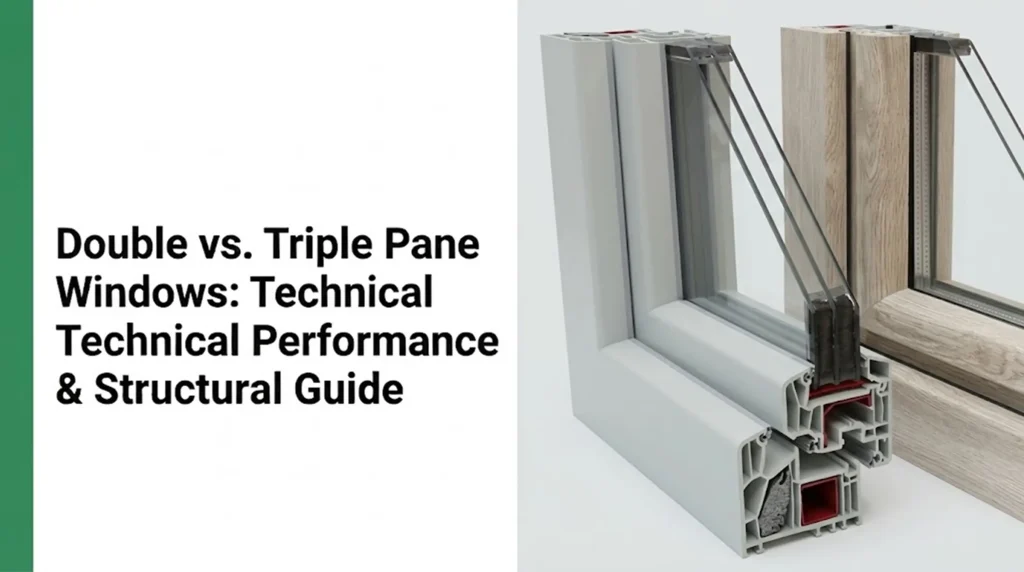
- Dubbele isolatieglasafdichting (De glasbescherming): In een stofvrije werkplaats wordt de omtrek van een isolerende glasunit (IGU) niet willekeurig afgekit. Eerst brengen uiterst nauwkeurige robotarmen verwarmde kit gelijkmatig aan. Primaire afdichting (butylrubber) Aan beide zijden van de aluminium afstandhouder wordt een absolute barrière tegen vocht gevormd. Vervolgens worden de twee glasplaten tegen elkaar gedrukt en gevuld met zeer zuiver argongas. Ten slotte wordt de omtrek dik gecoat met een Secundaire afdichting (silicone of polyurethaan) om de glasconstructie stevig op zijn plaats te vergrendelen.
- Fysieke afdichting (de contactverdediging): We hebben de inferieure, handmatig aangebrachte rubberen strips van andere fabrikanten ingeruild voor hoogwaardige exemplaren. EPDM (ethyleenpropyleendieenmonomeer). Op de contactvlakken tussen het raamkozijn en de vleugel passen we drie of zelfs vier afdichtingslagen toe. Wanneer het raam vergrendeld is, worden deze meerdelige strips stevig samengedrukt en vormen ze een labyrintachtige barrière tegen lucht.
- Kernconstructiebeveiliging (hoekafdichting): De vier hoeken van een raamkozijn zijn de meest kwetsbare plekken voor water- en luchtlekkages. We gebruiken hoogwaardige Duitse CNC-snijmachines (zoals Elumatec) om de snijprecisie tot op de micrometer nauwkeurig te garanderen. Tijdens de montage maken we gebruik van... Volautomatische hoekpersmachines in combinatie met hogedruklijminjectietechnologie.. De apparatuur oefent enorme druk uit om de 45-gradenverbindingen volledig naadloos te maken. Tegelijkertijd wordt een speciale tweecomponentenlijm voor hoekverbindingen onder hoge druk in de profielkamers geïnjecteerd. Na uitharding dicht deze lijm de microkieren in de hoeken volledig af, waardoor het hele frame oersterk wordt.
2. Installatieafdichting (normen ter plaatse)
Zelfs als de fabriek een perfect waterdicht raam produceert, kan er, als het installatieproces gebrekkig is, toch koude wind door de kieren tussen het kozijn en de muur waaien. Professionele afdichting bij installatie moet aan de volgende protocollen voldoen:
- Knipperende tape: Voordat het nieuwe raam in de ruwe opening wordt geplaatst, brengt het installatieteam speciale afdichtingstape aan op de vensterbank en zijkanten. Dit zorgt ervoor dat, zelfs als er vocht van buitenaf binnendringt, dit naar buiten wordt afgevoerd, waardoor de houten constructie beschermd wordt tegen rot.
- Schuim met lage uitzettingscoëfficiënt: Nadat het kozijn waterpas is geplaatst en in de ruwe opening is vastgezet, blijft er meestal een opening van 1 tot 2 centimeter tussen het kozijn en de muur. De professionele aanpak is om deze opening van binnenuit op te vullen met behulp van speciaal materiaal. laag-expanderend polyurethaan raamschuim. Eenmaal uitgehard vormt het een dichte isolerende laag. Hoogexpansieschuim mag absoluut nooit worden gebruikt, omdat de enorme uitzettingskracht ervan het raamkozijn zal vervormen.
- Kitwerk voor binnen- en buitenzijde: Nadat de kieren zijn opgevuld en de afwerking is aangebracht, brengen installateurs een doorlopende, gelijkmatige kitrand aan. Weerbestendige 100% siliconen voor buitengebruik waar het buitenkozijn de gevelbekleding raakt. Dit is de eerste verdedigingslinie tegen wind en regen van buitenaf – let er wel op dat de afwateringsgaatjes aan de onderkant van het raam niet worden geblokkeerd.
Wij bieden u betrouwbare garanties op systeemniveau.
Echt hoogwaardige ramen combineren complexe afdichtingstechnieken in de productie met strenge installatienormen. Wij produceren niet zomaar ramen; wij zetten ons in voor het leveren van perfecte oplossingen voor microklimaatbeheersing in alle soorten gebouwen.
- Als u een bouwer, distributeur of aannemer Bent u op zoek naar een toeleveringsketen voor ramen met een solide productiekwaliteit die klachten over lekkages/tocht na de verkoop effectief minimaliseert? Dan bespreken wij graag met u de mogelijkheden voor maatwerkoplossingen.
- Als u een huiseigenaar Wie het zat is om elke winter met lijm te worstelen tegen tochtige, oude ramen, kan nu het ultieme comfort ervaren dat industriële precisieproductie en professionele installatie bieden.
Bekijk onze catalogus met hoogwaardige, energiezuinige ramen., of Neem vandaag nog contact op met ons professionele adviesteam voor een gratis hoekstuk en een offerte voor uw project.
Stap 6: Het rendement op investering (ROI) van raamvervanging
Veel huiseigenaren zien af van het vervangen van ramen, voornamelijk vanwege de initiële kosten. Op de lange termijn is een modern raam met een echt goed afgedicht systeem echter een zeer lonende investering.
| Waardedimensie | De oplossing van de fabrikant en uw rendement op lange termijn |
| Bespaar op je energierekening | Moderne ramen met Low-E-glascoating en hoogwaardige meerwandige extrusieprofielen kunnen uw jaarlijkse HVAC-kosten aanzienlijk verlagen, waardoor de besparing op elektriciteit zich binnen enkele jaren terugverdient. |
| Verhoog de waarde van uw woning | Nieuwe, hoogwaardige ramen verbeteren de uitstraling van uw huis aanzienlijk. Bij toekomstige verkoop hechten kopers veel waarde aan energiezuinige ramen, wat resulteert in een hogere taxatie en een fantastisch rendement op uw investering. |
| Ultiem wooncomfort | Los de drie grootste ergernissen – regen, lawaai en tocht – in één keer op. Je hoeft nooit meer elke winter met tape en een föhn voor je ramen te staan om alles af te dichten. |
Conclusie
Diverse doe-het-zelf-afdichtingsmaterialen zijn uitstekende noodoplossingen om de winter te doorstaan en kunnen op korte termijn verlichting bieden. Voor ramen die echter al structurele gebreken en kromtrekking vertonen, bieden deze materialen slechts tijdelijke gemoedsrust. Als uw ramen onherstelbaar verouderen, verspil dan geen kostbare tijd en geld meer aan lijm; de keuze voor de juiste systeemramen is de enige manier om het probleem definitief op te lossen.
Ben je er klaar voor om voorgoed afscheid te nemen van tochtige ramen? Bezoek Hotian-vensters Ontdek onze hoogwaardige systeemramen. Of u nu een huiseigenaar bent of een aannemer, wij bieden de ultieme afdichtingsgarantie, ondersteund door vakmanschap van topkwaliteit. Neem vandaag nog contact met ons op voor een gratis offerte op maat en sluit de ijskou en het lawaai voorgoed buiten!