Invoering
Een deur kiezen gaat veel verder dan alleen een aantrekkelijk ontwerp selecteren. Als de belangrijkste barrière van uw huis bepaalt het materiaal dat u kiest hoe goed de deur bestand is tegen dagelijkse slijtage, hoe goed hij isoleert tegen extreme weersomstandigheden en hoe goed hij uw gezin beschermt. Met een oneindig aanbod op de markt leidt de verkeerde keuze vaak tot vervelende tocht, kromtrekken of kostbaar onderhoud op de lange termijn. Als fabrikant die rechtstreeks aan de consument levert en beschikt over jarenlange praktijkervaring, hebben we de juiste informatie voor u verzameld en presenteren we u deze ultieme materiaalgids voor 2026. Van budget en uitstraling tot ultieme duurzaamheid: lees verder en ontdek hoe u de slimste en meest praktische deur voor uw huis kiest.
Vergelijkingstabel voor deurmaterialen
Gebruik deze handige tabel om snel de beste opties te vinden op basis van je budget en behoeften, voordat je de gedetailleerde specificaties hieronder bekijkt.
| Materiaal | Geschatte prijsklasse (USD)* | Beveiliging | Brandwerendheid | Eco & Gezondheid | Isolatie | Onderhoud |
| Massief hout | $500 – $3.000+ | Hoog | Gemiddeld (afhankelijk van de dikte) | Hoog (Volledig natuurlijk) | Goed | Hoog |
| Vaste kern | $150 – $500 | Medium | Laag-midden | Verschilt (controleer certificeringen) | Goed | Laag |
| Holle kern | $50 – $150 | Laag | Arm | Verschilt (controleer certificeringen) | Arm | Laag |
| MDF | $100 – $300 | Laag | Arm | Verschilt (controleer certificeringen) | Eerlijk | Laag |
| Glasvezel | $400 – $2500 | Hoog | Hoog (Brandvertragende kern) | Goed | Uitstekend | Laag |
| Staal | $200 – $1.000 | Uitstekend | Uitstekend (Topklasse) | Goed (recyclebaar) | Goed | Medium |
| IJzer (smeedijzer) | $1.500 – $5.000+ | Uitstekend | Hoog | Goed (recyclebaar) | Slecht (tenzij thermisch onderbroken) | Medium |
| Aluminium | $800 – $3000+ | Hoog | Medium | Uitstekend (recyclebaar) | Variabel (thermische onderbreking) | Laag |
| uPVC / PVC | $300 – $1200 | Medium | Laag (kan giftige dampen vrijgeven) | Laag (Moeilijk te recyclen) | Uitstekend | Laag |
Vergelijking van verschillende soorten deurmaterialen
Massief hout
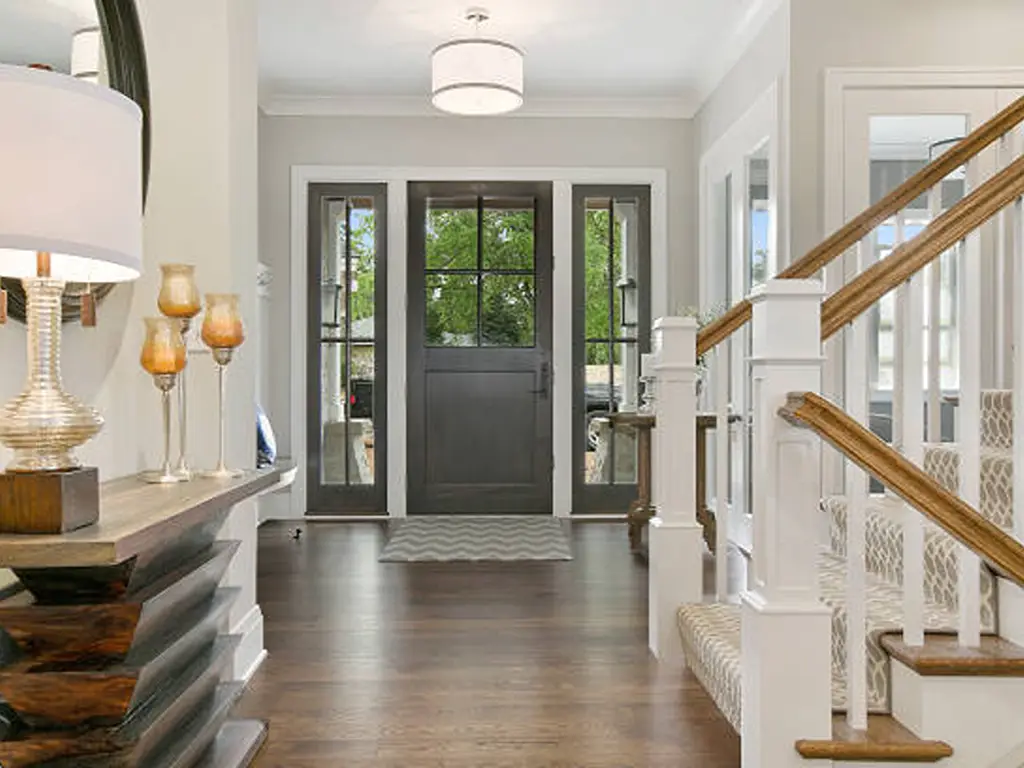
Gemaakt van natuurlijk hout, zijn massief houten deuren de standaard voor luxe woningen in het hogere segment.
- Voordelen: Klassieke, luxueuze uitstraling en uitstekende geluidsisolatie. Het zware, natuurlijke hout biedt bovendien een goede mate van natuurlijke brandwerendheid. Krassen en deuken kunnen eenvoudig worden weggeschuurd en gerepareerd.
- Nadelen: De duurste optie. Hout is "actief" en zet uit of krimpt met de luchtvochtigheid, waardoor het gevoelig is voor kromtrekken of scheuren. Vereist regelmatig onderhoud (schilderen of impregneren).
- Het beste voor: Hoogwaardige voordeuren, luxe villa-ingangen en luxe deuren voor de hoofdslaapkamer.
Vaste kern
Het ziet er aan de buitenkant uit als massief hout en voelt ook zo aan, maar de binnenkant is gevuld met hoogwaardig bewerkt hout.
- Voordelen: Het biedt geluidsisolatie en een hoogwaardige uitstraling die vergelijkbaar is met massief hout. Dankzij de geavanceerde constructie is het zeer goed bestand tegen vocht en kromtrekken, en biedt een uitzonderlijke prijs-kwaliteitverhouding.
- Nadelen: Extreem zwaar, waardoor robuuste scharnieren en bevestigingsmaterialen nodig zijn.
- Gezondheidstip: Let bij de aankoop goed op de VOC-uitstoot (vluchtige organische stoffen) en de formaldehyde-uitstoot van de lijm voor binnengebruik. Kies altijd voor CARB Phase 2- of E0-ecocertificeringen.
Kernvergelijking: Massief hout versus massieve kern – welke keuze moet je maken?
- Het verschil: Massief hout is 100% natuurlijk hout, zowel vanbinnen als vanbuiten, waardoor het gevoelig is voor kromtrekken. De massieve kern bestaat uit een speciaal ontworpen, zeer dichte kern met een houtfineer, waardoor het structureel stabieler is.
- Het vonnis: Als u een ruim budget hebt, unieke, natuurlijke houtnerven belangrijk vindt en regelmatig onderhoud geen probleem vindt, Massief hout is de premium keuze. Maar als u bijna de helft van uw budget wilt besparen en toch dezelfde geluidsisolatie wilt behouden zonder problemen met kromtrekken, dan is dit de juiste optie., Vaste kern is het perfecte alternatief.
(💡 Tip rechtstreeks van de fabriek: Bent u op zoek naar binnendeuren die een perfecte balans bieden tussen esthetiek en de gezondheid van uw gezin? [Klik hier om onze collecties massief hout en massieve kern te bekijken., allemaal strikt gebouwd volgens de E0-econormen om elke ademhaling die u neemt te beschermen.])
Vezelplaat met gemiddelde dichtheid (MDF)
- Voordelen: Het heeft een ongelooflijk glad, nerfloos oppervlak. Het is de perfecte ondergrond voor geschilderde afwerkingen (zoals een minimalistische, spierwitte stijl) en zal niet barsten of splijten zoals natuurlijk hout.
- Nadelen: Zeer gevoelig voor waterschade. Als het doorweekt raakt, zal het opzwellen en onherstelbaar beschadigd raken. De natuurlijke houtnerf komt dan niet tot zijn recht.
- Het beste voor: Moderne, minimalistische binnendeuren voor slaapkamers of kasten.
Holle kern
- Voordelen: Uiterst betaalbaar, zeer lichtgewicht en eenvoudig te installeren.
- Nadelen: Het interieur bestaat grotendeels uit een honingraatstructuur van karton. Het biedt een vreselijke geluidsisolatie, geen enkele beveiliging en vrijwel geen brandwerendheid.
- Het beste voor: Projecten met een zeer beperkt budget, huurwoningen, tijdelijke scheidingswanden of opslagruimtes.
Kernvergelijking: Holle kern versus MDF – Welke keuze?
- Het verschil: Holle deuren zijn in principe hol (zoals een kartonnen doos) en klinken galmend als je erop klopt. MDF-deuren zijn gemaakt van dicht geperste houtvezels en voelen veel zwaarder en gladder aan.
- Het vonnis: Als je alleen een tijdelijke of zeer goedkope geluidsisolatie nodig hebt (bijvoorbeeld voor een goedkope huurwoning of berging), is holle kern de voordeligste optie. Maar als je je eigen huis aan het renoveren bent, raden we je sterk aan om iets meer te investeren in MDF. Je krijgt dan een aanzienlijk betere geluidsisolatie, een langere levensduur en een veel mooiere afwerking.2. Metalen en synthetische materialenStaalDe ultieme combinatie van veiligheid en kosteneffectiviteit.
- Voordelen: De gouden standaard voor beveiliging en diefstalpreventie. Het vervormt nooit. Wanneer het gevuld is met een hoogwaardige polyurethaanschuimkern, wordt het zeer energiezuinig. Bovendien beschikken stalen deuren doorgaans over de volgende eigenschappen: hoogste brandveiligheidsclassificaties beschikbaar.
- Nadelen: Gevoelig voor roestvorming bij krassen op het oppervlak. Harde stoten kunnen deuken veroorzaken die moeilijk te repareren zijn. Heeft vaak een industriële uitstraling.
- Het beste voor: Garagedeuren, achterdeuren naar nutsvoorzieningen en voordeuren waar maximale beveiliging en brandveiligheid de hoogste prioriteit hebben.
Glasvezel
Vaak beschouwd als de ultieme alleskunner in de deurenbranche.
- Voordelen: Het combineert de prachtige esthetiek van hout (met zeer realistische, op maat gemaakte houtnerven) met de duurzaamheid van staal. Zal niet kromtrekken, roesten of rotten.. Het biedt uitstekende isolatie en goede brandvertragende eigenschappen, zonder dat er giftige dampen vrijkomen bij blootstelling aan vlammen.
- Nadelen: Hogere aanschafkosten.
- Het beste voor: Hoofdingangsdeuren, met name in regio's met onvoorspelbaar weer, hoge luchtvochtigheid, kustklimaten of extreme temperatuurschommelingen.
Kernvergelijking: Staal versus glasvezel – De ultieme confrontatie tussen voordeuren
- Het verschil: Stalen deuren zijn brandwerend maar niet roestbestendig en zullen bij een zware impact deuken. Deuren van glasvezel zijn waterdicht en roestvrij (100%) en zullen bij extreme impact eerder barsten dan deuken.
- Het vonnis: Als uw prioriteit bij de #1 "ultieme beveiliging en brandwerendheid" is, maar wel binnen een beperkt budget, kies dan voor Staal. Maar als u in een gebied woont met onvoorspelbaar weer, hoge luchtvochtigheid aan de kust of extreme temperatuurschommelingen, en u wilt een deur die eruitziet als echt hout maar nooit roest of rot, Glasvezel Het is absoluut de investering waard.
Ijzer (Smeedijzer)
Het summum van luxe op maat en architectonisch vernuft.
- Voordelen: Een ongeëvenaarde uitstraling dankzij de ingewikkelde, handgesmede details. Biedt extreme duurzaamheid en fungeert als een formidabele veiligheidsbarrière.
- Nadelen: IJzer is het duurste metaal. Het is extreem zwaar en vereist speciale, zware scharnieren en een versterkte constructie. Tenzij het expliciet thermisch onderbroken is, isoleert ijzer slecht en kan het warmte of kou direct in huis doorgeven. Het is gevoelig voor roest als de beschermende laag beschadigd raakt.
- Het beste voor: Luxe landgoeden met indrukwekkende entrees, wijnkelderdeuren en exclusieve woningen in mediterrane of modern-industriële stijl.
Kernvergelijking: ijzer versus staal – de scheiding tussen zware metalen
- Het verschil: Stalen deuren worden in massa geproduceerd, zijn zeer goed geïsoleerd (dankzij schuimkernen) en praktisch. Smeedijzeren deuren zijn zware, op maat gemaakte architectonische stukken waarbij sierlijke esthetiek en pure sterkte voorrang krijgen boven energiezuinigheid.
- Het vonnis: Als je maximale beveiliging en isolatie nodig hebt met een beperkt budget, kies dan voor... Staal. Maar als u een luxe landgoed bouwt en een entree wilt die een onvergetelijke, grootse eerste indruk maakt, Smeedijzer is het ultieme statussymbool.
Aluminium
- Voordelen: Extreem lichtgewicht en 100% roestvrij. Het is een volledig recyclebaar, milieuvriendelijk materiaal. Dankzij de structurele sterkte is het perfect voor de tegenwoordig zeer populaire "ultraslanke" glazen deuren.
- Nadelen: Aluminium is een zeer geleidend metaal. Tenzij het is vervaardigd met een "thermische onderbreking", zal het in de winter snel warmte uit uw huis laten ontsnappen.
- Het beste voor: Grote schuifpui's, vouwdeuren en moderne buitendeuren met ultradunne, minimalistische kozijnen.
uPVC / PVC
- Voordelen: 100% waterdicht en rotbestendig; zeer betaalbaar; biedt uitstekende thermische en akoestische isolatie; volledig onderhoudsvrij.
- Nadelen: Langdurige blootstelling aan direct zonlicht kan vergeling of verkleuring veroorzaken. Omdat het een synthetisch plastic is, kunnen er bij een hevige woningbrand giftige dampen vrijkomen.
- Het beste voor: Betaalbare terrasdeuren, balkondeuren voor vochtige/kustklimaten en toegangsdeuren voor technische ruimtes.
Kernvergelijking: uPVC versus aluminium – Welk materiaal is het meest geschikt voor terras- en balkondeuren?
- Het verschil: uPVC is een kunststofcomposiet met natuurlijke isolerende eigenschappen, maar een "zachtere" uitstraling. Aluminium is een zeer sterk metaal dat een speciale "thermische onderbreking" vereist om effectief te isoleren.
- Het vonnis: Voor grote schuifdeuren van glas of terrasdeuren, uPVC is ongeëvenaard op het gebied van isolatie en budgetbeheersing. Echter, als u streeft naar ultieme moderne esthetiek (ultraslanke kozijnen), enorme glaspanelen moet ondersteunen en kozijnen wilt die tientallen jaren meegaan, dan biedt de structurele superioriteit van Aluminium Dat is de juiste aanpak.
Glas
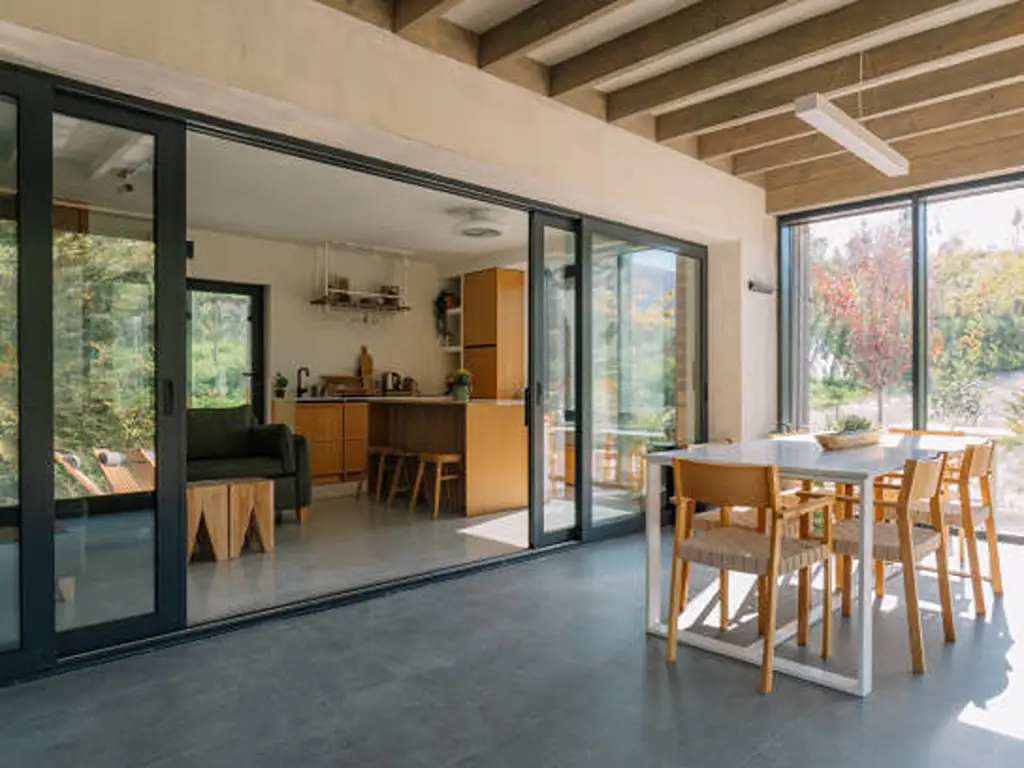
- Voordelen: Maximaliseert het natuurlijke licht, vervaagt de visuele grens tussen binnen en buiten en biedt een elegante uitstraling.
- Nadelen: Weinig privacy en over het algemeen een zwakkere thermische isolatie.
- Het beste voor: Serres, thuiskantoren, toegang tot terrassen en binnenruimtes die als scheidingswanden dienen waar lichtinval gewenst is.
- Veiligheidstip: Bij het gebruik van grote glaspanelen moet u ervoor zorgen dat u gebruikmaakt van Gehard glas of Gelaagd glas om dodelijke snijwonden te voorkomen in geval van onbedoelde breuk.
Hoe te kiezen: belangrijke overwegingen
Om de slimste investering te doen, moet u verder kijken dan alleen de aanschafprijs en beoordelen hoe de deur in uw dagelijks leven past. Hier zijn de zes belangrijkste factoren om te overwegen voordat u uw definitieve beslissing neemt:
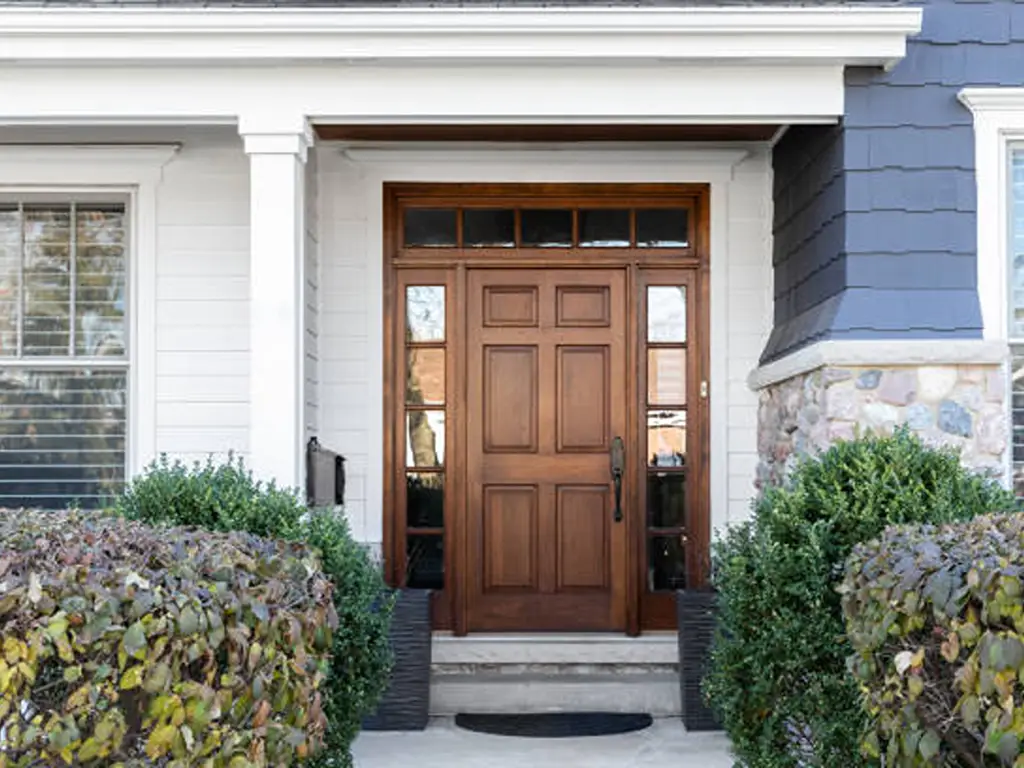
1. Architectuurstijl en esthetiek (passend bij uw interieur) Je deuren zijn een bepalend designelement van je huis.
- Voor moderne/minimalistische woningen: Zacht MDF (perfect voor schone, geverfde oppervlakken) of Aluminium Deuren met ultradunne kozijnen en grote glaspanelen zullen de eigentijdse uitstraling versterken.
- Voor traditionele/luxe woningen: De rijke, authentieke textuur van Massief hout blijft onvervangbaar.
- Voor grote landgoederen en mediterrane stijlen: Smeedijzer Het is hét ultieme statussymbool, dat met zijn ingewikkelde, handgesmede details een onvergetelijke eerste indruk maakt.
- Voor overgangs-/landelijke stijlen: Glasvezel Het is de ultieme truc: het imiteert de prachtige nerf van echt mahonie- of eikenhout, maar voldoet perfect aan de moderne, praktische behoeften.
2. Praktische overwegingen voor binnen versus buiten (het juiste materiaal voor de juiste toepassing) Gebruik nooit een standaardaanpak die voor iedereen geschikt is.
- Buitendeuren: Uw voordeur wordt blootgesteld aan de elementen en inbrekers. Geef prioriteit aan extreme weerbestendigheid en veiligheid door te kiezen voor Glasvezel, Staal, of zwaar uitgevoerd Ijzer.
- Binnendeuren: De belangrijkste taken hier zijn privacy en geluidsisolatie. Vaste kern Deuren zijn ideaal voor slaapkamers en badkamers en blokkeren geluid bijna net zo effectief als massief hout. Holle kern Dit is alleen geschikt voor kasten of weinig gebruikte ruimtes waar geluid geen probleem is.
3. Kosteneffectiviteit en rendement op lange termijn (kijkt verder dan de aanschafprijs) Echte kosteneffectiviteit draait niet om het kopen van de goedkoopste deur, maar om het rendement op de investering (ROI).
- Hoewel Hollow Core in eerste instantie het goedkoopst is, maakt de kwetsbaarheid ervan het een slechte keuze voor de lange termijn.
- Voor interieurs, Vaste kern Biedt het hoogste rendement op investering (ROI) en geeft u een premium gevoel voor een gemiddelde prijs.
- Voor buitengebruik, Glasvezel Het is wellicht in eerste instantie duurder dan staal, maar het betaalt zichzelf op de lange termijn terug door de nul onderhoudskosten en de superieure energie-efficiëntie (waardoor uw verwarmings- en koelkosten lager worden).
4. Onderhoud en levensstijl (Hoeveel onderhoud kunt u aan?) Wees eerlijk tegen jezelf over het onderhoud.
- Als je een levensstijl wilt waarbij je alles instelt en er vervolgens niet meer naar omkijkt, dan zijn materialen zoals uPVC, aluminium en glasvezel Ze zijn volkomen gebruiksvriendelijk: je hoeft ze alleen af en toe af te vegen met een vochtige doek.
- Als u kiest Massief hout of Smeedijzer, Je moet er rekening mee houden dat periodiek onderhoud (zoals het schuren/lakken van hout om rot te voorkomen, of het aanbrengen van roestwerende middelen op ijzer) noodzakelijk is om je kostbare investering te beschermen.
5. Klimaat en blootstelling aan de omgeving Het plaatselijke klimaat moet bepalend zijn voor het materiaal van uw buitendeur.
- Vochtige, regenachtige of kustgebieden: Vermijd massief hout en standaard Ijzer volledig (vanwege ernstige zwelling en roestrisico's). Glasvezel of uPVC Het zal nooit opzwellen, rotten, kromtrekken of roesten bij blootstelling aan vocht.
- Extreme temperatuurschommelingen: Staal (met een thermische kern) of Glasvezel Dit voorkomt tocht en zorgt voor een stabiel binnenklimaat.
6. Specifieke veiligheidsvoorschriften (de garage-naar-huisregel) Een korte veiligheidsherinnering: volgens de meeste bouwvoorschriften moet de deur tussen uw garage en uw woonruimte een gecertificeerde brandwerendheid hebben (bijvoorbeeld 20 minuten). Kies altijd voor een gecertificeerde deur. Staal een deur of een speciaal behandelde, brandwerende, dikke houten deur voor deze specifieke ingang.
Veelgestelde vragen (FAQ's)
- Welk deurmateriaal is het meest geschikt voor geluidsisolatie?Voor optimale geluidsisolatie binnenshuis, kies Massief hout of Vaste kern deuren. Voor buitendeuren, een Glasvezel Een deur gevuld met polyurethaanschuim met hoge dichtheid wordt ten zeerste aanbevolen.
- Zijn MDF-deuren veilig en gifvrij? Hoe maak ik de juiste keuze?MDF zelf is veilig; het gezondheidsrisico schuilt in de lijm die tijdens het persproces wordt gebruikt. Vraag bij aankoop altijd naar een "vrij van toegevoegde formaldehyde" of "E0 / CARB Fase 2" milieucertificering van de fabrikant. Gecertificeerde producten zijn volkomen veilig voor langdurig gebruik door het hele gezin.
- Welke materialen zijn doorgaans nodig voor een brandwerende deur?
Brandwerende deuren voor commerciële gebouwen en hoogwaardige woonhuizen worden overwegend gemaakt van... Staal. Bepaalde hoogwaardige, dikke massief houten deuren kunnen na een speciale brandvertragende behandeling ook aan specifieke brandveiligheidseisen voldoen.
Conclusie
Het kiezen van de juiste materialen voor deuren en ramen draait uiteindelijk om het vinden van een balans tussen uw budget en esthetische voorkeuren, terwijl u tegelijkertijd een onzichtbare barrière creëert die veiligheid, gezondheid en energie-efficiëntie voor uw gezin garandeert. Er bestaat geen enkel "perfect" materiaal, alleen de op maat gemaakte keuze die perfect aansluit bij de omstandigheden van uw huis en uw levensstijl.
Klaar om uw huis te moderniseren?Als oorspronkelijke fabrikant met controle over de kernproductietechnologieën, schakelen we de winstmarges van tussenpersonen uit en leveren we u hoogwaardige, grondig geteste deur- en raamproducten rechtstreeks van de fabriek. [Klik hier om onze nieuwste productcatalogus voor 2026 te downloaden] of [Neem direct contact met ons op voor een persoonlijke, gratis offerte rechtstreeks van de fabriek]. Laat het professionele werk over aan de professionele fabrikanten.