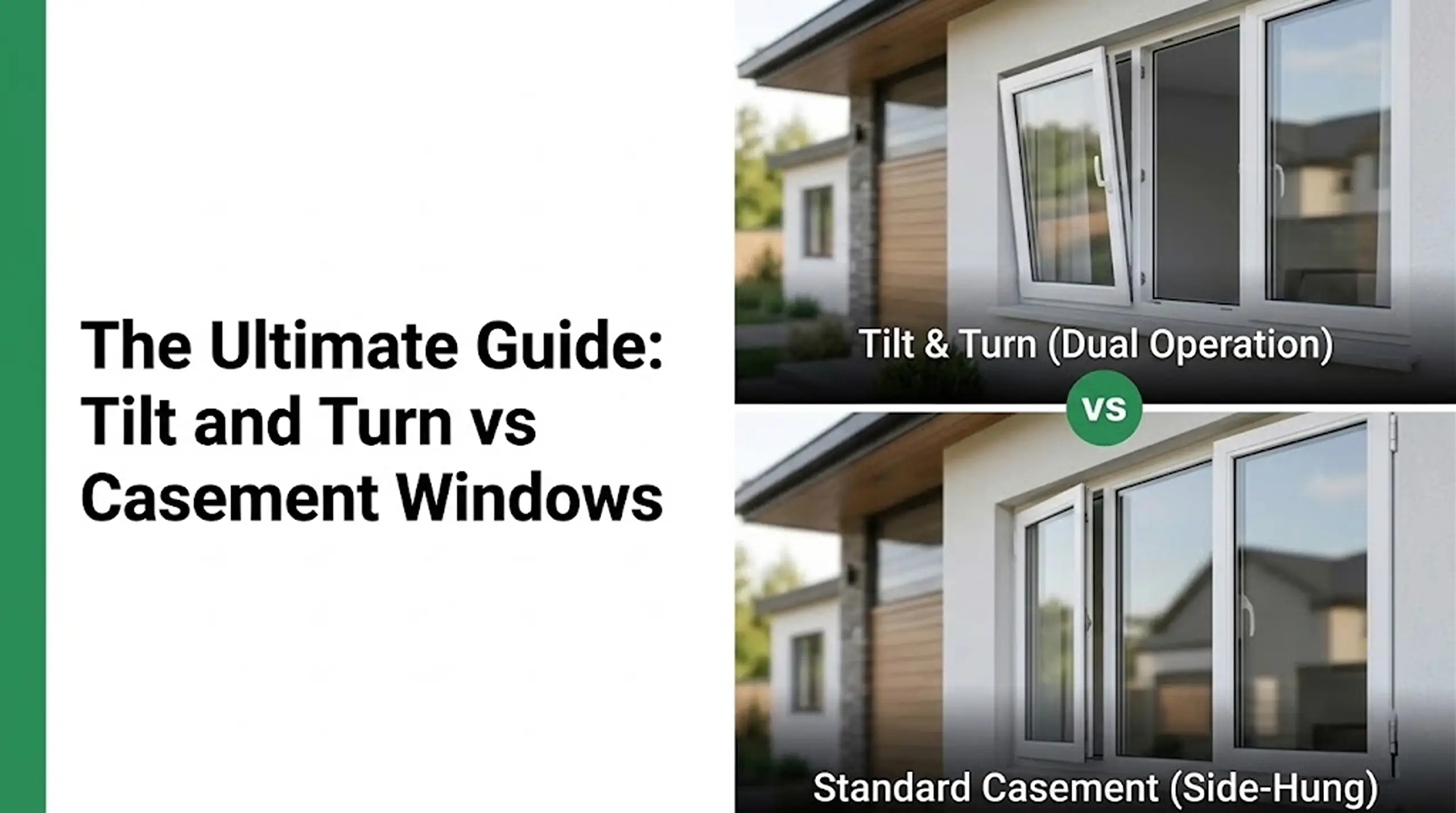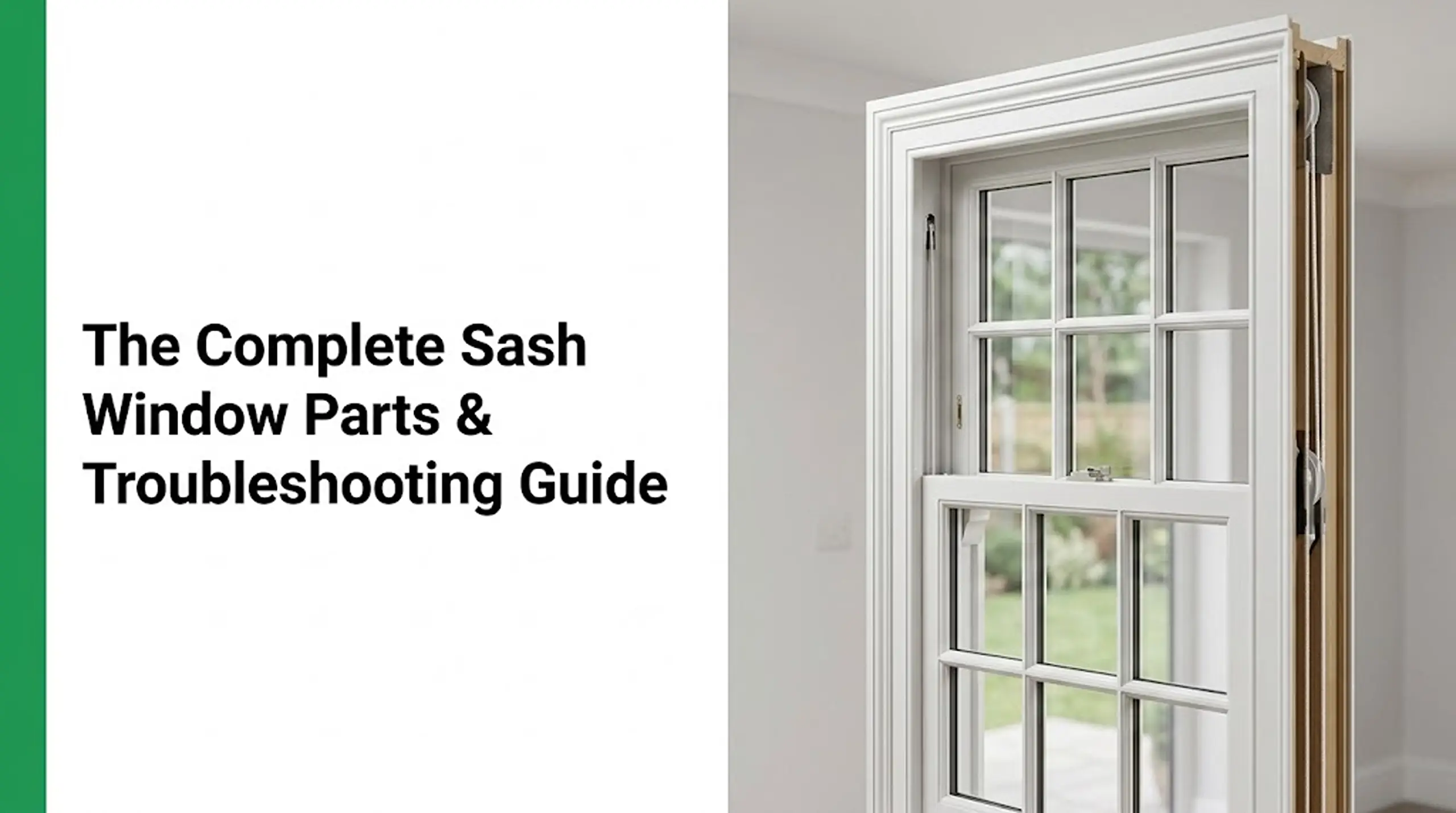
Introdução
As novas janelas definem a estética arquitetônica, o conforto acústico e a eficiência energética a longo prazo do seu imóvel. Se você ainda está comparando esquadrias de alumínio, madeira e plástico, recomendamos a leitura do nosso guia. Guia completo sobre os tipos gerais de janelas primeiro.
Pronto para especificar janelas de PVC? Escolher a janela de PVC perfeita se resume a duas etapas cruciais: primeiro, selecionar o estilo de abertura certo para atender às suas necessidades de espaço e estilo de vida; e segundo, especificar o perfil interno correto para garantir a durabilidade da estrutura. Este guia explica exatamente como configurar o sistema ideal para o seu projeto. Vamos começar.
Comparação rápida
Utilize esta matriz de decisão rápida para comparar ventilação, aplicações e custos relativos num relance.
| Tipo de janela | Melhor Aplicação | Ventilação | Vantagem principal | Limitação principal | Custo Relativo |
| Corrigido / Imagem | Escadarias, Vistas Amplas | 0% | Máxima luminosidade, vedação absoluta, preço mais baixo | Sem fluxo de ar | $ |
| Caixilho | Salas de estar, casas costeiras | 100% | Vedação hermética e acústica máxima | Ocupa espaço de balanço | $$ |
| Toldo | Banheiros, Porões | Variável | Pode permanecer aberto durante a chuva. | Vidro exterior difícil de limpar | $$ |
| Deslizando | Cozinhas, Varandas Apertadas | 50% | Intrusão de espaço zero | As pegadas acumulam sujeira. | $ – $$ |
| Duplo-Hung | Casas históricas, calçadas | 50% | Visual clássico, ventilação superior segura. | As peças mecânicas podem se desgastar. | $$ – $$$ |
| Inclinação e rotação | Prédios altos, quartos infantis | Variável | Limpeza interna fácil e ventilação segura. | Conflitos com persianas internas | $$$$ |
Tipos de janelas de PVC por estilo de abertura
Para proprietários de imóveis e arquitetos, a forma como uma janela abre altera a funcionalidade de um cômodo. Apresentamos aqui uma análise equilibrada e objetiva dos estilos de janelas de PVC mais populares, elaborada para ajudá-lo a encontrar a opção perfeita para as suas necessidades específicas de espaço.
1. Janelas de batente em PVC

Como funciona: Com dobradiças laterais, a janela bascula totalmente para fora ou para dentro como uma porta, sendo operada por uma manivela ou uma maçaneta de empurrar e puxar.
As vantagens:
- O melhor bloqueador de ruído e corrente de ar: Como a folha da janela pressiona firmemente contra as juntas de borracha da moldura quando travada, cria uma vedação semelhante à de uma geladeira. Esta é a janela operável mais hermética que você pode comprar, reduzindo drasticamente as contas de aquecimento e bloqueando o ruído da rua.
- Captura de brisa 100%: Ao contrário das janelas de correr, as janelas de batente abrem completamente. O painel de vidro aberto permite a entrada de brisas laterais e a circulação de ar fresco em ambientes abafados.
As desvantagens:
- O risco de "colisão frontal": Janelas de abrir para fora se projetam para o seu espaço exterior, podendo bloquear passagens estreitas ou decks de pátio.
- Vulnerabilidade ao vento: Se deixada totalmente aberta durante uma tempestade, uma forte rajada de vento pode impulsionar a janela como uma vela, podendo quebrar as dobradiças.
Melhor para:
- Suítes e salas de estar principais: A escolha ideal para quem prioriza o máximo de luz natural, ar fresco e silêncio absoluto à noite.
- Casas costeiras: Ideal para capturar a brisa do mar e, ao mesmo tempo, proporcionar uma vedação hermética contra tempestades costeiras quando fechado.
Conselhos para proprietários de imóveis: Ao solicitar orçamentos de instaladores locais, sempre pergunte se as janelas de batente deles vêm com um "Sistema de Travamento Multiponto". Versões mais baratas têm apenas uma trava no meio, o que significa que a parte superior e inferior da moldura acabarão se deformando e permitindo a entrada de correntes de ar frio com o tempo.
Compras B2B e a Vantagem da Engenharia: As janelas de batente são um requisito básico para construtoras que buscam obter certificações energéticas rigorosas, como LEED ou padrões Passivhaus. Ao adquirir sistemas de grande volume, especifique dobradiças de aço inoxidável reforçadas. Dobradiças comuns cedem com o tempo devido ao peso das modernas janelas de vidro duplo. Na Hotian Windows, utilizamos cantos soldados por fusão a alta temperatura, combinados com juntas de EPDM coextrudadas, garantindo que seu projeto passe nos rigorosos testes de estanqueidade ao ar (blower door) para uso comercial.
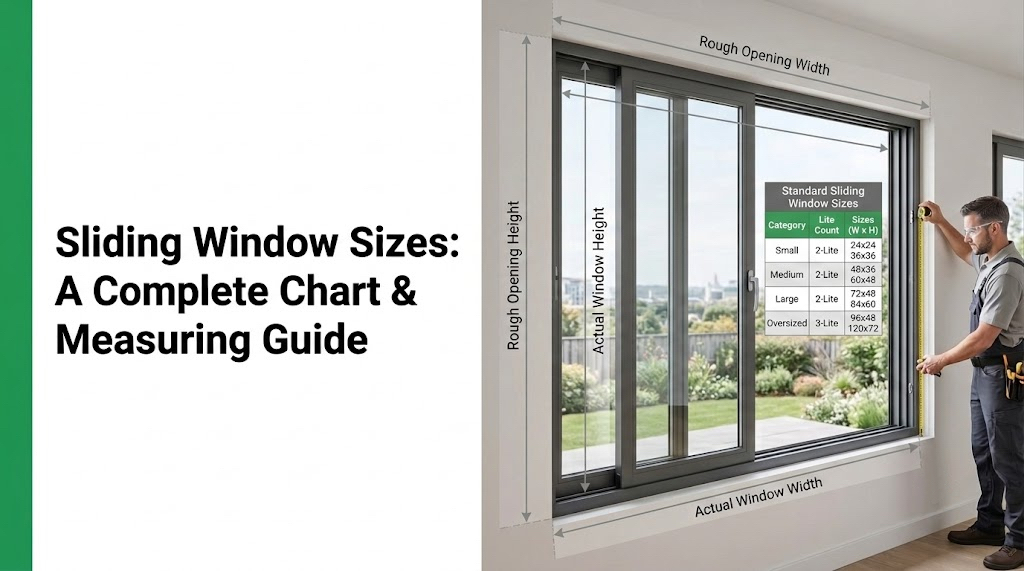
2. Janelas de correr em PVC

Como funciona: As folhas da janela deslizam horizontalmente para a esquerda ou para a direita ao longo de um trilho embutido, o que significa que a janela nunca se projeta para dentro ou para fora.
As vantagens:
- Eficiência espacial extrema: Elas não exigem espaço para abrir, o que as torna incrivelmente práticas. Você nunca precisa se preocupar em bater a cabeça ou liberar espaço na bancada para abri-las.
- Operação segura e fácil: Os roletes de alta qualidade permitem uma operação sem esforço. Ao contrário das janelas de abrir, elas nunca batem com força nem quebram em ventos fortes.
As desvantagens:
- Ventilação limitada: Como um painel precisa deslizar sobre o outro, você só pode abrir no máximo 50% da área total da janela.
- Isolamento ligeiramente inferior: Elas dependem de vedações de escova em vez de juntas de compressão, o que as torna ligeiramente menos herméticas e à prova de som do que as janelas de batente.
- Manutenção de trilhos: Os trilhos inferiores acumulam naturalmente poeira, sujeira e insetos mortos, exigindo aspiração regular para manter o deslizamento suave.
Melhor para:
- Cozinhas (Acima da Pia): Você não precisa se inclinar para a frente de forma desconfortável para girar a manivela; basta deslizá-la para abrir.
- Varandas e corredores: Ideal para apartamentos com alta densidade populacional ou corredores estreitos onde uma janela basculante bloquearia a passagem.
Conselhos para proprietários de imóveis: A durabilidade de uma janela de correr depende inteiramente do seu trilho. Antes de comprar, levante levemente a folha da janela. Se parecer extremamente leve e frágil, o trilho não possui o reforço interno de aço necessário. Com o tempo, o peso do vidro deformará o trilho de plástico, fazendo com que a janela trave permanentemente.
Compras B2B e a Vantagem da Engenharia: As janelas de correr representam a categoria de produto com maior volume de vendas em projetos multifamiliares de alta densidade. Ao escolher sistemas de correr, exija sempre um núcleo de reforço em aço galvanizado dentro da câmara principal do trilho. Trilhos de PVC padrão sem reforço cedem sob o peso do vidro duplo. Na Hotian Windows, projetamos nossos perfis de correr comerciais com roletes de nylon tandem de alta resistência e câmaras reforçadas com aço, eliminando reclamações de inquilinos após a instalação sobre o descarrilamento das folhas.
3. Janelas de PVC com sistema de abertura basculante e giratória
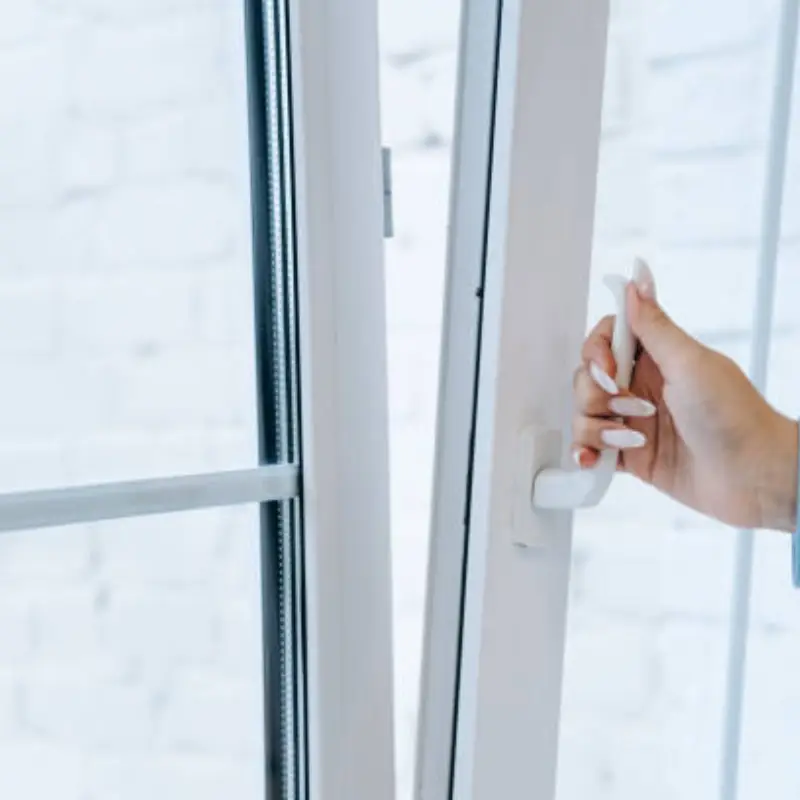
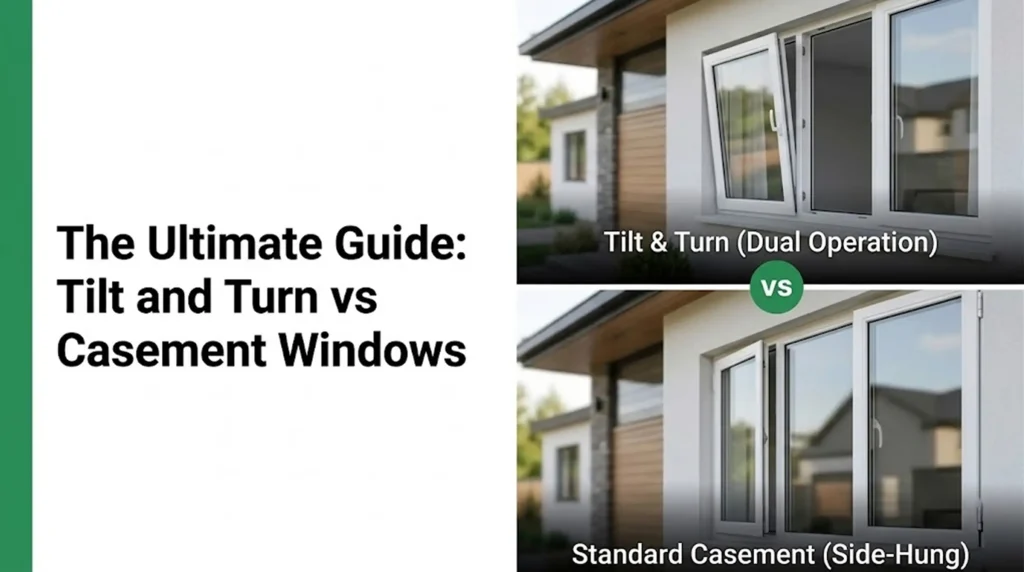
Como funciona: Um mecanismo complexo de dupla dobradiça permite que a janela se incline para dentro na parte superior para ventilação ou se abra completamente para dentro como uma porta para acesso total.
As vantagens:
- Ventilação noturna segura: A função de inclinação permite a entrada de ar fresco, ao mesmo tempo que impede a entrada de chuva e evita completamente a entrada de intrusos. Você pode dormir tranquilamente com a janela aberta.
- Fácil limpeza: A função de "giro" (balanço para dentro) permite limpar com segurança o vidro externo a partir do interior do cômodo, sem necessidade de escadas.
- Vedação excepcional: Assim como as janelas de batente, elas oferecem vedações acústicas e de compressão térmica de alta qualidade.
As desvantagens:
- Interferência no espaço interior: Porque eles balançam para dentroEles podem interferir com persianas internas, cortinas ou objetos colocados no parapeito da janela.
- Faixas pesadas: O mecanismo complexo e o vidro espesso tornam as janelas de guilhotina bastante pesadas de operar em comparação com as janelas de correr básicas.
Melhor para:
- Apartamentos em prédios altos e segundos andares: A solução definitiva para andares superiores, eliminando o perigo e o custo da limpeza profissional de janelas externas.
- Quartos infantis / Berçários: A função de inclinação proporciona ar fresco sem o risco de uma criança se inclinar para fora e cair.
Conselhos para proprietários de imóveis: Sempre pergunte sobre a marca das ferragens internas. Janelas de dupla ação complexas exigem componentes de aço reforçado de alta qualidade. Ferragens falsificadas e baratas se desgastarão rapidamente, fazendo com que essa janela pesada ceda e raspe na moldura inferior sempre que você tentar fechá-la.
Compras B2B e a Vantagem da Engenharia: Este estilo é uma opção premium que exige ferragens de aço reforçadas e multiaxiais. Ele depende inteiramente da aderência estrutural e da densidade do polímero do uPVC para fixar esses sistemas de ferragens europeus com perfeição. Os perfis das janelas Hotian são projetados com paredes espessas de Classe A, que proporcionam a imensa resistência necessária para a fixação dos parafusos, evitando que as dobradiças cedam mesmo após décadas de uso frequente.
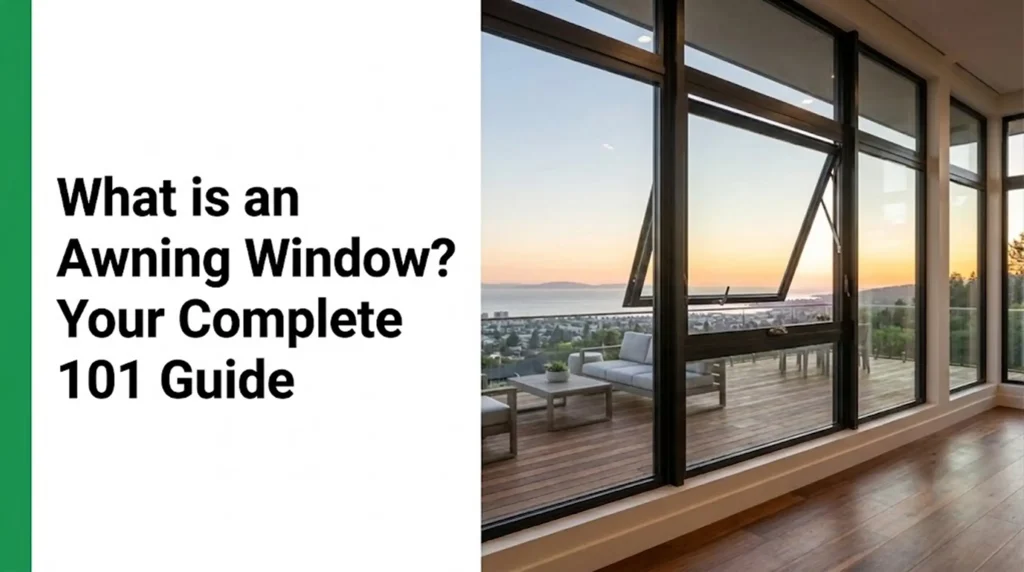
4. Janelas basculantes de PVC
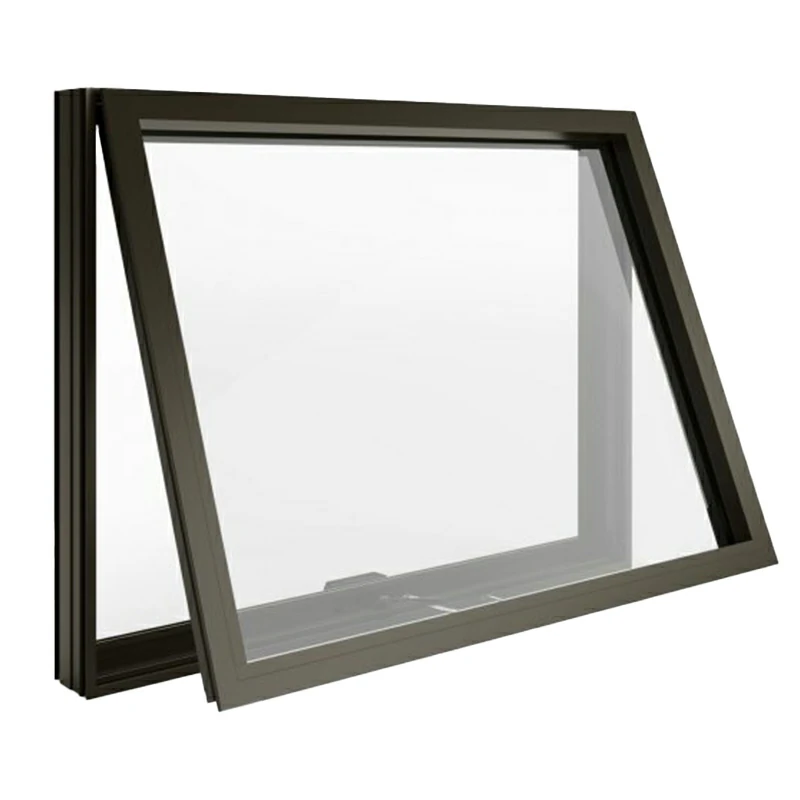
Como funciona: Articulada na parte superior, a folha da janela se projeta para fora a partir da parte inferior, criando uma cobertura de vidro inclinada.
As vantagens:
- Ventilação com chuva ou sol: Você pode manter a janela aberta durante um aguaceiro torrencial; o vidro inclinado funciona como um guarda-chuva, desviando a água da abertura.
- Maximização do espaço nas paredes: Por serem geralmente mais largas do que altas, podem ser colocadas no alto das paredes para preservar o espaço interno e permitir a circulação de móveis ou armários.
As desvantagens:
- Difícil de limpar: Limpar o vidro exterior pelo lado de dentro pode ser muito difícil, especialmente nos andares superiores.
- Protuberância externa: Assim como as janelas de batente, elas se projetam para fora e podem bloquear a passagem externa se instaladas muito baixas.
Melhor para:
- Banheiros e porões: Perfeitas para ambientes úmidos. Instaladas no alto da parede (geralmente com vidro fosco), elas expelem o vapor e a umidade, proporcionando total privacidade visual.
- Acima de portas ou outras janelas: Frequentemente utilizadas como janelas de "bandeira" acima de painéis de vidro fixos para adicionar ventilação a um cômodo sem sacrificar a vista panorâmica abaixo.
Conselhos para proprietários de imóveis: Se for instalar essas janelas em locais altos na parede de um banheiro ou porão, certifique-se de que elas venham com uma manivela resistente e de fácil manuseio, em vez de uma trava de pressão. Uma manivela facilita muito a abertura e o fechamento de janelas que estão um pouco fora do alcance confortável.
Compras B2B e a Vantagem da Engenharia: O design com dobradiças superiores das janelas basculantes distribui o peso do vidro uniformemente pela estrutura superior. Quando travadas, as ferragens pressionam a folha firmemente contra a vedação, proporcionando excepcional estanqueidade (resistência à pressão hidrostática). Elas são a especificação ideal para projetos comerciais em climas com alta pluviosidade, eliminando completamente a entrada de umidade na estrutura.
5. Janelas fixas/panorâmicas de PVC

Como funciona: Essas janelas não podem ser abertas. O vidro está selado diretamente na moldura de PVC e não pode ser aberto.
As vantagens:
- Eficiência imbatível: Por não possuírem partes móveis, dobradiças ou caixilhos, oferecem o mais alto nível de isolamento térmico e acústico possível.
- Custo-benefício: Sem a necessidade de ferragens mecânicas ou janelas de correr, elas são a opção mais econômica por metro quadrado.
- Luz máxima: Perfis de estrutura mais finos permitem o uso de painéis de vidro enormes, inundando os ambientes com luz natural.
As desvantagens:
- Ventilação zero: Eles não podem deixar entrar ar fresco.
- Limpeza externa: Se instalada em andares superiores, a parte externa do vidro não pode ser limpa pela parte interna.
Melhor para:
- Escadas e corredores: Áreas que precisam de luz natural, mas não requerem ventilação.
- Paredes decorativas: Utilizadas como grandes janelas panorâmicas em salas de estar para emoldurar uma bela paisagem, frequentemente ladeadas por janelas menores que podem ser abertas para permitir a circulação de ar.
Conselhos para proprietários de imóveis: Como essas janelas são essencialmente paredes de vidro gigantes, nunca economize no envidraçamento. Sempre exija vidro Low-E (baixa emissividade) e preenchimento com gás argônio. Sem isso, uma janela fixa enorme funcionará como uma lupa, transformando sua sala de estar em uma estufa abafada durante o verão.
Compras B2B e a Vantagem da Engenharia: Para fachadas cortina comerciais de grande escala ou vãos arquitetônicos de pé-direito duplo, os perfis fixos de PVC dependem fortemente de núcleos internos de aço galvanizado de alta qualidade. A Hotian Windows projeta esses sistemas fixos para suportar limites de carga de vento elevados (PSF) e suportar facilmente o peso próprio de vidros triplos laminados de grandes dimensões sem empenamento ou distorção da estrutura.
6. Janelas de PVC com abertura dupla
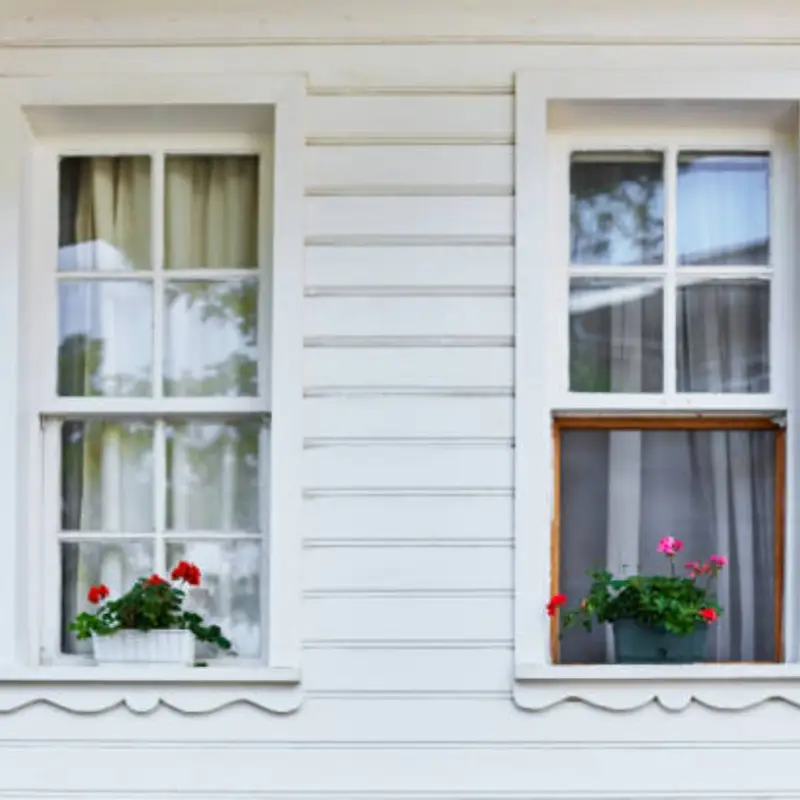
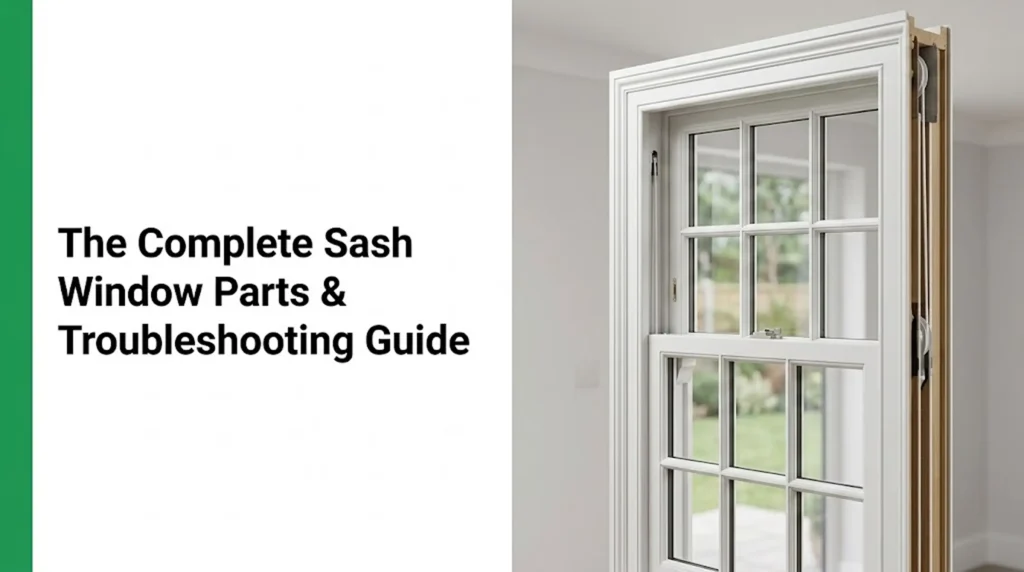
Como funciona: Duas folhas separadas deslizam verticalmente para cima e para baixo dentro da moldura.
As vantagens:
- Estética Clássica: Eles oferecem um visual tradicional e atemporal que combina perfeitamente com a arquitetura colonial, vitoriana ou histórica.
- Ventilação versátil: Você pode abrir a janela superior para permitir que o ar quente escape perto do teto, mantendo a janela inferior fechada para a segurança de crianças e animais de estimação.
- Economia de espaço: Assim como as janelas de correr, elas não se projetam para dentro nem para fora.
As desvantagens:
- Desgaste mecânico: Elas dependem de molas internas ou sistemas de polias para sustentar as pesadas janelas, que podem se desgastar ao longo de décadas de uso.
- Menor estanqueidade ao ar: Elas usam vedações de escova em vez de vedações de compressão, o que as torna ligeiramente menos eficientes em termos energéticos do que as janelas de batente.
Melhor para:
- Renovação de Patrimônios Históricos: A solução ideal para modernizar casas antigas sem comprometer seu charme histórico.
- De frente para pátios ou passarelas: Ideal para cômodos no térreo com vista para áreas de lazer externas, onde uma janela que abre para fora atrapalharia.
Conselhos para proprietários de imóveis: Ao substituir janelas de madeira antigas, sempre exija modelos modernos de PVC com abertura dupla e folhas basculantes. Isso permite que os painéis de vidro superior e inferior se inclinem para dentro, facilitando a limpeza do vidro externo sem sair da sua sala de estar.
Compras B2B e a Vantagem da Engenharia: A janela de guilhotina dupla é o padrão absoluto para empreendimentos residenciais nos mercados dos EUA e do Reino Unido. Para garantir a longevidade comercial, os modernos sistemas de PVC devem apresentar contrapesos robustos com polias, em vez de contrapesos espirais baratos. A Hotian Windows fornece unidades de guilhotina dupla de qualidade arquitetônica que oferecem aos incorporadores conformidade com o design histórico, ao mesmo tempo que proporcionam eficiência térmica moderna.
Estética e Cores
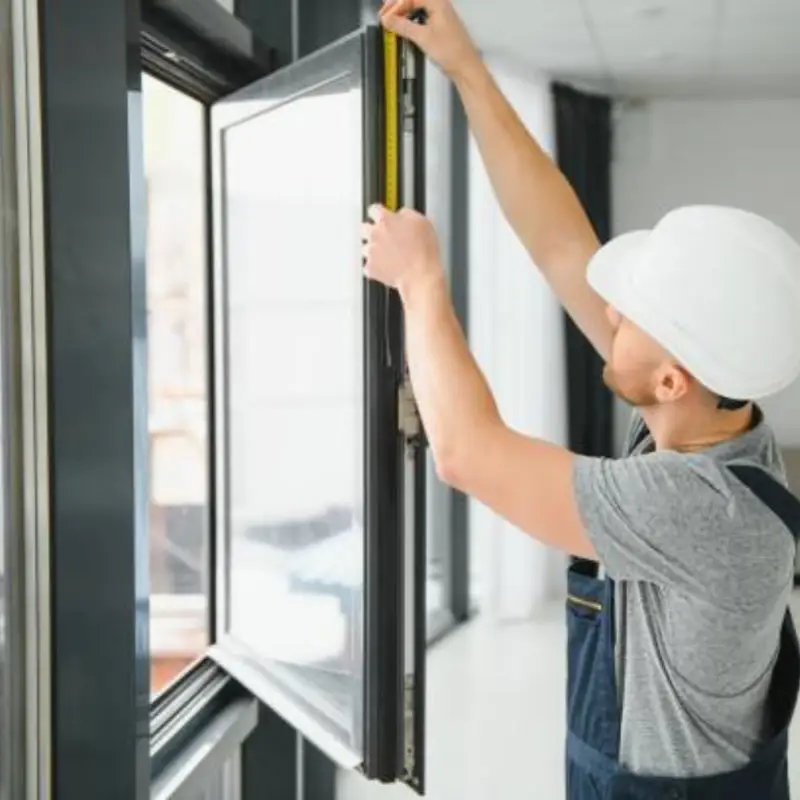
Ainda persiste a ideia errada de que as janelas de PVC são feitas apenas de plástico branco brilhante e com aparência barata, o que deprecia o interior da casa. Hoje em dia, a fabricação moderna eliminou completamente essa barreira.
- Cores arquitetônicas: Utilizando tecnologia avançada de coextrusão, o uPVC agora está disponível em acabamentos profundos com aparência metálica, como o preto fosco e o cinza antracite. Você obtém a aparência elegante e ultramoderna do alumínio de alta qualidade, mas sem o risco da tinta descascar ou do metal conduzir o frio do inverno para dentro de casa.
- Folhas com textura de madeira autêntica: Se você busca o aconchego e o calor tradicional da madeira, as esquadrias de PVC podem ser revestidas com lâminas laminadas de alta durabilidade, fixadas a quente (como Carvalho Dourado ou Nogueira). Elas imitam perfeitamente a textura e os veios da madeira natural. A vantagem para empresas? Essas lâminas são fixadas por raios UV. Elas nunca descascam, criam bolhas, apodrecem ou exigem o lixamento e a pintura intermináveis da madeira verdadeira.
Tipos de perfis de uPVC
Uma vez escolhido o estilo estético, o foco deve mudar para o que está dentro da moldura. Para construtores, arquitetos e proprietários de imóveis bem informados, a matriz de polímero e a geometria interna determinam a vida útil estrutural e a eficiência energética da janela.
Espessura da parede do perfil (Classe A vs. Classe B)
- Perfis da Classe A: Apresentando uma espessura de parede externa visível de ≥ 2,8 mmA Classe A é o padrão global premium. Oferece máxima integridade estrutural, resistência superior para fixação de parafusos em ferragens pesadas e isolamento acústico de primeira linha. Na Hotian Windows, priorizamos perfis de Classe A para garantir a segurança e a longevidade de projetos comerciais e residenciais de alto padrão.
- Perfis das Classes B e C: Com paredes mais finas (≤ 2,5 mm), são adequadas para reformas de baixo custo ou estruturas temporárias. No entanto, são altamente suscetíveis a rachaduras nos cantos e deformações sob fortes cargas de vento.
Configurações de câmaras (sistemas de 3, 5 e 7 câmaras)
Se você cortar uma estrutura de PVC ao meio, verá uma estrutura em forma de colmeia com espaços vazios. Essas são as "câmaras", que funcionam exatamente como uma garrafa térmica, retendo o ar e impedindo que o calor escape da sua casa.
- 3 câmaras: Oferece proteção térmica básica. Uma opção sólida e econômica para climas amenos.
- 5 câmaras: O padrão atual da indústria para construção moderna. Oferece a melhor relação custo-benefício, reduzindo drasticamente o consumo de energia do sistema HVAC.
- 7 câmaras: Perfis de altíssimo desempenho projetados especificamente para imóveis com consumo energético zero, Casas Passivas e zonas climáticas extremas.
Formulações de uPVC específicas para cada clima
Para projetos globais, uma solução única não serve para todos. Utilizar PVC padrão em climas extremos é garantia de fracasso. Fabricantes renomados adaptam a fórmula química da extrusão de acordo com as coordenadas geográficas do projeto.
- Perfis de resistência tropical e alta radiação UV: Os plásticos comuns amarelam, formam bolhas e esbranquiçam rapidamente sob a intensa radiação solar do Oriente Médio, África ou Austrália. Perfis de alta resistência aos raios UV são misturados com uma proporção maior de Dióxido de titânio (TiO2) e estabilizadores UV avançados para garantir a solidez da cor e a rigidez estrutural por décadas sob o sol escaldante.
- Perfis resistentes a climas frios e congelamento: Em ambientes com temperaturas abaixo de zero, como no Canadá ou no norte da Europa, os polímeros comuns perdem a elasticidade e tornam-se quebradiços. Fórmulas de extrusão para climas frios são desenvolvidas com propriedades específicas. modificadores de impacto para garantir que as estruturas permaneçam resistentes e inquebráveis em condições de congelamento.
Perguntas frequentes
P: Vale a pena o custo adicional das janelas basculantes e giratórias?
R: Sim, especialmente se você mora em uma casa ou apartamento de vários andares. Os benefícios a longo prazo, como a facilidade de limpeza, a ventilação noturna segura e a segurança para crianças, fazem dele um investimento com alto retorno para quartos e andares superiores.
P: O PVC colorido ou com efeito madeira pode desbotar ao sol?
R: Não, desde que você compre de um fabricante de boa reputação. Os revestimentos de PVC de alta qualidade, coloridos e com textura de madeira, utilizam películas acrílicas avançadas e resistentes aos raios UV, que são permanentemente fixadas ao perfil por meio de calor. Elas têm garantia contra descascamento, bolhas e desbotamento.
P: Qual o melhor tipo de janela de PVC para isolamento acústico de um quarto?
A: Para obter a melhor barreira acústica, especifique uma janela de batente ou basculante de 5 câmaras (para a vedação por compressão mais eficiente) e combine-a com vidros duplos laminados assimétricos. Essa combinação bloqueará completamente o ruído do tráfego e da vizinhança.
Conclusão
Escolher a janela de PVC perfeita exige equilíbrio. É preciso optar por um estilo de abertura que atenda às suas necessidades de espaço e estilo de vida — seja optando por janelas de correr que economizam espaço para uma varanda ou por janelas de abrir herméticas para um quarto silencioso. Ao mesmo tempo, é fundamental analisar as características do produto para garantir que o perfil, a quantidade de câmaras de ar e a formulação climática estejam de acordo com as exigências de engenharia do seu edifício.
Eleve o nível do seu próximo projeto com as janelas Hotian.
Seja você um proprietário que busca modernizar seu espaço para torná-lo mais silencioso e energeticamente eficiente, ou um incorporador imobiliário que especifica perfis Classe A com alta resistência aos raios UV para um grande empreendimento comercial, nós projetamos a solução perfeita em esquadrias.
No Janelas HotianasNão fornecemos apenas janelas; oferecemos fabricação completa e conhecimento técnico especializado, adaptados exatamente às suas especificações.
Entre em contato com nossa equipe de especialistas hoje mesmo. Para uma consulta gratuita sobre projetos personalizados, preços de atacado ou para solicitar amostras técnicas de extrusão OEM sob medida.