uPVC窓とは?知っておくべきことすべて

目次

導入

Whether you are specifying materials for a major commercial development, sourcing inventory for a building project, or planning a residential renovation, uPVC has become an inescapable term in modern construction. Yet, questions remain regarding its structural engineering, true ROI, and long-term performance under harsh elements. To cut through the noise, this 101 guide provides a comprehensive breakdown of uPVC windows. We analyze their internal mechanics, objective pros and cons, and real-world deployment across different climates. Whether you are a property developer making procurement decisions or a homeowner upgrading a residence, this guide delivers the exact clarity needed to make a confident, expert-level investment.

What is a uPVC Window & How Does It Work?

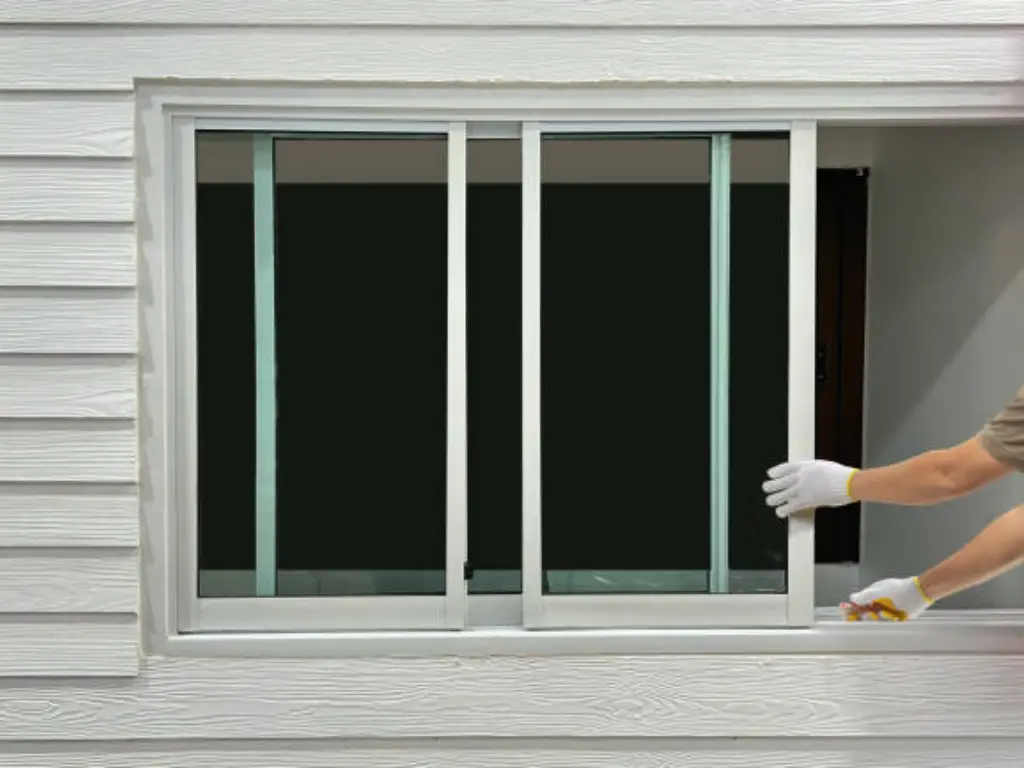
upvc window

In the simplest terms, a uPVC window is a high-performance fenestration system framed with rigid, unplasticized polyvinyl chloride and structurally reinforced with internal steel. It is engineered specifically as a high-durability, low-conduction alternative to traditional aluminum and timber frames.

uPVC vs. PVC: The Critical Difference

To understand uPVC, you must understand the “u” (Unplasticized). Regular PVC is infused with plasticizers to make it flexible, which is ideal for garden hoses or cables but useless for construction. uPVC has zero plasticizers, making it an entirely different beast: hard, impact-resistant, and chemically stable.

特徴Regular PVC (Polyvinyl Chloride)uPVC(非可塑化PVC)
可塑剤Added (makes the material soft & bendable)なし (leaves the material rigid & rock-solid)
構造の完全性Low; prone to stretching and warpingExtremely High; structural grade material
UV ResistancePoor; turns brittle and degrades under the sun素晴らしい; blended with UV stabilizers for outdoor exposure
Safety ProfileMay leach chemicals over time (Phthalates/BPA)100% Non-toxic, lead-free, and safe for indoor use
Common UsesIV tubes, shower curtains, flexible hosesWindow frames, exterior doors, heavy-duty water mains

The Internal Mechanics: How a uPVC Window Works

A uPVC window acts as an active engineering barrier, relying on three internal mechanisms to handle energy, physical loads, and weather elements:

  • Mechanism 1: The Thermal Blockade (Multi-Chamber Tech) Unlike conductive aluminum, uPVC is a natural insulator. The frame’s interior features a series of webbed, air-filled pockets (multi-chambers) that disrupt convective air currents. In summer, solar heat is trapped and dissipated in the outer chambers; in winter, the inner chambers prevent indoor heat from escaping, locking your climate zone in place.
  • Mechanism 2: Rigid Core Stabilization (Galvanized Steel Reinforcement) Polymers naturally expand and contract with severe temperature shifts. To prevent warping or sagging under heavy double-glazing, high-quality uPVC profiles conceal a thick, galvanized steel core within the main chamber. This backbone bears the heavy glass load and absorbs external wind pressure, ensuring the window never jams.
  • Mechanism 3: Hermetic Compression Sealing (Fusion-Welded Corners) While traditional windows are mechanically joined with screws—leaving micro-gaps for air and water leaks—uPVC profiles are high-temperature fusion-welded at the corners into a continuous, seamless piece. Paired with co-extruded EPDM or TPE rubber gaskets, this creates a 100% airtight seal that eliminates drafts and water ingress.

Pros, Cons, and Best Applications of uPVC Windows

To build a transparent view, let’s look at the objective advantages and limitations of this material.

The Pros

  • Outstanding Thermal Insulation: uPVC is a natural non-conductor of heat. It keeps your home cool in summer and warm in winter, significantly lowering your utility bills.
  • Zero-Maintenance Lifestyle: Unlike wood, uPVC never needs to be sanded, repainted, or treated for termites. A simple wipe-down with soapy water once or twice a year is all it takes.
  • Extreme Weatherproof Durability: It does not rust, corrode, or rot. It can withstand intense UV rays, torrential rain, and heavy winds without degrading.

The Cons

  • Aesthetic Limitations for Heritage Homes: If you own a century-old historical property, the crisp, modern look of uPVC might feel out of place compared to traditional timber.
  • Thicker Frame Profiles: Because uPVC relies on internal chambers and steel cores for strength, its borders are naturally wider than aluminum. It is not ideal if you want an ultra-slim, “invisible” frame look.

Best Applications of uPVC Windows

While uPVC works great in almost any home, it is the absolute undisputed champion in these specific environments:

  • Coastal & High-Salinity Zones: Salt air is brutal on metals. Aluminum windows in coastal areas can oxidize, pit, and blister. uPVC has a natural immunity to salt spray and moisture, making it the premier choice for beachfront properties.
  • Extreme Temperature Climates: In regions with freezing winters or scorching summers, metal frames act as thermal bridges, letting your expensive indoor heating or cooling escape. uPVC’s low thermal conductivity seals your indoor climate perfectly.
  • High-Moisture Rooms (Bathrooms & Kitchens): Constant steam and splashes will warp wood and degrade low-grade metals. uPVC thrives in moisture, handles humidity perfectly, and wipes clean of grease or oil instantly.

Window Material Comparison: uPVC vs. Aluminum vs. Timber

How does uPVC hold up against the other two giants of the window industry? Let’s look at a direct, practical comparison based on what matters most to your wallet and daily life.

特徴uPVC窓アルミニウム窓Timber/Wood Windows
Insulation & Thermal Efficiency素晴らしい(Natural insulator + multi-chambers)Weak to Moderate(Must upgrade to expensive thermal breaks)素晴らしい(Natural wood density holds heat well)
Post-Purchase Maintenance非常に低い(Occasional wipe down)非常に低い(Durable powder coating)非常に高い(Requires sanding & painting every few years)
平均寿命20 – 30+ Years30 – 45+ Years50年以上(Only if meticulously maintained)
Price & Value for Money$$(Best balance of low cost & high performance)$$$(Higher initial cost for high-end systems)$$$$(Premium luxury material pricing)
Profile Slimness & ViewThicker, wider bordersUltra-slim frames(Maximizes glass area)Medium to thick borders
Structural Strength適度(Requires internal steel; not for massive walls)Extremely Strong(The king of giant architectural glass)強い(Excellent load-bearing but prone to humidity warping)
最適な用途Modern homes, coastal properties, energy-efficient renovationsMinimalist industrial designs, massive floor-to-ceiling glass wallsHeritage restorations, high-end rustic luxury villas

The Takeaway: If your priority is a massive, seamless glass curtain wall with razor-thin frames, invest in Aluminum. If you live in a historic conservation area, buy Timber. But if you want the ultimate all-rounder—exceptional insulation, zero maintenance, and the best return on investment—uPVC is the clear winner.

Styles & Aesthetics

Gone are the days when uPVC windows only came in a cheap, shiny white plastic finish. Modern manufacturing has transformed uPVC into a design-forward option.

Modern Colors & Premium Finishes

Modern uPVC has completely shed its “cheap plastic” look. Frames can now be customized using high-durability surface technologies to match any architectural style:

  • Architectural Palettes: Minimalist Matte White, striking Deep Black, and contemporary Anthracite Grey offer a sleek, premium metallic aesthetic.
  • Woodgrain Foils: Advanced heat-bonded coatings realistically mimic the grain, texture, and warmth of real timber (e.g., Golden Oak, Irish Oak, Walnut).
  • 結論: You capture the high-end look of authentic wood or aluminum while retaining uPVC’s signature zero-maintenance durability.

Mainstream Opening Styles

uPVC can be precision-welded into almost any configuration. Below is an overview of the mainstream opening styles, their mechanisms, and where they perform best in architectural layouts:

Window StyleOpening MechanismBest Suited For (Ideal Applications)Pro Tip / Engineering Trait
開き窓(Classic & Versatile)Hinged at the side; cranks or swings outward/inward.Living rooms, bedrooms, and any area requiring maximum ventilation.Offers the tightest compression seal when locked, making it highly energy-efficient.
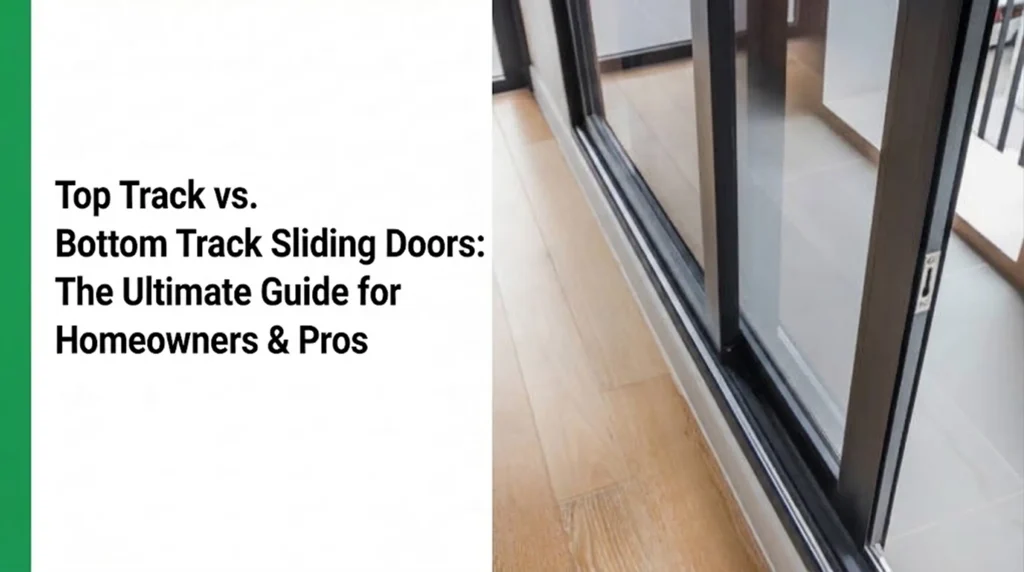
スライディング(Space-Saver)Runs horizontally along tracks. Doesn’t project outward.Patios, balconies, narrow walkways, and rooms with limited clearance.Excellent for wide openings; however, it has slightly lower acoustic insulation than casement options due to brush seals.
チルト&ターン(The Premium Favorite)Dual-action: tilts inward at the top for micro-ventilation, or opens fully inward like a door.High-rise apartments, upper-level bedrooms, and child-safe environments.Allows 100% safe cleaning of the exterior glass from 内部 the room. The absolute standard in modern European design.
オーニング(Rain-Proof)Hinged at the top; pushes outward from the bottom.Bathrooms, kitchens, and damp climates requiring ventilation during rain.Creates a natural “awning” canopy that keeps rain out while letting fresh air circulate.
ダブルハンギング(Traditional Appeal)Two sashes slide vertically up and down within the frame.Traditional, Victorian, or Colonial architecture; historical exterior renovations.Extremely popular in US/UK markets; saves exterior space while providing controllable top/bottom ventilation.
Fixed / Picture(Maximum Efficiency)Non-opening; dead-pane glass fixed directly inside the frame.Hallways, double-height voids, and walls designed to frame an outdoor view.Because it has no moving parts or joints, it offers the lowest cost and highest thermal efficiency possible.

To achieve this flawless, high-end finish without future peeling or fading, partnering with a proven manufacturer is crucial. Whether you need custom woodgrain foils or sleek architectural colors, ホティアンウィンドウズ provides the bespoke engineering and comprehensive service needed to bring your vision to life perfectly.

Glazing & Security

A window frame represents only 20% of the entire opening; the remaining 80% is the glass system. To unlock the full engineering potential of a uPVC frame without overspending, use these price-integrated selection and specification matrices:

1. The Glazing Configuration & Price Selection Matrix

Glazing Tech / Option最適な用途Actionable Buying Advice & ROIRelative Cost Impact
二重ガラス(The Default Standard)Moderate climates, standard residential builds, and budget-conscious projects.Insist on a 16mm air gap (e.g., 4mm-16mm-4mm profile). Avoid narrow gaps (under 12mm) to ensure optimal thermal performance.Baseline Price ($)(The most economical high-performance option)
トリプルガラス(The Premium Upgrade)Freezing northern zones, Passive House compliance, or extreme noise zones (highways, railways).Robust uPVC profiles support this heavy weight perfectly. Only pay this premium if facing extreme cold or noise.+20% to +30%over double glazing(Slower ROI in mild climates)
Low-E Coating(Mandatory Spec)All climates looking to slash HVAC energy consumption.暑い気候: Place on the 外側 pane to repel solar heat.寒冷気候: Place on the 内側 pane to trap indoor heating.+3% to +5%(Incredibly high ROI; pays for itself within months)
Argon Gas Filling(Mandatory Spec)Every window order; maximum thermal optimization.Always specify Argon over plain air. It adds very little to the total window cost but instantly boosts glass efficiency by up to 30%.+2% to +5%(A no-brainer upgrade for any budget)

2. Hardware, Security & Cost Specification Checklist

Feature / ComponentStandard Specification(Minimum Baseline)High-Security Upgrade(For Ground Floors & Vulnerable Zones)Cost Impact of Upgrade
ロック機構Single-point latch(Reject this outright for safety and sealing).マルチポイントロックシステム: 3 to 5 interlocking bolts engage around the frame perimeter with a single handle turn.Included as Standard in high-quality uPVC systems. Avoid suppliers charging extra for basic multi-locking.
ガラスの種類Toughened / Tempered Glass: Breaks safely into blunt, tiny pieces; however, it shatters instantly upon heavy impact.Laminated Glass (PVB Interlayer): Shards stick to an internal plastic layer even when fractured, completely deterring smash-and-grab break-ins.+25% to +40%per glass pane.Pro Tip: Only upgrade ground-floor or accessible windows to save costs.
Hardware MountingScrewed directly into the plastic profile.(Prone to pulling out under force).Steel-Anchored Hardware: Heavy-duty screws must bite directly through the plastic and into the internal galvanized steel core.Included as Standard in structural-grade uPVC profiles. Essential for both security and long-term durability.

Cost and Long-Term ROI

Let’s talk numbers. When looking at window replacements, you must consider both the initial cost and the lifetime savings.

  • Lower Upfront Cost: On average, uPVC windows are 30% to 50% more affordable than aluminum and high-quality timber windows. This cost efficiency stems from streamlined automated extrusion manufacturing processes.
  • Energy Savings (The Real ROI): Because windows are the primary source of thermal loss in residential buildings, upgrading to uPVC can reduce your heating and cooling energy use by 15% to 30%. Over a few years, the windows literally pay for themselves through reduced electricity bills.
  • Property Value: In today’s real estate market, buyers look closely at energy ratings and future maintenance costs. A home outfitted with low-maintenance, high-efficiency uPVC windows holds a distinct edge in property valuations.

Buying & Installation Tips

To wrap up our 101 guide, here is how to ensure your investment stands the test of time.

Precision System Integration & Quality Control

You can buy the most expensive, top-tier uPVC window profile in the world, but if the installation is poor, it will fail. If the installation team does not level the frame perfectly, fails to back-fill expanding foam completely, or rushes the exterior waterproof silicone sealant, your window will leak air and water. Always hire certified, experienced installers who specialize specifically in uPVC systems.

Evaluating Tiered Warranty Structures

A reputable window company should offer a clear, tiered warranty. Look for these baselines:

  • Profile Warranty: 10 to 20 years guaranteeing that the uPVC will not discolor, yellow, distort, or crack under solar exposure.
  • Glazing Warranty: 5 to 10 years ensuring the seal between the glass panes will not fail and cause internal condensation or fogging.
  • Hardware Warranty: 2 to 5 years covering moving mechanical parts like hinges, handles, and locks.

メンテナンスとケア

While uPVC is highly celebrated for its low-maintenance profile, it is not “no-maintenance.” Whether you are a facility manager overseeing a commercial property or a homeowner protecting an investment, implementing a minimal care routine once or twice a year ensures the system easily exceeds its 30-to-40-year lifespan.

1. Cleaning the Frames (The Golden Rule)

To prevent atmospheric dust and pollution buildup, wash the uPVC profiles periodically.

  • 使用するもの: Use a soft cloth or sponge paired with warm water and a mild liquid detergent (like dish soap).
  • What to avoid: Never use abrasive scouring pads, steel wool, or harsh solvent-based cleaners (like acetone, thinners, or bleach). These chemicals can permanently degrade the gloss finish and eat away at the built-in UV stabilizers, leading to premature aging.

2. Lubricating the Hardware

The mechanical integrity of casement hinges, friction stays, and multi-point locking gear relies on proper lubrication.

  • Clear out any accumulated grit or dust from the metallic tracks using a stiff brush or a vacuum crevice tool.
  • Apply a few drops of light machine oil (such as 3-in-1 oil) or a dedicated silicone spray to all moving pivot points and locking hooks annually. Avoid heavy grease, which acts like a magnet for airborne dust and dirt.

3. Clearing the Built-in Drainage (Weep Holes)

Every engineered uPVC window features a built-in water management system. If you open the window sash, you will see small slots or “weep holes” drilled into the bottom track profile.

  • These tracks catch water bypass during heavy downpours and redirect it safely outside.
  • Check these slots annually. If leaves, dirt, or construction debris clog them, water will back up and leak into the interior building structure. Use a small pipe cleaner or wire to ensure they remain clear.

4. Gasket Maintenance

The rubber compression seals (EPDM or TPE gaskets) are what keep your window 100% draft-proof.

  • Wipe them down with a damp cloth during frame cleanings to keep them free of debris.
  • Wiping them with a light coat of silicone spray once a year keeps the rubber supple, preventing it from drying out, cracking, or sticking to the frame over time.

よくある質問(FAQ)

Q: How many years do uPVC windows actually last?

答え: With standard care, high-quality uPVC windows easily last between 20 to 30 years. Premium options built with top-tier stabilizers can comfortably exceed 40 years without structural degradation.

Q: Will uPVC turn yellow or brittle under intense sunlight?

答え: Cheap, unbranded plastic profiles from decades ago used to yellow. However, modern architectural-grade uPVC profiles are blended with specialized UV-stabilizers (such as Titanium Dioxide). This prevents solar radiation from breaking down the polymers, ensuring the frames stay bright and structurally sound even in sun-drenched regions.

結論

Selecting the right fenestration materials is a critical decision that dictates a project’s energy ratings, maintenance overhead, and long-term ROI. When you strip away the noise, uPVC stands out as the smartest, most cost-effective structural solution for modern construction—delivering unmatched thermal efficiency and durability at scale.

Elevate Your Next Building Project

Whether you are a property developer specifying materials for a massive commercial build, an architect seeking custom configurations, or a contractor sourcing reliable inventory, having the right manufacturing partner makes all the difference.

If you are ready to explore high-performance uPVC systems engineered exactly to your project’s specifications, the fenestration experts at ホティアンウィンドウズ are here to deliver precise, high-volume solutions tailored to your structural requirements.

Reach out to our team today for a technical project consultation, a custom wholesale quote, or to request product samples—and let’s ensure your next development is executed flawlessly.

フェイスブック
X
リンクトイン

大手窓・ドアメーカー - Hotian

Hotian は、オーダーメイドの窓やドアの作成、製造、供給を専門とし、さまざまな商業および住宅プロジェクト向けのソリューションを提供しています。今すぐお問い合わせいただき、お客様のプロジェクトのアイデアを実現する方法をご確認ください。

ヘルプが必要ですか?チャットでお問い合わせください

無料相談を受ける

サポートされているファイル:jpg、png、pdf、jepg。最大ファイルサイズ:20Mb

*お客様の情報は当社で安全に保管されますのでご安心ください。