Introduzione
Hai speso una fortuna per nuove finestre ma continui a soffrire per gli spifferi invernali, il caldo estivo e il rumore del traffico? Il problema di solito risiede nel trascurare il vetro, che costituisce la maggior parte della superficie della finestra. Molti venditori non ti diranno che un vetro più spesso o un triplo vetro non sono automaticamente la soluzione migliore. In questa guida, evitiamo il gergo complicato per esplorare le migliori soluzioni. tipologie di vetro per finestre. Attraverso un'analisi chiara dei pro e dei contro, formule di configurazione pratiche e scenari reali, ti aiuteremo a scegliere il vetro perfetto per il tuo budget, assicurandoti che ogni centesimo sia ben speso.
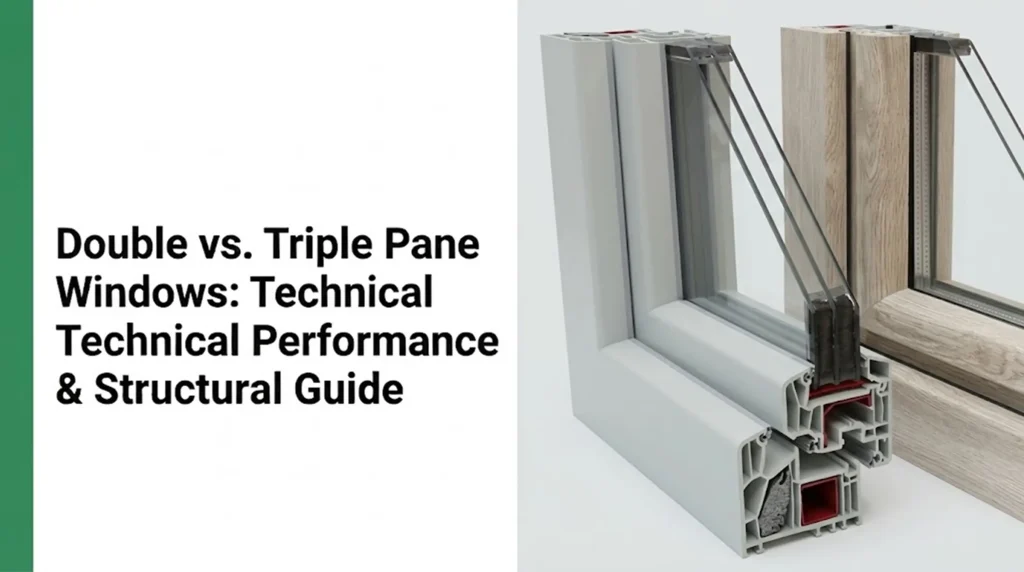
Strati di vetro spiegati: vetro singolo, doppio o triplo.
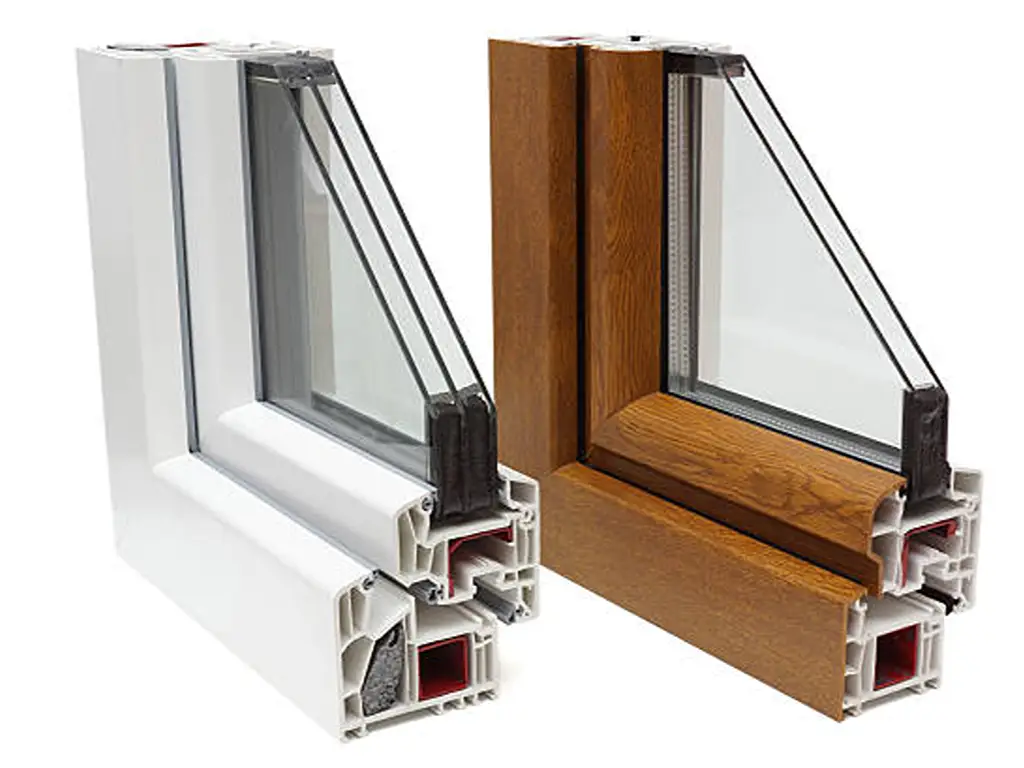
Chiariamo subito: il numero di strati di vetro determina la struttura di base dell'isolamento termico e acustico della finestra.
| Strati di vetro | Principali vantaggi e svantaggi | Isolamento acustico/termico | Costo stimato (solo vetro) | Pubblico di riferimento e consigli |
| Pannello singolo | Pro: Estremamente economico e leggero.Contro: Isolamento acustico e acustico nullo; elevata tendenza alla formazione di condensa. | 🌟 | ~$30 – $50 / mq(~$3 – $5 / piede quadrato) | Sconsigliato per uso residenziale. Adatto solo per spazi non abitabili come garage o rimesse per attrezzi. |
| Doppi vetri | Pro: Eccellente rapporto qualità-prezzo, conforme alla norma 90% per le esigenze quotidiane.Contro: Richiede aggiornamenti per bloccare i forti rumori a bassa frequenza. | 🌟🌟🌟🌟 | ~$80 – $150 / mq(~$8 – $14 / piede quadrato) | La scelta standard. Ideale per le case standard. Il budget dovrebbe essere investito nell'aggiornamento della configurazione interna. |
| Triplo vetro | Pro: Isolamento termico e acustico ottimali; elimina completamente la condensa.Contro: Molto pesante, richiede componenti robusti, minore trasmissione della luce. | 🌟🌟🌟🌟🌟 | ~$180 – $300+ / mq(~$17 – $28+ / piede quadrato) | Per climi estremi. Ideale per regioni con temperature rigide o per proprietari di case con esigenze estreme di calore e silenzio. |
Nota sui prezzi: I prezzi sopra indicati sono stime medie di mercato relative alle sole unità in vetro. I costi finali varieranno in base allo spessore del vetro, alle dimensioni e ai materiali del telaio.
Confronto tra i 4 principali materiali per il vetro delle finestre
Anche con i doppi vetri, la differenza di prezzo può raddoppiare a seconda dei materiali utilizzati. Ecco le "caratteristiche speciali" che ogni tipo di vetro offre:
1. Confronto dei materiali principali
| Tipo di vetro | Sicurezza / Resistenza agli urti | Insonorizzazione | Isolamento termico | trasmissione della luce | Costo stimato (pannello singolo) | "Superpotenza" fondamentale“ |
| Vetro float standard | ❌ Molto basso (Si frantuma in schegge affilate e pericolose) | ⭐️ Scarso | ⭐️ Molto scarso | 🌟🌟🌟🌟🌟 | ~$20 – $40 / mq(~$2 – $4 / piede quadrato) | Economico e trasparente, ma con prestazioni di basso livello. |
| Vetro temperato | ✅ Molto alta (Si frantuma in sassolini smussati e sicuri) | ⭐️ Scarso | ⭐️ Molto scarso | 🌟🌟🌟🌟🌟 | ~$30 – $60 / mq(~$3 – $6 / piede quadrato) | Tutela la sicurezza delle persone; conforme agli standard del codice edilizio. |
| Vetro laminato | ✅ Molto elevata (Antiurto, i frammenti aderiscono allo strato intermedio) | 🌟🌟🌟🌟🌟 | ⭐️⭐️ Medio | 🌟🌟🌟🌟 | ~$70 – $120 / mq(~$7 – $11 / piede quadrato) | Isolamento acustico e antifurto di altissimo livello; blocca i rumori a bassa frequenza. |
| Vetro a bassa emissività | ❌ Molto basso (a meno che non sia temperato) | ⭐️ Scarso | 🌟🌟🌟🌟🌟 | 🌟🌟🌟 | ~$40 – $80 / mq(~$4 – $8 / piede quadrato) | Caldo d'inverno, fresco d'estate; riflette il calore come uno specchio. |
Correggere le idee sbagliate: Il vetro temperato serve solo per la sicurezza. Per l'isolamento acustico, è necessario utilizzare il vetro stratificato. Per l'isolamento termico, è necessario utilizzare il vetro a bassa emissività (Low-E).
[Consiglio dell'esperto] La vera sicurezza si basa su più di semplici promesse verbali. Finestre e porte di alta qualità devono superare rigorosi "test del diavolo" prima della consegna. Caldo, i nostri sistemi di finestre in vetro hanno superato rigorosi prove di resistenza all'effrazione E prove di impatto, costruendo un sistema di difesa affidabile per milioni di famiglie e rispettando perfettamente i severi codici di sicurezza degli edifici commerciali di riferimento.
2. Il fulcro dell'efficienza energetica: il rivestimento a bassa emissività
Per qualsiasi ambiente in cui l'aria condizionata o il riscaldamento rimangono accesi per lunghi periodi, si consiglia vivamente di applicare un rivestimento a bassa emissività (Low-E). Questo rivestimento agisce come la fodera interna di un thermos, bloccando le ondate di calore in estate e trattenendo il calore in inverno.
[Approfondimento del produttore] Il valore U delle finestre a doppio vetro standard presenti sul mercato è in genere intorno a 0,35. In qualità di produttore di fonte diretta, Caldo utilizza tecnologie di riempimento con argon di alto livello e di rivestimento multistrato per portare la finestra complessiva Valore U ridotto a un impressionante 0,20–0,28. Che si tratti di ristrutturare la propria abitazione o di sviluppare un grande progetto commerciale, possiamo fornire soluzioni di risparmio energetico altamente personalizzate.
3. Privacy e controllo della visibilità: bagni e piani bassi
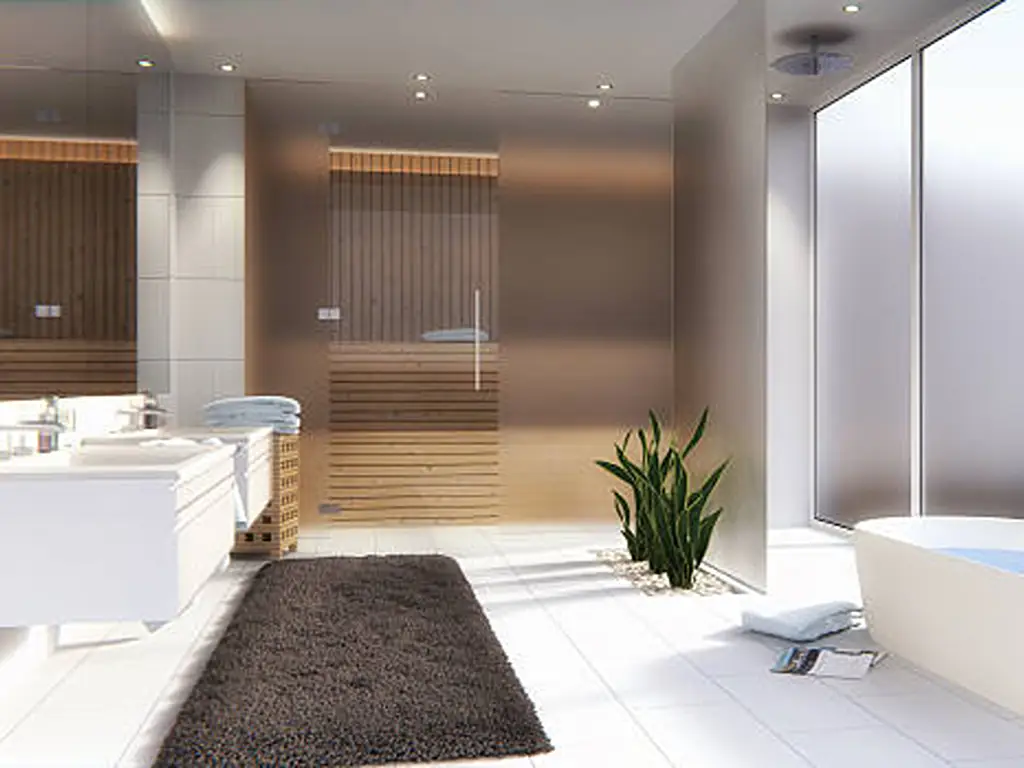
- Vetro satinato tradizionale contro vetro scanalato/decorato: Il primo blocca completamente la vista (perfetto per i bagni); il secondo è altamente estetico e migliora la percezione spaziale, ma può rivelare sagome da vicino. Quando si utilizza il doppio vetro, posizionare sempre la superficie satinata/decorata sul dentro della cavità cava in modo che entrambe le superfici esterne rimangano lisce e facili da pulire.
- Vetro intelligente (commutabile): Una soluzione high-tech che passa da trasparente a opaco con un semplice interruttore. Costa più di 10 volte il prezzo del vetro standard, ed è adatta a budget di lusso.
Come scegliere i doppi vetri: 3 soluzioni rapide
Ora che conosci i pro e i contro, porta questo elenco al tuo fornitore per ottenere preventivi ed evitare di essere indotto ad acquistare prodotti o servizi aggiuntivi non necessari.
Opzione 1: Per il massimo isolamento acustico (strade rumorose)
- La formula aurea: Vetro stratificato + intercapedine d'aria/argon + vetro temperato (di spessore variabile)
- Esempio di configurazione: Vetro da 5 mm + intercalare in PVB + vetro da 5 mm (interno) + intercapedine d'aria da 12A + vetro temperato da 6 mm (esterno)
- Perché funziona: Lo strato intermedio di resina nel vetro stratificato è il nemico giurato dei rumori a bassa frequenza e rimbombanti, come quelli dei motori delle auto o della musica con bassi potenti. L'utilizzo di spessori di vetro diversi su ciascun lato interrompe l'effetto di risonanza delle onde sonore. I test dimostrano che il vetro standard a triplo strato è di gran lunga inferiore al vetro stratificato a doppio strato in termini di isolamento acustico.
Opzione 2: Per il controllo della temperatura e la massima illuminazione naturale (stanze esposte al sole)
- La formula aurea: Vetro temperato a bassa emissività ad alta trasmittanza + intercapedine di argon + vetro temperato standard
- Esempio di configurazione: Vetro Low-E ad alta trasmittanza da 6 mm (esterno) + gas Argon 12Ar + vetro temperato da 6 mm (interno)
- Perché funziona: È necessario richiedere esplicitamente la tecnologia Low-E ad "alta trasmittanza" per garantire una trasmittanza luminosa superiore a 70% (mantenendo la stanza luminosa). Abbinata al gas Argon per ridurre ulteriormente la dispersione termica, questa tecnologia blocca i raggi UV e il calore senza sacrificare la luce solare naturale.
Opzione 3: Per prestazioni a tutto tondo (isolamento + insonorizzazione + luce naturale)
- La formula aurea: Vetro stratificato + intercapedine di argon + vetro temperato a bassa emissività ad alta trasmittanza.
- Esempio di configurazione: 5 mm + PVB + 5 mm laminato (interno) + 12Ar Argon + 6 mm Low-E ad alta trasmittanza (esterno)
- Previsione di budget: Questo è il "campione indiscusso" dei doppi vetri. Solitamente costa dai 60% agli 80% in più rispetto ai doppi vetri standard, ma l'aumento del comfort abitativo è esponenziale. Perfetto per le camere da letto principali.
Comprendere le classificazioni e le specifiche delle finestre
Quando si acquistano finestre, i venditori amano usare un linguaggio tecnico. Non fidatevi delle loro argomentazioni: chiedete la scheda tecnica ufficiale delle prestazioni della finestra e cercate questi quattro valori standardizzati:
1. Fattore U / Valore U (Isolamento termico)
- Cosa significa: Misura l'efficacia di una finestra nell'impedire la dispersione del calore.
- La regola: Più basso è il numero, migliore è l'isolamento.
- Segno di riferimento: I doppi vetri standard di solito hanno una superficie di circa 0,35–0,50. Le finestre ad alte prestazioni a risparmio energetico (come quelle prodotte da Hotian) possono raggiungere 0,20–0,28, riducendo drasticamente le bollette del riscaldamento invernale.
2. SHGC – Coefficiente di guadagno di calore solare (controllo del calore solare)
- Cosa significa: Misura la quantità di calore della luce solare che attraversa il vetro (valore da 0 a 1).
- La regola:
- Climi caldi / Camere esposte a ovest: Cerca un SHGC BASSO (< 0,25) per bloccare il forte calore solare.
- Climi freddi: UN SHGC più elevato (> 0,40) Permette al calore naturale del sole di riscaldare la tua casa gratuitamente in inverno.
3. Classificazione STC – Classe di trasmissione del suono (riduzione del rumore)
- Cosa significa: Misura l'efficacia con cui la finestra blocca le frequenze sonore esterne.
- La regola: Più alto è il numero, più silenziosa sarà la tua stanza.
- Segno di riferimento: I doppi vetri stratificati solitamente raggiungono 38–45+ (essenziali per autostrade o aeroporti), mentre i doppi vetri standard sono solo circa 28–32.
4. VT o VLT – Trasmittanza della luce visibile (luminosità naturale)
- Cosa significa: La percentuale di luce naturale che attraversa il vetro.
- La regola: Più alto è il numero, più luminosa sarà la luce naturale interna.
- Consiglio da professionista: I rivestimenti Low-E a volte possono scurire il vetro. Richiedere sempre Alta trasmittanza bassa emissività (VT > 65%) Se desideri risparmiare energia senza che il tuo soggiorno assuma un aspetto oscurato.
La guida per evitare le insidie
- Non lasciarti ingannare dal gergo tecnico: Ignora la presentazione di vendita e guarda direttamente il vetro Fattore U (più basso è meglio per l'isolamento) e Valutazione STC (un valore più alto è migliore per l'isolamento acustico).
- Attenzione ai "falsi doppi vetri" e ai "falsi vetri a bassa emissività": È possibile utilizzare il test dell'accendino per verificare la presenza di vetro a bassa emissività (osservare il riflesso della fiamma per vedere se uno dei riflessi ha un colore diverso). Inoltre, controllare la presenza di essiccanti nella barra distanziatrice in alluminio per evitare di acquistare vetro mal sigillato e con perdite.
- L'effetto secchio: Per quanto pregiato sia il vetro, se il telaio e l'installazione della finestra sono scadenti, vento e rumore continueranno a penetrare. Un buon vetro deve essere abbinato a profili e guarnizioni di qualità.
[Consigli professionali] Anche il vetro migliore lascerà passare aria e acqua se il profilo del telaio e la lavorazione di sigillatura non sono adeguati. Per eliminare questo "effetto secchio",“ Caldo‘Le linee di prodotti di incorporano in modo completo prove di infiltrazione d'aria e d'acqua, prove di prestazione strutturale e prove di carico ciclico. Garantiamo un'eccellente tenuta all'acqua e all'aria, sia in caso di tifoni provenienti da sud che di bufere di neve provenienti da nord.
Conclusione
Il mantra fondamentale: Paura del freddo e del caldo? Scegli il vetro basso emissivo (Low-E). Strada rumorosa? Opta per il vetro laminato. Finestre a tutta altezza? Il vetro temperato è d'obbligo. Bagni? Nasconditi dietro il vetro satinato.
Scegliere il vetro giusto è un passo cruciale per migliorare la qualità della vita e dell'edificio. In qualità di produttore con radici profonde nel settore di porte e finestre, Caldo | soluzioni complete Dalla progettazione all'installazione. Contattaci subito con le tue planimetrie o i tuoi progetti per ricevere un elenco di configurazione professionale gratuito e un preventivo direttamente dalla fabbrica!