Introduction
Les fenêtres sont un élément essentiel de tout bâtiment : elles façonnent son esthétique, optimisent la lumière naturelle et influent directement sur vos factures énergétiques mensuelles et votre confort intérieur. Cependant, s’y retrouver parmi la vaste gamme de fenêtres disponibles – des classiques fenêtres à battants aux modernes fenêtres panoramiques, en passant par le PVC économique et l’aluminium à rupture de pont thermique haut de gamme – peut s’avérer complexe. Un mauvais choix peut engendrer des courants d’air, des nuisances sonores et une dévalorisation de votre bien immobilier (attrait extérieur). Que vous soyez un particulier envisageant une rénovation ou un professionnel des achats à la recherche d’un fournisseur B2B fiable, ce guide complet vous permettra d’y voir plus clair et de prendre une décision éclairée, alliant performance, esthétique et budget.
Les 7 types de fenêtres les plus populaires : une analyse détaillée
Comprendre le fonctionnement et l'ouverture d'une fenêtre est la première étape essentielle de votre choix. Sa conception structurelle détermine non seulement l'esthétique de votre habitation, mais aussi sa ventilation et son isolation. Vous trouverez ci-dessous une description détaillée des 7 principaux types de fenêtres, ainsi que leurs avantages et inconvénients respectifs :
Fenêtres à battants
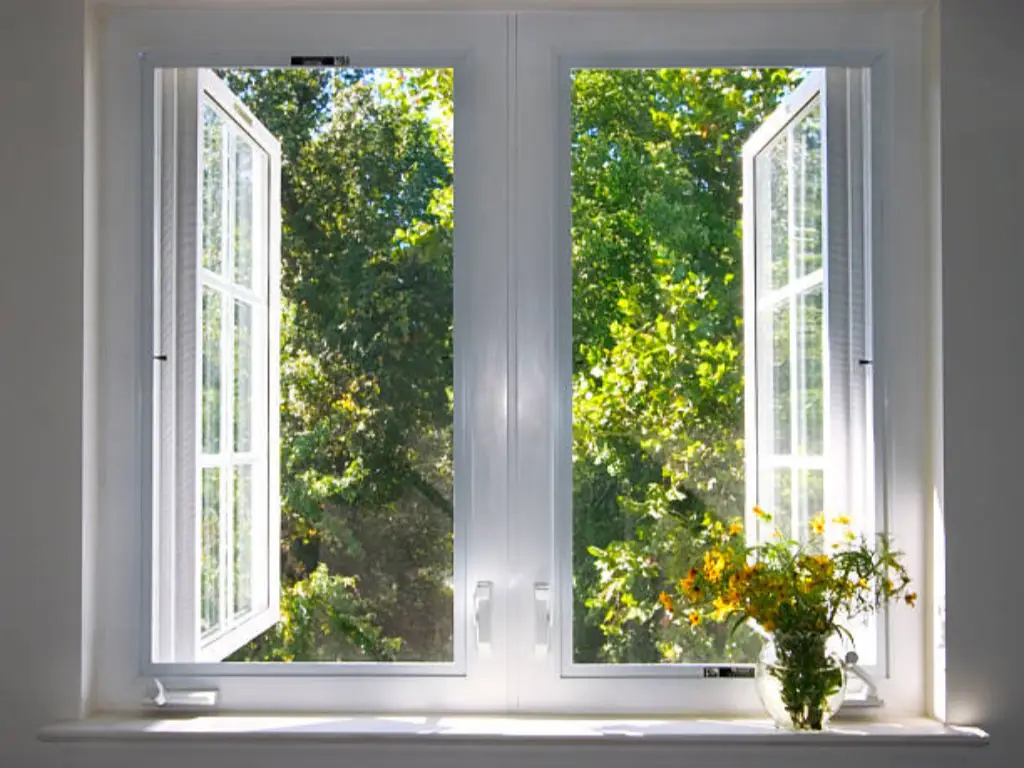
Ces fenêtres sont fixées sur le côté et s'ouvrent vers l'extérieur ou vers l'intérieur comme une porte, généralement à l'aide d'une poignée ou d'un mécanisme à manivelle manuelle.
Avantages :
- 100% Ventilation : Une fois complètement ouverte, toute la surface de la fenêtre capte les brises entrantes, canalisant l'air frais dans la pièce.
- Étanchéité à l'air exceptionnelle : grâce à la pression exercée par le châssis contre les joints du cadre lorsqu'il est verrouillé, cette fenêtre offre une efficacité énergétique et une isolation acoustique optimales, parmi toutes les fenêtres ouvrantes.
- Vue dégagée : sans rambarde centrale, elles offrent une vue panoramique imprenable sur l'extérieur.
Inconvénients :
- Consommation d'espace extérieur : Leur ouverture vers l'extérieur peut obstruer les allées extérieures, les patios ou les terrasses, les rendant inadaptées aux couloirs étroits ou aux zones envahies par la végétation.
- Usure mécanique : Avec le temps, le poids des vitres peut mettre à rude épreuve les charnières et les mécanismes à manivelle, ce qui nécessite des ferrures de haute qualité.
Idéal pour :
- Au-dessus de l'évier de la cuisine ou face au salon, ces fenêtres s'ouvrent très facilement grâce à leur mécanisme à manivelle, sans avoir à se contorsionner au-dessus d'un plan de travail profond. Leur surface vitrée dégagée offre une vue imprenable sur le jardin.
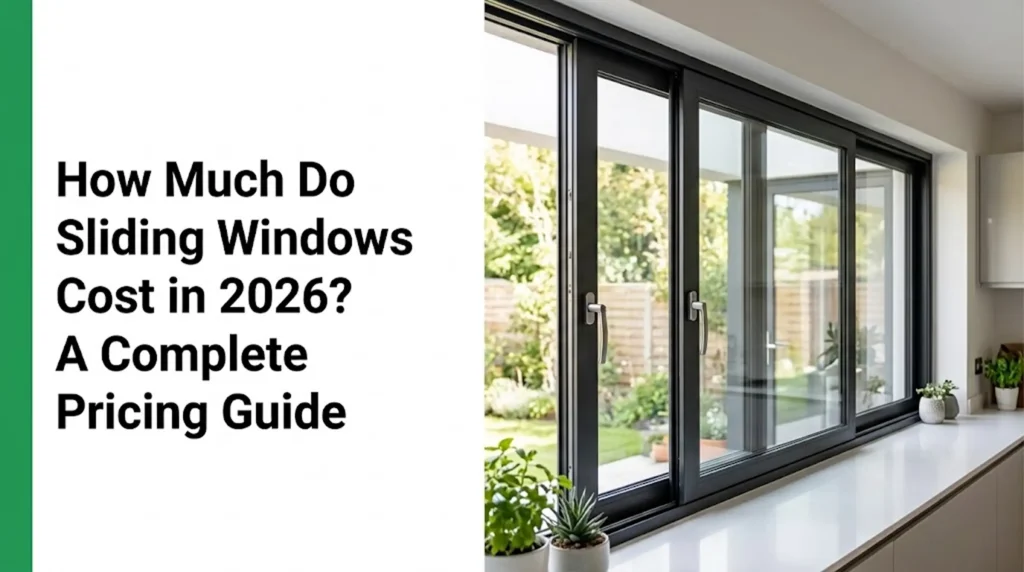
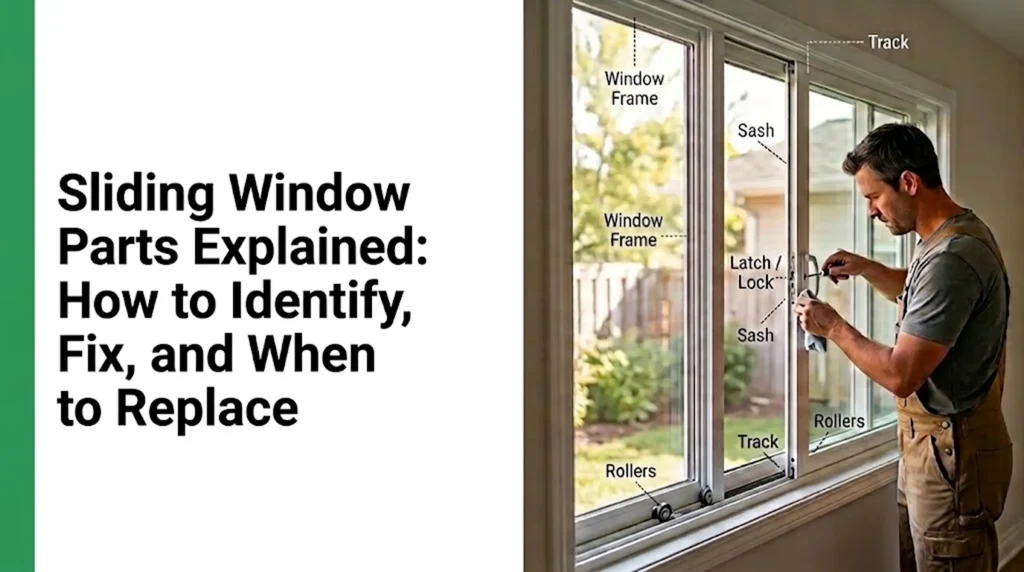
Fenêtres coulissantes
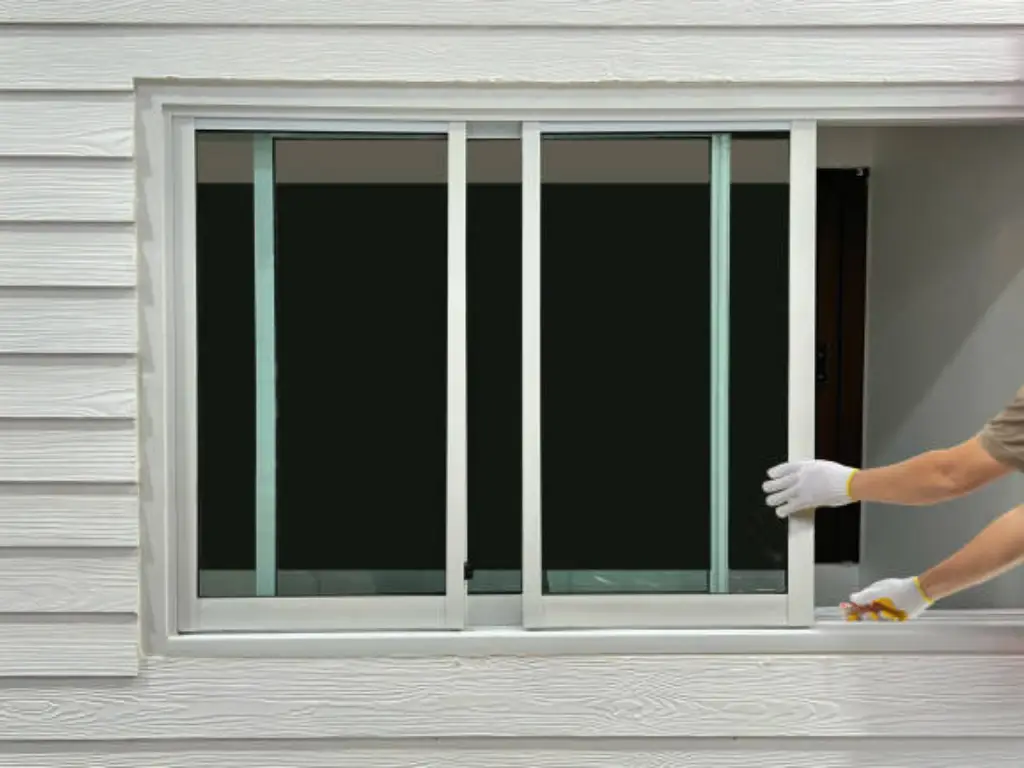
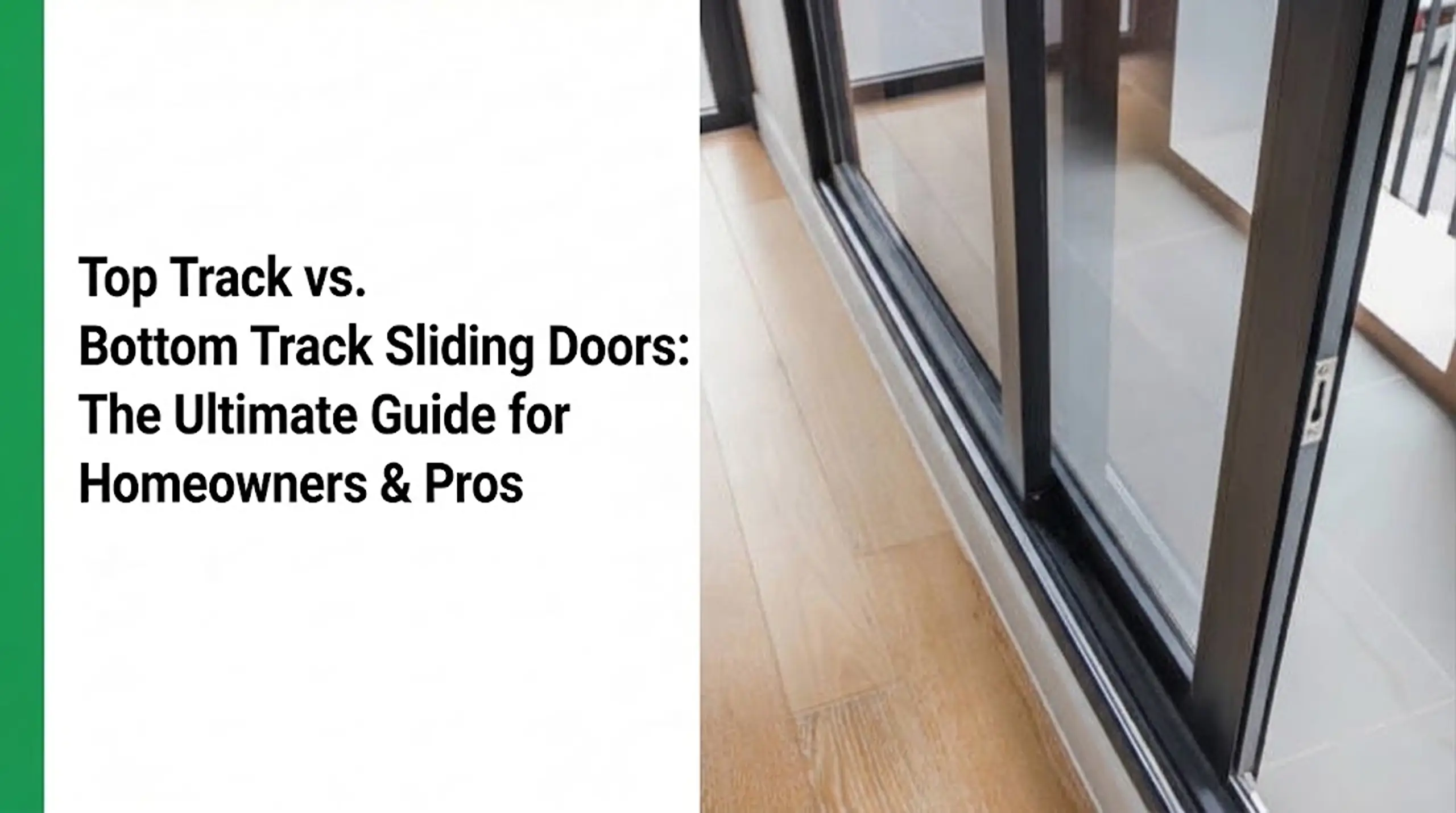
Ces fenêtres sont dotées de châssis qui coulissent horizontalement le long d'un rail supérieur et inférieur pour s'ouvrir et se fermer.
Avantages :
- Gain de place ultime : elles s’ouvrent sans saillie vers l’extérieur ni vers l’intérieur, ce qui les rend parfaites pour les espaces où le dégagement tridimensionnel est limité.
- Facilité d'utilisation et durabilité : grâce à un mécanisme de rail simple et à un nombre réduit de pièces mobiles, ils souffrent rarement de pannes mécaniques et s'adaptent sans effort aux larges ouvertures structurelles.
Inconvénients :
- Ventilation restreinte : Parce qu'un vantail doit toujours glisser derrière un autre, vous ne pouvez utiliser qu'un maximum de 50% de l'ouverture totale de la fenêtre pour la ventilation.
- Entretien des chenilles : Les chenilles inférieures sont connues pour retenir la poussière, la saleté et les débris, ce qui nécessite un passage régulier à l'aspirateur.
- Étanchéité modérée : De par leur conception coulissante, elles utilisent des joints à brosse plutôt que des joints à compression, ce qui les rend légèrement moins étanches à l’air que les fenêtres à battants.
Idéal pour :
- Idéales pour les pièces donnant sur des allées extérieures, des patios ou des terrasses, ainsi que pour les chambres étroites, ces portes ne gêneront jamais les passants lorsqu'elles seront ouvertes et n'entraveront pas l'agencement de vos meubles.
Fenêtres à auvent
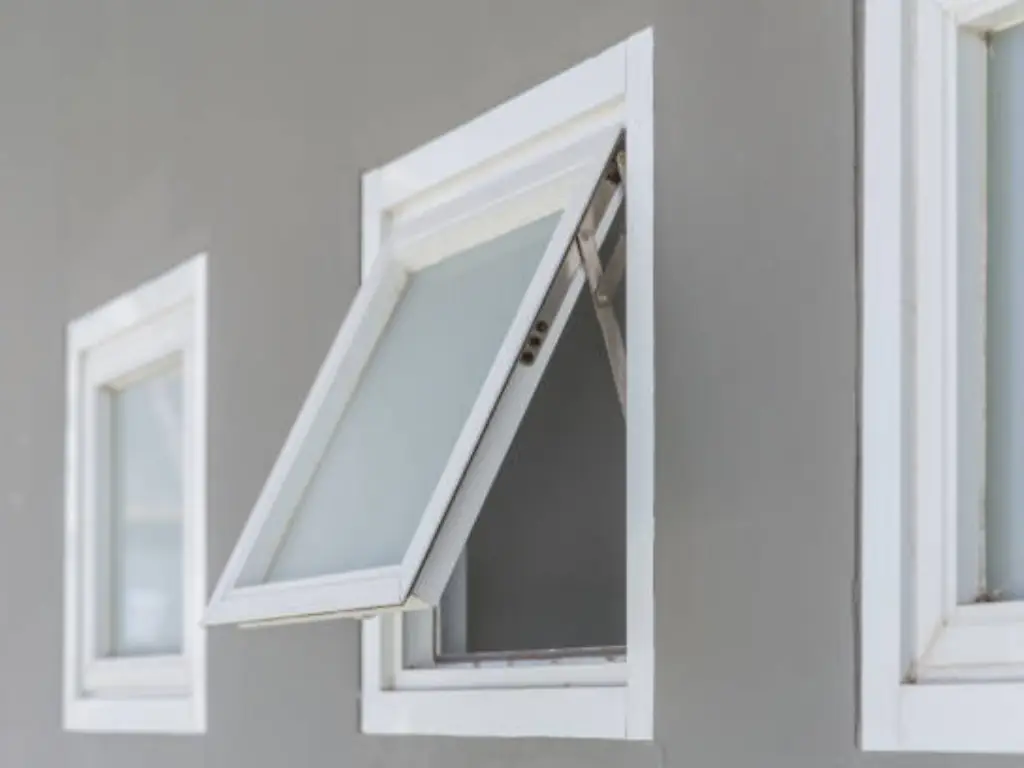
Articulées en haut, les fenêtres à auvent s'ouvrent vers l'extérieur par le bas, créant un angle distinctif semblable à celui d'un auvent.
Avantages :
- Ventilation résistante à la pluie : La conception inclinée vers l’extérieur vous permet de laisser les fenêtres ouvertes pendant une averse légère sans craindre que l’eau ne pénètre dans la pièce.
- Confidentialité et sécurité : souvent installés en hauteur sur les murs, ils assurent une excellente ventilation tout en préservant l’intimité et la sécurité de votre espace intérieur. Ils sont également dotés de joints de compression haute performance.
Inconvénients :
- Limitations relatives aux issues de secours : En raison de leur angle d’ouverture et de leurs dimensions généralement plus petites, elles ne peuvent généralement pas être utilisées comme fenêtres d’issue de secours au sous-sol.
- Nettoyage extérieur difficile : Lorsqu’elles sont installées aux étages supérieurs, il peut être extrêmement difficile de laver la surface extérieure du verre depuis l’intérieur de la pièce.
Idéal pour :
- Dans les salles de bains ou en hauteur sur les murs du sous-sol, elles offrent une excellente ventilation étanche à la pluie, permettant d'évacuer l'humidité et les odeurs tout en préservant parfaitement votre intimité.
Fenêtres à guillotine simple/double
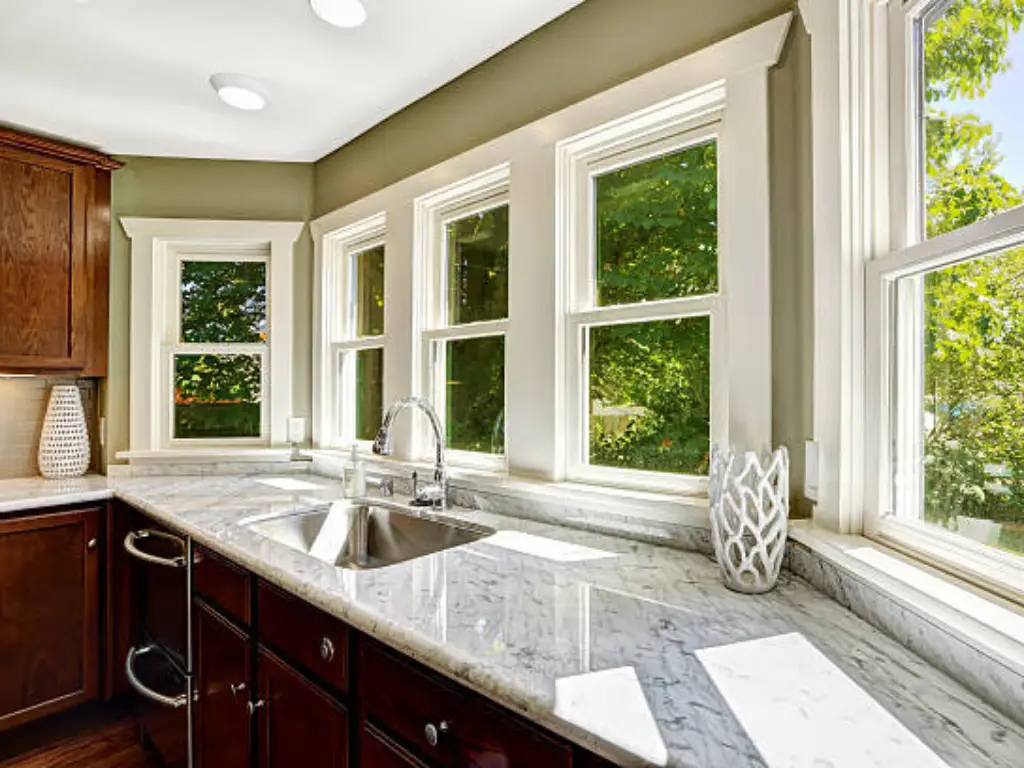
Élément classique de l'architecture traditionnelle. Dans les fenêtres à guillotine simple, seul le vantail inférieur coulisse verticalement ; dans les fenêtres à guillotine double, les deux vantaux coulissent indépendamment de haut en bas.
Avantages :
- Esthétique intemporelle et gain de place : elles s'intègrent parfaitement aux styles architecturaux américains, coloniaux ou vintage sans occuper d'espace intérieur ou extérieur.
- Convection naturelle de l'air : Les fenêtres à guillotine permettent une régulation climatique intelligente : l'ouverture des deux vantaux aspire l'air frais par le bas tout en expulsant l'air chaud par le haut.
- Nettoyage sans effort : Les modèles haut de gamme à guillotine double sont dotés de châssis inclinables, permettant aux propriétaires de nettoyer en toute sécurité le vitrage extérieur depuis l’intérieur de la pièce.
Inconvénients :
- Visibilité obstruée : La barre de jonction horizontale proéminente au centre du cadre interrompt la vue frontale.
- Ventilation réduite de moitié : tout comme les fenêtres coulissantes, seulement 50% de la surface de la fenêtre peuvent être ouverts à la fois.
Idéal pour :
- Dans les maisons de style traditionnel, les chambres ou les couloirs donnant sur la rue sont particulièrement recommandés. Grâce à leur système d'ouverture basculante, les fenêtres à guillotine sont idéales pour les pièces à l'étage, car elles permettent un nettoyage extérieur facile et sécuritaire.
Fenêtres panoramiques
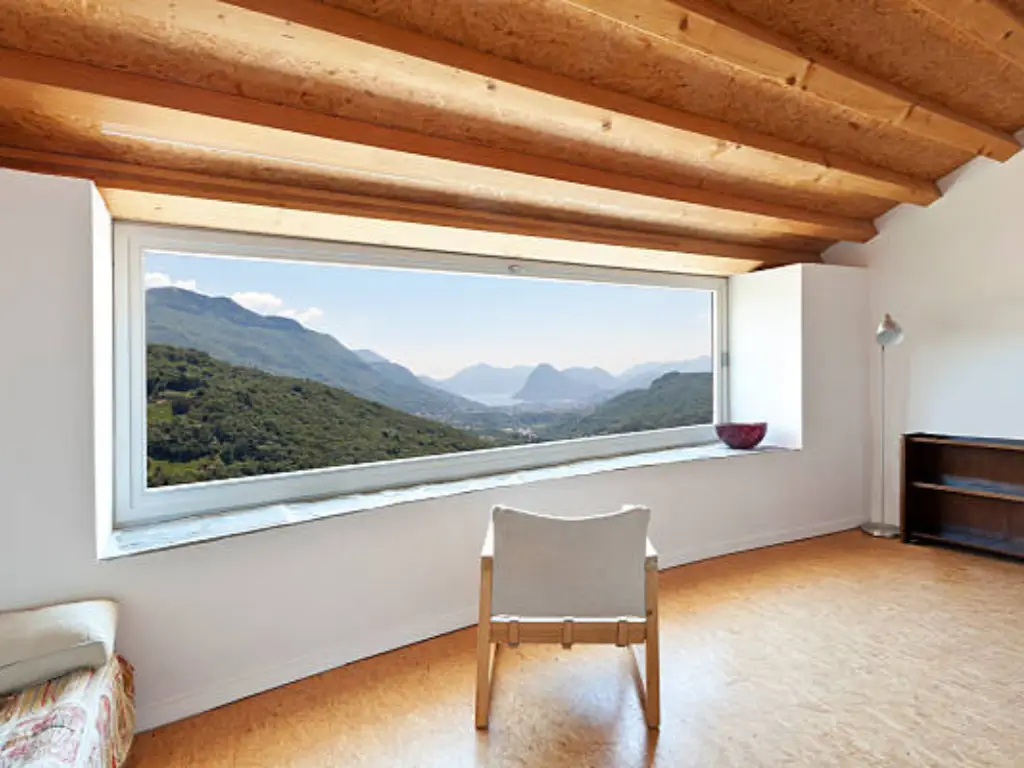
Une seule et grande vitre fixée de façon permanente dans un cadre lourd. Elles sont totalement inopérantes.
Avantages :
- Vue et lumière naturelle maximales : sans cadres intérieurs lourds ni mécanismes d'ouverture, elles laissent entrer une quantité massive de lumière naturelle et encadrent de superbes paysages extérieurs.
- Performances inégalées : grâce à leur étanchéité parfaite, elles sont les championnes incontestées de l’isolation, de l’imperméabilité et de l’insonorisation. De plus, elles sont généralement plus économiques au mètre carré que les fenêtres ouvrantes.
Inconvénients :
- Ventilation nulle : ils ne peuvent pas apporter d'air frais ni de courant d'air à l'intérieur de la maison.
- Risque d’effet de serre : si elles sont excessivement grandes et ne sont pas équipées de vitrage à faible émissivité, elles peuvent piéger la chaleur solaire et transformer une pièce en serre pendant l’été.
Idéal pour :
- Les pièces à hauts plafonds, les cages d'escalier ou les murs donnant sur une vue imprenable sur le jardin sont souvent associés à des fenêtres à battants ou à auvent latérales, créant ainsi un équilibre parfait entre esthétique panoramique et ventilation fonctionnelle.
Fenêtres oscillo-battantes
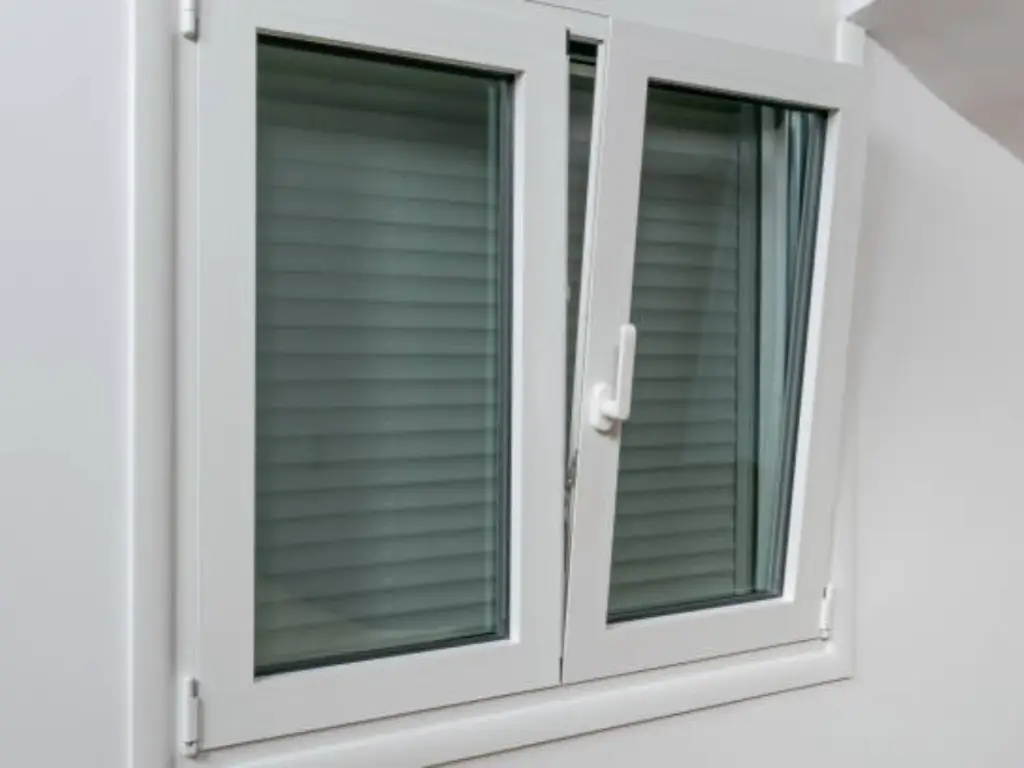
Configuration standard dans l'architecture européenne. Une seule poignée commande deux fonctions : la tourner de 90 degrés pour ouvrir la fenêtre vers l'intérieur comme une fenêtre à battants, ou la tourner de 180 degrés pour incliner la partie supérieure vers l'intérieur pour une ventilation sécurisée.
Avantages :
- Sécurité et flexibilité optimales : le mode d'inclinaison offre une micro-ventilation douce et sans courant d'air tout en empêchant les intrus d'entrer et les enfants ou les animaux domestiques de tomber accidentellement.
- Nettoyage sécurisé des façades vitrées : grâce à leur ouverture vers l’intérieur, les résidents des étages supérieurs peuvent nettoyer facilement et en toute sécurité les vitres extérieures depuis l’intérieur du bâtiment. Un système de verrouillage multipoints garantit une sécurité optimale et une étanchéité parfaite.
Inconvénients :
- Empreinte en espace intérieur : lorsqu’elles sont complètement ouvertes, elles gênent les rideaux, les stores ou les éléments de décoration placés sur le rebord de la fenêtre.
- Coût initial plus élevé : Le système matériel interne multipoint avancé est complexe, ce qui nécessite un investissement initial plus important.
Idéal pour :
- Idéal pour les appartements de moyenne et grande hauteur, les chambres d'enfants ou les maisons situées dans des régions froides et venteuses. Ces aérateurs résolvent le problème du nettoyage des vitres extérieures aux étages supérieurs et assurent une ventilation nocturne sûre et confortable sans souffler l'air directement sur les occupants.
Baies vitrées et fenêtres en arc
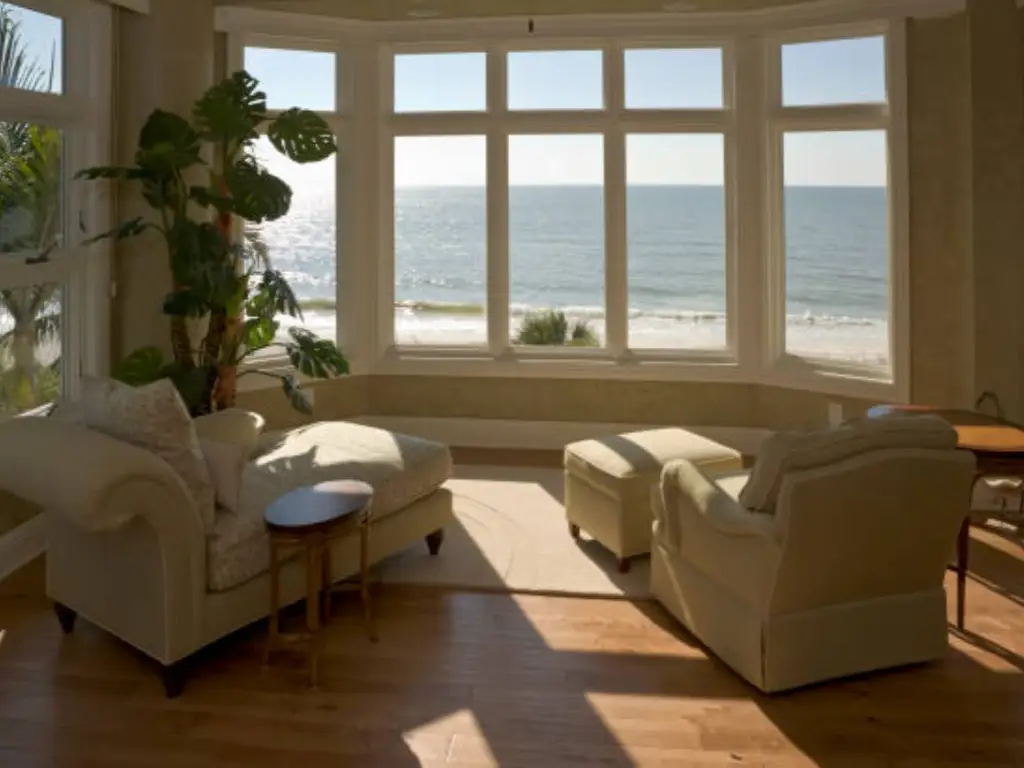
Créé en combinant trois (baie, en angle) ou plusieurs (arc, incurvé) panneaux de fenêtre de sorte que toute la structure se projette vers l'extérieur depuis le mur extérieur du bâtiment.
Avantages :
- L'illusion d'espace ultime : elles ajoutent de la surface physique et visuelle à une pièce sans modifier les fondations de la maison.
- Éclairage panoramique à 180 degrés : Il inonde l’intérieur de lumière naturelle multidirectionnelle et peut être personnalisé pour créer un coin lecture confortable ou une banquette près de la fenêtre, rehaussant considérablement l’attrait extérieur de la maison.
Inconvénients :
- Prix et main-d'œuvre premium : Leur conception structurelle complexe exige un support structurel important et une installation impeccable, ce qui en fait l'option la plus chère de la liste.
- Fuites thermiques potentielles : Si le toit ou la base de la saillie n’est pas isolés professionnellement par l’installateur, ils peuvent devenir une source importante de déperdition de chaleur.
Idéal pour :
- Dans la chambre parentale, un coin salon ou une alcôve dans la salle à manger peuvent être aménagés avec goût en coins lecture douillets ou en banquettes près des fenêtres, ajoutant ainsi une touche architecturale unique et rehaussant considérablement le charme intérieur de la maison.
Guide professionnel de sélection de fenêtres
Maintenant que vous comprenez les différents types, comment prendre la décision finale ? Pour vous éviter toute incertitude, nous avons compilé ce guide. Matrice de décision ultime à 8 dimensions En fonction des paramètres de performance essentiels, trouvez ici les pièces qui répondent aux besoins spécifiques de votre pièce (par exemple, une chambre parentale a besoin de lumière naturelle, le rez-de-chaussée de sécurité, la salle de bain d'une ventilation étanche).
La matrice de décision ultime pour les fenêtres
| Type de fenêtre | Ventilation | Isolation énergétique | Vue et lumière du jour | Niveau de sécurité | Nettoyage | Niveau budgétaire |
| Fenêtre | Excellent (⭐⭐⭐⭐⭐) | Excellent (⭐⭐⭐⭐⭐) | Excellent (⭐⭐⭐⭐⭐) | Excellent (⭐⭐⭐⭐) | Facile | Moyen |
| Glissement | Moyenne (⭐⭐⭐) | Moyenne (⭐⭐⭐) | Excellent (⭐⭐⭐⭐) | Moyenne (⭐⭐⭐) | Modéré | Inférieur |
| Store | Excellent (⭐⭐⭐⭐) | Excellent (⭐⭐⭐⭐⭐) | Excellent (⭐⭐⭐⭐) | Excellent (⭐⭐⭐⭐) | Modéré | Moyen |
| Fenêtre à guillotine double | Moyenne (⭐⭐⭐) | Excellent (⭐⭐⭐⭐) | Moyenne (⭐⭐⭐) | Excellent (⭐⭐⭐⭐) | Très facile | Moyen |
| Image | Zéro (❌) | Parfait (⭐⭐⭐⭐⭐+) | Parfait (⭐⭐⭐⭐⭐+) | Parfait (⭐⭐⭐⭐⭐) | Difficile | Inférieur |
| Inclinable et pivotant | Excellent (⭐⭐⭐⭐) | Excellent (⭐⭐⭐⭐⭐) | Excellent (⭐⭐⭐⭐) | Niveau supérieur (⭐⭐⭐⭐⭐+) | Très facile | Plus haut |
| Baie / Proue | Excellent (⭐⭐⭐⭐) | Excellent (⭐⭐⭐⭐) | Excellent (⭐⭐⭐⭐⭐) | Excellent (⭐⭐⭐⭐) | Difficile | Le plus élevé |
Conseils pratiques pour une sélection et une planification d'aménagement intelligentes
- Sélectionnez en fonction du climat local : Si vous vivez dans une région où les vents sont violents, les pluies torrentielles ou les hivers rigoureux, donnez la priorité à Fenêtres à battants, oscillo-battantes ou à auventLeur système d'étanchéité par compression empêche efficacement les courants d'air froid et d'eau de s'infiltrer. Dans les climats tempérés où l'optimisation du budget est primordiale, les fenêtres coulissantes constituent un excellent choix économique.
- Mettre en œuvre la stratégie de fenêtre combinée : En architecture, l'utilisation d'un seul type de fenêtre pour l'ensemble d'un bâtiment donne rarement les meilleurs résultats. La solution la plus judicieuse et économique consiste à combiner différents types de fenêtres. Par exemple, installez une grande baie vitrée au centre d'un mur de salon pour une vue panoramique imprenable et une isolation thermique optimale, puis encadrez-la de deux fenêtres à battants plus petites pour une ventilation naturelle. Cette configuration optimise à la fois la performance et l'esthétique, tout en maîtrisant les coûts de fabrication.
- Différencier les besoins des immeubles de faible hauteur et des immeubles de grande hauteur : Les résidents du rez-de-chaussée devraient privilégier une conception antivol et une ventilation étanche à la pluie, en optant pour des fenêtres à auvent ou des systèmes de sécurité renforcée. Fenêtres oscillo-battantes Idéalement, les résidents des immeubles de grande hauteur doivent cependant privilégier la résistance au vent et la sécurité du nettoyage. Fenêtres oscillo-battantes ou fenêtres à guillotine à double battant basculantes Éliminer le risque mortel lié au nettoyage des vitres extérieures d'un immeuble de grande hauteur en se penchant à l'extérieur.
Matériaux pour cadres de fenêtres : comment choisir le bon ?
Le matériau de votre cadre de fenêtre est le facteur le plus déterminant pour la durée de vie de vos fenêtres, les coûts d'entretien à long terme et le coût total du projet. Plutôt que de vous perdre dans le jargon technique, vous pouvez faire le bon choix en vous concentrant sur quatre variables essentielles qui définissent la performance de tout cadre :
- Efficacité thermique : Dans quelle mesure le cadre empêche le transfert de chaleur et réduit les factures d'énergie.
- Résistance structurelle : Sa capacité à supporter de grandes vitres modernes à profil mince.
- Demande de maintenance : Le temps et l'argent nécessaires pour éviter sa dégradation.
- Niveau budgétaire : Le coût initial par rapport à sa valeur à long terme.
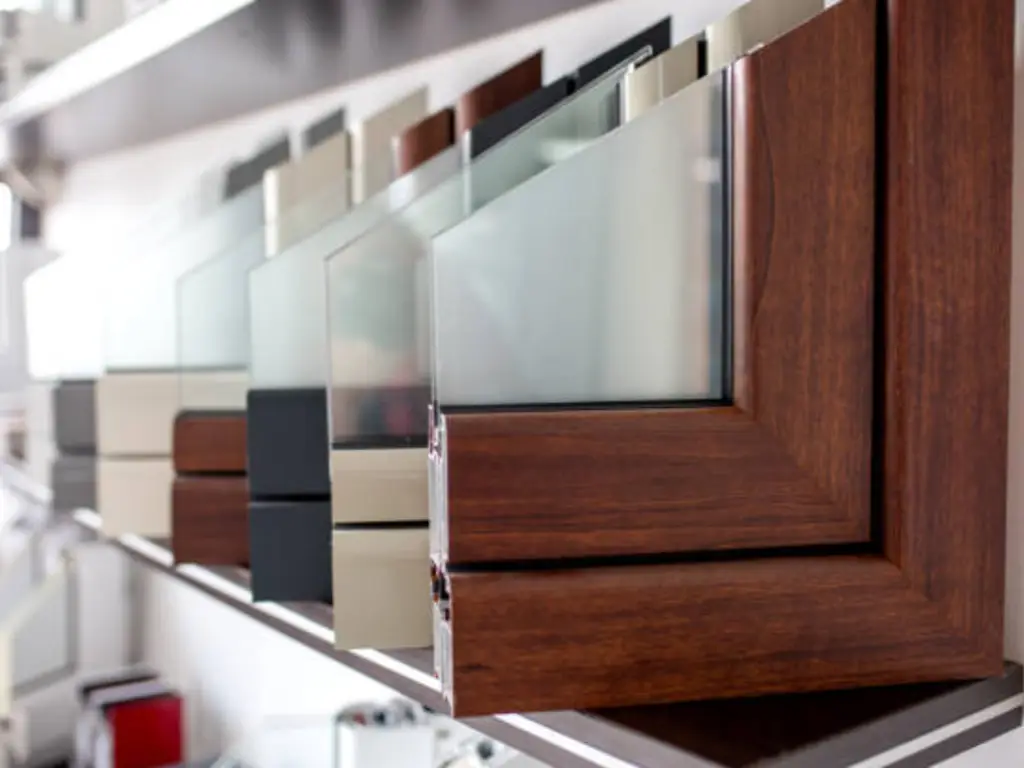
Voici une analyse directe et sans concession des quatre principaux matériaux de charpente, en fonction de ce qui compte le plus pour votre maison :
Cadres en vinyle (PVC) : le roi du petit budget et du faible entretien
Si vos principaux objectifs sont le rapport qualité-prix et l'absence de corvées ménagères, le vinyle est le choix idéal.
- Performance et entretien : Ce matériau (réf. 100%) est inoxydable, résistant à l'humidité et ne nécessite aucun entretien : ni peinture ni scellement. Sa structure interne multichambres emprisonne efficacement l'air, assurant ainsi une isolation thermique exceptionnelle.
- Points à surveiller : Les options de couleur se limitent généralement au blanc ou au beige. Sous l'effet d'une chaleur solaire extrême et prolongée, le vinyle de qualité inférieure peut se dilater ou se déformer. Privilégiez un vinyle haut de gamme certifié, formulé avec des stabilisateurs UV pour éviter que les cadres ne jaunissent ou ne deviennent cassants après des décennies d'exposition intense au soleil.
Aluminium et rupture de pont thermique : la robustesse du minimalisme moderne
Pour les maisons nécessitant de vastes baies vitrées, des vues panoramiques du sol au plafond et une esthétique moderne et élégante, l'aluminium est le champion incontesté.
- Performance et force : L'aluminium possède une résistance structurelle incroyable, permettant la création de cadres ultra-fins qui maximisent la surface exposée à la lumière naturelle.
- La liste de vérification essentielle pour vos achats : L'aluminium brut conduit rapidement la chaleur, ce qui entraîne une forte condensation intérieure en hiver et d'importants transferts de chaleur en été. Pour remédier à ces problèmes, il est indispensable d'opter pour l'aluminium à rupture de pont thermique. Cette technologie intègre une bande isolante en polyamide haute densité (PA66) au centre du cadre, interrompant ainsi complètement les déperditions de chaleur. Pour garantir la qualité, privilégiez une épaisseur d'extrusion supérieure ou égale à 1,4 mm pour les applications résidentielles et à 2,0 mm pour les applications commerciales, ainsi qu'une bande isolante plus large. Ce sont les meilleurs gages d'une fenêtre robuste et écoénergétique.
Bois et bois recouvert d'aluminium : un luxe naturel irremplaçable
Le bois séduit directement les propriétaires qui privilégient la beauté naturelle, une isolation optimale et le prestige architectural.
- Performance et isolation : Le bois est l'isolant naturel par excellence. Il offre une isolation acoustique supérieure, une maîtrise thermique optimale et une texture luxueuse et organique qui sublime les demeures de prestige et les rénovations de bâtiments historiques.
- L'évolution intelligente : Le principal inconvénient du bois massif réside dans son coût élevé et son entretien rigoureux : il nécessite un ponçage, une vitrification et une peinture réguliers pour lutter contre la pourriture et les termites. Pour pallier ces contraintes, l’industrie moderne a développé le bois revêtu d’aluminium. Ce matériau préserve la chaleur et le luxe du bois à l’intérieur de votre maison tout en protégeant l’extérieur grâce à une enveloppe en aluminium robuste et résistante aux intempéries.
Fibre de verre et composites : le leader de la performance à l'épreuve du temps
Si vous recherchez un investissement à vie conçu pour résister aux climats les plus extrêmes, tournez-vous vers la fibre de verre et les composites de pointe.
- Performance et longévité : Avec une résistance à la traction huit fois supérieure à celle du vinyle, la fibre de verre est incroyablement robuste. Plus important encore, son coefficient de dilatation thermique est quasiment identique à celui du verre. Ainsi, le cadre et le vitrage se dilatent et se contractent exactement au même rythme lors de variations importantes de température, éliminant pratiquement toute déformation du joint, les courants d'air et les fuites d'air au fil du temps.
- L'investissement vert : Ne nécessitant aucun entretien et répondant facilement aux normes les plus strictes en matière de construction neutre en carbone ou de maisons passives, ces composites avancés (comme Fibrex) représentent le summum de l'ingénierie structurelle moderne et de la conception de maisons durables.
Matrice de décision relative aux matériaux des cadres de fenêtres (Coût vs Performance)
Pour vous aider à adapter immédiatement votre choix de matériaux à votre budget de projet strict, consultez cette matrice de référence classée du coût initial le plus bas au plus élevé :
| Type de matériau | Coût relatif | Isolation énergétique | Difficulté de maintenance | Idéal pour |
| Vinyle (PVC) | 💲 (Le plus bas) | Excellent | Très faible (sans entretien) | Rénovations à budget maîtrisé et maisons résidentielles de grande valeur. |
| Aluminium standard | 💲💲 (Inférieur) | Mauvaise conductrice de chaleur | Faible | Des designs minimalistes dans des régions au climat très tempéré. |
| Aluminium à rupture thermique | 💲💲💲 (Modéré) | Excellent | Faible | Maisons modernes sur mesure, immeubles de grande hauteur et immenses façades en verre structurel. |
| Fibre de verre / Composites | 💲💲💲💲 (Plus élevé) | Remarquable | Très faible (sans entretien) | Climats extrêmes et projets de maisons passives à haute performance. |
| Bois massif / Bois plaqué | 💲💲💲💲💲 (Le plus élevé) | Remarquable | Élevé (Nécessite des soins réguliers) | Villas de luxe sur mesure, propriétés et restaurations historiques. |
Technologies de vitrage avancées : Optimisation de l’efficacité énergétique et de l’insonorisation
L'assemblage vitré représente plus de 70 % de la surface totale d'une fenêtre. Une fois le cadre installé, tout compromis sur la qualité du vitrage compromet les performances de l'ensemble de la fenêtre. Les techniques modernes de vitrage transforment la vitre en principale ligne de défense de votre maison.
- Régulation thermique et économies d'énergie : Pour une performance optimale, il est recommandé d'utiliser un double ou triple vitrage isolant. L'application d'un revêtement microscopique à faible émissivité (Low-E) sur les surfaces internes du vitrage réfléchit la chaleur intense du soleil en été vers l'extérieur, tout en conservant la chaleur intérieure en hiver. Le remplissage de l'espace entre les vitres avec du gaz argon inerte minimise davantage les transferts thermiques, optimisant ainsi le coefficient de transmission thermique (coefficient U) et le facteur solaire (SHGC) de la fenêtre et permettant de réduire vos factures d'énergie mensuelles.
- Ingénierie acoustique et réduction du bruit : L'ajout de plusieurs couches de verre standard ne suffit pas à bloquer les bruits de circulation persistants à basse fréquence. Un véritable confort acoustique repose sur la suppression de la résonance des ondes sonores. L'utilisation d'un vitrage asymétrique (combinant des vitres d'épaisseurs différentes, par exemple 5 mm et 6 mm) associé à un verre feuilleté PVB permet à la couche intermédiaire en polymère élastique d'absorber et d'amortir les vibrations, améliorant ainsi considérablement l'indice d'affaiblissement acoustique (STC) de la fenêtre.
- Certifications et qualité du secteur : Lors de l'évaluation des fenêtres, privilégiez les rapports d'essais techniques complets, certifiés par des organismes internationaux reconnus tels que le NFRC (National Fenestration Rating Council) ou portant le marquage CE. Ces certifications garantissent que les vitrages répondent à des normes strictes en matière de sécurité structurelle, d'étanchéité et d'efficacité énergétique.
Tarification des fenêtres : ventilation des coûts
Comprendre les facteurs de coût sous-jacents des fenêtres modernes est le seul moyen de préserver le budget de votre projet. Le prix des fenêtres est très fluctuant et dépend de trois facteurs principaux :
- Matériaux et options personnalisées : Au-delà du matériau principal du cadre, les coûts augmentent lorsqu'on opte pour des systèmes de verrouillage multipoints haute sécurité, des finitions de couleur personnalisées ou des formes architecturales non standard et des agencements de vitrage surdimensionnés.
- Installation et main-d'œuvre locale : Pour les rénovations et les remplacements, une part importante des dépenses totales est liée aux conditions locales sur site. La préparation des structures, la dépose et l'élimination sécuritaires des anciennes charpentes, ainsi que la main-d'œuvre spécialisée, représentent une part importante du coût final.
- Échelle d'approvisionnement et chaîne logistique : Pour les projets d'envergure, s'approvisionner directement auprès d'un fabricant reconnu permet d'éliminer les marges des intermédiaires et de bénéficier de prix compétitifs (FOB/CIF). À cette échelle, le respect de la quantité minimale de commande (QMC) du fabricant garantit des remises sur volume, et l'utilisation de moules standard pour profilés de maison évite les coûts élevés d'outillage sur mesure. Toutefois, les prix de gros restent tributaires des fluctuations mondiales des cours au comptant de l'aluminium brut et du verre plat.
Qualité de fabrication et emballage : garantir une livraison mondiale sécurisée
Lorsqu'on choisit un partenaire pour ses fenêtres, la fiabilité repose sur un principe simple : la précision d'ingénierie du fabricant détermine la qualité finale du produit. Pour les projets d'envergure, il est essentiel de trouver un partenaire doté d'une capacité de production industrielle et d'une logistique irréprochable afin d'éviter tout retard.
Exploitant une surface de production de 135 000 pieds carrés avec une capacité annuelle de plus de 3,2 millions de pieds carrés de fenêtres et de portes, fenêtres chaudes Nous disposons de l'infrastructure automatisée nécessaire pour garantir une précision zéro défaut à grande échelle. Sur notre ligne de production, cette capacité permet des contrôles qualité automatisés rigoureux, associés à des procédés structurels avancés.
De plus, le transport longue distance exige une logistique de protection de pointe. Chez hotianwindows, nous sécurisons toutes les unités dans des caisses en bois sur mesure, sans fumigation, en protégeant chaque angle de fenêtre avec de la mousse EPE haute densité et des protections renforcées. Collaborer avec un fabricant de renom, capable d'allier une capacité de production importante à une protection fiable pendant le transport, est la meilleure façon de garantir le respect des délais et la sécurité de votre projet de construction.
Conclusion
Choisir le bon système de fenêtres est un exercice d'équilibre complexe : le type d'ouverture détermine la ventilation et l'agencement de l'espace, le matériau du cadre assure la durabilité de la structure, et le vitrage performant constitue la principale protection contre les pertes thermiques et acoustiques. Pour les promoteurs et les maîtres d'œuvre, tout compromis sur ces trois piliers compromet la valeur patrimoniale de l'ensemble du bâtiment. La clé du succès réside dans l'adéquation de ces spécifications techniques avec un fabricant capable de garantir à la fois une ingénierie de précision et une production à grande échelle.
En tant que puissance manufacturière établie, fenêtres chaudes comble le fossé entre la conception architecturale complexe et l'exécution sans faille de la chaîne d'approvisionnement. Prêt à éliminer les marges des intermédiaires et à garantir des délais de construction prévisibles ? Que vous gériez un projet commercial d'envergure ou un ensemble résidentiel haut de gamme à forte densité, [Soumettez votre demande de devis / Demandez vos tarifs de gros] pour recevoir un devis complet de notre équipe d'ingénieurs, ou [Téléchargez notre catalogue de références d'usine et notre catalogue architectural 2026] pour examiner nos données de conformité certifiées et notre portefeuille de projets mondiaux.