لا يُعدّ اختيار أبواب الفناء للمشاريع أمرًا معقدًا، إلى أن نأخذ في الاعتبار اختلاف التكوينات وأنواع المشاريع ومتطلبات الأداء وفترات التسليم. فالباب المنزلق الذي يُناسب شرفة شقة عادية ليس بالضرورة الخيار الأمثل لشرفة مطعم أو منزل مصمم خصيصًا بفتحة عرضها 16 قدمًا.
يُفصّل هذا الدليل أربعة أنواع رئيسية من أبواب الفناء، ويُبيّن متى يكون كل نوع مناسبًا، وما يحتاج المقاولون إلى معرفته لتحديدها بشكل صحيح. أنواع المشاريع المختلفة.
فهم تكوينات أبواب الفناء الأربعة
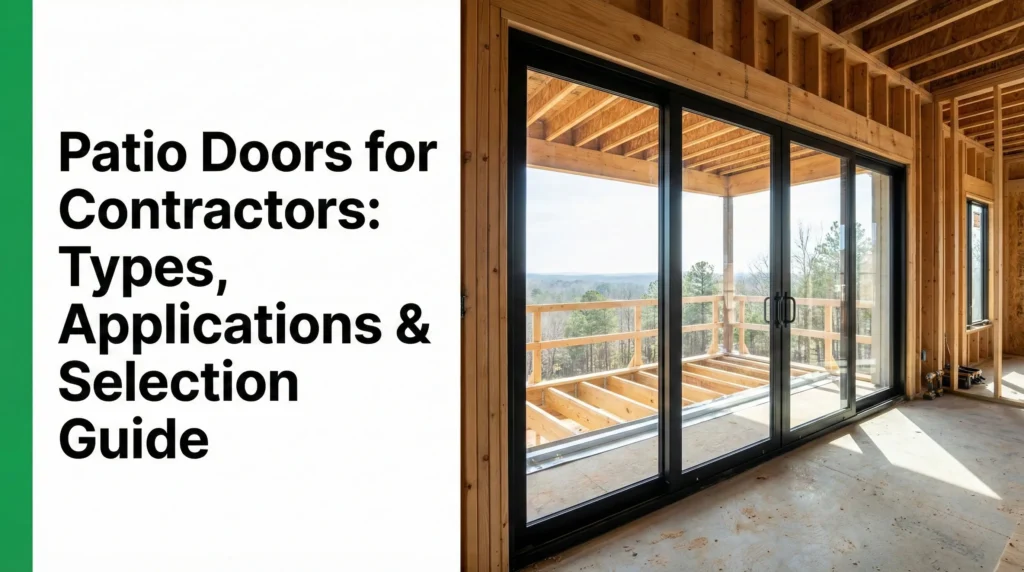
أبواب فناء منزلقة
كيف تعمل:
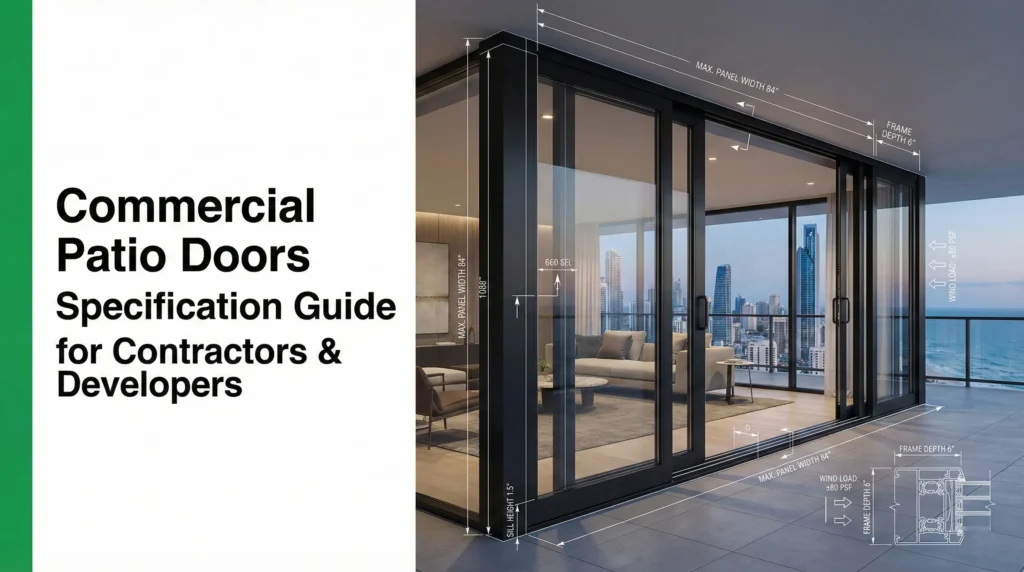
تعمل أبواب الفناء المنزلقة (وتُسمى أيضًا الأبواب الانزلاقية) على مسارات مزودة بألواح تنزلق أفقيًا. أكثر التكوينات شيوعًا هي: لوحان (أحدهما ثابت والآخر متحرك)، أو ثلاثة ألواح (لوحان ثابتان ولوح متحرك)، أو أربعة ألواح (لوحان متحركان ولوحان ثابتان). [hotianwindows.com/types-of-patio-doors/]
أفضل التطبيقات:
- مشاريع سكنية متعددة الوحدات (شقق، وحدات سكنية)
- منازل عائلية نموذجية
- المساحات الضيقة حيث تكون مساحة التأرجح محدودة
- تطبيقات الشرفات في المباني متوسطة الارتفاع وعالية الارتفاع
المواصفات الرئيسية التي يحتاج المقاولون إلى معرفتها:
- عرض الفتحة: 50% للباب ذي اللوحين (يفتح جانب واحد)، و33% تقريبًا للباب ذي الثلاثة ألواح، و50% للباب ذي الأربعة ألواح.
- لا حاجة إلى مساحة كافية للدوران: كل ما تحتاجه هو مساحة لانزلاق اللوحة على طول المسار
- ارتفاع العتبة: عادةً ما يكون منخفضًا لتسهيل المرور فوقه (مهم لحركة المرور)
- أقصى قدرة على الامتداد: تعتمد على مادة الإطار - يمكن لإطارات الألومنيوم التعامل مع امتدادات أكبر من إطارات الفينيل
عندما يكون ذلك منطقياً:
تُعدّ الأبواب المنزلقة الخيار الأمثل لمعظم المشاريع نظرًا لفعاليتها من حيث التكلفة، واحتياجها لمساحة صغيرة، وملاءمتها للفتحات القياسية. وهي عملية للغاية في المشاريع متعددة الوحدات السكنية، حيث تتطلب أحجامًا متناسقة لعشرات أو مئات الوحدات. في هذه المشاريع، يُنصح بالتنسيق مع المقاولين المختصين بتجهيز الفتحات الأولية (RO) في وقت مبكر، وتوفر شركة هوتيان هذه الخدمة. مخططات التناضح العكسي لتحديد المقاسات بدقة.
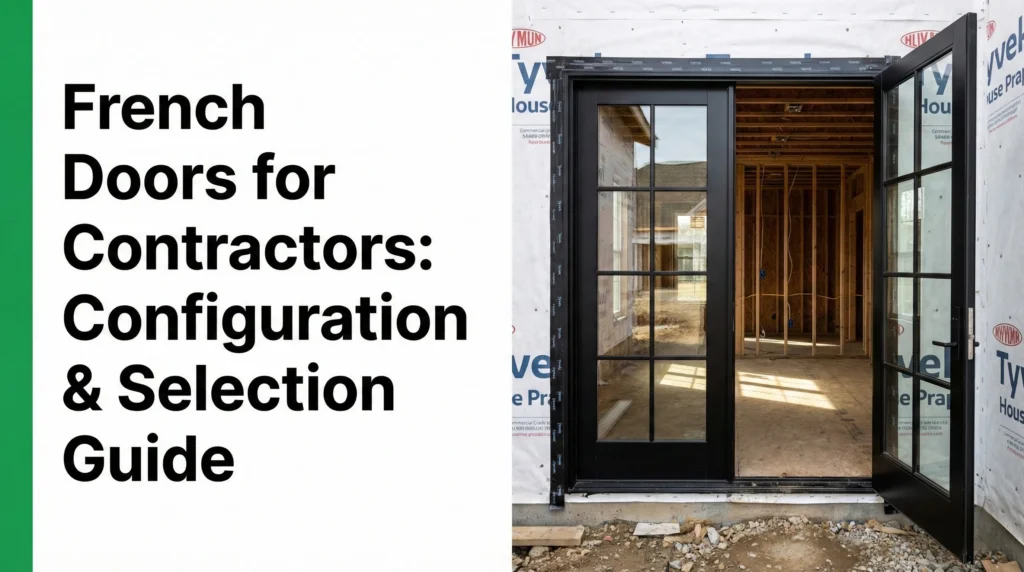
أبواب فناء فرنسية (مفصلية)
كيف تعمل:
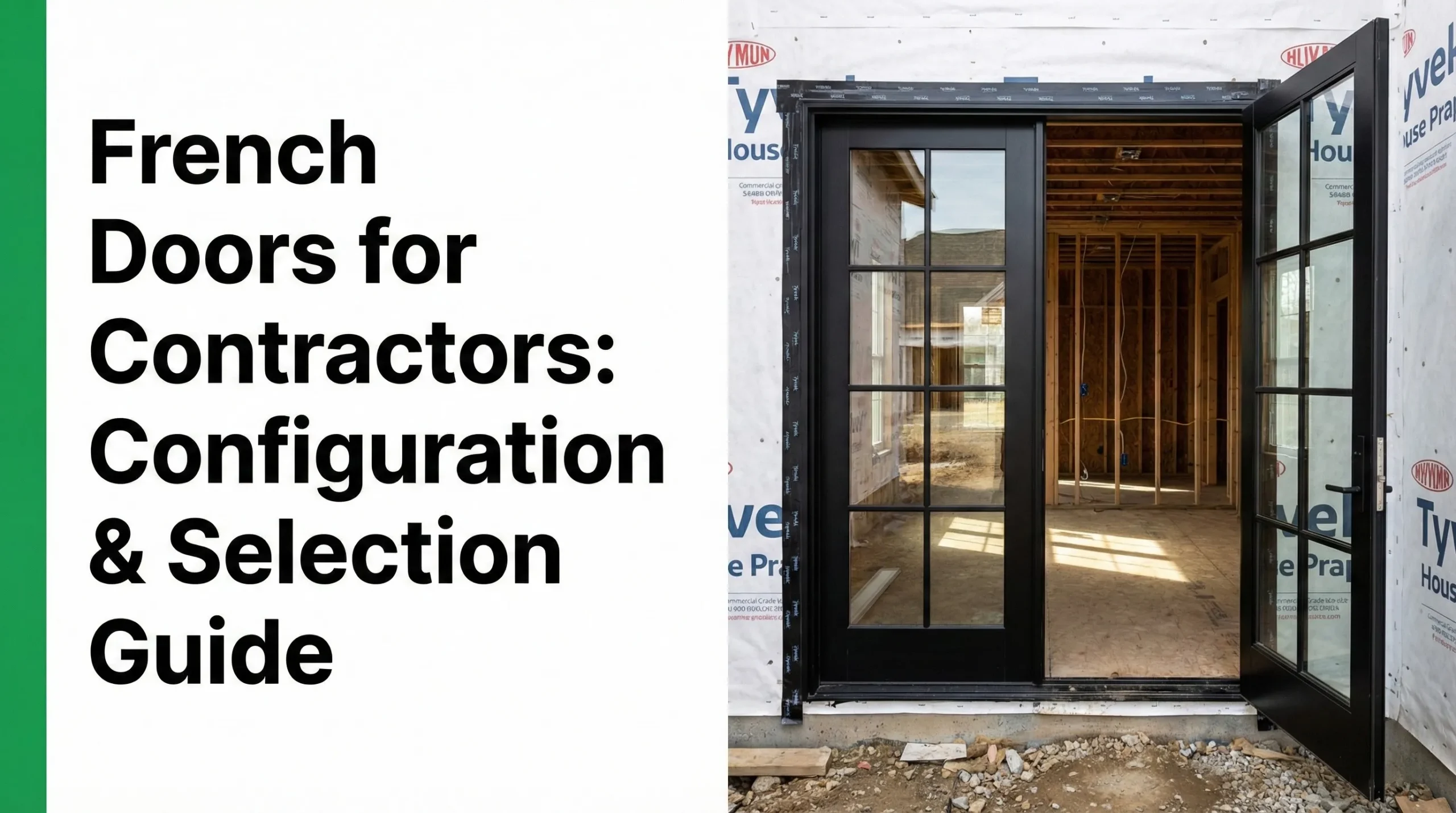
تتكون الأبواب الفرنسية من لوحين يفتحان على مفصلات، ويلتقيان في المنتصف. ويمكن ضبطها بحيث تفتح للداخل (تفتح الأبواب إلى داخل الغرفة) أو للخارج (تفتح الأبواب على الفناء/الشرفة).
أفضل التطبيقات:
- منازل عائلية فردية مصممة حسب الطلب
- الأنماط المعمارية التقليدية أو الانتقالية
- التطبيقات التي تتطلب عرض الفتحة الكامل
- الانتقالات بين الداخل والخارج حيث تعمل الأبواب كنقطة محورية
متطلبات المساحة التي يجب على المقاولين التخطيط لها:
- الفتح الداخلي: يتطلب مساحة أرضية داخلية خالية تساوي عرض الباب (عادةً 5-6 أقدام)
- باب قابل للفتح للخارج: يتطلب مساحة خالية في الفناء/الشرفة الخارجية تساوي عرض الباب
- قوس فتح الباب: يجب ألا يتعارض مع وضع الأثاث (في الداخل) أو ميزات الفناء (في الخارج)
التكوينات الشائعة:
- أبواب مزدوجة (لوحان، كلاهما قابل للفتح)
- لوحة واحدة نشطة (لوحة واحدة قابلة للتشغيل، وأخرى ثابتة)
- مع نوافذ جانبية (ألواح زجاجية ثابتة على جانب واحد أو كلا الجانبين)
عندما يكون ذلك منطقياً:
تُعدّ الأبواب الفرنسية خيارًا مثاليًا عندما يكون المظهر الجمالي مهمًا وتتوفر مساحة كافية لفتحها. فهي توفر عرضًا صافيًا للفتح يبلغ 100% عند فتح كلا اللوحين، مما يُسهّل نقل الأغراض الكبيرة أو يُحسّن انسيابية الحركة بين الداخل والخارج. مع ذلك، فهي عادةً أغلى ثمنًا من الأبواب المنزلقة وتتطلب تنسيقًا أكبر مع التصميم الداخلي والخارجي. تتميز أبواب هوتيان الفرنسية ذات المفصلات الخارجية بمفصلات شديدة التحمل لتحمل أحمال الرياح الساحلية..
قرار التكوين: الفتح للداخل مقابل الفتح للخارج
- فتح الأبواب للداخل: يوفر حماية أفضل من العوامل الجوية (تُغلق الأبواب بإحكام على الإطار عندما تدفعها الرياح)، ولكنه يتطلب مساحة أرضية داخلية.
- باب يُفتح للخارج: يوفر مساحة داخلية، ولكنه يحتاج إلى مفصلات متينة ومانع تسرب لمنع تسرب مياه الأمطار المصحوبة بالرياح.
- التعرض للرياح: تحتاج الأبواب الخارجية في المناطق ذات الرياح العاتية أو الساحلية إلى مفصلات شديدة التحمل ومانعات تسرب فعالة ضد العوامل الجوية
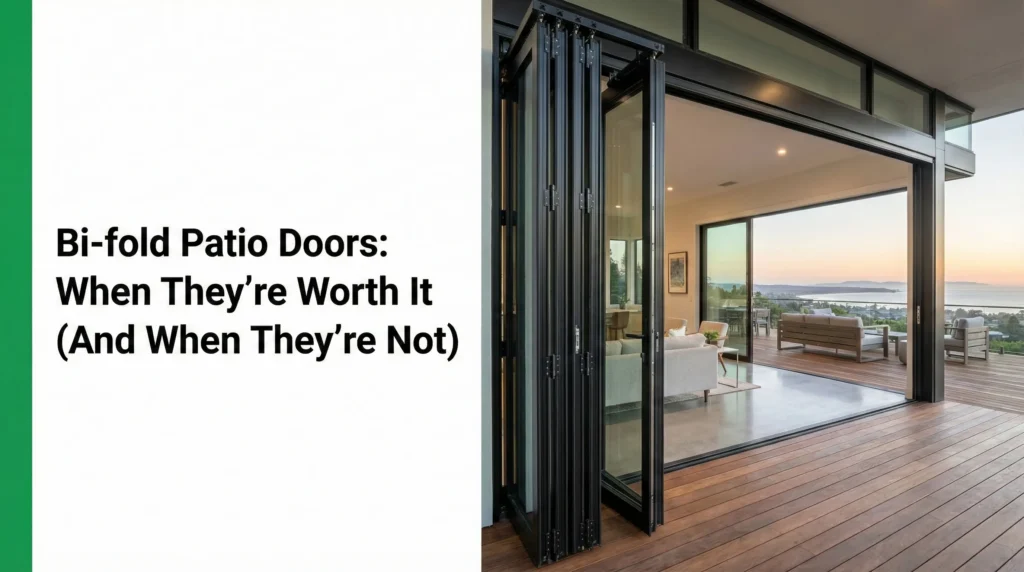
أبواب فناء قابلة للطي
كيف تعمل:
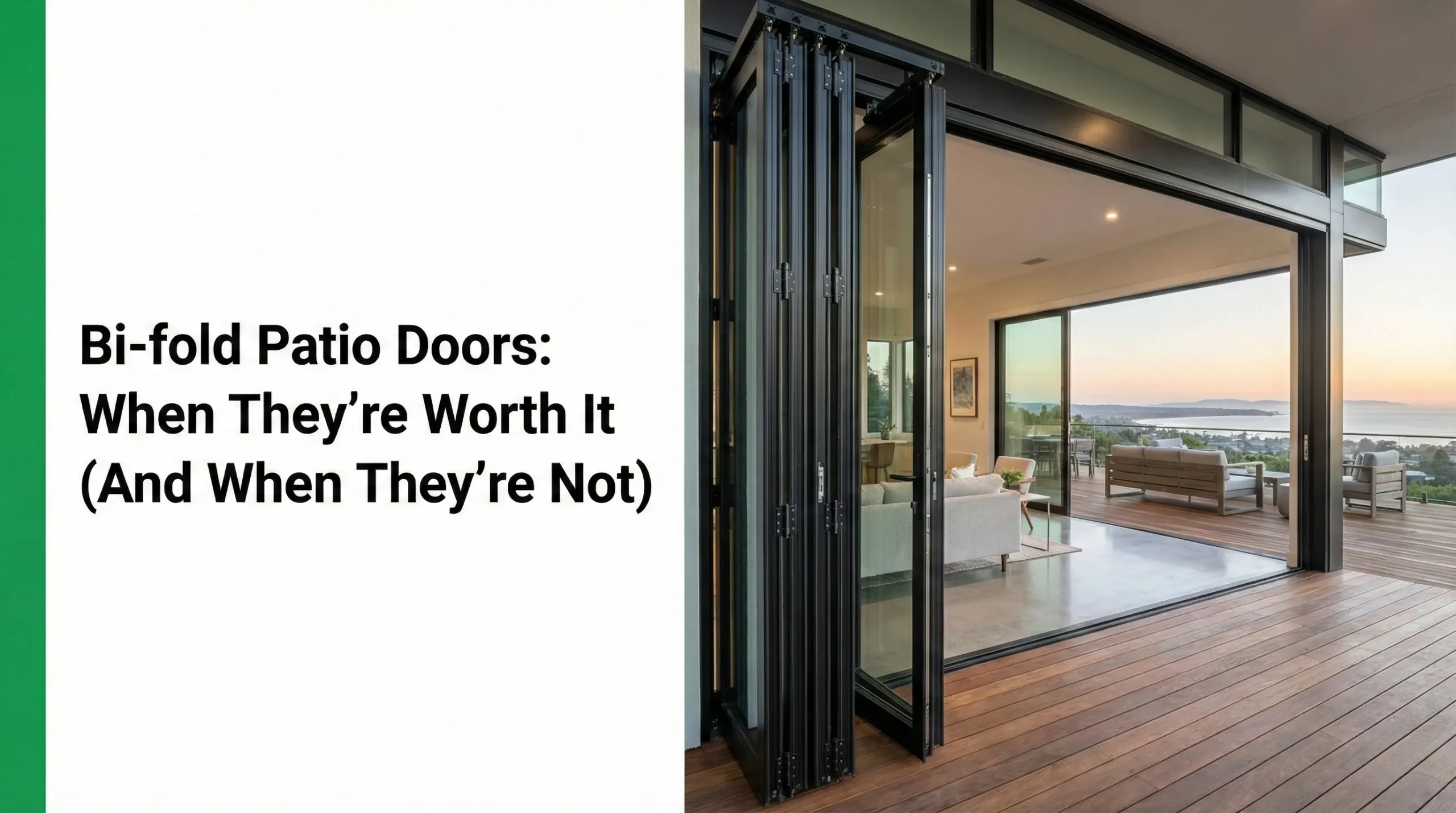
تتكون الأبواب القابلة للطي (وتسمى أيضاً الأبواب ثنائية الطي) من عدة ألواح متصلة بمفصلات، تُطوى وتُكدس على جانب واحد أو كلا جانبي الفتحة. وعادةً ما تُطوى الألواح على شكل أكورديون، حيث ينزلق لوح واحد على مسار بينما تُطوى الألواح الأخرى عليه.
أفضل التطبيقات:
- فتحات كبيرة (من 10 إلى 20 قدمًا) حيث يُرغب في الحصول على أقصى عرض صافٍ
- مساحات ترفيهية داخلية وخارجية
- المطاعم والفنادق وأماكن الضيافة
- منازل مصممة حسب الطلب بتصاميم عصرية أو معاصرة
الاعتبارات الرئيسية:
- عرض الفتحة: 80-90% فتحة صافية (تتراص الألواح على الجانب، مما يشغل مساحة ضئيلة)
- تكوينات الألواح: من 3 إلى 6 ألواح هي الأكثر شيوعًا؛ ويمكن تهيئتها للطي إلى اليسار أو اليمين أو الانقسام من المنتصف
- المسار والملحقات: أكثر تعقيدًا من الأبواب المنزلقة - يتطلب مسارًا علويًا ونقاط ارتكاز سفلية
- التكلفة: عادةً ما تكون ضعف أو ثلاثة أضعاف تكلفة الأبواب المنزلقة لنفس عرض الفتحة
متى تستحق التكلفة الإضافية:
تُعدّ الأبواب القابلة للطي خيارًا مناسبًا عندما يتطلب المشروع أقصى عرض للفتح وتسمح الميزانية بذلك. وهي شائعة في قطاع الضيافة والمشاريع السكنية الفاخرة حيث يُعدّ خلق شعور بالرحابة أولوية. مع ذلك، بالنسبة للمشاريع متعددة الوحدات حيث يُعدّ التحكم في التكاليف أمرًا بالغ الأهمية، عادةً ما تكون هذه الإضافات مبالغ فيها إلا إذا كان المطور يستهدف سوق المنتجات الفاخرة..
أبواب فناء منزلقة متعددة
كيف تعمل:
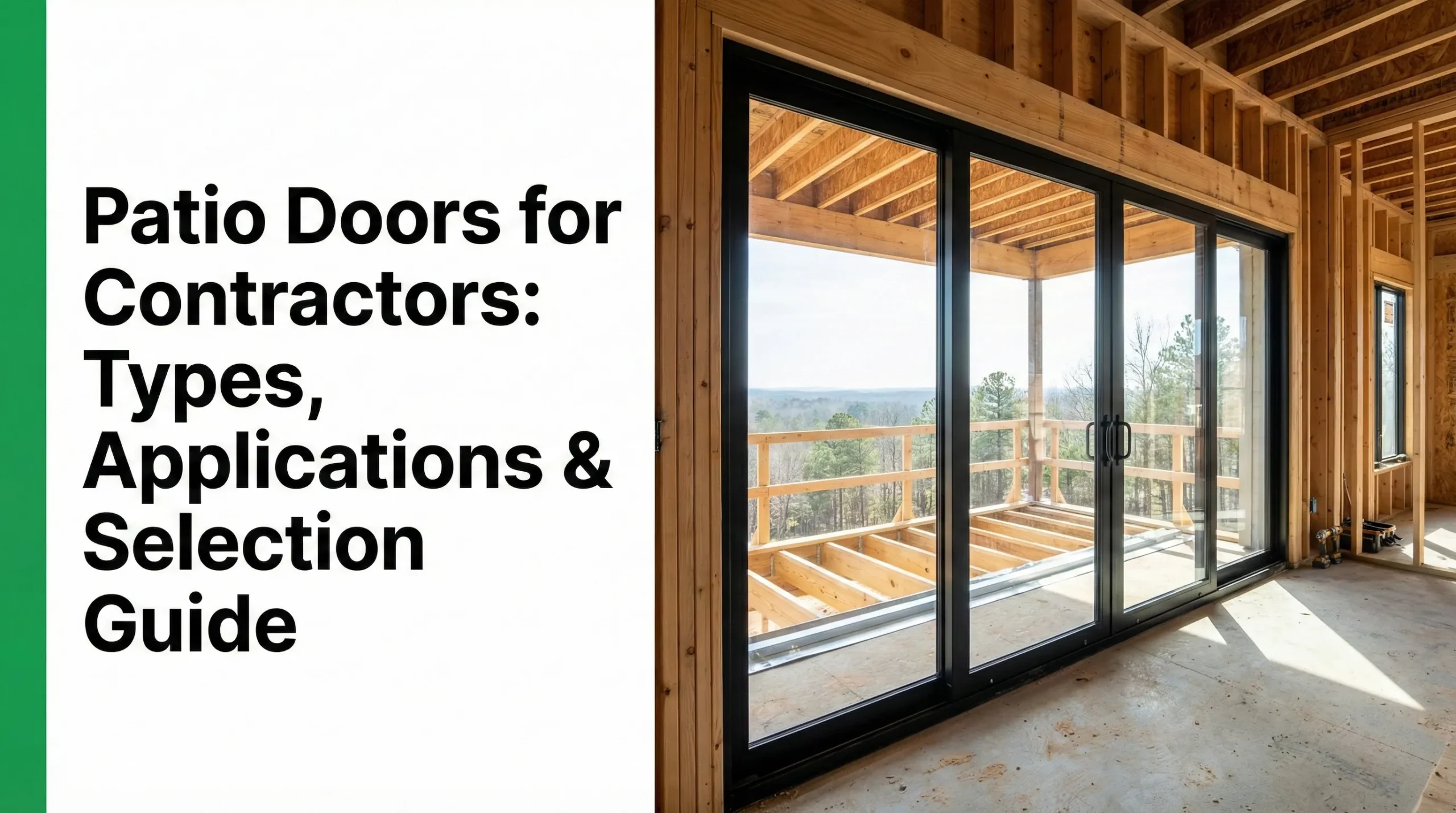
تستخدم الأبواب المنزلقة متعددة الألواح (وتسمى أيضًا أبواب الرفع والانزلاق أو الأبواب المنزلقة متعددة الألواح) ألواحًا متعددة تنزلق وتتراص، على غرار الأبواب القابلة للطي ولكن بدون آلية الطي المفصلية. تنزلق الألواح على مسارات وتتراص خلف بعضها البعض أو داخل تجاويف جدارية. [hotianwindows.com/types-of-patio-doors/]
أفضل التطبيقات:
- فتحات كبيرة جدًا (12-20+ قدمًا)
- تصاميم معمارية حديثة
- المشاريع التي تتطلب أقصى مساحة زجاجية مع أقل قدر من إعاقة الإطار
- منازل فاخرة مصممة حسب الطلب
- المساحات التجارية التي تعتبر فيها المناظر غير المحجوبة أمراً بالغ الأهمية
المواصفات الرئيسية:
- عرض الفتحة: 60-80% حسب عدد الألواح وتكوين التراص
- عدد الألواح: عادةً من 4 إلى 8 ألواح
- خطوط الرؤية: إطارات ذات ملامح أضيق من الأبواب المنزلقة القياسية (زجاج أكثر، إطار أقل)
- التشغيل: يمكن أن يكون يدوياً أو آلياً (يوصى باستخدام المحرك للألواح التي يزيد ارتفاعها عن 10 أقدام)
عندما يكون ذلك منطقياً:
تُعدّ الأبواب المنزلقة المتعددة الخيار الأمثل للمشاريع التي تتطلب فتحات واسعة وتصميمات عصرية تبرر تكلفتها. وهي أقل شيوعًا في المشاريع السكنية أو متعددة الوحدات، ولكنها تزداد شعبية في المنازل المصممة حسب الطلب والمساحات التجارية الفاخرة. وتُعدّ خيارات الأبواب المنزلقة المتعددة الآلية من هوتيان مثالية للألواح التي يزيد ارتفاعها عن 10 أقدام في الفنادق.
اختيار التكوين حسب نوع المشروع
وحدات سكنية متعددة (شقق، وحدات سكنية)
الخيار النموذجي: أبواب منزلقة
لماذا: متسقة، فعالة من حيث التكلفة، موفرة للمساحة، متوافقة مع معايير ADA. [hotianwindows.com/commercial-patio-doors-guide/]
المقاسات: شرفة قياسية 6-8 أقدام؛ الطابق الأرضي 8-10 أقدام.
ملاحظة خاصة بقانون الأمريكيين ذوي الإعاقة: تتطلب الوحدات الأرضية عرضًا صافيًا لا يقل عن 32 بوصة - يوفر باب منزلق ثنائي الألواح بطول 6 أقدام عرضًا صافيًا يبلغ حوالي 36 بوصة. تحقق من القوانين المحلية. [hotianwindows.com/patio-door-buying-guide/]
منازل عائلية فردية مصممة حسب الطلب
الخيارات النموذجية: فرنسي، ثنائي الطي، أو متعدد الشرائح.
عوامل اتخاذ القرار: النمط (تقليدي → فرنسي؛ حديث → متعدد الشرائح)، حجم الفتحة، الاستخدام الترفيهي.
نصيحة للمقاول: أشرك مورد الأبواب مبكراً للحصول على مواصفات مخصصة تؤثر على الإطار. [hotianwindows.com/types-of-patio-doors/]
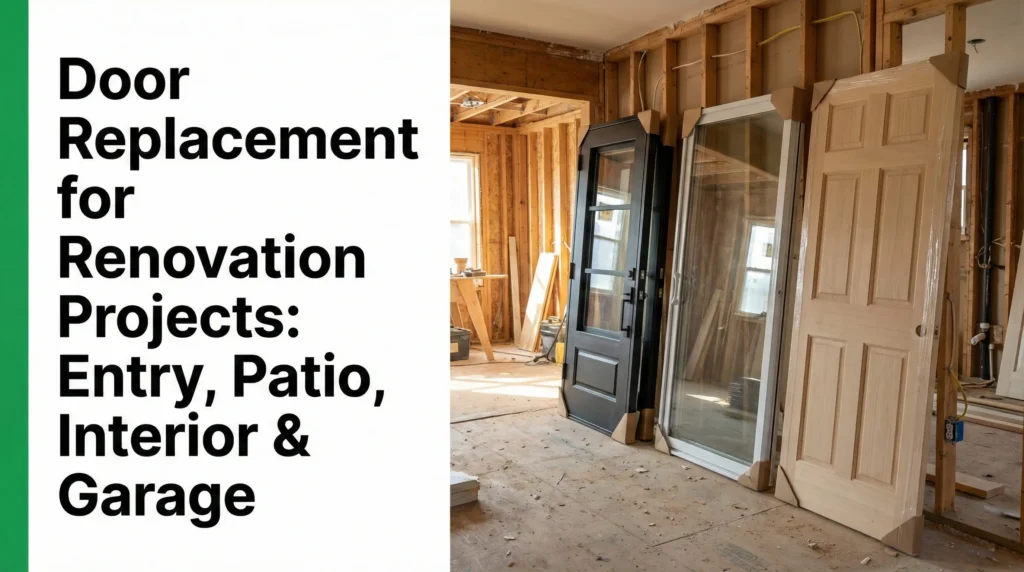
مشاريع التجديد
الخيار النموذجي: منزلقة أو فرنسية (مطابقة لـ RO الموجودة).
التحقق من الواقع: قم بقياس التناضح العكسي بدقة - استخدم جداول التناضح العكسي الخاصة بالمورد. [hotianwindows.com/patio-door-buying-guide/]
التطبيقات التجارية (المطاعم، الفنادق، متاجر التجزئة)
الخيارات النموذجية: منزلقة أو قابلة للطي (بجودة تجارية).
حسب حالة الاستخدام: شرفات المطاعم → قابلة للطي؛ شرفات الفنادق → منزلقة.
أداء: تجهيزات متينة، زجاج مقاوم للصدمات. خيارات زجاج هوتيان المقاوم للصدمات للأماكن ذات الحركة المرورية العالية. [hotianwindows.com/patio-doors/]
مواد الهياكل: ما يجب على المقاولين معرفته
إطارات من الألومنيوم
نقاط القوة: قوة هيكلية، متانة، تصميم نحيف.
الأفضل لـ: للاستخدام التجاري، وللمساحات الكبيرة، وللمناطق الساحلية. العيوب: تكلفة أعلى، والحاجة إلى فواصل حرارية. [hotianwindows.com/patio-door-buying-guide/]
إطارات فينيل
نقاط القوة: فعال من حيث التكلفة، موفر للطاقة، قليل الصيانة.
الأفضل لـ: وحدات سكنية متعددة. العيوب: مساحات محدودة، وتصاميم أعرض. [hotianwindows.com/patio-door-buying-guide/]
جدول مقارنة المواد
| عامل | الألومنيوم | فينيل |
|---|---|---|
| قوة | مرتفع (امتدادات كبيرة) | معتدل |
| متانة | ممتاز | جيد |
| كفاءة الطاقة | جيد (استراحات حرارية) | ممتاز |
| يكلف | أعلى | أدنى |
| أفضل التطبيقات | افتتاحات تجارية/كبيرة | منازل متعددة الوحدات/منازل قياسية |
لماذا تختار هوتيان كشريكك في مجال أبواب الفناء لمشاريع المقاولين؟
شركة Hotian Windows & Doors هي شركة تصنيع مخصصة متخصصة في أنظمة الأبواب المصنوعة من الألومنيوم، والـ uPVC، والأبواب المركبة، وتدعم كل شيء بدءًا من المشاريع السكنية متعددة الوحدات وحتى التطبيقات التجارية الراقية.
مزايا تركز على المقاولين مع هوتيان
- إمكانية التخصيص المرن: لا يوجد حد أدنى لكمية الطلب. نحن ندعم المقاسات المخصصة من رسوماتك أو نماذجك ثلاثية الأبعاد، بما في ذلك الفتحات ذات الامتداد الكبير (16 قدمًا فأكثر متعددة الانزلاق) والفتحات الخام غير القياسية (RO).
- أداء يمكنك تحديده بثقة: أنظمة الألمنيوم ذات العزل الحراري (معامل انتقال الحرارة منخفض يصل إلى 0.27)، والزجاج المقاوم للصدمات، والتكوينات التي تم اختبارها لتلبية معايير أمريكا الشمالية وأوروبا، مع سجل حافل في مشاريع المطورين الدوليين.
- مصمم لتحقيق كفاءة المشروع: مراجعة الرسومات التنفيذية خلال 48 ساعة، وفترات انتظار نموذجية تتراوح من 4 إلى 6 أسابيع للمشاريع السكنية القياسية (أطول للمشاريع التجارية المعقدة)، وبرامج نموذجية تساعد على تقليل إعادة العمل في الموقع والمكالمات اللاحقة.
- التحكم في تكاليف الطلبات الكبيرة: أسعار متدرجة للمشاريع الكبيرة، ومنسقو مشاريع مخصصون للطلبات التي تزيد عن 50 وحدة، وأسعار مباشرة من المصنع لحماية هوامش ربحك.
اتخذ الخطوة التالية: قم بتحميل رسومات مشروعك أو قائمة الكميات للحصول على عرض أسعار مخصص وتوصية بالتكوين.
هوتيان ليست مجرد مورد، بل هي شريكك الهندسي والتصنيعي، بدءًا من التصميم وحتى التركيب. لمزيد من التفاصيل الفنية، يُرجى الاطلاع على... دليل أنواع أبواب الفناء و دليل أبواب الفناء التجارية.
معايير الاختيار الرئيسية للمقاولين
- إمكانية تحديد المقاسات والتخصيص:
يتراوح عرض الفتحات الفردية النموذجية بين 6 و20 قدمًا، حسب التصميم. يجب تنسيق أبعاد الفتحة التقريبية (RO) بعناية - عادةً ما تكون الفتحة التقريبية أكبر من إطار الباب بمقدار 1-2 بوصة، ولكن يجب دائمًا التحقق من ذلك باستخدام جداول الفتحات التقريبية الخاصة بشركة هوتيان لكل نظام. - متطلبات الأداء:
استهدف معامل انتقال حراري (U-factor) يبلغ 0.30 أو أقل حيث تتطلب قوانين الطاقة ذلك، وقم بتعديل معامل اكتساب الحرارة الشمسية (SHGC) بناءً على المناخ، واستخدم الزجاج الرقائقي حيث يكون التحكم في الصوت أمرًا بالغ الأهمية (الفنادق الحضرية، والمباني متعددة الاستخدامات، والشوارع المزدحمة). - المكونات المادية والمتانة:
استخدم أقفالًا متعددة النقاط لتعزيز الأمان وتحسين العزل ضد العوامل الجوية. بالنسبة للمطاعم والفنادق وغيرها من الأماكن ذات الحركة الكثيفة، حدد بكرات ومفصلات وأنظمة قفل تجارية عالية الجودة - تقدم هوتيان باقات تجهيزات تجارية لأبواب الفناء المنزلقة والفرنسية والقابلة للطي. - مدة التنفيذ وتخطيط المشروع:
يستغرق تصنيع أبواب الفناء السكنية المصممة حسب الطلب عادةً من 6 إلى 8 أسابيع، بينما تستغرق الأنظمة التجارية المصممة حسب الطلب مدة أطول. بالنسبة للمشاريع متعددة الوحدات، يُرجى تأكيد طلب الشراء وتفاصيل الوحدات الأولى، ثم تقديم الطلب بالجملة لتجنب أي تغييرات في المقاسات أثناء المشروع.
أخطاء شائعة في المواصفات يجب تجنبها
- تصغير حجم الفتحة لحركة المرور
عند تحديد باب منزلق بطول 6 أقدام لشرفة مطعم، غالبًا ما لا يتبقى سوى حوالي 3 أقدام من الفتحة الخالية، وهو ما يُعد ضيقًا لحركة الموظفين والزبائن في كلا الاتجاهين. الحل: زيادة العرض (8-10 أقدام) أو استخدام نظام باب قابل للطي لزيادة العرض الخالي إلى أقصى حد. - اختيار التكوين الخاطئ للمساحة
قد تتعارض الأبواب الفرنسية التي لا يتوفر لها مساحة كافية للفتح مع جزيرة المطبخ، أو المقاعد الثابتة، أو أثاث الحدائق. الحل: تحقق دائمًا من مسارات الفتح في المخططات؛ إذا كانت المساحة ضيقة، استخدم أبوابًا منزلقة أو متعددة الفتحات. - عدم كفاية الدعم الهيكلي للمسافات الكبيرة
تتطلب أنظمة الأبواب القابلة للطي أو الانزلاق المتعددة الكبيرة (أكثر من 16 قدمًا) عوارض وهياكل داعمة مصممة هندسيًا بشكل صحيح. الحل: التنسيق مبكرًا مع مهندسي الإنشاءات - يمكن لفريق الهندسة في هوتيان مراجعة متطلبات العوارض وتوفير معلومات الأحمال قبل الطلب. - تجاهل إمكانية الوصول (قانون الأمريكيين ذوي الإعاقة) في المشاريع متعددة الوحدات
قد لا تلبي خيارات الأبواب القياسية متطلبات العرض الصافي أو ارتفاع العتبة في الوحدات السكنية المُجهزة لذوي الاحتياجات الخاصة. الحل: التأكد من متطلبات قانون الأمريكيين ذوي الإعاقة (ADA) أو متطلبات الوصول المحلية أثناء التصميم، واستخدام أبواب منزلقة أعرض أو عتبات منخفضة الارتفاع عند الحاجة. - استخدام الأبواب ذات الجودة السكنية في التطبيقات التجارية
لن تتحمل الأجهزة المنزلية الاستخدام المكثف في المطاعم أو الفنادق. الحل: تحديد أجهزة وأنظمة ذات جودة تجارية عالية ومصممة لتحمل دورات التشغيل منذ البداية - فهذا أرخص بكثير من الأعطال المبكرة، وإعادة الصيانة، والإضرار بالسمعة.
الأسئلة الشائعة: إجابات سريعة للمقاولين
ما هي المدة الزمنية النموذجية لطلبات أبواب الفناء بالجملة؟
هل تدعمون الفتحات الخام غير القياسية؟
كم تزيد تكلفة ترقيات الأجهزة التجارية؟
ما هي توصياتكم بشأن أبواب الفناء المنزلقة المتوافقة مع معايير قانون الأمريكيين ذوي الإعاقة (ADA)؟
ما هو الخيار الأمثل للمواد للمشاريع الساحلية أو المشاريع المعرضة لأشعة الشمس المباشرة؟
الخلاصة: حدد بثقة - شراكة مع هوتيان
يعتمد اختيار أبواب الفناء في النهاية على نوع المشروع، وحجم الفتحة، ومتطلبات الأداء. توفر الأبواب المنزلقة كفاءة عالية، بينما تضفي الأبواب الفرنسية لمسة كلاسيكية أنيقة، أما أنظمة الأبواب القابلة للطي أو متعددة الانزلاق فتخلق اتصالاً واسعاً ومميزاً بين المساحات الداخلية والخارجية - ويساعدك اختيار النوع المناسب على تجنب التأخيرات وإعادة الاتصال.
تقدم شركة هوتيان أنظمة أبواب فناء مصممة خصيصًا للمقاولين: تنسيق دقيق للفتحات، ومتانة من الدرجة التجارية عند الحاجة، وقدرة تصنيعية قابلة للتوسع من المنازل الفردية المصممة حسب الطلب إلى مشاريع التطوير متعددة المباني.
ابدأ مشروعك التالي بثقة - قم بتحميل رسوماتك اليوم واحصل على عرض أسعار وتوصيات مخصصة للتكوين.
للمزيد من التفاصيل، استكشف:
- دليل أنواع أبواب الفناء: https://hotianwindows.com/types-of-patio-doors/
- دليل شراء أبواب الفناء: https://hotianwindows.com/patio-door-buying-guide/
- دليل أبواب الفناء التجارية: https://hotianwindows.com/commercial-patio-doors-guide/