مقدمة
يُعدّ اختيار الأبواب الفرنسية الكلاسيكية أو أبواب الفناء المنزلقة الحديثة قرارًا بالغ الأهمية يُحدّد انسيابية الحركة في المنزل، والإضاءة الطبيعية، والتناغم المعماري. سواء كنتَ مالك منزل تُخطّط لتجديده، أو مُقاولًا تبحث عن مواد لمشروع بناء، فإنّ فهم الاختلافات الميكانيكية والجمالية بين هذه الأنظمة أمرٌ ضروري. يُقدّم هذا الدليل شرحًا مُفصّلًا لكل شيء، بدءًا من المتطلبات المكانية والتكاليف الاقتصادية، وصولًا إلى الصيانة طويلة الأمد. في نهاية هذا الدليل، ستعرف تمامًا أيّ نمط يُناسب تصميم منزلك، ولماذا تُعدّ جودة التصنيع والهندسة الكامنة وراء الباب بنفس أهمية مظهره الخارجي.
إذا كنت بصدد اختيار الأبواب الداخلية، فاقرأ [دليل مقارنة الأبواب الفرنسية الداخلية بالأبواب المنزلقةلكن إذا كنت مستعدًا لتحويل فناء منزلك، فلنبدأ.
مقارنة سريعة: الأبواب الفرنسية مقابل أبواب الفناء
إذا كنت قد بدأت للتو بحثك أو تحدد المواد في غضون مهلة زمنية ضيقة، فإليك تحليلًا عالي المستوى لكيفية مقارنة نظامي الأبواب هذين ببعضهما البعض.
مقارنة سريعة
| الميزة / البعد | أبواب فرنسية (مزدوجة الفتح) | أبواب فناء منزلقة (منزلقة) |
| آلية التشغيل | مفصلي؛ يتأرجح للداخل أو للخارج. | ينزلق أفقياً على طول مسار. |
| متطلبات المساحة | مرتفع: يتطلب نصف قطر تأرجح غير معاق. | الحد الأدنى: لا حاجة إلى مساحة إضافية. |
| الحد الأقصى للفتح | 100%: يمكن فتح كلا لوحي الباب بالكامل. | 50%: لوحة واحدة لا تزال ثابتة. |
| أجواء معمارية | تقليدي، كلاسيكي، أنيق، تاريخي. | عصري، أنيق، بسيط، سلس. |
| مواقع مثالية | شرفات غرف النوم الرئيسية، وغرف الطعام الرسمية، والباحات الكبيرة، والمداخل الأمامية. | سهولة الوصول من المطبخ إلى الفناء الخلفي، وشرفات الشقق الضيقة، والباحات ذات الحركة المرورية العالية. |
| الاحتياطات الرئيسية | يجب مراعاة وضع الأثاث؛ يجب تأمين الأبواب الخارجية ضد ارتطامها بالرياح. | يجب الحفاظ على المسارات السفلية خالية من الحطام؛ خيارات القفل الذكي المتوفرة في السوق محدودة. |
| التركيز على البناء / التركيب | يتطلب الأمر هيكلاً مثالياً مستقيماً لمنع الترهل. | أسهل في التركيب؛ يعتمد بشكل كبير على جودة البكرات والمسارات. |
ما هو الباب الفرنسي؟
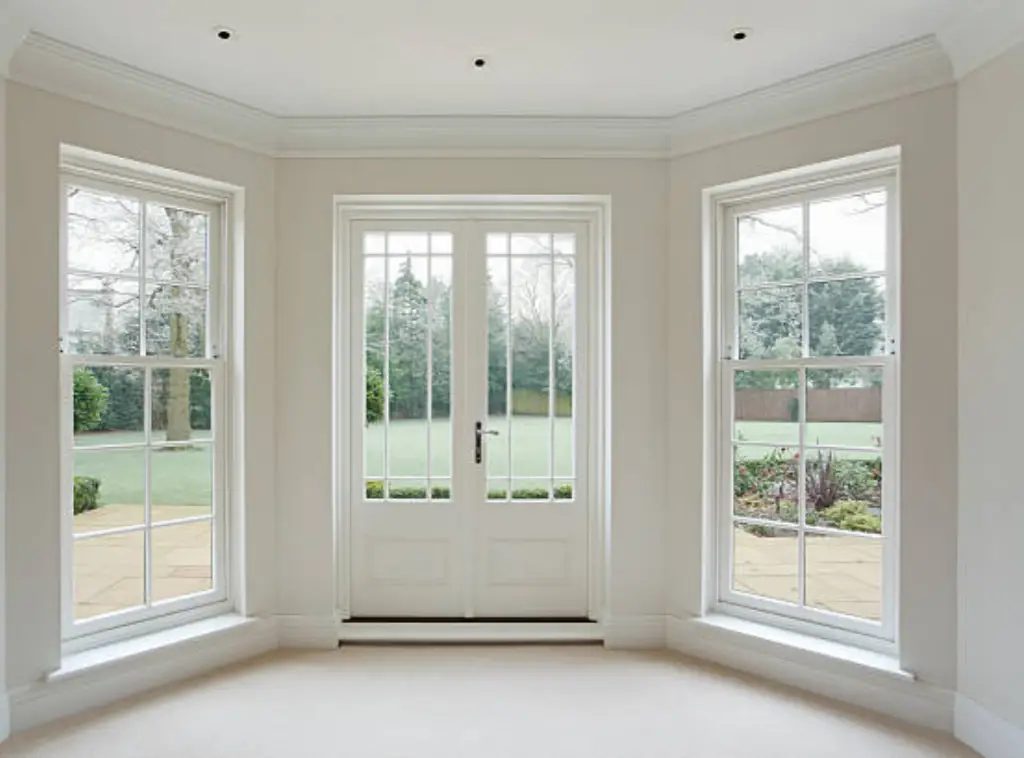
باب الفناء الفرنسي هو نظام أبواب مفصلي تقليدي، يتكون عادةً من بابين يلتقيان في المنتصف. يُفتح هذا الباب إما للداخل باتجاه الغرفة أو للخارج باتجاه الفناء. صُمم تاريخيًا كنوافذ كبيرة تُفتح على الشرفات، ويتميز بإطاراته العريضة، وملحقاته الأنيقة، وجماله الكلاسيكي.
- الايجابيات: يوفر عرض فتحة 100%؛ جمالية تاريخية لا مثيل لها؛ آليات القفل القياسية تستوعب بسهولة الأقفال الذكية الحديثة المتوفرة في السوق.
- السلبيات والاحتياطات: يتطلب "نصف قطر دوران" كبير (يستهلك مساحة أرضية)؛ عرضة لأضرار الرياح إذا تُرك مفتوحًا بدون مفصلات احتكاك مناسبة أو موانع أبواب؛ قد يكون دمج شبكات الحشرات أمرًا صعبًا ومكلفًا.
- الأفضل لـ (التطبيقات): ترميم المنازل التاريخية، وبناء منازل فاخرة مصممة حسب الطلب، وعقارات ذات مساحات داخلية وخارجية واسعة. من حيث الموقع، فهي مثالية لغرف النوم الرئيسية التي تفتح على شرفات خاصة، أو للانتقال من غرف الطعام الرسمية إلى الشرفات، أو حتى لتكون بمثابة مداخل أمامية فخمة وجذابة.
ما هو باب الفناء المنزلق؟
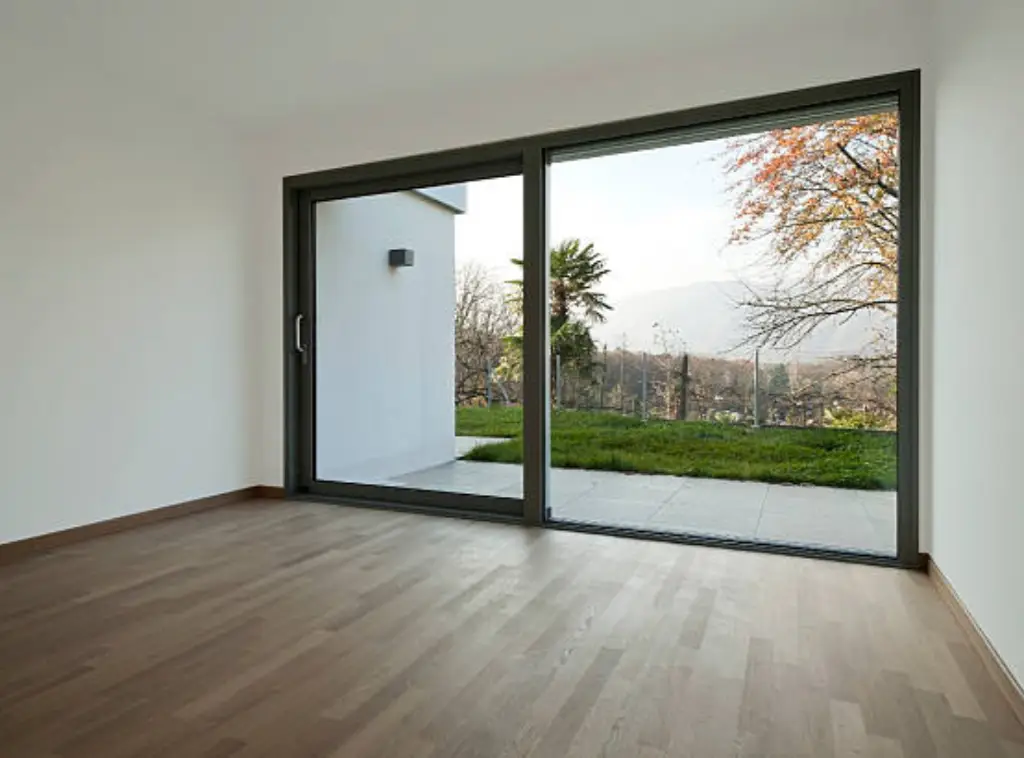
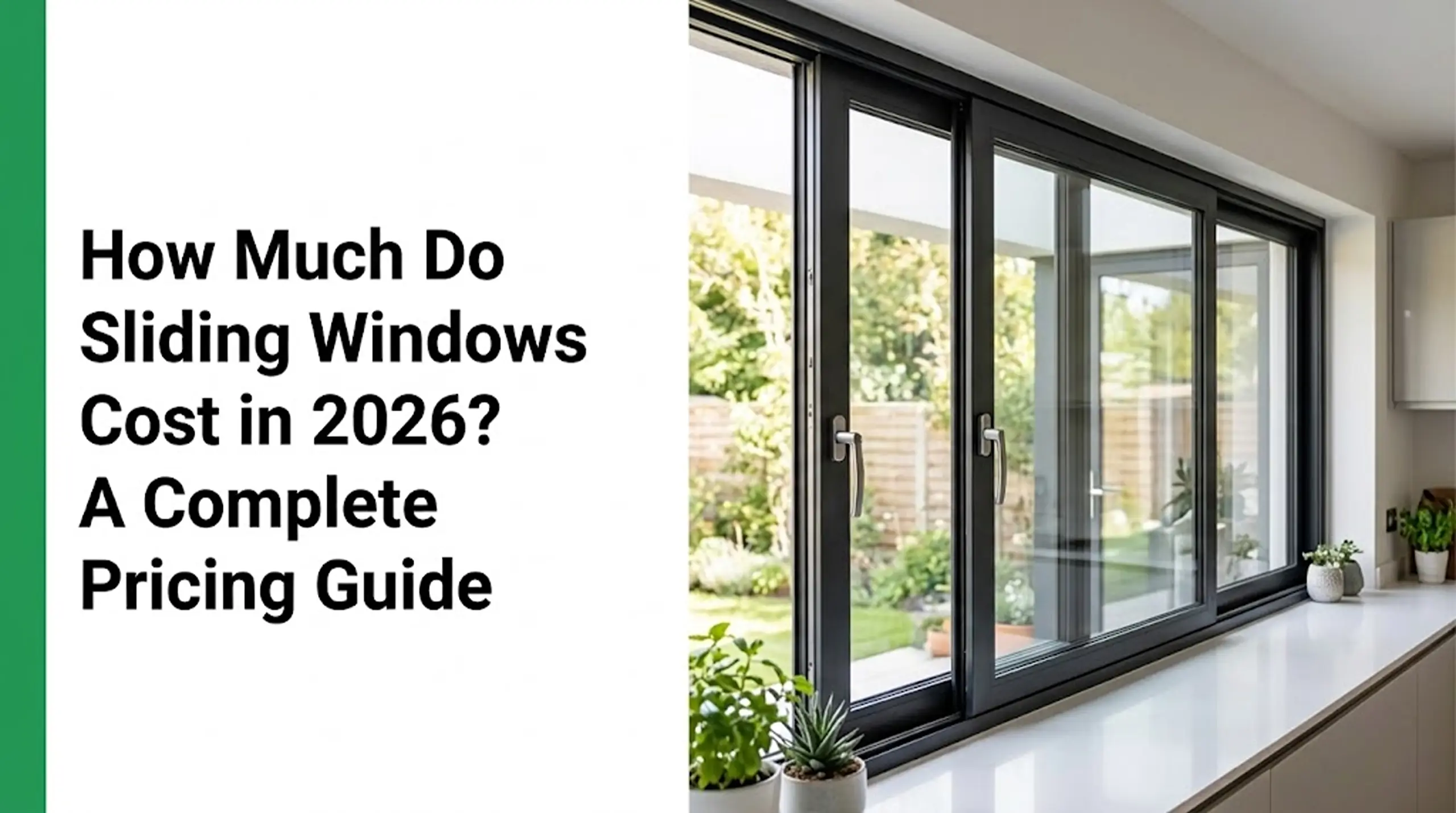
يعمل باب الفناء المنزلق على نظام مسار أفقي. وبدلاً من التأرجح على مفصلات، ينزلق لوح زجاجي كبير واحد على الأقل بسلاسة خلف لوح ثابت. تسمح عمليات التصنيع الحديثة لهذه الأبواب بإطارات ضيقة للغاية تحمل ألواحًا زجاجية ضخمة، مما يخلق حاجزًا شبه غير مرئي بين الداخل والخارج.
- الايجابيات: لا يتطلب مساحة إضافية (موفر للمساحة بشكل مثالي)؛ يزيد من الإضاءة الطبيعية بفضل الألواح الزجاجية كبيرة الحجم؛ يتكامل بسهولة مع شاشات الحشرات المنزلقة؛ قابل للتوسع بدرجة كبيرة وفعال من حيث التكلفة للبناء بكميات كبيرة.
- السلبيات والاحتياطات: يوفر فقط فتحة 50%؛ المسار السفلي يجذب الحطام ويتطلب تنظيفًا دوريًا لمنع السحب؛ من الصعب دمجه مع الأقفال الذكية القياسية.
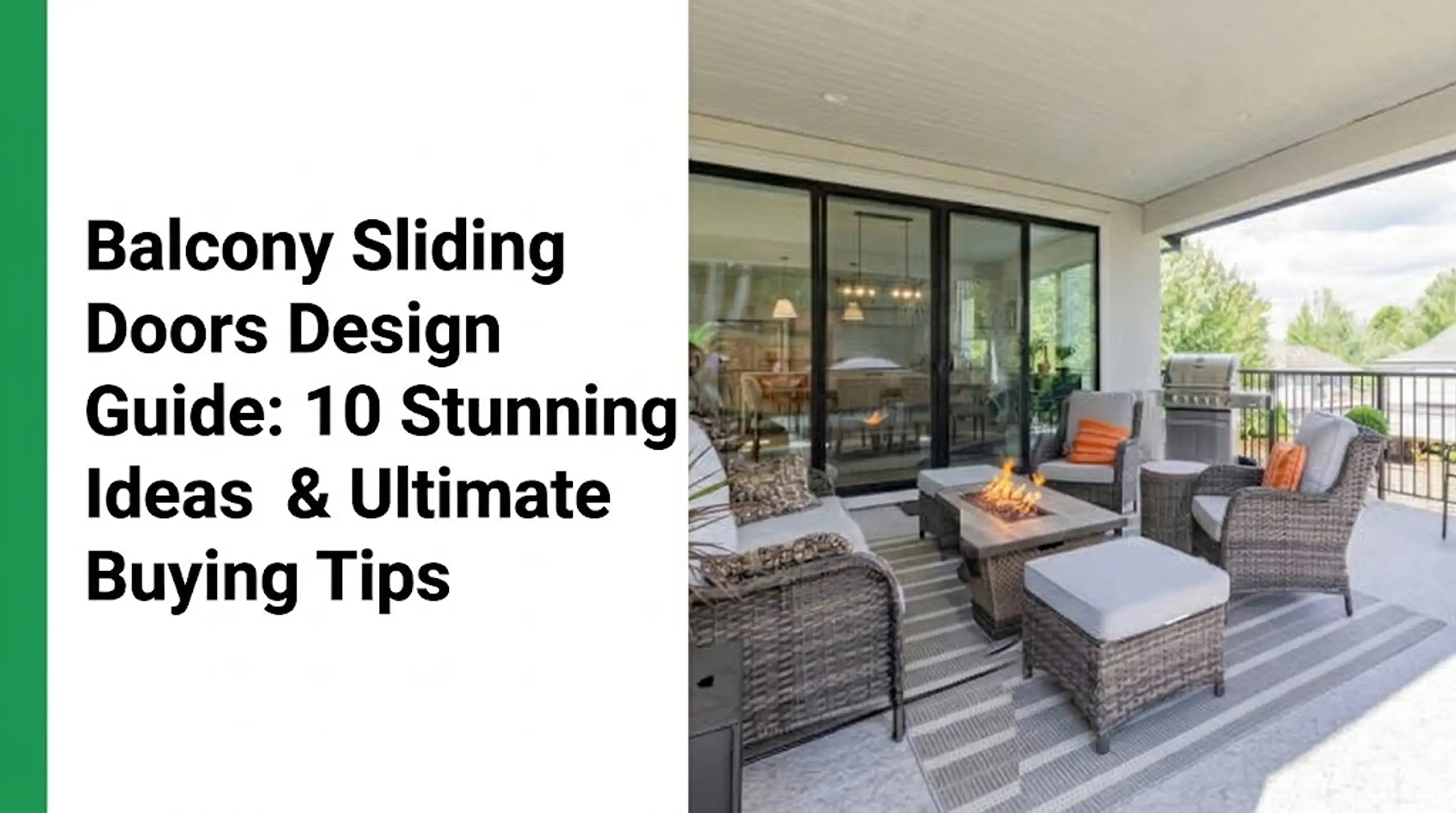
- الأفضل لـ (التطبيقات): تتميز الشقق السكنية في المدن بتصميمها المعماري البسيط، ومشاريع البناء واسعة النطاق التي تُعطي الأولوية لكفاءة التكلفة. ومن حيث الموقع، تُعدّ هذه الشقق الخيار الأمثل للمساحات التي تشهد حركة مرور كثيفة بين المطبخ والفناء الخلفي، وغرف المعيشة المزدحمة حيث توضع قطع الأثاث بالقرب من الزجاج، وشرفات الشقق الضيقة حيث يستحيل عملياً تركيب باب متأرجح.
تحليل معمق: أبعاد القرار الرئيسية
والآن بعد أن وضعنا الأساسيات، دعونا نستكشف لماذا توجد هذه الإيجابيات والسلبيات، وكيف تؤثر على الحياة اليومية لأصحاب المنازل، وماذا تعني للمقاولين الذين يقومون بتركيبها.
الفضاء والعمليات
إن الآلية الفيزيائية لكيفية فتح الباب ستحدد بشكل مباشر التصميم الداخلي والخارجي للمبنى.
الأبواب الفرنسية:
نظراً لأن الأبواب الفرنسية تعمل بمفصلات، فإنها تتطلب نصف قطر دوران محدد. بالنسبة لمالك المنزل، فإن التأرجح الداخلي يعني الباب الفرنسي أنه لا يمكنك وضع أريكة أو طاولة طعام أو نباتات منزلية داخله. فهو يفرض سيطرته على المساحة. بالنسبة للمهندسين المعماريين والبنائين، فإن تحديد... تأرجح خارجي يُوفر الباب مساحة داخلية، ولكنه يتطلب فناءً واسعاً وخالياً من العوائق. علاوة على ذلك، يجب التفكير ملياً في استخدام الأبواب الخارجية في المناطق التي تشهد تساقطاً كثيفاً للثلوج، حيث أن تراكم الثلج على الزجاج قد يحبس الموجودين في الداخل.
الأبواب المنزلقة:
تُعتبر أبواب الفناء المنزلقة الخيار الأمثل بلا منازع لتحقيق الكفاءة المكانية. ولأن اللوح المتحرك ينزلق بالتوازي مع اللوح الثابت، فإنه لا يتطلب أي مساحة إضافية.
نصيحة للمقاولين والمهندسين المعماريين: للمحترفين الذين يسعون إلى لمسة معمارية راقية، يمكن الآن تصميم أبواب منزلقة عالية الجودة بعتبة مستوية أو منخفضة. هذا التصميم يدمج مسار الباب مباشرة في الأرضية، مما يزيل خطر التعثر التقليدي ويخلق انتقالًا سلسًا تمامًا ومتوافقًا مع معايير ذوي الاحتياجات الخاصة، وهو ما يجذب بشدة مشتري المنازل الفاخرة العصرية.
هل لديك فتحة كبيرة جدًا؟ إذا تجاوز عرض فتحة الباب لديك 10 أقدام وترغب في إزالة الحدود تمامًا بين الداخل والخارج، فقد لا يكون الباب الفرنسي أو المنزلق القياسي كافيًا. في هذه الحالات، يُنصح بالترقية إلى باب قابل للطي أو أن نظام الانزلاق المتعدد هو الحل المعماري الأمثل.
التهوية والوصول
أبواب فرنسية لسهولة الوصول: عند فتح كلا لوحي الباب الفرنسي، يصبح المدخل بأكمله خاليًا. يُفتح اللوح النشط أولًا، ويمكن فك مزلاج اللوح غير النشط (المثبت بمسامير مخفية) لتوفير ممر خالٍ من العوائق. إذا كان العقار مصممًا لاستضافة تجمعات صيفية كبيرة، أو إذا كان من المتوقع نقل أثاث ضخم، فإن الأبواب الفرنسية توفر سهولة وصول لا مثيل لها.
أبواب منزلقة للتهوية المُتحكَّم بها: عادةً ما يُفتح الباب المنزلق القياسي ذو اللوحين جزئيًا فقط. ومع ذلك، فهو يتميز بقدرته الفائقة على التحكم الدقيق في تدفق الهواء. يمكنك فتح الباب المنزلق قليلًا للسماح بدخول نسمة هواء لطيفة، وسيظل اللوح الثقيل ثابتًا في مكانه على مساره دون أن يرفرف أو يُغلق فجأة.
إطلالات وإضاءة طبيعية
أبواب فرنسية لإضفاء طابع معماري مميز:
تستخدم الأبواب الفرنسية إطارات أعرض عمدًا لتعزيز متانتها الهيكلية عند المفصلات. وغالبًا ما تُزيّن بألواح زجاجية مقسمة (تُشبه الألواح الزجاجية المقسمة). ورغم أنها تسمح بدخول ضوء جميل، إلا أنها تُقسّم المنظر عمدًا. فالأبواب الفرنسية ليست حاجزًا غير مرئي، بل هي عنصر معماري بارز يُراد له أن يُعجب به كجزء من ديكور الغرفة.
أبواب منزلقة لتوفير أقصى مساحة زجاجية:
إذا كان الهدف من التصميم هو دمج المساحات الداخلية والخارجية، فإن الأبواب المنزلقة هي الخيار الأمثل. تتيح تقنيات التصنيع المتقدمة، وخاصةً باستخدام الألمنيوم المعزول حراريًا أو الألياف الزجاجية المقواة، إمكانية تصنيع إطارات (أعمدة وعوارض) رفيعة للغاية قادرة على دعم ألواح زجاجية ضخمة وثقيلة. وهذا يوفر رؤية بانورامية متكاملة للمناظر الطبيعية.
الأسلوب المعماري والجماليات
عند مقارنة الأبواب الفرنسية بأبواب الفناء، فإن تصنيفها ببساطة على أنها "تقليدية مقابل حديثة" ليس عمليًا بما يكفي لعملية تجديد واقعية. فالتأثير الجمالي يكمن في ثلاثة تفاصيل ملموسة: خطوط الرؤية، والشبكات، والتجهيزات.
الأبواب الفرنسية: قطعة معمارية مميزة تم تصميم الباب الفرنسي ليكون مرئيًا فيلم ينظر فقط خلالإنها قطعة أثاث بارزة لجدارك.
- الإطار والشبكات (العوارض): تتميز الأبواب الفرنسية بإطارات أعرض وأكثر سمكًا (أعمدة وعوارض). وغالبًا ما تُصمم بنمط شبكي (مثل الزجاج المقسم الكلاسيكي ذي العشرة أو الخمسة عشر لوحًا). تُضفي هذه الشبكات لمسة جمالية ودفئًا على الغرفة.
- تطابق التصميم الداخلي: إنها منطقية من الناحية العملية في الغرف التي تتميز بأعمال خشبية مفصلة - مثل الألواح الخشبية السميكة، أو قوالب التاج، أو الألواح الخشبية الجدارية، أو عوارض السقف المكشوفة ذات الطابع الريفي.
- الأجهزة كحلي: أنت تتفاعل مع مقبض باب حقيقي. اختيار مقبض ذراع من النحاس العتيق أو النيكل المصقول أو الأسود غير اللامع بمثابة "مجوهرات" معمارية يمكن أن تتناسق مع مقابض خزائن المطبخ أو وحدات الإضاءة.
- تنبيه بشأن اتجاهات عام 2026: ليست كل الأبواب الفرنسية قديمة الطراز. فمن أحدث صيحات الموضة الأبواب الفرنسية ذات المظهر الفولاذي (على طراز كريتال)، والتي تتميز بإطارات سوداء رفيعة وشبكات أفقية. إنها الخيار الأمثل للديكورات الداخلية ذات الطابع الريفي العصري أو الصناعي الأنيق.
أبواب الفناء المنزلقة: الحدود غير المرئية صُمم الباب المنزلق ليختفي. هدفه الجمالي الأساسي هو تحويل المناظر الطبيعية الخارجية إلى "ورق جدران" لغرفتك.
- خطوط الرؤية والزجاج: تتميز الأبواب المنزلقة المتطورة بإطارات فائقة النحافة وألواح زجاجية ضخمة متصلة. لا توجد شبكات تعيق الرؤية.
- تطابق التصميم الداخلي: تُعدّ الأبواب المنزلقة الخيار الأمثل والعملي للتصاميم ذات المساحات المفتوحة. فإذا كان منزلك يتميز بخطوط أنيقة، وجدران مستوية خالية من الزخارف البارزة، وأرضيات من البلاط كبير الحجم أو الخشب المصقول، فإن الباب المنزلق يُضفي انسيابيةً وجمالاً على المساحة الخارجية.
- الأجهزة: تتميز مقابض الأبواب المنزلقة عادةً بأنها مقابض غائرة أو مقابض على شكل حرف D بتصميم بسيط. وهي مصممة لتندمج مع الديكور بدلاً من أن تبرز، مما يحافظ على التركيز البصري بالكامل على المنظر.
الخلاصة العملية: إذا كانت شرفتك تطل على منظر طبيعي خلاب مفتوح (كأن تكون بحيرة أو غابة أو أفق مدينة) وترغب في إدخال هذا الجمال الطبيعي إلى منزلك، فاختر الأبواب المنزلقة. أما إذا كان المنظر يقتصر على سياج الحديقة الخلفية التقليدي، أو إذا كنت ترغب في إضافة لمسة مميزة ودافئة إلى غرفة بسيطة، فإن الزجاج المقسم والإطارات الأنيقة للأبواب الفرنسية ستضفي على المكان رونقًا خاصًا.
الصيانة والترميم
كل باب يحتاج إلى صيانة، لكن المشاكل تختلف باختلاف آلياته الفيزيائية. الهندسة عالية الجودة هي المفتاح لتجنب هذه المشاكل على المدى الطويل.
- الأبواب الفرنسية (المفصلات والشاشات): نظرًا لأن وزن الزجاج مُرتكز بالكامل على المفصلات الجانبية، فإن الأبواب الفرنسية رديئة الصنع عُرضة للترهل والاحتكاك بالأرضية مع مرور الوقت. لذا، تُعدّ المفصلات عالية الجودة والقابلة للتعديل ثلاثي الأبعاد ضرورية. بالإضافة إلى ذلك، يُعدّ تركيب شبكات الحماية من الحشرات أمرًا معقدًا، وغالبًا ما يتطلب خيارات قابلة للسحب باهظة الثمن للحفاظ على مظهرها الكلاسيكي.
- الأبواب المنزلقة (المسارات والبكرات): يتراكم الغبار والأوساخ بشكل طبيعي على المسار السفلي، مما قد يتسبب في احتكاك الباب أو إصداره صريراً. يقلل الاستثمار في بكرات مزدوجة عالية الجودة من الفولاذ المقاوم للصدأ بشكل كبير من هذه الصيانة. ومن المزايا الأخرى، أن الأبواب المنزلقة تتوافق بسهولة مع شبكات الحماية من الحشرات المنزلقة القياسية وغير المكلفة.
مقاومة المناخ والطقس
عند اختيار باب لفناء منزلك أو شرفتك أو حديقتك الخلفية، فأنت تقوم بتركيب حاجز خارجي بالغ الأهمية. يجب أن يتحمل الباب الظروف المناخية القاسية ودرجات الحرارة القصوى والعوامل الجوية الخارجية. إليك كيفية أداء كلا النوعين تحت الضغط.
الأبواب الفرنسية: عزل فائق مقابل مقاومة الرياح
- حماية استثنائية من التجنيد الإجباري: تُحكم الأبواب الفرنسية إغلاقها بالضغط. فعند إغلاقها وقفلها، ينضغط الباب فعلياً على شريط مانع التسرب عالي الجودة. وهذا ما يجعلها مثالية لمنع تسرب الهواء في المناخات الباردة، مما يضمن أقصى قدر من كفاءة الطاقة خلال فصل الشتاء.
- خطر "الضربة الريحية": رغم كونها ممتازة في منع تيارات الهواء الباردة، إلا أن الأبواب الفرنسية التي تُفتح للخارج تُصبح عرضةً للخطر عند تركها مفتوحة للتهوية. فقد تتسبب عاصفة مفاجئة في اصطدامها باللوح الزجاجي بقوة، مما يُجهد المفصلات أو حتى يُحطم الزجاج. لذا، يُعدّ اختيار أبواب مُصممة بمفصلات احتكاك عالية الجودة ومتينة، أو تركيب حواجز خارجية للأبواب، أمراً لا غنى عنه لضمان عمر أطول.
أبواب الفناء المنزلقة: ثبات المسار والتحكم الحراري
- مقاومة لأضرار الرياح: على عكس الأبواب الفرنسية، فإن الأبواب المنزلقة محصنة تمامًا ضد خطر ارتطام الرياح. ولأنها تنزلق بثبات داخل مسار علوي وسفلي، فإن حتى الرياح الجانبية القوية لن تعلق بها أو ترتطم بها، مما يجعلها موثوقة للغاية في المناطق الساحلية أو المرتفعة المعرضة للرياح.
- إدارة اكتساب الحرارة الشمسية: يُعدّ حجم الزجاج المتصل الكبير الشاغل البيئي الرئيسي للأبواب المنزلقة. إذ يمكن أن تعمل الألواح الزجاجية الضخمة كعدسة مكبرة في الصيف، وكالثلاجة في الشتاء. لذا، يُنصح بشدة، عند اختيار الأبواب المنزلقة، باستبدالها بزجاج مزدوج أو ثلاثي الطبقات منخفض الانبعاثية (Low-E) مملوء بغاز الأرجون. يعكس هذا الطلاء المتخصص حرارة الشمس إلى الخارج في الصيف، ويحبس حرارة التدفئة والتبريد داخل المنزل في الشتاء، مما يُخفض فواتير التكييف والتهوية بشكل كبير، ويُلبي معايير البناء الخارجية الحديثة الصارمة.
التكلفة والميزانية
عند وضع ميزانية لأبواب الفناء، من الضروري فصل تكلفة المواد عن تكلفة التركيب. ولأن الأبواب الفرنسية تتطلب وصلات دقيقة، ومفصلات متينة، وأنظمة قفل متعددة النقاط معقدة، فإن سعرها عادةً ما يكون أعلى من سعر الأبواب المنزلقة العادية.
فيما يلي تفصيل واقعي للتكاليف بناءً على فتحة قياسية بقياس 72 بوصة × 80 بوصة (6 أقدام). (ملاحظة: تختلف الأسعار بناءً على الموقع الجغرافي والتشطيبات المخصصة وترقيات الزجاج مثل الزجاج منخفض الانبعاثية أو الزجاج ثلاثي الطبقات).
| فئات التكلفة | أبواب فناء منزلقة | أبواب فرنسية (مزدوجة الفتح) | لماذا الفرق؟ |
| مواد المستوى التمهيدي(فينيل، فولاذ، ألومنيوم أساسي) | $600 – $1,500 | $1,000 – $2,500 | تتطلب الأبواب الفرنسية مواد تأطير أكثر وآليات قفل أكثر تعقيدًا حتى في المستوى الأساسي. |
| مواد متوسطة إلى فاخرة(ألومنيوم معزول حرارياً، ألياف زجاجية، مغلف بالخشب) | $2,000 – $5,000+ | $3,000 – $7,000+ | تتميز الأبواب الفرنسية الفاخرة بشبكات زخرفية (أقسام) ومقابض فاخرة (مقابض رافعة). أما الأبواب المنزلقة عالية الجودة فتعتمد على بكرات متينة من الفولاذ المقاوم للصدأ. |
| العمالة والتركيب(استبدال في الفتحة الحالية) | $400 – $800 | $600 – $1,500+ | تستقر الأبواب المنزلقة على مسار سفلي، مما يجعل تركيبها أسرع. أما الأبواب الفرنسية، فتعتمد كلياً على المفصلات الجانبية، فإذا لم يكن الإطار مستقيماً تماماً، فلن تُغلق الأبواب. |
| النطاق الإجمالي المقدر | $1,000 – $5,800+ | $1,600 – $8,500+ | لا يشمل ذلك تعديلات الجدران الهيكلية. |
واقع "التحديث" (نصيحة للمقاولين):
هل تخطط لتوسيع فتحة موجودة؟ إذا كنت ترغب في توسيع نافذة قياسية بطول 6 أقدام إلى 9 أو 12 قدمًا لإدخال المزيد من الضوء، فإن تصميم الباب أقل أهمية من أعمال البناء. يتطلب توسيع الجدار إزالة الدعامات الخشبية وتركيب عتبة جديدة أكثر متانة. يمكن أن تضيف أعمال البناء هذه وحدها ما بين 1500 و3000 دولار أمريكي أو أكثر إلى ميزانية مشروعك، بغض النظر عما إذا اخترت أبوابًا منزلقة أو أبوابًا فرنسية.
اعتبارات متقدمة: الأمن والتحكم في الوصول
مع الأخذ في الاعتبار الظروف الجوية والمناخية القاسية، يجب أن يكون باب الفناء الخارجي بمثابة حاجز مادي متين ضد المتسللين. ونظرًا لاختلاف آلية عملهما تمامًا، تتطلب الأبواب الفرنسية والأبواب المنزلقة استراتيجيات أمنية مختلفة تمامًا.
فيما يلي تفصيل لكيفية مقارنتها والإجراءات الأمنية الدقيقة التي يجب عليك تطبيقها لكل منها.
مقارنة الأمن وأفضل الممارسات
| نمط الباب | نظام القفل الأصلي | التوافق مع المنزل الذكي | ترقيات الأمان الموصى بها |
| أبواب فرنسية | أقفال مزلاج وأقفال مخفية (على اللوحة غير النشطة) | عالي: متوافق مع أقفال الأبواب القياسية المزودة بلوحة مفاتيح/واي فاي 90%. | حدد نظام قفل متعدد النقاط؛ استخدم براغي بطول 3 بوصات على ألواح الضرب. |
| أبواب منزلقة | أقفال خطافية نقرية | قليل: تُصعّب الإطارات الضيقة عملية إيجاد أقفال آلية متوافقة. | قم بتركيب كتل منع الرفع في المسار العلوي؛ وأضف قفل دبوس إضافي يعمل بالقدم. |
نصائح عملية في مجال الأمن والخصوصية لأصحاب المنازل:
للأبواب الفرنسية (الأجهزة والحواجز المادية):
- قاعدة النقاط المتعددة: لا تكتفِ بقفل عادي. نظرًا لأن الأبواب الفرنسية تلتقي في المنتصف، يُمكن فتحها بالقوة. لذا، اختر نظام قفل متعدد النقاط يُؤمّن الباب من الأعلى والوسط والأسفل في آنٍ واحد.
- ميزة الشبكة: استغل التصميم الكلاسيكي للأبواب الفرنسية. اختيار الشبكات التقليدية (العوارض أو الألواح المقسمة) يُنشئ حاجزًا هيكليًا مدمجًا. حتى لو كسر لصٌّ لوحًا زجاجيًا، فإن الشبكة الداخلية المتينة تمنعه من التسلل.
للأبواب المنزلقة (مضادة للرفع وحماية بصرية):
- قاعدة منع المصاعد: يجب أن تتضمن الأبواب المنزلقة الحديثة حواجز مانعة للرفع في المسار العلوي لمنع اللصوص من رفع اللوح من الإطار بسهولة. يُنصح دائمًا بإضافة قفل إضافي (قفل دبوس) في الأسفل كإجراء وقائي إضافي.
- زجاج مضاد للتجسس يوفر الخصوصية: نظرًا لأن الأبواب المنزلقة تتميز بزجاج كبير غير قابل للكسر، فقد تُحوّل منزلك، للأسف، إلى واجهة عرض جذابة للصوص. لذا، يُنصح بتركيب طبقة عاكسة أحادية الاتجاه أو اختيار زجاج معتم للخصوصية. يتيح لك هذا الاستمتاع بإطلالات بانورامية رائعة خلال النهار، مع حجب رؤية ممتلكاتك الثمينة تمامًا عن أعين المجرمين.
لكلا نوعي الأبواب (الردع المحيطي):
- لا تعتمد على باب الفناء كخط دفاعك الوحيد؛ امنع المتسللين قبل وصولهم إلى الزجاج. احمِ فناءك الخلفي بتركيب أسوار عالية توفر الخصوصية، وبوابات جانبية مقفلة، وأضواء كاشفة تعمل بحساسات الحركة مباشرة فوق باب الفناء للقضاء على أماكن الاختباء في الظلام.
الخاتمة وخطوتك التالية
في نهاية المطاف، لا يوجد باب مثالي موضوعيًا، بل يوجد فقط الباب المناسب لتصميم منزلك، وطرازه المعماري، واحتياجاتك الوظيفية. تُعد الأبواب المنزلقة الخيار الأمثل لزيادة الإضاءة وتوفير المساحة، بينما تبقى الأبواب الفرنسية المعيار الذهبي للأناقة الكلاسيكية وسهولة الوصول.
وراء كل قرار رائع لتحسين المنزل، تكمن راحة البال التي تأتي مع الجودة الاستثنائية. الاستثمار في باب مصمم بدقة عالية وأداء ممتاز يجنبك مشاكل مستقبلية غير ضرورية، بدءًا من صعوبة تحريك الأبواب وانحناء الإطارات وصولًا إلى تسرب الهواء وفقدان الطاقة. بصفتنا شركة رائدة في تصنيع النوافذ والأبواب حسب الطلب، نوافذ هوتيان نحن ملتزمون بتوفير راحة البال. نصمم منتجاتنا من الصفر لضمان أداء حراري فائق، وسهولة في التشغيل اليومي، وجمال معماري يدوم طويلاً.
هل أنت مستعد لاختيار الباب المثالي لمشروعك؟ سواء كنت تقوم بتحديث منزلك الخاص أو تبحث عن مواد موثوقة لمشروع تطوير جديد، فنحن هنا للمساعدة. تصفح كتالوج منتجاتنا للعثور على التصميم الذي يناسب رؤيتك، أو تواصل مع فريقنا اليوم لمناقشة التصنيع حسب الطلب والحلول المعمارية المصممة خصيصًا.
الأسئلة الشائعة
- هل يمكنني استبدال الباب المنزلق بباب فرنسي بسهولة؟ نعم. يشترك الباب المنزلق القياسي بطول 6 أقدام في نفس الفتحة التقريبية للباب الفرنسي المزدوج القياسي، مما يجعل عملية الاستبدال سهلة. فقط تأكد من وجود مساحة كافية خالية على الأرضية أو الشرفة لفتح الأبواب الفرنسية.
- أي نوع من الأبواب يزيد من قيمة إعادة بيع المنزل؟ يعتمد ذلك على الطراز المعماري لمنزلك. تزيد الأبواب الفرنسية من قيمة المنازل التقليدية والكلاسيكية، بينما تضيف الأبواب المنزلقة الفاخرة لمسة مميزة للعقارات الحديثة ذات التصميم المفتوح من خلال توفير إطلالات بانورامية.
- هل الأبواب المنزلقة أكثر مقاومة للماء من الأبواب الفرنسية؟ كلاهما يتمتع بمقاومة عالية للظروف الجوية. مع ذلك، تتميز الأبواب المنزلقة بميزة طفيفة في حالة الأمطار الغزيرة بفضل نظام تصريف المياه المدمج (فتحات التصريف). أما الأبواب الفرنسية، فتعتمد على حشوات ضغط محكمة، وهي ممتازة لمنع تسرب الهواء البارد، ولكن يجب ضبطها بدقة لمنع التسربات.
- ما هو أقصى عرض يمكنني الحصول عليه لباب الفناء؟ يبلغ عرض الأبواب الفرنسية التقليدية عادةً حوالي 8 أقدام كحد أقصى، لأن الزجاج الثقيل مدعوم بالكامل بمفصلات جانبية. أما الأبواب المنزلقة، فترتكز على مسار سفلي، ويمكن أن تمتد بسهولة من 12 إلى 20 قدمًا أو أكثر، مما يوفر فتحات واسعة من الجدار إلى الجدار.