مقدمة
سواء كنتَ تُركّب نوافذ لمبنى جديد أو تستبدل نوافذ قديمة، فهي استثمار كبير وطويل الأمد. إذا اخترتَ الخيار الخاطئ، فستُعاني من تيارات الهواء والضوضاء والتسريبات، أو حتى مخاطر الاصطدام بالرأس لعقد من الزمان. غالبًا ما يجد أصحاب المنازل صعوبة في الاختيار بين النوافذ المفصلية والمنزلقة، لعدم معرفتهم أيهما يُناسب مساحتهم بشكل أفضل. يُقدّم هذا الدليل شرحًا مُباشرًا للأداء العملي. تابع القراءة للاطلاع على دليل عملي مُختصر - يجمع بين أنماط النوافذ وأنواع الزجاج والملحقات - مُصمّم خصيصًا لحلّ مشاكل مُحدّدة تتعلق بعزل الصوت والحرارة والأمان والمساحات الضيقة.
النوافذ المفصلية مقابل النوافذ المنزلقة: التعريفات وكيفية عملها
قبل أن نتعمق في مقاييس الأداء، دعونا نحدد بسرعة ماهية هذه النوافذ والآليات الكامنة وراء كيفية عملها.
1. النوافذ المفصلية
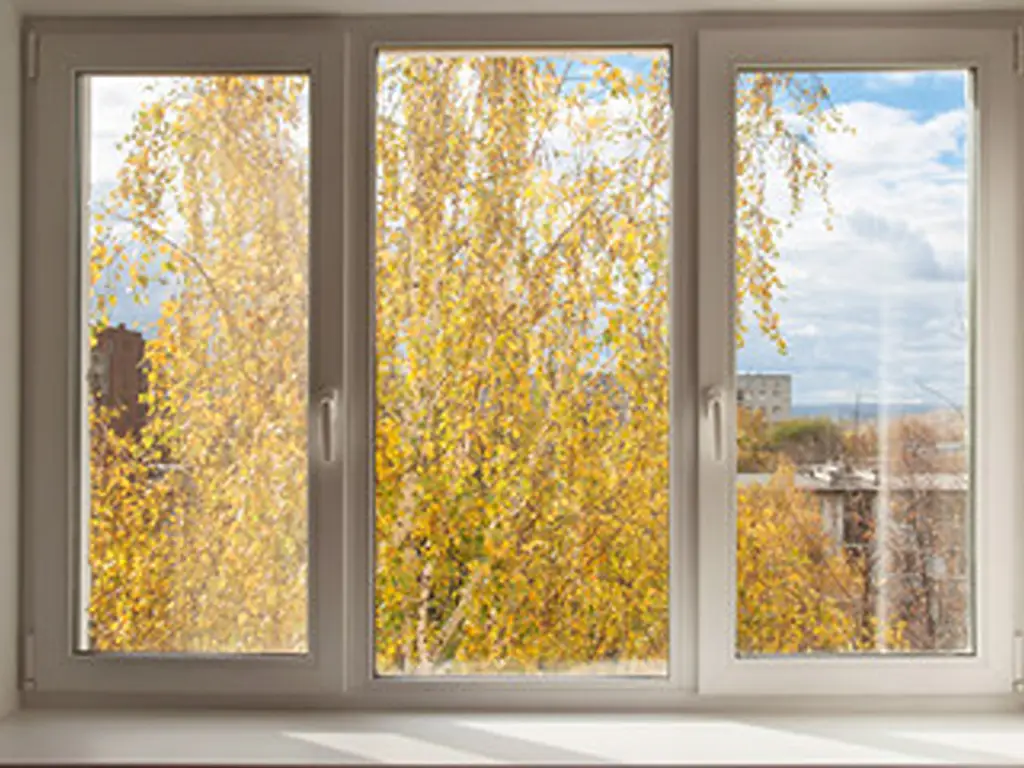
ما هي نافذة المفصلات؟
أ نافذة ذات أجنحة هو في الأساس باب زجاجي للحائط. يتم تثبيته بإطار النافذة بواسطة مفصلة واحدة أو أكثر على الجانب.
كيف يعمل؟
تُفتح معظم النوافذ المفصلية الحديثة باستخدام ذراع تدوير يدوي ميكانيكي في قاعدتها، يدفع إطار النافذة للخارج. عند إغلاق النافذة ودفع ذراع القفل للأسفل، يُفعّل قفل متعدد النقاط يعمل بنظام الكامات. تسحب هذه الآلية إطار النافذة بالكامل إلى الداخل، ضاغطةً إياه بإحكام على شريط منع التسرب المطاطي المحيط بالإطار لتكوين مانع تسرب محكم.
2. النوافذ المنزلقة
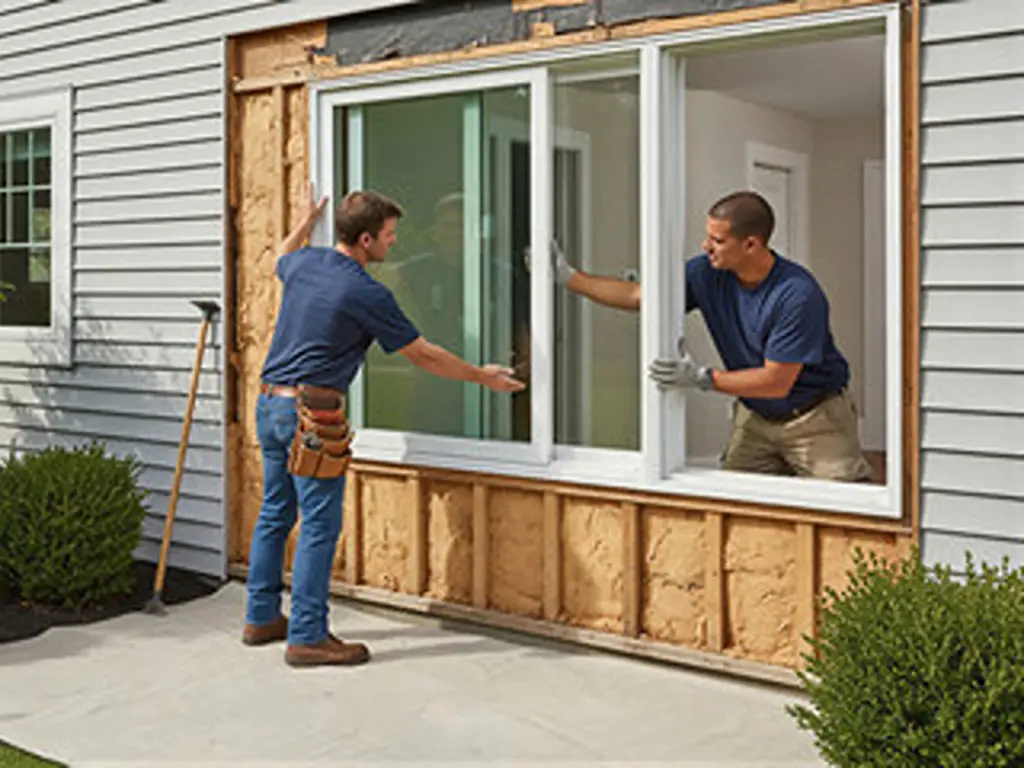
ما هي النافذة المنزلقة؟
يُعرف أيضًا باسم النافذة المنزلقة أو المنزلقة، وهو يشبه تمامًا باب الفناء الزجاجي المنزلق المصغر في الشكل والوظيفة.
كيف يعمل؟
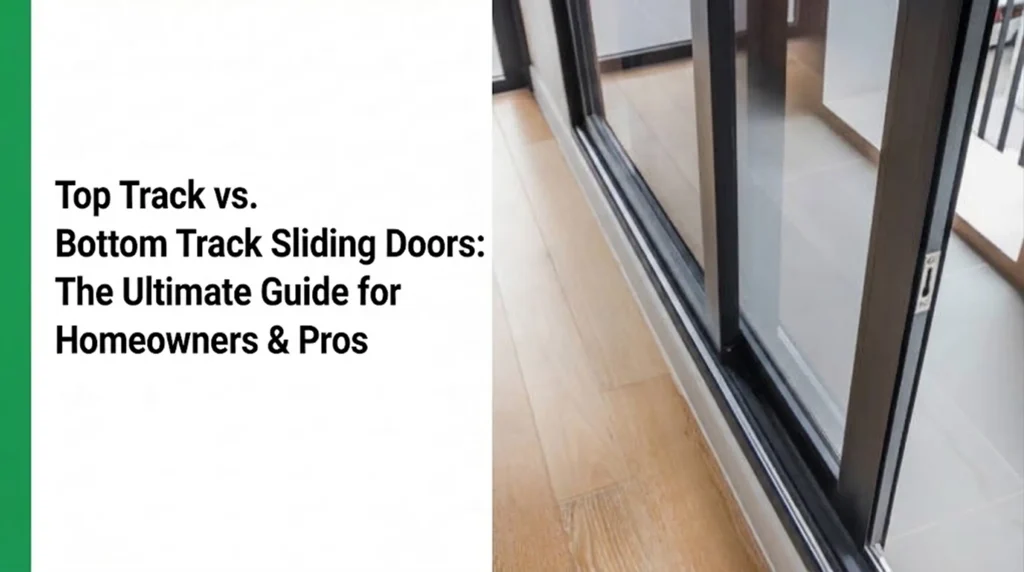
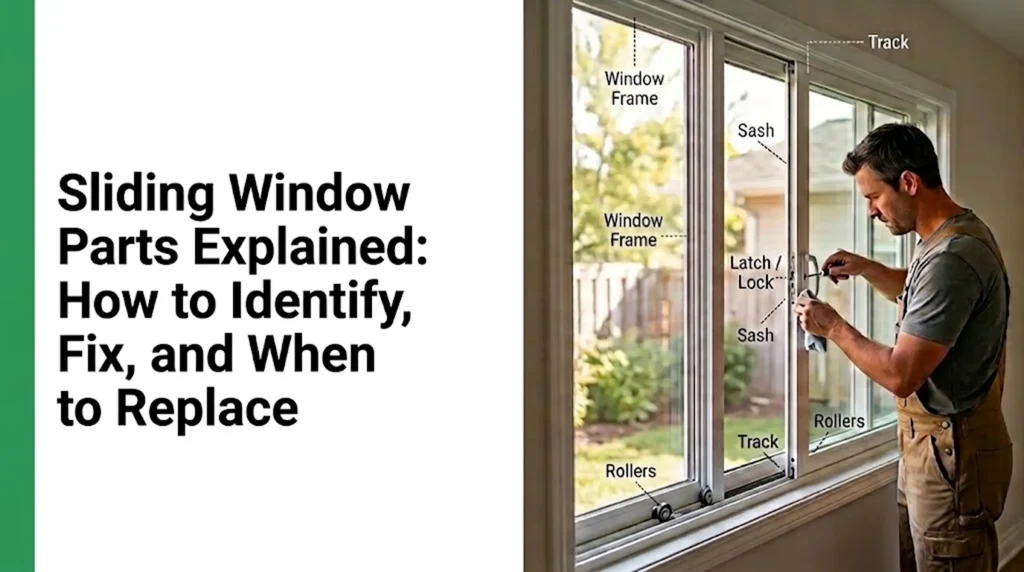
تتميز النوافذ المنزلقة بضلفة أو ضلفتين متحركتين تنزلقان أفقيًا يمينًا أو يسارًا على طول مسارات في أعلى وأسفل إطار النافذة. ولأنها تعمل عن طريق انزلاق لوح زجاجي فوق لوح آخر موازٍ له، فإنها تتطلب فجوات صغيرة جدًا داخل المسار لتتحرك بسلاسة. وعادةً ما تُقفل عن طريق تثبيت الضلفة المنزلقة في سكة الالتقاء المركزية الثابتة.
مقارنة سريعة: النوافذ المفصلية مقابل النوافذ المنزلقة
هل وقتك ضيق؟ ابدأ بجدول المقارنة الأساسي هذا. لا يوجد خيار مثالي تمامًا، فالأمر كله يتعلق بإيجاد الخيار الأنسب لاحتياجاتك الخاصة.
| ميزة | نوافذ ذات أجنحة | النوافذ المنزلقة |
| طريقة الفتح | يتأرجح للخارج أو للداخل مثل الباب. | ينزلق أفقياً على طول مسار. |
| تهوية | يُفتح الإطار بالكامل، مما يسمح تدفق الهواء 100%. | لا يمكن فتحه إلا بحد أقصى 50% من منطقة النافذة. |
| العزل والعزل الصوتي | تضغط الأوشحة بإحكام على شريط منع التسرب لـ عزل ممتاز. | يتطلب الأمر وجود فجوات طفيفة في المسار للانزلاق، مما يؤدي إلى إحكام إغلاق أضعف. |
| المساحة المطلوبة | يتطلب مساحة كافية في الداخل (خطر الاصطدام) أو في الخارج. | يعمل بشكل كامل تدفق, ، ولا يشغل أي مساحة إضافية. |
| التنظيف والصيانة | التأرجح للداخل سهل؛ أما التأرجح للخارج فيصعب الوصول إليه. | يسهل تنظيف الزجاج، لكن المسارات السفلية تجمع الغبار/الحطام. |
| عرض مرئي | يمكن أن تتضمن لوحة كبيرة واحدة لـ منظر غير محجوب. | يتم تقسيم المشهد بشكل دائم بواسطة الإطارات المركزية المتداخلة. |
| التكلفة والميزانية | عمومًا 10% – 20% أغلى ثمناً. | أكثر بأسعار معقولة ومناسب للميزانية. |
الاختلافات الرئيسية بين النوافذ المفصلية والنوافذ المنزلقة
1. العزل والعزل الصوتي: ميزة هيكلية
لماذا تُعتبر النوافذ المفصلية أفضل بكثير في عزل الضوضاء؟ الأمر يتعلق بالفيزياء. فعند إغلاق نافذة مفصلية وقفلها، تسحب آلية القفل الإطار بالكامل بإحكام على شريط منع التسرب، مما يخلق إحكامًا تامًا للهواء - تمامًا مثل إغلاق غطاء علبة تخزين الطعام.
أما النوافذ المنزلقة، من ناحية أخرى،, يجب يجب ترك فجوات صغيرة بين الإطار والمسار لضمان انزلاق سلس. وحيثما توجد فجوة، سينتقل الصوت والهواء ودرجة الحرارة.
2. التهوية والرؤية: 100% مقابل 50%
عند فتحها بالكامل، تعمل النافذة المفصلية كشراع، فتلتقط النسيم الجانبي وتوجه الهواء النقي إلى الغرفة، موفرةً تهوية ممتازة. علاوة على ذلك، يمكن تصميمها بدون دعامة مركزية، لتشبه نافذة بانورامية توفر إطلالات واسعة دون عوائق.
تتطلب النوافذ المنزلقة أن تتجاوز لوحتا الزجاج بعضهما البعض. هذا يعني أن نصف فتحة النافذة سيكون محجوبًا دائمًا، وأن خط الرؤية سيكون دائمًا منقسمًا بواسطة الإطار العمودي في المنتصف.
3. المساحة والسلامة: الحواجز غير المرئية مقابل مصدات الرأس
أكبر ميزة مطلقة للنوافذ المنزلقة هي عملية التدفق. لن تتعدى هذه الأجهزة أبدًا على مساحة معيشتك أو ممراتك الخارجية.
في المقابل، تستهلك النوافذ المفصلية الداخلية مساحة داخلية قيّمة، وتعيق استخدام الستائر، وتشكل خطرًا كبيرًا لإصابات الرأس. أما النوافذ المفصلية الخارجية فتحل مشكلة المساحة الداخلية، ولكنها قد تشكل خطرًا على السلامة في الأحوال الجوية القاسية؛ بل إن العديد من إدارات المباني الشاهقة تمنع منعًا باتًا تركيب النوافذ المفصلية الخارجية نظرًا لخطر سقوط أجزائها المعدنية.
4. التكلفة والقيمة: الاستثمار الأولي مقابل المدخرات طويلة الأجل
عمومًا، تُعد النوافذ المنزلقة الخيار الأنسب من حيث التكلفة. ولأنها تحتوي على أجزاء ميكانيكية أقل وتعتمد على نظام مسار بسيط نسبياً، فإنها أرخص في التصنيع وأسهل في التركيب.
على الجانب الآخر،, تتراوح تكلفة النوافذ المفصلية عادةً بين 10% و 20% إضافية. تساهم أنظمة القفل متعددة النقاط المتطورة، وآليات التدوير شديدة التحمل، والمفصلات المقواة (التي يجب أن تتحمل وزن الزجاج بالكامل عند فتحه) في رفع تكلفة الإنتاج. مع ذلك، من المهم النظر إلى القيمة طويلة الأجل: فالإحكام الممتاز لنوافذ المفصلات الجانبية يمكن أن يقلل بشكل كبير من فواتير التدفئة والتبريد الشهرية، مما يعوض في النهاية السعر الأولي المرتفع.
أفضل تصميمات النوافذ للحد من الضوضاء والعزل والأمان
لا يمكن لإطار النافذة وحده حل مشاكلك. النافذة عالية الأداء تعني النمط المناسب (يحدد الأساس) + الزجاج المناسب (80% للمنطقة) + الأجهزة المناسبة. إليكم أفضل الحلول لمشاكل المنزل الشائعة:
1. نقطة الضعف: مواجهة شارع مزدحم أو طريق سريع (ضوضاء شديدة)
- تحذير من الخبراء: يُهدر العديد من أصحاب المنازل أموالهم على الزجاج الصوتي الفاخر، لكنهم يركبونه في إطار منزلق. ببساطة، يتجاوز الصوت الزجاج ويتسرب عبر فجوات المسار.
- الحل الأمثل: 【نافذة مفصلية + زجاج مزدوج مصفح】
- لماذا ينجح الأمر؟ يجب الاستفادة من إحكام إغلاق النوافذ المفصلية. يُنصح بتركيب زجاج مزدوج مُصفّح (يحتوي على طبقة عازلة للصوت من مادة PVB). تعمل السماكات المختلفة للزجاج وطبقة PVB على تقليل صدى الصوت، مما يجعلها فعّالة للغاية في حجب ضوضاء المرور منخفضة إلى متوسطة التردد، مثل ضوضاء محركات السيارات.
2. نقطة الضعف: أشعة الشمس الحارقة في فترة ما بعد الظهر، أو الطابق العلوي، أو المناخات القاسية
- تحذير من الخبراء: تُعدّ النوافذ أكبر مصدر لفقدان الطاقة في المنزل. فالعزل الضعيف يجعل نظام التكييف باهظ الثمن عديم الفائدة، ويرفع فواتير الطاقة بشكل كبير.
- الحل الأمثل: 【نافذة مفصلية + زجاج مزدوج منخفض الانبعاثية (مملوء بغاز الأرجون)】
- لماذا ينجح الأمر؟ يُحكم إغلاق النافذة بإحكام، مما يحافظ على درجة حرارة الغرفة. يعمل الطلاء ذو الانبعاثية المنخفضة (Low-E) كمرآة تعكس حرارة الشمس في الصيف، بينما تحبس حرارة الغرفة في الشتاء. كما أن إضافة غاز الأرجون - وهو موصل رديء للحرارة - بين ألواح الزجاج يزيد من كفاءة العزل الحراري.
3. نقطة الضعف: السكن في الطابق الأرضي (مخاوف أمنية)
- تحذير من الخبراء: يمكن بسهولة فتح النوافذ المنزلقة التقليدية التي لا تحتوي على أقفال ثانوية أو رفعها من مساراتها باستخدام عتلة بسيطة.
- الحل الأمثل: 【نافذة مفصلية + نظام قفل متعدد النقاط + زجاج مقسّى/مُصفّح】
- لماذا ينجح الأمر؟ تُثبّت آلية القفل متعددة النقاط إطار النافذة في عدة نقاط في آنٍ واحد، مما يجعل فتحها من الخارج شبه مستحيل. ويضمن استخدام الزجاج الرقائقي، حتى في حال تحطيم النافذة، بقاء الزجاج ملتصقًا بالطبقة البلاستيكية الداخلية، مانعًا الدخول.
4. نقطة الضعف: ميزانية محدودة وشرفات ضيقة للغاية
- الحل الأمثل: 【نافذة منزلقة + زجاج مزدوج قياسي مقسّى】
- لماذا ينجح الأمر؟ بالنسبة للغرف غير المعرضة لظروف جوية قاسية أو ضوضاء شوارع عالية، تُعدّ النوافذ المنزلقة الخيار الأمثل من حيث التكلفة. فهي اقتصادية، وتوفر مساحة قيّمة في الشرفات والممرات، كما أن الزجاج المزدوج القياسي يلبي احتياجات العزل الأساسية اليومية بسهولة.
بالنسبة للمطورين الذين يتعاملون مع مشاريع ذات ضوضاء عالية أو مشاريع ذات معايير صارمة للطاقة، فإن الشراء مباشرة من الشركة المصنعة يحسن بشكل كبير هوامش الربح الخاصة بك. [اطلب عينة مادية للتقييم الهندسي، أو اطلب عرض أسعار بالجملة] لسلسلة الآلات الصوتية/المنخفضة E الخاصة بنا.
أين يتم تركيب النوافذ المفصلية مقابل النوافذ المنزلقة؟
- فوق حوض المطبخ: اختر دائمًا نافذة ذات أجنحة. إن الانحناء فوق منضدة عريضة لدفع نافذة منزلقة أفقياً أمرٌ غير مريح ويُجهد الظهر. أما النافذة المفصلية التي تعمل بالرافعة فيمكن فتحها بسهولة بيد واحدة.
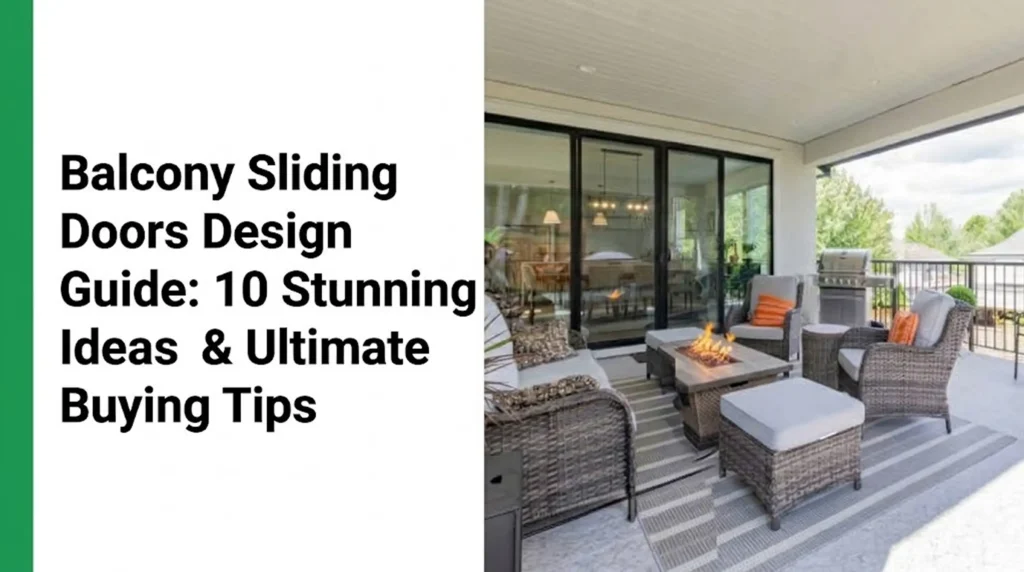
- الشرفات والممرات الضيقة: اختر مع النوافذ المنزلقة. السلامة واستغلال المساحة الأمثل هما الأولوية. تضمن آلية الانزلاق المتساوية عدم اصطدامك بزوايا النوافذ الحادة.
- غرف النوم الرئيسية / المسارح المنزلية: أنصح به بشدة نوافذ ذات أجنحة. تتطلب المساحات المخصصة للراحة والترفيه أقصى درجات الهدوء والتحكم في درجة الحرارة، مما يجعل إحكام إغلاق النوافذ المفصلية أمراً لا غنى عنه.
- جدران غرفة المعيشة ذات المناظر الخلابة: يستخدم نوافذ ذات أجنحة. صمم نافذة كبيرة ثابتة في المنتصف لتوفير رؤية متواصلة ومؤطرة للخارج، محاطة بنوافذ جانبية أصغر حجماً لتحقيق تدفق هواء مثالي.
خاتمة
لا توجد نافذة "مثالية" مطلقًا، بل يوجد الحل الأمثل الذي يناسب تصميم منزلك وميزانيتك وأسلوب حياتك. بتحديد احتياجاتك الأساسية، سواءً كانت عزلًا صوتيًا فائقًا، أو عزلًا حراريًا، أو توفيرًا للمساحة، يمكنك اختيار التصميم الأمثل الذي يضمن لك استثمارًا موفقًا.
اتخذ الخطوة التالية في تحويل منزلك من خلال التواصل مع فريقنا المحترف اليوم للحصول على قياس مجاني في الموقع واستشارة شخصية لضمان استبدال النوافذ المثالية لمساحتك.