導入
Whether renovating a historic home, building a modern villa, or leading a large-scale commercial apartment development, choosing between Casement and Sash windows is an unavoidable and crucial decision. Choosing the wrong window can mean homeowners endure daily drafts or difficult cleaning, while contractors and developers face high callback rates and hidden costs.
This article breaks through conventional surface-level explanations to provide you with a full-spectrum guide, ranging from daily lifestyle experiences to factory manufacturing data.
What Are Casement and Sash Windows? (Definitions, Pros & Cons)
開き窓
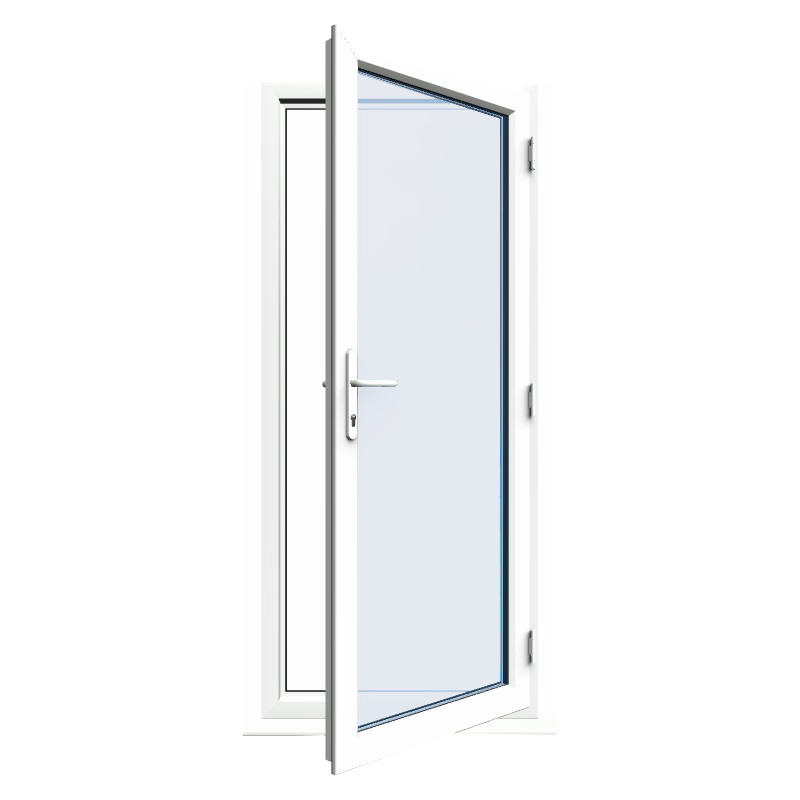
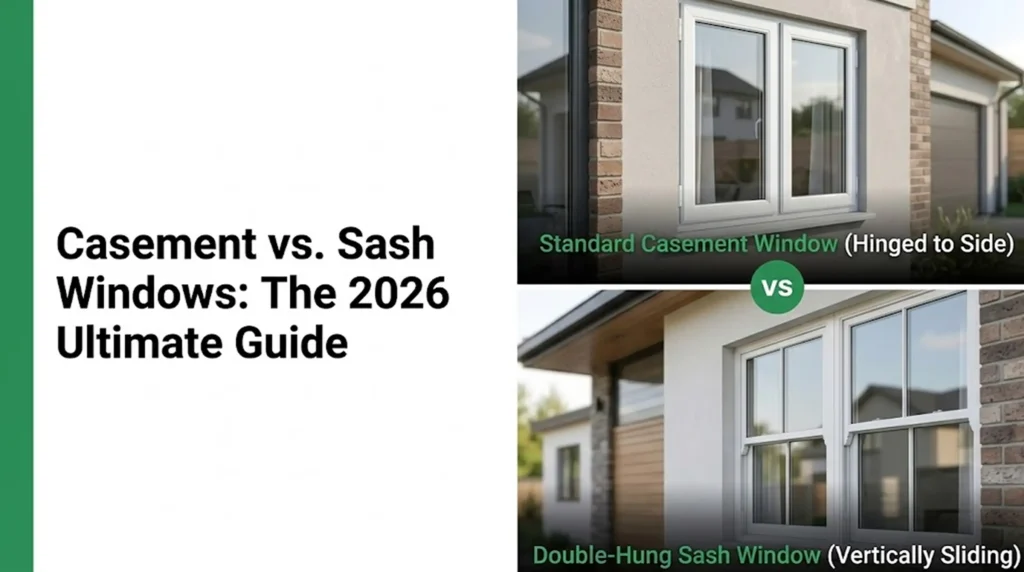
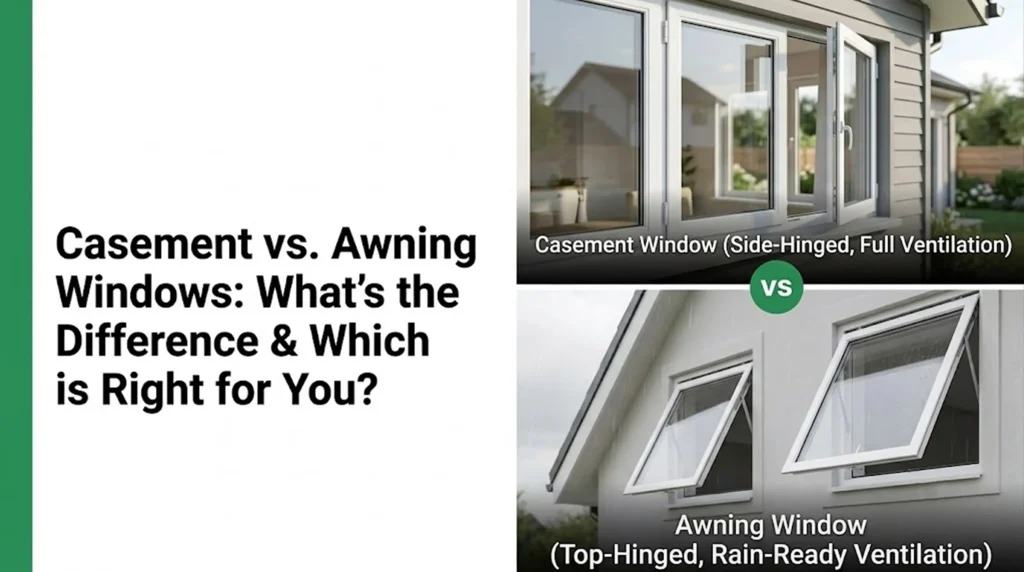
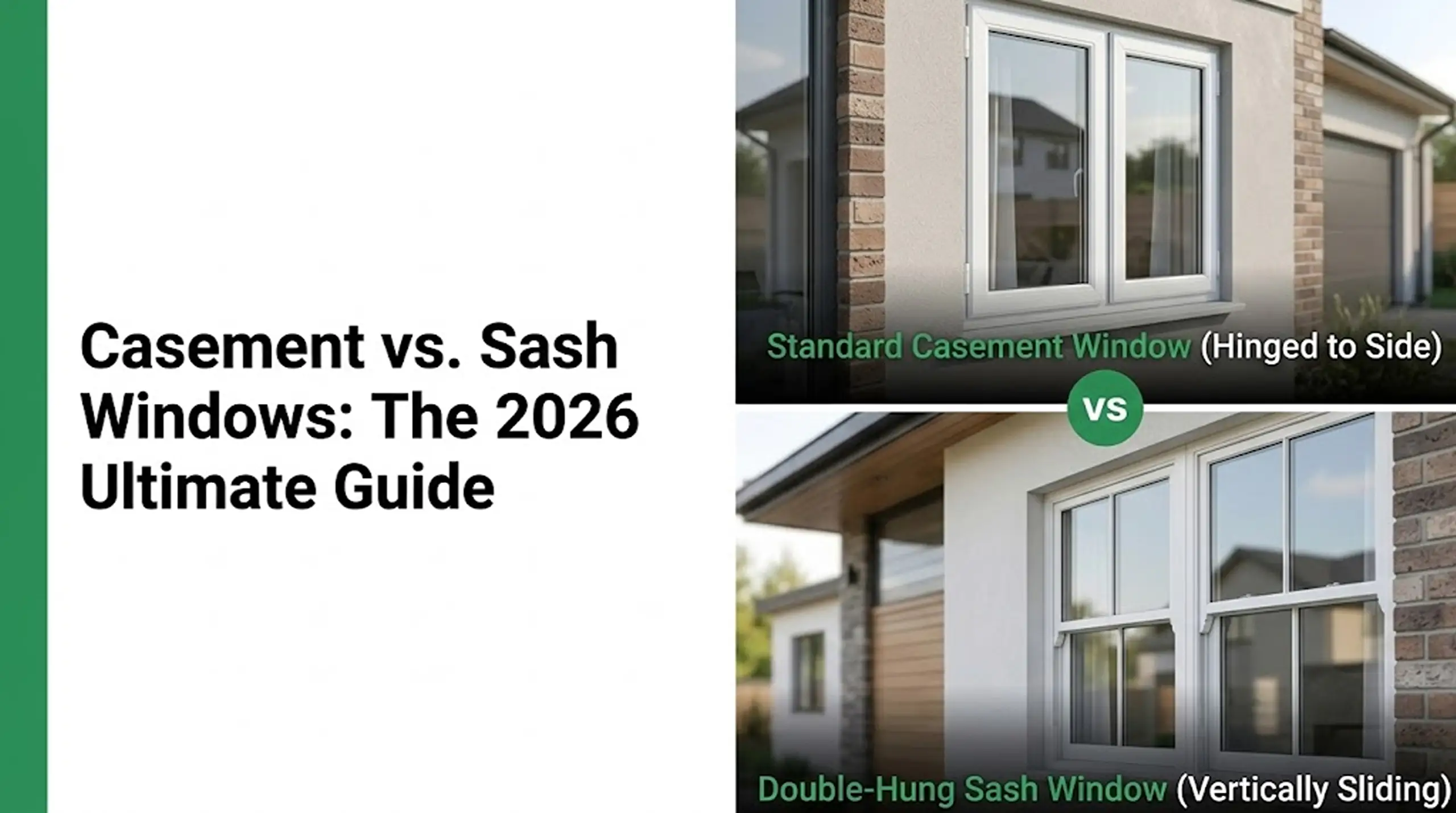
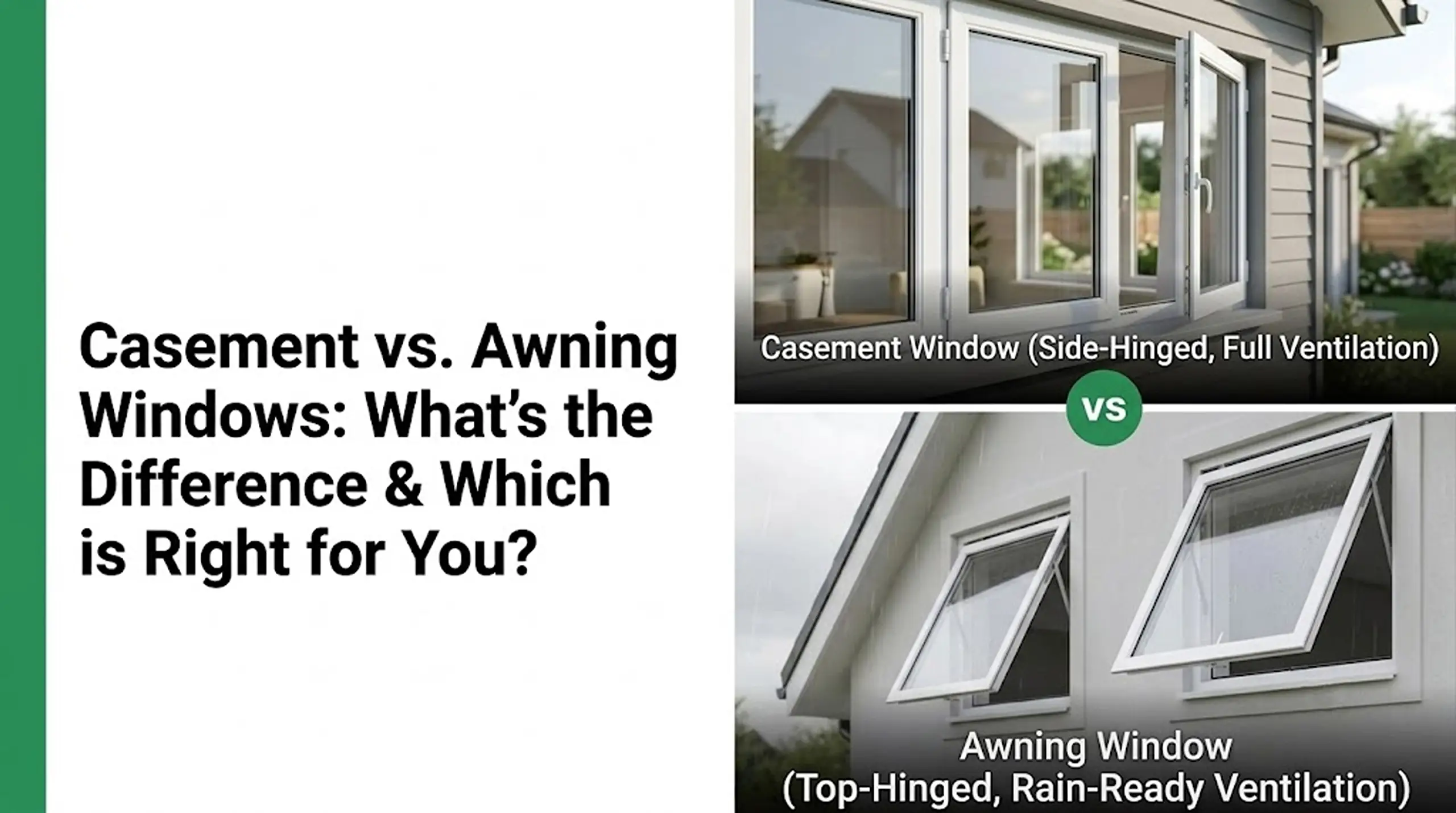
- Definition & Mechanism: The window sash is attached to the frame by hinges on one side. Users typically open them outward or inward like a door, using an interior crank or handle.
- 主な利点: Extremely high ventilation efficiency (100% opening); no center mullion blocking the view, providing excellent visibility.
- Core Disadvantages: Requires extra clearance space outdoors (or indoors) to swing open.
Sash Windows (Hung Windows)
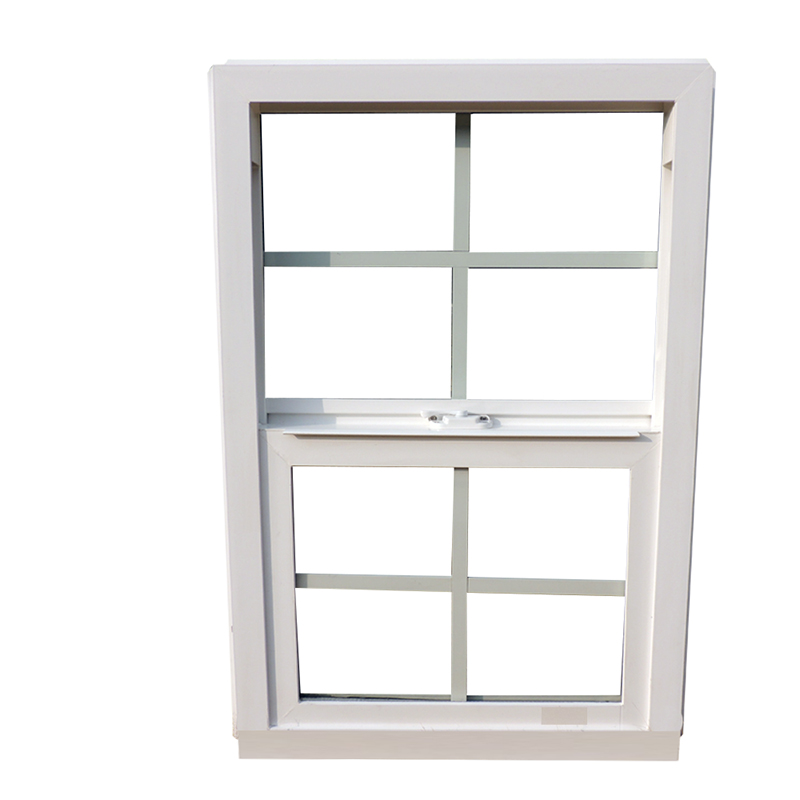
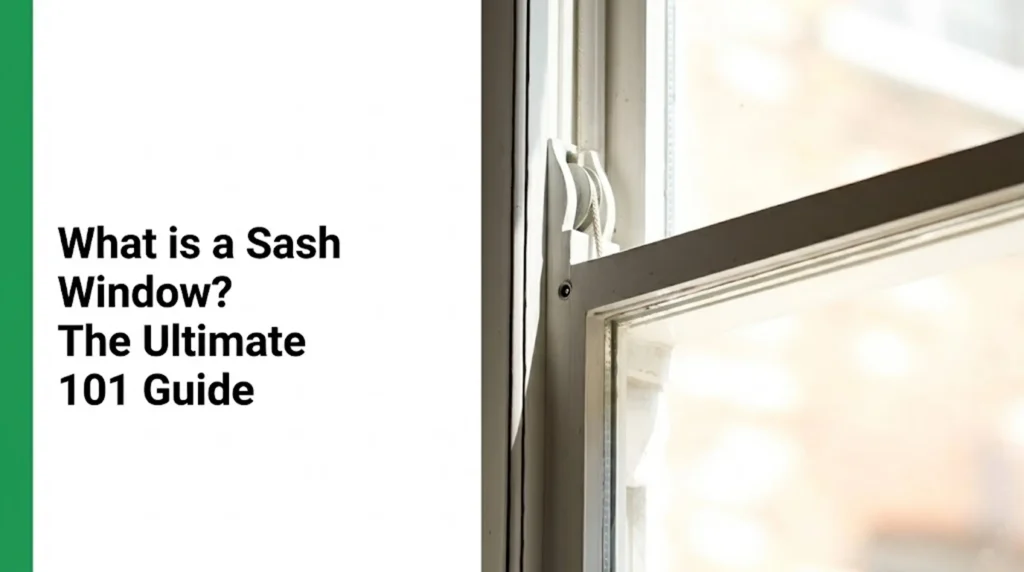
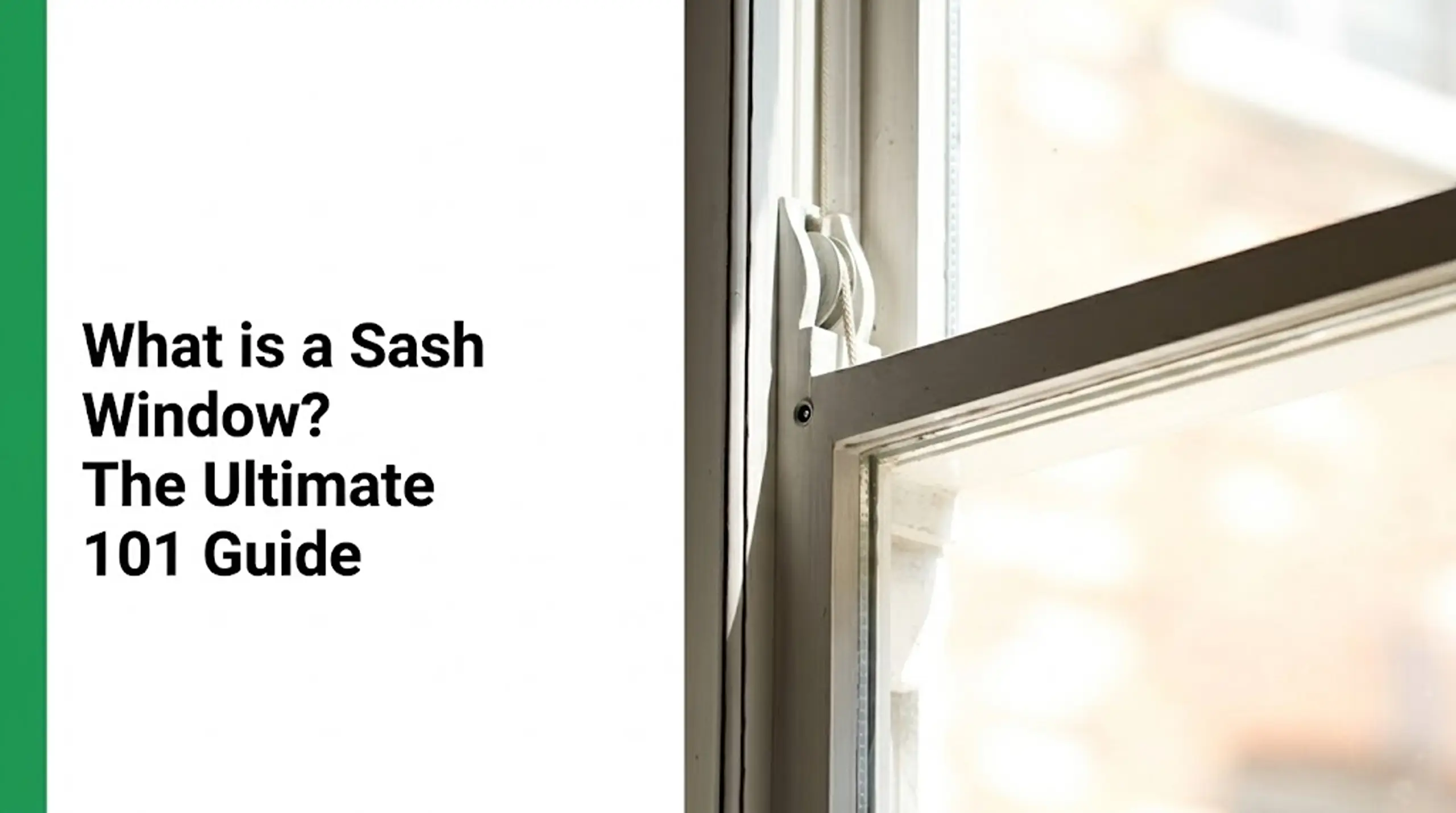
- Definition & Mechanism: Composed of overlapping window sashes that slide vertically within tracks, supported by hidden spring balancers or traditional cord-and-weight systems concealed in the frame.
- 主な利点: Purely in-plane sliding with zero footprint required indoors or outdoors; comes with the elegant, vintage aesthetic of classical architecture.
- Core Disadvantages: Ventilation area is limited to a maximum of 50% (one half is always covered by the glass).
Casement vs. Sash Windows Comparison Chart
| Comparison Dimension | 開き窓 | サッシ | Your Best Choice | Target Audience & Scenario Match |
|---|---|---|---|---|
| 最大限の換気 | Perfect (100% open) | Average (Max 50%) | 開き窓 | Hot climates, homes desiring maximum natural airflow. |
| Space & Safety | Needs swing clearance | Zero space footprint | サッシ | Narrow balconies, street-facing windows, ground floors with security grilles, or corridors. |
| Insulation & Drafts | Excellent (Compression seal) | Good (Friction seal) | 開き窓 | Freezing climates, energy-efficient buildings, homeowners demanding top-tier insulation. |
| 初期費用 | Relatively economical | Higher (15%-25% more) | Depends on budget | Choose Casement for a limited budget; choose Sash for classic vintage value. |
| Architectural Aesthetics | Modern, minimalist, farmhouse | Victorian / Vintage | Depends on home style | Casement for modern builds; Sash is a must for historic renovations. |
Casement vs. Sash Windows: Energy Efficiency, Cleaning, and Cost
Pain Point 1: Insulation, Wind Resistance, and Air Tightness (Who keeps the house warmer in winter?)
Casement is the undisputed winner. Its closing mechanism is similar to a refrigerator door: when closed, the multi-point locking system pulls the entire sash tightly against the frame, firmly pressing the compression seal. The stronger the wind outside, the tighter the window is pressed shut. In contrast, to ensure smooth vertical sliding, Sash windows cannot achieve this dead-locked physical compression. They rely on weatherstripping to fill the gaps, making them more prone to minor drafts during extreme winds.
Pain Point 2: Cleaning and Routine Maintenance (How do I clean second-floor glass?)
In the past, Sash windows were considered the hardest to clean, but modern manufacturing has changed this. Today, high-quality Sash windows come standard with a tilt-in feature. Simply release the side latches, and the sash tilts flat into the interior, allowing you to easily wash the exterior glass while standing in your living room. While modern Casement windows feature “egress hinges” that leave a gap for your arm, cleaning the exterior blind spots of oversized casements can still be slightly challenging for high-rise residents.
Pain Point 3: Budget and Cost-Effectiveness (Why are sash windows usually more expensive?)
Many homeowners wonder why the seemingly simple structure of a sliding sash window is more expensive. This is primarily because Sash windows conceal complex mechanical systems (like spiral balances or constant force springs) internally, requiring more precision hardware to support the weight of the sash. Additionally, the profile cavity design of a sash window is much more complex, demanding highly precise manufacturing, which directly drives up the production cost.
For homeowners currently renovating, the comparisons above are enough to help you finalize the exterior look and feel of your home. However, the world of windows goes far beyond aesthetics and basic utility. If you are an architect, contractor, or developer of a large-scale project, the factors dictating project profitability and long-term reputation are often hidden in engineering data and installation logistics.As a source manufacturer deeply rooted in the industry for years, the engineering team at ホティアンウィンドウズ assists professional buyers worldwide in solving these complex issues every day. Next, let’s dive into the hardcore B2B professional analysis.
Casement vs. Sash Windows: Performance Data & Testing Standards
Thermal Performance (U-Values) & Passive House
In Passive House projects chasing extremely low U-values, Casement is almost the only answer. Its compression seal easily passes the most rigorous blower door tests for airtightness. Sash windows, due to the presence of sliding tracks, inherently possess minor thermal bridging effects. Although modern supply chains can significantly boost the thermal performance of Sash windows by injecting polyurethane foam and using multi-layer high-performance Low-E glass, they still fall slightly short in extreme limit data.
Structural Integrity & Wind Load
In high-wind coastal areas or high-rise commercial projects, the fixed frame design of Sash windows provides excellent structural rigidity. Conversely, if a large Casement window is accidentally opened during a typhoon, the massive sash acts like a sail, catching immense wind loads that can easily deform hinges or even tear the sash off. Therefore, when using casement windows in high-rise buildings, restrictors must usually be installed.
Acoustic Insulation
When paired with Laminated Glass, the tightly sealed Casement can achieve higher STC (Sound Transmission Class) and OITC ratings, making it the ideal noise-reduction solution for projects near highways or airports.
Casement vs. Sash: Manufacturing & Hardware
Profile Extrusion & Tooling Costs
The profile cavity of a Sash window is extremely complex, requiring pre-designed tracks for balancers and multiple slots for weatherstripping, which leads to high mold development costs. While the Casement frame is relatively simpler, it demands stringent steel reinforcement in the load-bearing frames to ensure it can support the overhanging weight of the sash over the long term.
Hardware Fatigue Testing & Lifespan
- 開き窓: The core lies in the heavy-duty friction stays. When purchasing in bulk, you must review the supplier’s hinge cycle test reports and anti-sag technology; otherwise, sash dropping within a year or two will make the window impossible to lock.
- サッシ: The core lies in the concealed spiral balances or coil spring systems. Inferior springs have a very steep degradation curve and a short lifespan; premium projects must specify high-end hardware with long-lasting anti-fatigue declarations.
Casement vs. Sash: Installation & Labor Costs
Installation Efficiency & Error Tolerance
Contractors care most about labor costs. Casement is a typical “frame-and-sash integrated” product, offering a “foolproof” fast installation. On-site caulking and fixing are extremely fast, with high error tolerance.
In contrast, large Sash windows require incredibly strict plumb, level, and square alignments on-site. If the rough opening is slightly deformed or the installer fails to level it perfectly, the sash will jam or rattle during sliding, consuming massive amounts of labor hours for on-site adjustments.
Call-backs & Warranty Costs
Tracking after-sales data for the first 5 years post-handover, the hidden maintenance costs for Sash windows are typically higher. Sliding tracks easily accumulate construction dust, hair, and debris, leading to blocked drainage holes and dry sliding. The resulting customer complaints require contractors to make frequent maintenance visits.
Best Applications for Casement vs. Sash Windows
- Historic Restorations / Conservation Areas: In many European and American municipal planning codes, preserving the historic facade is mandatory. Contractors must use Sash windows with heritage profiles and astragal bars, or the project will fail inspection.
- Modern Energy-Efficient Homes: For modern villas pursuing eco-friendliness and minimalist lines, large-area Casement windows are the top choice for balancing natural light and airtightness.
- Commercial Real Estate / High-Rise Fire Egress: Based on fire egress clearance requirements, Casement windows easily meet compliant opening areas. Sash windows, because they only open halfway, often require the overall window size to be excessively large to meet egress codes—a critical pitfall to avoid during the drafting phase.
結論
In the world of window engineering, there is no absolutely perfect window—only the optimal solution tailored to a specific project’s needs.
If your project’s core metrics are ultimate energy efficiency, soundproofing, and maximum ventilation, and you are not limited by outdoor space, 開き窓 are the best engineering and budgetary solution.
If your project is constrained by strict historic building codes, tight spatial environments, or a desire for authentic classical aesthetics, サッシ窓 are your irreplaceable must-have, despite the higher initial costs and installation labor.
よくある質問
Q1: Which type of window has a longer overall lifespan?
Under the same material quality (e.g., premium aluminum or UPVC), the frame lifespans of both are comparable; the difference lies in the hardware. Casement hinges are subjected to gravity long-term, and oversized sashes pose a risk of sagging. Sash spring balance systems suffer from metal fatigue after tens of thousands of stretches. Overall, with regular track cleaning and hardware lubrication, both can easily last 20 to 30 years.
Q2: Can I directly replace the Sash windows in my house with Casement windows?
Technically, yes (Retrofitting). You just need to remove the existing window frame entirely and custom-order casement windows to fit the opening. However, please note: if your home is located in a designated historic conservation community, the HOA or municipality may prohibit you from altering the window’s opening style on the exterior facade. Always verify compliance before starting construction.
Q3: What is the maximum size for a Casement window?
This depends on the profile material and the load-bearing limit of the hardware hinges. Generally, it is recommended that a single UPVC casement sash not exceed 900mm in width and 1800mm in height. If using system aluminum with steel reinforcement and heavy-duty hardware, the size can be pushed further, but excessively large sizes will introduce wind load safety hazards.
Why Choose Hotian for Your Next Project?
We deeply understand that a successful project delivery requires not only excellent products but also a stable and professional supply chain backbone. We are dedicated to providing outstanding engineering solutions for architects, contractors, and developers worldwide:
-
✓Unrivaled Manufacturing Capabilities: Automated lines ensuring consistent quality and incredibly short lead times for bulk orders.
-
✓B2B Exclusive Engineering Empowerment: Free CAD / BIM detail drawing support and quick customized profile samples.
-
✓Highly Competitive Project Pricing: Direct source-factory tiered pricing to empower your project’s profit margins.