Introduzione
Modern premium vinyl (PVC) has officially shed its outdated reputation as “cheap plastic.” Today, industry data shows that vinyl dominates over 70% of the North American residential window market.
As a manufacturer, we know exactly what drives this overwhelming market trend: vinyl delivers exceptionally low thermal conductivity (vastly outperforming aluminum), zero-maintenance durability (outperforming wood), and an absolute cost advantage driven by scalable production.
We built this comprehensive guide to break down the DNA of vinyl windows for every stage of your project. In the following sections, we will not only help proprietari di casa navigate the various operating styles to find the perfect functional and aesthetic match for their daily lives; we will also dive deep into the technical insights that matter most to contractors and building professionals. Later in this guide, we will explore the critical NFRC energy specs, installation logic, and the zero-tolerance manufacturing standards that ultimately protect your project margins.
Vinyl Window Types: Styles, Selection Matrix & Homeowner Guide
1. Quick Selection & Technical Specification Matrix
| Stile | Operazione | Primary Pros | Primary Cons | Best Placement | Key Technical Consideration |
|---|---|---|---|---|---|
| Doppio battente | Dual vertical sliding sashes; inward tilt | Easy indoor exterior cleaning; dual airflow ventilation | More potential air leak points along two meeting tracks | 2nd-story bedrooms, multi-level living areas | Pro Note: Look for metal-reinforced meeting rails to avoid vinyl sag over time. |
| Singolo-appeso | Fixed top pane; bottom sash slides upward | Budget-friendly; fewer moving parts mean fewer failures | Cannot clean exterior glass from indoors; 50% max opening | 1st-floor living areas, rental units, builder additions | Pro Note: Verify bottom balance system quality (spiral vs. constant force springs). |
| A battente | Side-hinged; swings outward via manual crank | Highest airtight compression seal; catches cross-breezes | Exterior sash can block walkways; crank gears wear | Kitchen sinks, bathrooms, windy coastal exposures | Pro Note: Requires heavy multi-point locking systems and corrosion-resistant hardware. |
| Tenda da sole | Top-hinged; cranks outward from the bottom | Allows full ventilation in heavy rain; excellent thermal seal | Exterior glass difficult to clean from inside; limits clearances | Basements, bathrooms, stacked below large picture windows | Pro Note: Hinges must be rated to support cantilevered sash weight over time. |
| Sliding (Glider) | Horizontal glide along a track | Easiest operation; zero inward/outward protrusion | Bottom tracks trap dust; lower wind-resistance rating | Wide living rooms, low-clearance walls, patios | Pro Note: Requires heavy-duty brass/nylon rollers and deep drain weep holes. |
| Immagine (fissa) | Fixed stationary frame (zero operation) | Zero air infiltration; lowest cost per sq. ft.; max daylight | Zero natural ventilation; cannot serve as fire egress | Great rooms, cathedral walls, scenic architectural views | Pro Note: Ensure thick Low-E coatings & argon gas to prevent summer solar heat gain. |
| Bay & Bow | 3 (Bay) or 4–6 (Bow) multi-panel projection outward | Creates usable interior alcove space; expansive 3D light | High installation complexity; needs exterior roof support | Front living rooms, primary dining areas, master suites | Pro Note: Demands structural cable support systems or exterior load-bearing corbels. |
Window Styles Explained: Pros, Cons, and Best Uses
Here is the breakdown of the seven core vinyl window styles. For homeowners, this reveals exactly how each window impacts daily life. For contractors, these are the proven selling points and technical warnings to help guide your clients toward the right investment.
1. Double-Hung Vinyl Windows
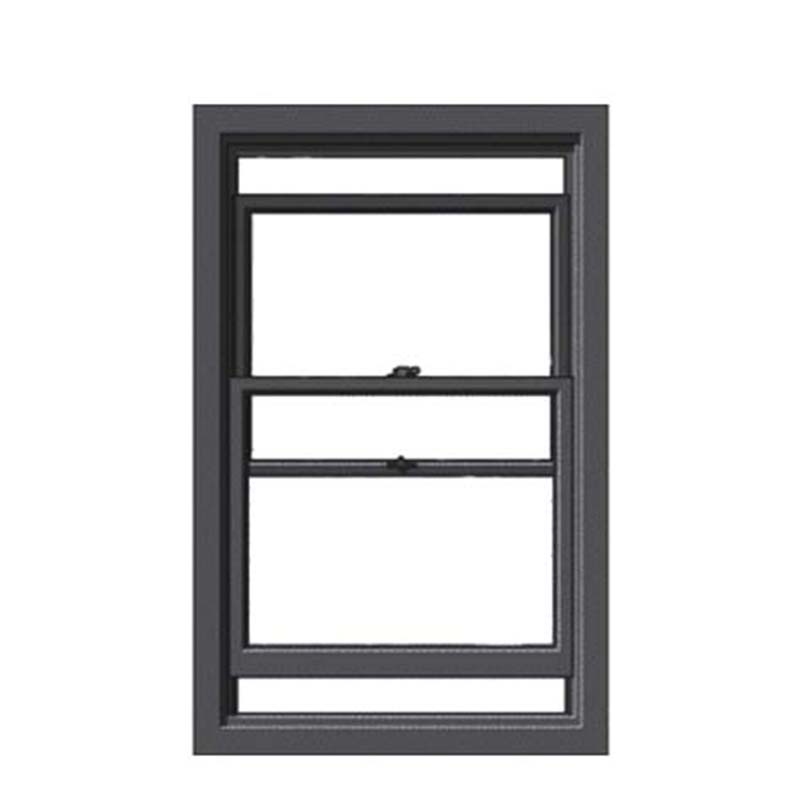
Double-hung units are the gold standard for traditional suburban architecture. Because both the upper and lower sashes move independently, top contractors highly recommend them for second-story bedrooms and multi-level living areas.
- The Real-Life Win:
- Pulizia senza sforzo: You will never have to balance on an unstable 20-foot ladder to clean the outside glass again. Push-in tilt latches allow you to rotate both panes 90 degrees inward to wipe them down safely from inside.
- The “Thermal Chimney” Effect: Crack the top sash down and the bottom sash up. Cool outdoor air pulls in through the bottom while stuffy, rising indoor air exhausts through the top.
- Child & Pet Safety: You can ventilate the room solely through the elevated top sash, keeping the bottom securely locked.
- What to Watch Out For: Because the sashes slide past each other, they rely on brush weatherstripping rather than a direct mechanical compression seal. Cheap double-hungs can develop a drafty whistle along the horizontal meeting rail in sub-zero winters. Always specify contractor-grade units with metal-reinforced rails to prevent the vinyl from bowing over time.
2. Single-Hung Vinyl Windows

Single-hung windows keep the top glass panel stationary and integrated directly into the master outer frame, while only the bottom sash slides vertically. They are the high-volume staple for budget-conscious renovations and builder-grade additions.
- The Real-Life Win:
- Cost-Effective Curb Appeal: They deliver a clean, timeless look at a fraction of the cost—often 20% to 30% cheaper per opening than double-hungs.
- Ultimate Top-Seal Durability: With the top sash welded directly into the mainframe, there is zero chance of top-seal degradation or thermal leakage up high.
- What to Watch Out For: Washing the outside of the top pane requires stepping outside with a hose or ladder. Furthermore, if the glass seal in the upper fixed panel fails (causing interior fogging), you cannot just drop in a replacement sash. The repair often involves reglazing the top frame or replacing the entire window unit.
3. Casement Vinyl Windows
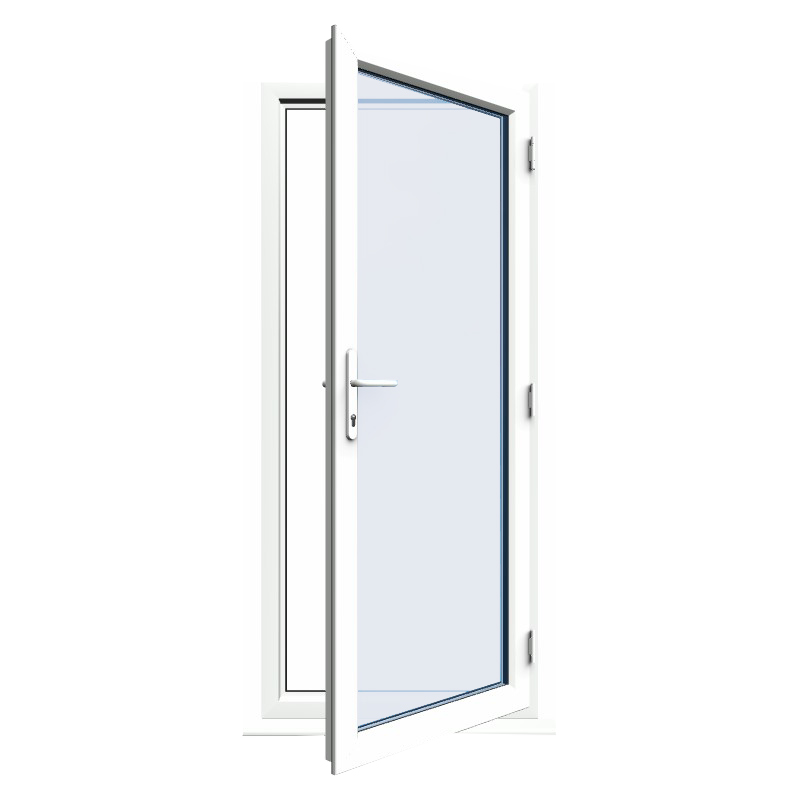
Casement windows act like mini glass doors operated by a fold-away hand crank. When closed, a side lever pulls the sash tight against continuous rubber gaskets. For contractors, this is the ultimate high-margin upsell for clients demanding maximum energy efficiency.
- The Real-Life Win:
- The Ergonomic Champion: They are perfect for awkward spots. Installed above a deep 25-inch kitchen counter or a soaking tub, a smooth crank handle does all the heavy lifting—no straining your back to push up a heavy sash.
- Maximum Airflow: When open at a 45-degree angle, the protruding sash acts like a sail, catching breezes blowing parallel to the house and funneling fresh air directly inside.
- Airtight Security: The mechanical clamp creates an unmatched compression seal against heavy winds.
- What to Watch Out For: An open casement swings directly into exterior spaces. Never place them next to narrow deck stairs, walkways, or patios where they become a head-bumping hazard. Mechanically, they cannot accommodate standard slide-in window AC units, and cheap crank gears will strip if children consistently overtighten them.
4. Awning Vinyl Windows

Hinged along the top of the frame, awning windows pivot outwards from the bottom edge, creating a protective glass canopy over the opening.
- The Real-Life Win:
- Rain-Proof Ventilation: They solve the classic wet-weather dilemma. You can keep windows wide open for fresh air during a torrential thunderstorm without letting a single drop of water inside.
- Privacy & Exhaust: Placed high on the wall in steamy bathrooms or humid basements, they maintain complete visual privacy while constantly exhausting rising damp air.
- What to Watch Out For: Washing the exterior glass from indoors is nearly impossible. Additionally, if installed low along ground-floor flower beds or exterior pathways, the outward-protruding lower edge poses a tripping or collision hazard for people walking outside.
5. Sliding (Glider) Vinyl Windows
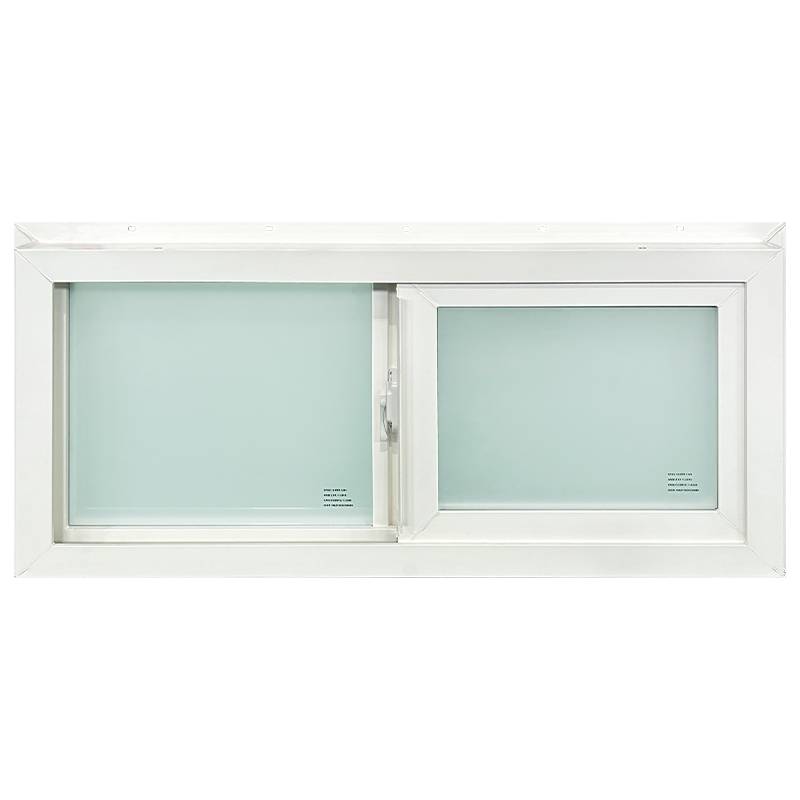
Sliding windows glide horizontally across heavy-duty tracks. They provide a streamlined, contemporary aesthetic with minimal horizontal obstruction, making them the premier choice for wide living room walls.
- The Real-Life Win:
- Low-Effort Operation: Because the sash weight rests on bottom rollers rather than fighting gravity on counterbalances, you can slide open a massive 6-foot window with a single finger.
- Zero Exterior Obstruction: They are perfect for tight property-line setbacks, screened porches, and exterior decks because they do not swing outward to block foot traffic.
- What to Watch Out For: Gravity is their biggest enemy. Dust, pet hair, and pollen inevitably settle into the bottom horizontal tracks. If not vacuumed twice a year, the grime turns to sludge, grinding down the brass rollers and clogging the exterior weep holes (which can cause rain to back up into the interior drywall).
6. Picture Vinyl Windows

Picture windows are completely stationary glass portals designed strictly for structural energy performance and panoramic sightlines.
- The Real-Life Win:
- Maximum Efficiency: Zero moving parts translates directly to zero mechanical failures and zero air infiltration.
- Minimalist Frames: Without bulky internal tracks or locking channels, they offer the absolute thinnest frames and the widest uninterrupted glass areas per square foot, providing expansive natural daylight.
- What to Watch Out For: You cannot rely on them for fresh air or emergency fire escape. Installing a large picture window in a bedroom without an adjacent operating window violates standard building and fire codes (egress). Furthermore, large south- or west-facing units without proper Low-E solar coatings will turn a living room into an unbearable greenhouse in mid-July.
7. Bay & Bow Vinyl Windows
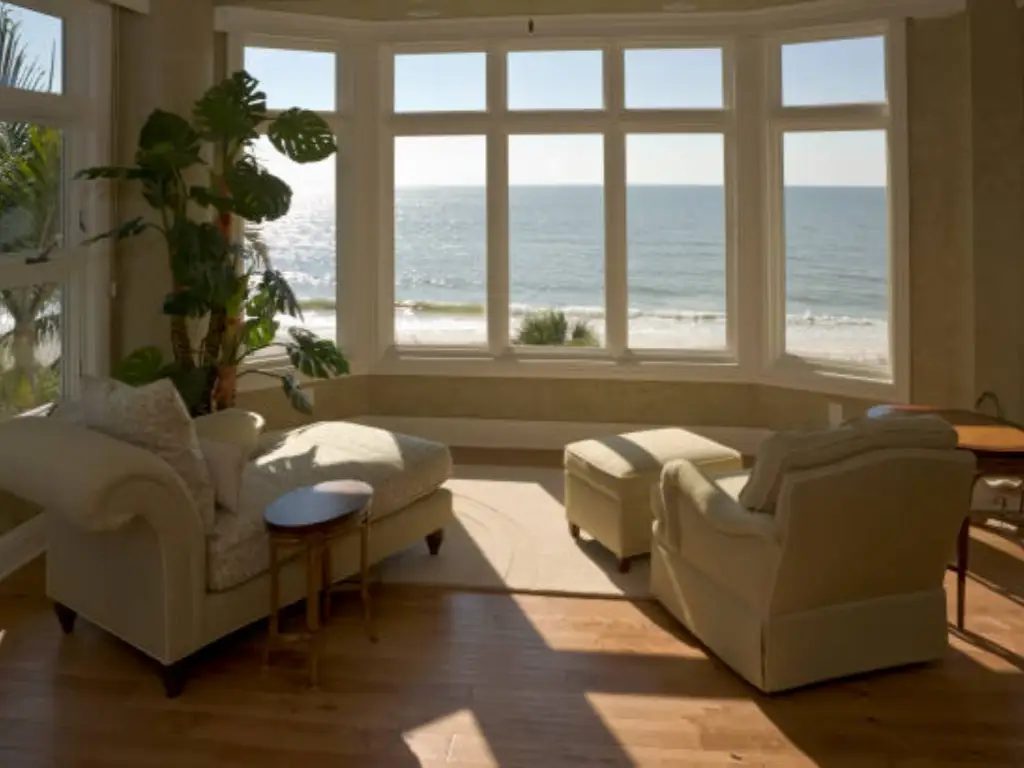
Bay (three panels at angled projections) and Bow (four to six panels in a gentle curve) project past the exterior foundation, creating a physical 3D architectural bump-out.
- The Real-Life Win:
- Transformative Space: They change the physical footprint of a room, creating an inviting interior window seat or a sunny plant alcove.
- All-Day Light: Because the angled side panels face different compass directions, they capture natural sunlight from morning to evening, dramatically brightening a dark room and offering high ROI on resale.
- What to Watch Out For: This is a complex structural installation. Because the window hangs out over the foundation, it requires dedicated exterior roof support or heavy-duty load-bearing corbels. Without properly packed insulation in the custom seat board and the mini-roof above, a bay window will easily become the coldest, draftiest spot in the house during winter.
The Vinyl Energy Envelope: Extrusions, Glazing, and NFRC Ratings Explained
Upgrading window technology yields diminishing returns if matched incorrectly to your local climate. Use the engineering benchmarks below to identify which upgrades directly reduce your utility bills and which ones are an unnecessary upsell.
1. Frame Engineering: Multi-Chambered vs. Foam-Insulated
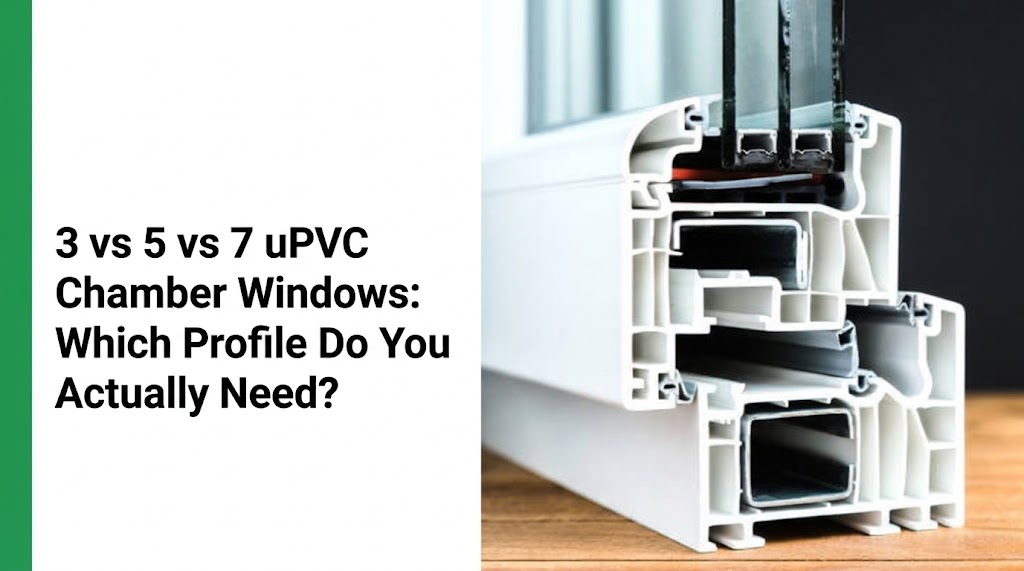
Inside every quality vinyl frame sits an extruded internal profile designed to block thermal bridging.
- Standard Multi-Chambered Extrusions: A grid of hollow chambers that traps stagnant “dead air.” Because still air is a poor conductor of heat, this geometry provides the foundational insulation required by modern building codes while maintaining frame rigidity.
- Foam-Filled Extrusions: Factory-injected polyurethane insulation core that completely fills the internal cavities, eliminating internal air convection currents and elevating the frame’s overall R-value.
| Caratteristica | Standard Multi-Chambered | Foam-Filled Extrusions |
| Insulation Core | Trapped dead air | Injected polyurethane foam |
| Frame R-Value | Good (R-3 to R-4 equivalent) | Maximum (R-5+ equivalent) |
| Costo maggiorato | Baseline price | +10% to +15% per frame |
How to Choose (The Decision Benchmark):
- Stick with Standard Multi-Chambered if: You live in moderate or southern climates (IECC Climate Zones 1–4). The glass package accounts for roughly 80% of window heat loss; spending extra on foam-filled frames in mild regions yields negligible heating/cooling bill reductions.
- Invest in Foam-Filled if: You live in severe northern climates (Zones 5–7), face prolonged sub-zero winters, or are building to Net-Zero/Passive House certifications. Foam-insulated frames also dramatically reduce frame sweating (condensation) along interior vinyl edges during bitter cold snaps.
2. Glazing Technology: Multi-Pane Units, Gas Fills & Impact Glass
The glass package (Insulated Glass Unit or IGU) does the heavy lifting for solar deflection and thermal retention.
- The Double vs. Triple-Pane Equation: Double-pane glass with Argon gas is the modern construction baseline. Triple-pane units introduce a second gas chamber and an extra pane of glass, dramatically reducing sound transmission and heat conduction.
- Inert Gas Fills (Argon vs. Krypton): Argon is an affordable, slow-moving gas 38% denser than air. Krypton is significantly denser and more efficient, primarily used in thin gaps within triple-pane assemblies.
- Low-E Glass (Low-Emissivity): Microscopic silver oxide coatings engineered to manage radiant infrared energy.
- Vetro resistente agli urti: A resilient polyvinyl butyral (PVB) or SentryGlas interlayer laminated between two sheets of glass. If struck by flying storm debris, the glass shatters into a spiderweb pattern but remains fully bonded to the interlayer, preserving the home’s structural building envelope.
How to Choose (The Decision Benchmark):
- The “Sweet Spot” Configuration: For 85% of homeowners, Double-Pane + Argon Gas + Dual-Coat Low-E offers the fastest financial payback (typically 6–8 years).
- When to Upgrade to Triple-Pane: Only opt for triple-pane if you live in severe northern regions (Zone 6+) or need superior acoustic deadening (such as near flight paths, rail tracks, or busy freeways). Avvertimento: Triple-pane units add significant weight; verify that your selected vinyl sash corners are fusion-welded and structurally reinforced with composite or aluminum to prevent sash sag over time.
- When Impact Glass is Necessary: If your home sits in a designated Coastal Wind-Borne Debris Region (typically within 1 mile of the coast in hurricane belts), impact glass is usually a strict municipal building code mandate. If you live inland, don’t pay the 30%–50% premium for impact glass; standard tempered safety glass (required only near doors, bathtubs, and close to floors) is code-compliant and far more affordable.
3. Performance Verification: Decoding NFRC & Structural Ratings
Do not rely on manufacturer marketing claims like “super insulated” or “all-weather.” Read the independent Consiglio nazionale per la valutazione delle finestre (NFRC) label and check structural ratings against your geographical requirements:
A. U-Factor (Insulation & Heat Loss)
- Cosa significa: Measures how well the entire window system prevents heat from escaping. The scale runs from 0.20 to 1.20. The lower the number, the better the window insulates.
- The Buyer Target:
- Northern / Cold Climates: Bersaglio Fattore U ≤ 0,27 (O ≤ 0.22 for ultra-efficient triple-pane).
- Southern / Hot Climates: UN U-Factor ≤ 0.35 is sufficient; focus your budget on SHGC instead.
B. SHGC (Solar Heat Gain Coefficient)
- Cosa significa: The fraction of outdoor solar heat admitted through the glass, scored from 0 to 1. Lower means less solar heat enters your living space.
- The Buyer Target:
- Southern / Sunbelt Climates: Target an SHGC ≤ 0.23 – 0.25. This stops intense afternoon sun from baking your rooms and drastically trims air conditioning loads.
- Northern Climates: Target a moderate-to-high SHGC (0.30 – 0.40). You actually Volere passive solar heat gain during winter afternoons to lower your heating bill.
C. DP Rating (Design Pressure) & PG (Performance Grade)
- Cosa significa: A structural metric (DP-15 to DP-50+) indicating how much wind pressure, water penetration, and structural load the unit withstands before failing.
- The Buyer Target:
- Standard Suburban Homes: A rating of DP-20 to DP-30 (rated for ~100 mph wind loads) is standard and sufficient.
- Coastal, High-Elevation, or Open Plains: Require at least DP-45 to DP-50+ (tested to resist ~140–170 mph wind pressure) to ensure the frame does not bow and blow out rubber weatherstripping during severe storms.
Colors, Finishes, and Hardware: Customizing Your Vinyl Windows
1. Core Color Technologies
- Solid Extruded: The budget-friendly baseline (usually White or Almond). The color goes all the way through the vinyl, meaning scratches remain virtually invisible.
- High-Performance Laminates: Highly realistic woodgrain foils that provide the warmth and aesthetic of solid wood (like mahogany or oak) with absolutely zero maintenance.
- Co-Extrusion & Coatings: The technology behind the wildly popular “Architectural Black” and “Dark Bronze.” Premium manufacturers blend infrared-reflective pigments into the finish to dissipate heat and prevent the dark frames from warping under intense sun exposure.
2. Hidden Procurement Considerations
- Climate Adaptability: Installing dark vinyl windows in extreme heat zones (like Arizona or Texas) requires verification that the profiles have passed rigorous high-temperature AAMA deformation tests.
- HOA Compliance: Always verify exterior color restrictions with the Homeowners Association before ordering custom dark frames.
Window Installation & Sourcing: Methods, Lead Times, and Warranties
1. Core Installation Methods: New Construction vs. Replacement
- New Construction (Nailing Fin): Features a flange around the exterior frame. Used when building from scratch or doing a “down-to-the-studs” remodel. The fin is nailed directly to the wood framing and integrated with flashing for ultimate waterproofing.
- Replacement (Pocket Installation): Features a smooth block frame. Designed to slide directly into the existing window frame after removing the old sashes. It preserves the interior trim and exterior siding, enabling rapid, non-destructive installation.
2. The Hidden Value of the Supply Chain
- In the construction business, waiting for materials is your highest cost. A manufacturer’s stable raw material reserves and predictable lead times dictate the pace of the entire project. Furthermore, a true “Manufacturer’s Lifetime Warranty” is not just peace of mind for the homeowner—it is the contractor’s strongest closing tool at the kitchen table.
Vinyl Window Costs & ROI: Real Pricing, Labor, and Long-Term Savings
Understanding window pricing requires looking beyond the upfront invoice. The true total cost is a combination of manufacturing complexity, long-term thermal return, and the labor required to install and maintain the units over decades.
1. The Manufacturing Price Ladder
Window prices scale directly with hardware complexity, structural reinforcements, and production volume. Here is how vinyl window styles stack up across manufacturing and retail tiers:
| Fascia di prezzo | Stili di finestra | The Manufacturing Logic (Cost Drivers) | Estimated Price Range (Installed) |
|---|---|---|---|
| Tier 1: Budget Baseline | Single-Hung, Sliding, Fixed/Picture | High industry standardization, minimal moving parts, and simple gravity-assisted tracks keep manufacturing tooling costs extremely low. | $250 – $600 per window |
| Tier 2: The Mainstream Sweet Spot | Doppio battente | Despite having dual moving sashes, balances, and tilt-latches, massive North American production scale and demand keep unit costs highly competitive. | $450 – $900 per window |
| Tier 3: Premium Upgrade | Casement, Awning | Requires heavy-duty fold-away crank gearboxes, multi-point lock bars, specialized scissor hinges, and continuous compression gaskets. | $600 – $1,200 per window |
| Tier 4: Custom Architectural | Bay, Bow, Geometric Shapes | Involves factory structural mulling (joining multiple units), complex angled joints, internal cable support systems, and custom head/seat boards. | $1,500 – $4,500+ per unit |
(Note: Pricing reflects standard replacement windows and varies based on glass coatings, foam core fills, and local labor rates.)
2. Homeowner ROI: The Financial Payback
A vinyl window replacement is an active investment in building efficiency and home equity rather than a pure expense.
- Energy Savings (The Monthly ROI): Replacing drafty wood or single-pane aluminum units yields immediate, year-round reductions in utility costs. Properly specified Low-E insulated glass packages cut HVAC runtimes significantly, reducing seasonal heating and cooling loads by up to 15% to 20%.
- Zero Maintenance (The Sweat Equity): Vinyl eliminates decades of recurring scraping, puttying, and repainting. Unlike wood frames that rot or aluminum frames that pit and corrode, solid vinyl profiles require nothing more than occasional soap-and-water cleaning, eliminating thousands of dollars in lifetime upkeep costs.
- Resale Value (The Exit Strategy): According to annual cost-versus-value industry reports, upgrading to high-efficiency vinyl windows consistently recoups 60% to 70% of the project cost at resale. Modern, clean-lined windows improve curb appeal and inspection reports, materially cutting down total days on market.
3. The Contractor’s Profit Protection (Why Installers Prefer Quality)
For builders and remodeling contractors, the math centers on labor efficiency: the most expensive window is never the one with the highest invoice price; it is the one that triggers a warranty callback.
- Zero-Tolerance Manufacturing (Faster Installs): Premium vinyl windows are CNC-welded with strict squareness tolerances. The frames slip cleanly into rough openings without endless shimming, planing, or readjustments. Faster completion per opening lowers overall crew hours per job.
- Zero Callbacks (Margin Defense): Substandard windows frequently bind, sag, or suffer seal failures within 12 to 24 months. Utilizing reinforced meeting rails, robust corner welds, and proven dual-seal insulated glass units keeps crews moving to new paid jobs instead of burning unbillable hours servicing broken cranks or fogged panes.
Ready to Protect Your Project Margins?
Choosing the right window supplier directly impacts your installation timeline and bottom line. At Hotian Doors & Windows, we are a 100% direct manufacturing facility (not a trading company). Since 2015, we have delivered over 3.2 million sq. ft. of high-performance, NFRC-certified window systems to builders and contractors worldwide.
We are built to streamline your supply chain:
- Zero-Tolerance Precision: Elumatec-level CNC cutting ensures framing tolerances within ±0.5mm for seamless, zero-callback installations.
- Qualità certificata: NFRC (U-Factors down to 0.20), AAMA, and CE/AS2047 compliant, backed by a strict 4-step 100% factory QC process.
- Rapid Turnaround: Get professional shop drawings from our engineering team in just 2-4 business days, alongside extremely low MOQs and reliable lead times.
- Worry-Free Logistics: Fully enclosed export crating (<1% damage rate) with all customs documentation (Form E, CO) handled in-house.