Introducción
Tanto si está renovando una histórica propiedad victoriana como si planea construir una nueva casa con una estética moderna y vintage, seguramente se haya topado con el término “ventana de guillotina”. Pero, ¿qué es exactamente y merece la pena la inversión? Originaria de la Inglaterra del siglo XVII, este estilo clásico de ventana sigue siendo uno de los elementos arquitectónicos más codiciados a nivel mundial para casas de época y construcciones de inspiración retro. Esta guía definitiva le proporcionará un análisis exhaustivo de todo lo que necesita saber. Desde su mecanismo interno y sus ventajas e inconvenientes, hasta una comparación detallada con otros tipos de ventanas y una práctica guía de presupuesto, le ayudaremos a tomar la decisión más rentable para su hogar.
¿Qué es una ventana de guillotina y cómo funciona?
¿Qué es una ventana de guillotina?
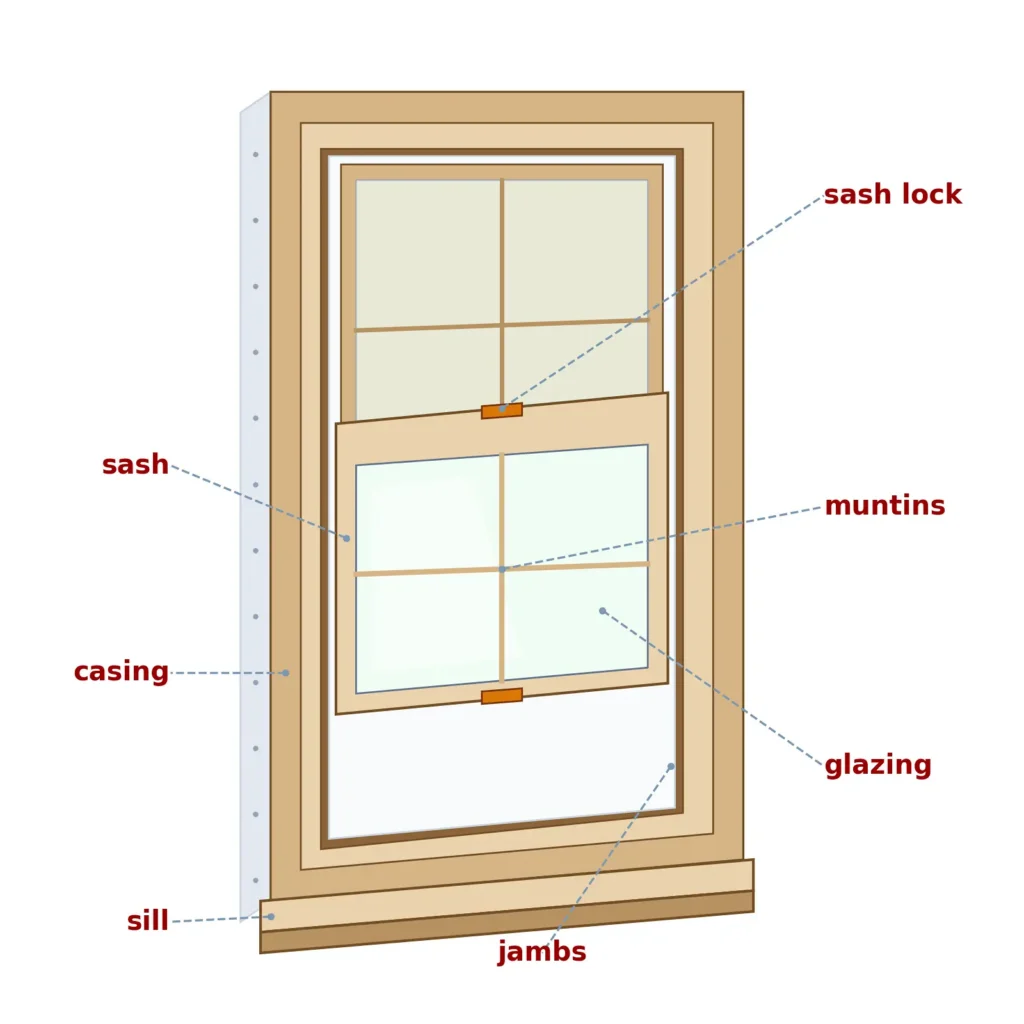
En pocas palabras, una ventana de guillotina es una ventana clásica que se abre deslizándose verticalmente, en lugar de abrirse hacia afuera con bisagras. Está compuesta por uno o más paneles móviles llamados hojas. Si bien son conocidas por su diseño tradicional de vidrio en forma de cuadrícula y sus elegantes marcos, su verdadera belleza reside en su interior.
Anatomía de una ventana de guillotina
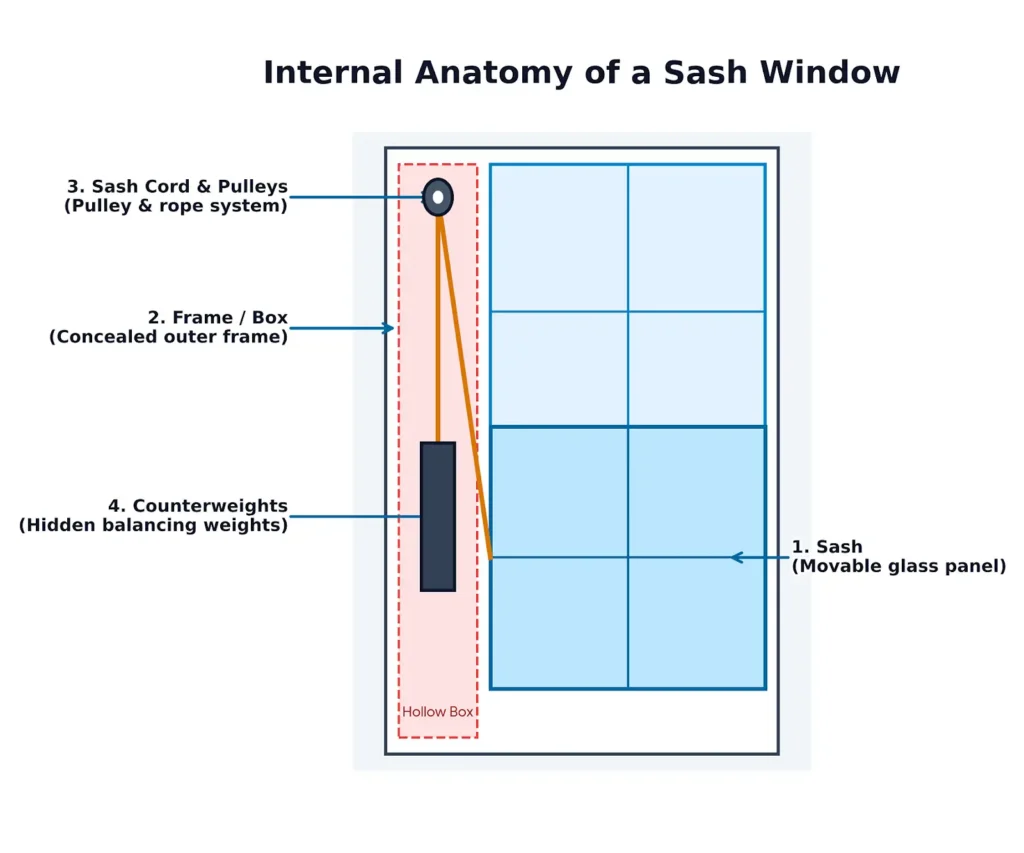
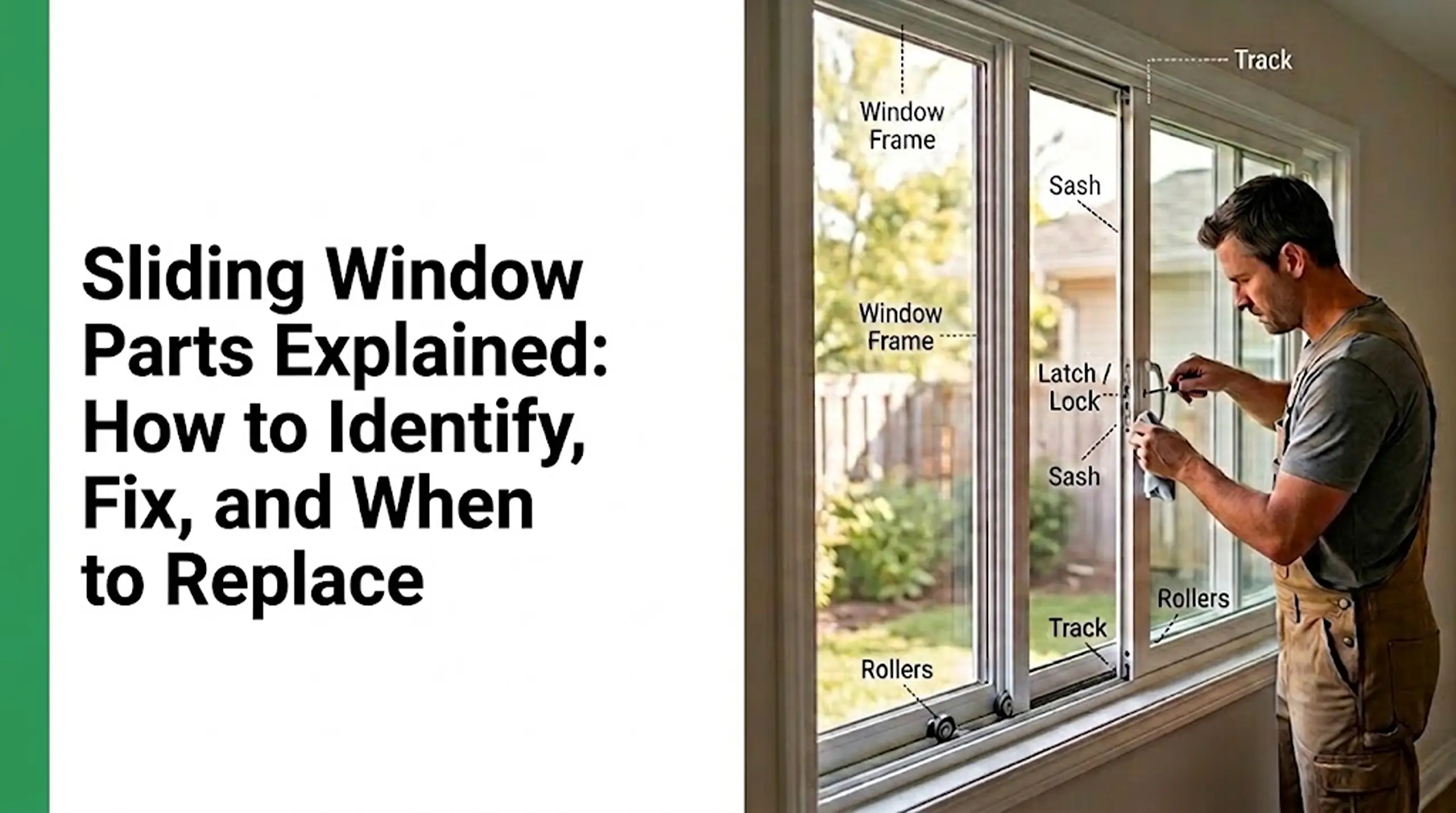
Para comprender cómo funciona, es necesario conocer estos cuatro componentes básicos:
- Faja: El panel móvil propiamente dicho que sostiene el vidrio y se desliza hacia arriba y hacia abajo (generalmente dividido en una hoja superior y una hoja inferior).
- Marco/Caja: La estructura exterior está fijada a la pared. Los laterales de la estructura son huecos, creando una caja oculta.
- Cordón y poleas para ventanas: El sistema de poleas que conecta el marco de la ventana con los contrapesos.
- Contrapesos: Pesas de plomo o hierro fundido ocultas en el interior del marco hueco. Pesan exactamente lo mismo que el marco de la ventana.
Cómo funciona
¿Por qué esta ventana puede empujarse hasta la mitad y permanecer perfectamente suspendida sin caerse por efecto de la gravedad?
La respuesta es equilibrio físico. Al empujar la hoja hacia arriba, los contrapesos ocultos descienden. Gracias a que los contrapesos compensan perfectamente el peso del panel de la ventana, esta se desliza suavemente y puede mantenerse suspendida sin esfuerzo a la altura que usted elija.
Ventajas y desventajas de las ventanas de guillotina
Antes de decidir si instalar o conservar estas ventanas, veamos sus ventajas e inconvenientes:
Ventajas
- Control superior del flujo de aire: Como ya se ha mencionado, las ventanas de guillotina doble proporcionan una increíble circulación de aire entre el interior y el exterior.
- Intrusión de espacio cero: Las hojas de la ventana se deslizan completamente sobre un riel vertical, lo que significa que no ocupan absolutamente nada de espacio horizontal en el alféizar de la ventana interior ni en el pasillo exterior.
- Estética clásica inigualable: Son la herramienta definitiva para realzar el atractivo exterior y el encanto clásico de su hogar, aumentando a menudo directamente el valor de mercado de una propiedad de época.
Contras
- Borradores en unidades antiguas: Si compra una casa antigua, es probable que las ventanas de madera originales con un solo cristal tengan corrientes de aire o un aislamiento acústico deficiente, lo que requerirá mejoras modernas para aislarlas de las corrientes de aire.
- Desgaste mecánico: Tras décadas de fricción, los cordones internos de la hoja de la ventana pueden romperse, provocando que la ventana se caiga y pierda su capacidad de permanecer suspendida.
- Costo más alto: Debido a su compleja estructura, que incluye marcos de caja hueca y sistemas de contrapeso, su fabricación suele ser más costosa que la de las ventanas abatibles estándar.
Principales tipos de ventanas de guillotina
Estilos de apertura: Guirnalda simple vs. Guirnalda doble
Al elegir una ventana de guillotina, la primera decisión es cómo desea que funcione. Según la configuración mecánica, las ventanas de guillotina se dividen en dos estilos de apertura principales:
- Ventana de guillotina simple: Un diseño clásico con una hoja superior fija y una hoja inferior practicable que se desliza verticalmente hacia arriba y hacia abajo.
- Ventana de guillotina doble: Un diseño más versátil en el que tanto la hoja superior como la inferior son totalmente funcionales y pueden deslizarse verticalmente de forma independiente una de la otra.
La siguiente tabla desglosa las principales diferencias entre estos dos estilos para ayudarte a elegir la opción adecuada para tu espacio:
| Dimensión | Ventana de guillotina simple | Ventana de guillotina doble |
| Cómo funciona | Sólo el hoja inferior Se desliza verticalmente; el marco superior está fijo en su lugar. | Tanto la parte superior como la inferior de la faja pueden deslizarse verticalmente de forma independiente. |
| Flujo de aire y ventilación | Moderado: El aire entra y sale únicamente por la abertura inferior. | Excepcional: Crea convección natural (el aire frío entra por la parte inferior mientras que el aire caliente sale por la parte superior). |
| Facilidad de limpieza | Resulta más difícil limpiar la parte exterior del cristal superior desde el interior de la casa. | Muy fácil: La mayoría de las ventanas modernas de doble hoja se inclinan hacia adentro para facilitar la limpieza desde el interior. |
| Hermeticidad | Mayor estanqueidad de base debido a un menor número de juntas móviles. | Excelente cuando está equipado con juntas de cepillo y burletes modernos. |
| Costo relativo | Más económico / Económico (sistema mecánico más simple). | Más alto (requiere mecanismos de doble equilibrio/polea). |
Tipos de materiales comunes
Las ventanas de guillotina están disponibles en tres materiales principales, cada uno de los cuales satisface diferentes preferencias estéticas, requisitos de mantenimiento y limitaciones presupuestarias:
- Madera (Madera maciza): El estándar tradicional para ventanas de guillotina, que ofrece una autenticidad, elegancia y aislamiento térmico natural inigualables, aunque requiere un mantenimiento continuo.
- uPVC (vinilo): Una alternativa moderna y popular, diseñada para ofrecer durabilidad y bajo mantenimiento, que proporciona una alta eficiencia energética a un precio asequible.
- Aluminio: Una opción contemporánea conocida por su resistencia estructural, que permite perfiles ultradelgados y un acabado elegante sin comprometer la durabilidad.
La tabla comparativa que aparece a continuación detalla el rendimiento, los requisitos de mantenimiento y los costes estimados de cada material:
| Material | PVC (vinilo) | Aluminio | Madera (Madera maciza) |
|---|---|---|---|
| Estética y encanto | Limpio y moderno Acabado liso; carece de textura de madera auténtica. | Elegante y minimalista Monturas ultrafinas y máxima superficie de cristal. | Auténtico y clásico Auténtico carácter histórico y textura cálida. |
| Necesidades de mantenimiento | Bajo Prácticamente no requiere mantenimiento; no se pudre ni se deforma. | Bajo Los acabados con recubrimiento en polvo resisten la intemperie. | Alto Requiere pintura periódica y sellado contra la humedad. |
| Eficiencia térmica | Alto Los perfiles multicámara ofrecen un excelente aislamiento. | Alto Excelente cuando se construye con rotura de puente térmico. | Alto La madera es un aislante térmico natural. |
| Rango de costo estimado | $600 – $1200 Por ventana | $1,200 – $2,200 Por ventana | $1.800 – $4.000+ Por ventana |
| Ideal para | Reformas económicas, viviendas modernas y propiedades de alquiler. | Fusiones entre lo moderno y lo retro, ampliaciones y espacios urbanos elegantes. | Restauraciones de época, zonas protegidas y casas de lujo con valor patrimonial. |
Nota: Los precios estimados incluyen el suministro estándar y la instalación profesional. Los costos finales varían según las dimensiones de la ventana, los acabados personalizados, las opciones de acristalamiento (doble o triple) y las tarifas laborales regionales.
Ventanas de guillotina frente a ventanas abatibles frente a ventanas correderas
¿Aún no te decides? Aquí tienes la comparativa definitiva entre ventanas de guillotina (verticales), abatibles (de apertura hacia afuera) y correderas (horizontales):
| Característica | Ventana de guillotina | Ventana abatible | Ventana corrediza |
| Operación | Se desliza verticalmente | Se abre y se cierra sobre bisagras. | Se desliza horizontalmente hacia la izquierda/derecha. |
| Estilo y ambiente | Vintage, clásico, tradicional | Moderno, versátil, minimalista. | Moderno, amplio, ideal para grandes paneles de vidrio. |
| Espacio requerido | Cero (opera dentro del marco) | Requiere autorización (intrusión en interiores o exteriores) | Cero (opera dentro del marco) |
| Ventilación máxima | ~50% (pero crea un flujo de aire cíclico) | 100% (se abre toda la ventana) | ~50% |
| Hermeticidad/Energía | Buenos en estilos modernos; los más antiguos tienen corrientes de aire. | Lo mejor (los cierres ajustan la hoja firmemente contra los sellos) | Bien, pero pueden producirse pequeñas corrientes de aire en las pistas. |
Guía de selección: ¿Cuál es la adecuada para usted?
- Elija una ventana de guillotina si: Si tienes una casa de estilo tradicional o de época, quieres maximizar el atractivo exterior clásico o tienes un espacio limitado fuera de la ventana (como junto a una acera) que impide que las ventanas se abran hacia afuera.
- Elija una ventana abatible si: Usted vive en un clima muy ventoso y frío y exige el más alto nivel de aislamiento térmico/acústico, o si desea que la ventana se abra, elija el modelo 100% para obtener el máximo flujo de aire.
- Elija una ventana corrediza si: Tienes una ventana muy amplia (como un balcón o un patio), prefieres un estilo moderno y minimalista, y deseas vistas sin obstáculos.
Presupuesto y factores de costo para ventanas de guillotina
Si bien la elección del material establece el precio base para sus unidades de ventana (como se detalla en la tabla comparativa anterior), la inversión total de su proyecto depende en gran medida de la tipo de proyecto y varios factores de instalación ocultos.
Alcance del proyecto: Nuevas construcciones vs. Reemplazo vs. Restauración
Dependiendo de si está construyendo desde cero o trabajando con una casa ya existente, sus costos de instalación se dividirán en una de cuatro categorías:
- Instalación en obra nueva ($1,000 – $3,000+ por ventana): Instalación de ventanas de guillotina en un edificio nuevo o una ampliación. Esto requiere la creación de nuevos huecos, sellado completo, aislamiento, marcos exteriores y molduras interiores. Si bien la mano de obra es sencilla y no requiere demolición, los costos de la estructura se aplican por separado.
- Sustitución completa del marco ($1,200 – $4,000+ por ventana): Se retira por completo la ventana antigua, el marco y los remates interiores hasta los montantes de la pared para instalar una unidad totalmente nueva. Esta es la opción de reemplazo más costosa, pero resuelve por completo la pudrición estructural, las corrientes de aire y las filtraciones de agua.
- Sustitución únicamente del marco ($800 – $1,800 por ventana): Conservar el marco exterior existente empotrado en la pared y reemplazar solo las hojas correderas interiores. Esto actualiza sus ventanas a un moderno doble acristalamiento, ahorrando aproximadamente 30%–40% en costos de mano de obra y desmontaje.
- Restauración y sellado contra corrientes de aire ($200 – $500 por ventana): Reparación de ventanas originales de estilo patrimonial sin necesidad de reemplazarlas. Los especialistas retiran la pintura vieja, reemplazan los cordones rotos, reparan pequeños daños en la madera e instalan burletes discretos para maximizar el confort y preservar la madera original.
¿Eres arquitecto, promotor inmobiliario o instalador?
¿Busca un socio de fabricación fiable para sus próximos proyectos residenciales o de restauración de edificios históricos? Ofrecemos asistencia de fabricación personalizada para clientes profesionales:
- Precios mayoristas directamente de fábrica
- Detallado CAD personalizado
- Perfiles de rendimiento certificados
Factores clave que determinan el precio final
Más allá del alcance de la instalación, tenga en cuenta estos factores de costo que a menudo se pasan por alto al establecer su presupuesto:
- Rendimiento del acristalamiento: Actualizar de doble acristalamiento estándar a vidrio acústico de reducción de ruido, triple acristalamiento o vidrio al vacío de perfil delgado tradicional puede añadir 15%–30% al precio unitario.
- Accesibilidad laboral y estructural: Las instalaciones en plantas superiores que requieran andamios o ajustes estructurales para ampliar las aberturas de mampostería existentes aumentarán significativamente los costes laborales.
- Herrajes y acabados: Los colores personalizados pintados en fábrica, los herrajes de latón macizo y los detalles decorativos de cuerno aumentan el precio final en comparación con los acabados blancos estándar de fábrica.
- Permisos de conservación y planificación: Si su vivienda se encuentra en una zona protegida o es un edificio catalogado, la normativa local puede exigir perfiles de madera a medida y acristalamiento tradicional con masilla, lo que descarta las opciones económicas de PVC y aumenta los costes de cumplimiento.
Problemas comunes y consejos para el mantenimiento por cuenta propia
Aunque son un clásico, las ventanas de guillotina a veces pueden dar quebraderos de cabeza. Aquí están los dos problemas más comunes y cómo solucionarlos:
Problema 1: La ventana está "pintada para que no se abra" y no se mueve.
- Causa: Los anteriores propietarios pintaron los marcos sin dejar las hojas abiertas, lo que provocó que la pintura actuara como pegamento entre la hoja y el marco.
- Arreglar: ¡No uses la fuerza bruta! Usa un cúter o una espátula y marca con cuidado la junta entre la hoja y el riel para romper el sellado de la pintura. Luego, mueve suavemente la hoja hasta que se afloje.
Problema 2: La ventana se cierra de golpe y no se queda abierta.
- Causa: El cordón interno de la ventana se ha roto.
- Arreglar: Deberás quitar los embellecedores internos (la moldura del eje y la moldura de separación), abrir la tapa del bolsillo del marco de la caja, pasar un nuevo cordón de nailon por la polea y atarlo al peso. Si no tienes experiencia en bricolaje, te recomendamos contratar a un carpintero profesional.
Consejos de mantenimiento rutinario: Aspire las vías con regularidad; rocíe un poco de lubricante de silicona en las poleas superiores cada seis meses; en el caso de estructuras de madera, revise la pintura/barniz exterior para detectar grietas cada 5 a 8 años.
Preguntas frecuentes
¿Son seguras las ventanas de guillotina modernas? +
Sí, las ventanas de guillotina modernas son muy seguras. Están equipadas con cerraduras de hoja accionadas con llave, bloques de seguridad antipalanca y limitadores de apertura.
Los limitadores permiten dejar la ventana abierta solo unos centímetros para que entre aire fresco, impidiendo la entrada de intrusos y evitando que los niños o las mascotas se caigan.
¿Puedo cambiar las antiguas ventanas de madera con un solo cristal por ventanas de doble acristalamiento? +
Sí, en la mayoría de los casos. Puedes adaptar los marcos de madera originales con “doble acristalamiento de perfil delgado” o avanzado vidrio con aislamiento al vacío (VIG).
Estas finas unidades de vidrio encajan en los perfiles de acristalamiento estrechos tradicionales sin alterar el aspecto histórico, aunque será necesario reajustar los contrapesos internos para compensar el peso ligeramente mayor del vidrio.
¿Cuánto duran las ventanas de guillotina? +
- Marcos de madera tradicionales: Las ventanas de guillotina de madera tradicionales bien mantenidas pueden durar fácilmente De 50 a más de 100 años (¡Muchas ventanas victorianas originales siguen siendo totalmente funcionales hoy en día!).
- Marcos modernos de PVC y aluminio: Por lo general tienen una vida útil de De 25 a 35 años con un mantenimiento mínimo.
Conclusión y colaboración con nosotros
Las ventanas de guillotina son la combinación perfecta entre la belleza arquitectónica clásica y la ingeniería térmica moderna. Ya sea que esté restaurando un sitio histórico o diseñando un proyecto de lujo de estilo moderno-vintage, elegir al proveedor de ventanas adecuado es fundamental para cumplir con los plazos y las normativas del proyecto.
¿Por qué asociarse con nosotros para su próximo proyecto?
Como fabricante especializado de ventanas de guillotina, ofrecemos a arquitectos, contratistas y distribuidores soluciones de ventanas a medida:
- Precios directos de fábrica: Descuentos flexibles por volumen para pedidos al por mayor y proyectos comerciales.
- Ingeniería a medida: Perfiles de madera a medida, doble acristalamiento ultrafino y acabados RAL personalizados adaptados a los requisitos locales de planificación y conservación.
- Certificaciones rigurosas: Probados contra las inclemencias del tiempo, con certificación energética y respaldados por sólidas garantías comerciales.
- Soporte comercial: Asistencia rápida para el diseño CAD, muestras físicas de esquinas y gestión de cuentas personalizada.
¿Listo para llevar tus proyectos arquitectónicos al siguiente nivel?
Si está buscando ventanas de guillotina de alta calidad para una próxima construcción comercial o residencial, estamos aquí para satisfacer sus necesidades de adquisición con ingeniería personalizada y precios de fábrica competitivos.