مقدمة
إذا كنت تبحث عن أقصى قدر من الهواء النقي، وإطلالات بانورامية، وكفاءة طاقة فائقة، فقد يكون النافذة المفصلية هي الخيار الأمثل لك. على عكس النوافذ المنزلقة التقليدية، تُثبّت النافذة المفصلية على جانبها وتُفتح للخارج كباب صغير، مما يوفر تهوية ممتازة وعزلًا محكمًا ضد العوامل الجوية. ولكن هل هي الخيار المناسب لمشروع التجديد أو الاستبدال الخاص بك؟ في هذا الدليل الشامل، نشرح بالتفصيل كيفية عمل هذه النوافذ الميكانيكية، ونستعرض مزاياها وعيوبها، ونقارنها مباشرةً بأنواع النوافذ الأخرى الشائعة. تابع القراءة لتكتشف ما إذا كانت النوافذ المفصلية هي الترقية الذكية التي يحتاجها منزلك!
ما هي النافذة المفصلية وكيف تعمل؟
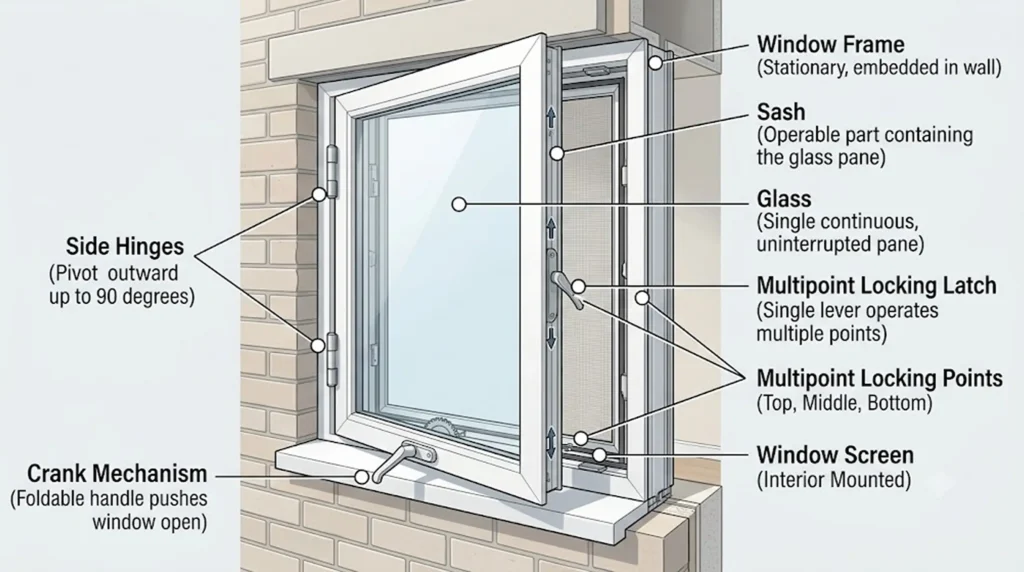
تعتمد النوافذ المفصلية كلياً على آليات ميكانيكية للتشغيل. فبدلاً من مقاومة الجاذبية أو الاحتكاك على طول مسارها، تستخدم نظام تروس بسيط وسلس.
فيما يلي المكونات الأساسية التي تجعلها تعمل:
- آلية الكرنك: يقع هذا المقبض القابل للطي في العتبة السفلية، وتحريكه بسلاسة يدفع النافذة لفتحها أو يسحبها لإغلاقها.
- المفصلات الجانبية: تتحمل المفصلات شديدة التحمل الموجودة على الجانب وزن الإطار، مما يسمح للنافذة بالدوران للخارج بزاوية تصل إلى 90 درجة كاملة.
- الإطار والوشاح: لأنه لا يحتاج إلى التداخل مع قطعة متحركة أخرى، فإن الزجاج عادة ما يكون لوحًا واحدًا متصلًا وغير منقطع.
- أقفال متعددة النقاط: يقوم مزلاج واحد على الإطار الجانبي بتشغيل نظام قفل يمسك بإطار النافذة في نقاط متعددة (أعلى، وسط، وأسفل)، ويسحبه بإحكام على الإطار.
مزايا وعيوب النوافذ المفصلية
قبل أن تقرر ما إذا كانت هذه المنتجات مناسبة لمنزلك، عليك أن توازن بين مزاياها الواضحة وبعض القيود العملية.
الايجابيات
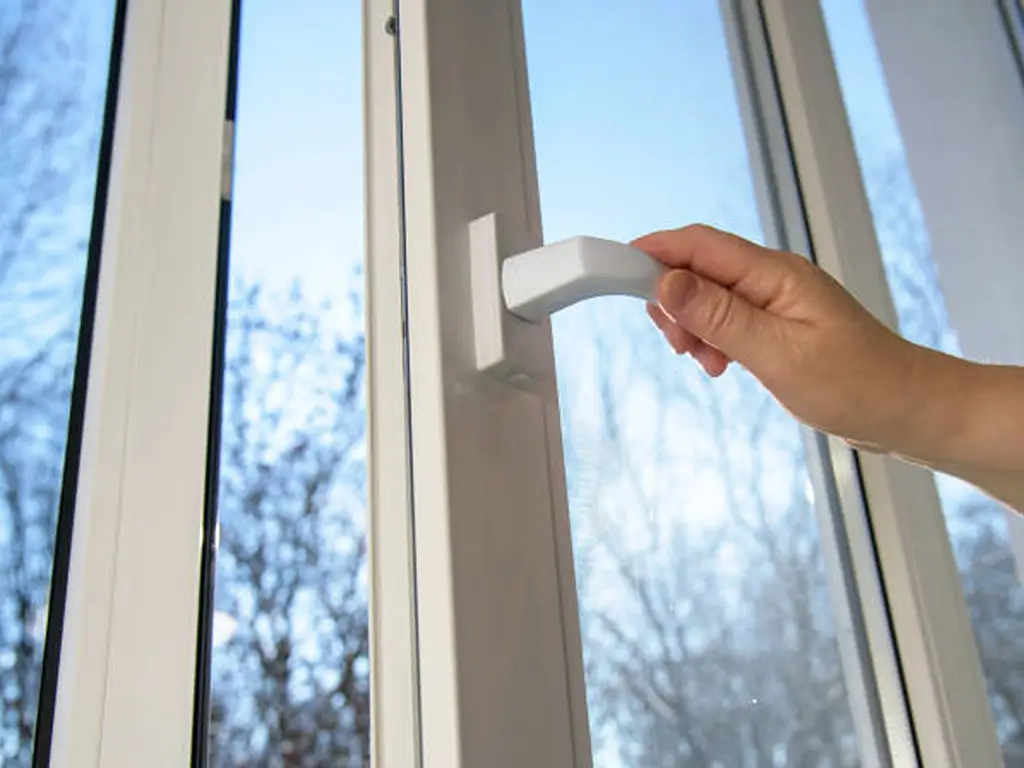
- أقصى تهوية 100%: بفضل إمكانية فتح النافذة بالكامل، تحصل على تدفق هواء من الأعلى إلى الأسفل. كما يعمل الزجاج المائل كقمع، حيث يلتقط نسمات الهواء الجانبية العابرة ويوجهها إلى الداخل.
- ملك كفاءة الطاقة: تتميز النوافذ المفصلية بإحكام إغلاقها، فهي الأكثر إحكامًا بين جميع النوافذ القابلة للفتح. عند إغلاقها، يضغط إطار النافذة على شريط منع التسرب بشكل كامل. وعندما تهب الرياح على الجزء الخارجي من المنزل، فإنها تدفع النافذة فعليًا. أكثر إحكاما في إطارها، مما يقضي على تيارات الهواء.
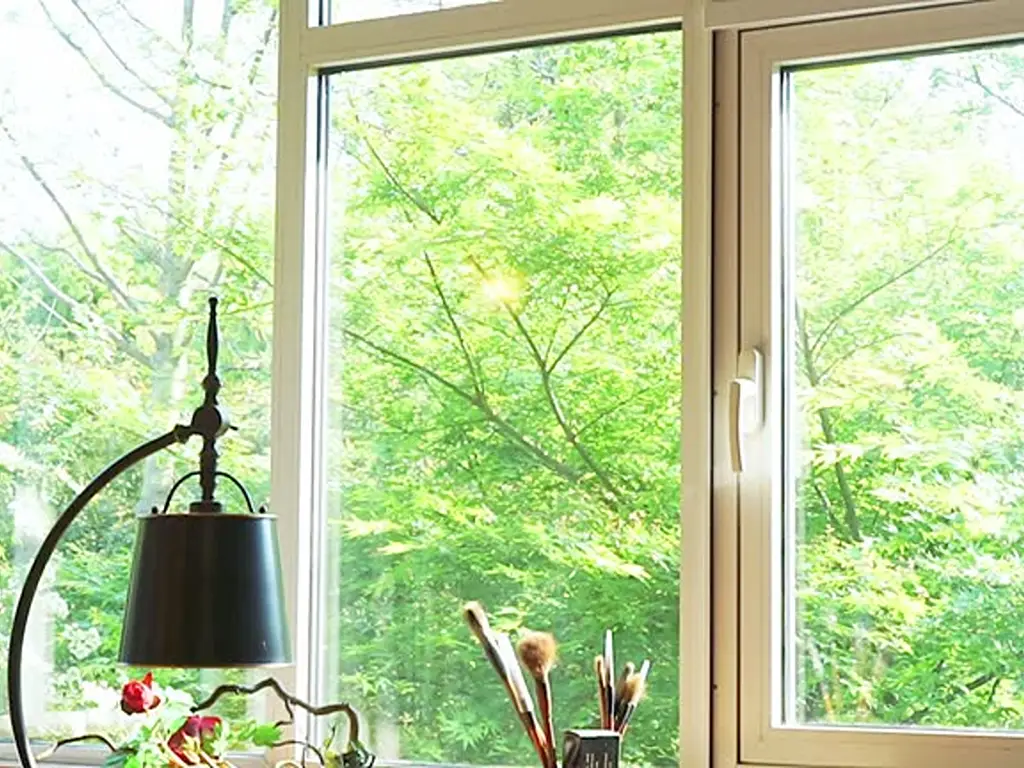
- مناظر مفتوحة: لا يوجد قضيب أفقي (مقسم) يقطع مركز خط رؤيتك.
- أعلى مستويات الأمان: تم تثبيت الأقفال ذات الشكل الخطافي في عمق الإطار، مما يجعل من المستحيل تقريبًا فتحها من الخارج.
سلبيات
- متطلبات الخلوص الخارجي: ولأنها تتأرجح للخارج، فلا يمكنك تركيبها في أماكن قد تعيق الممرات الضيقة أو الأفنية أو مخارج الطوارئ.
- عدم توافق مكيف الهواء: لا يمكنك تركيب وحدة تكييف هواء نافذة قياسية من نوع الصندوق بأمان في نافذة مفصلية.
- قيود الحجم: بما أن كل الوزن يرتكز على جانب واحد، فإن جعل نافذة المفصلات عريضة جدًا أو ثقيلة جدًا يمكن أن يتسبب في ترهل المفصلات بمرور الوقت.
النوافذ المفصلية مقابل أنواع النوافذ الأخرى: دليل مختصر
كيف تقارن نافذة المفصلات الجانبية ببقية الخيارات في صالة العرض؟ إليك ملخص سريع لمساعدتك في اتخاذ القرار. (للحصول على منظور أوسع، استكشف دليل المقارنة الكامل الخاص بنا على مقارنة بين أنواع النوافذ ذات الفتحة الواحدة وأنواع النوافذ الأخرى).
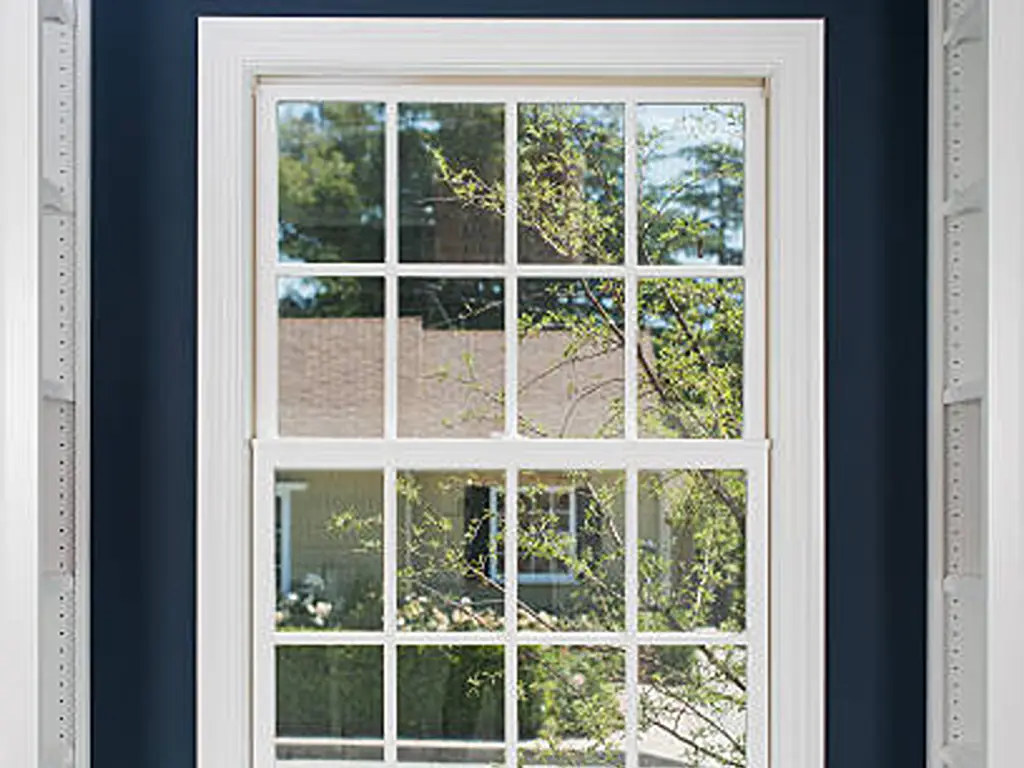
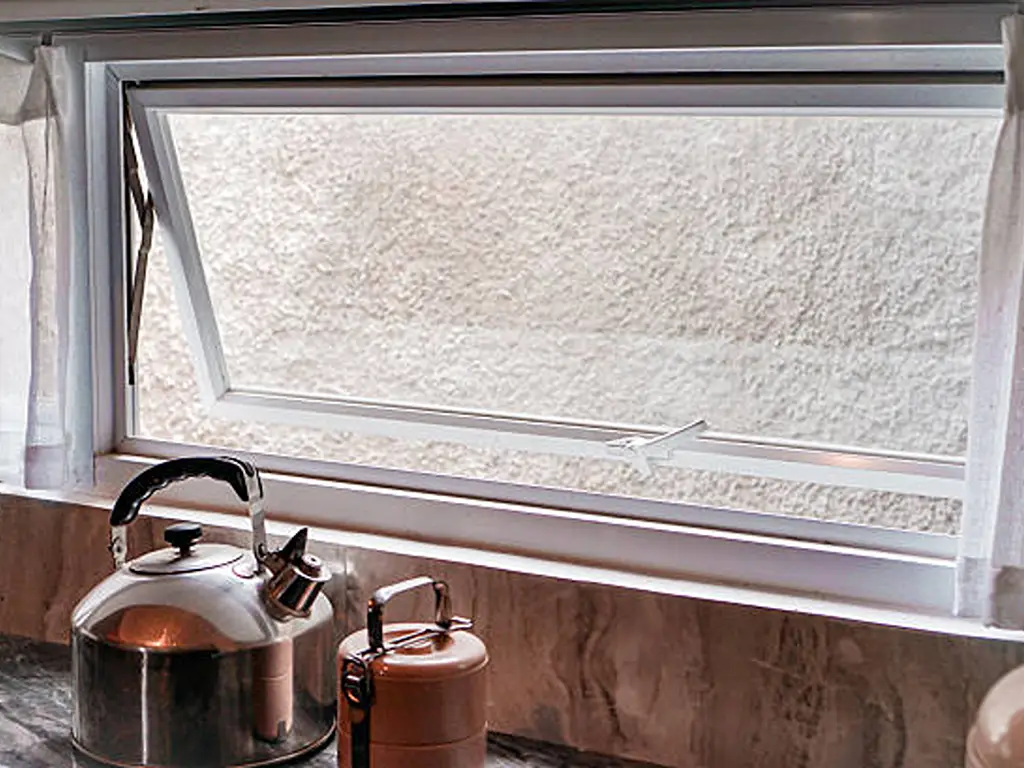
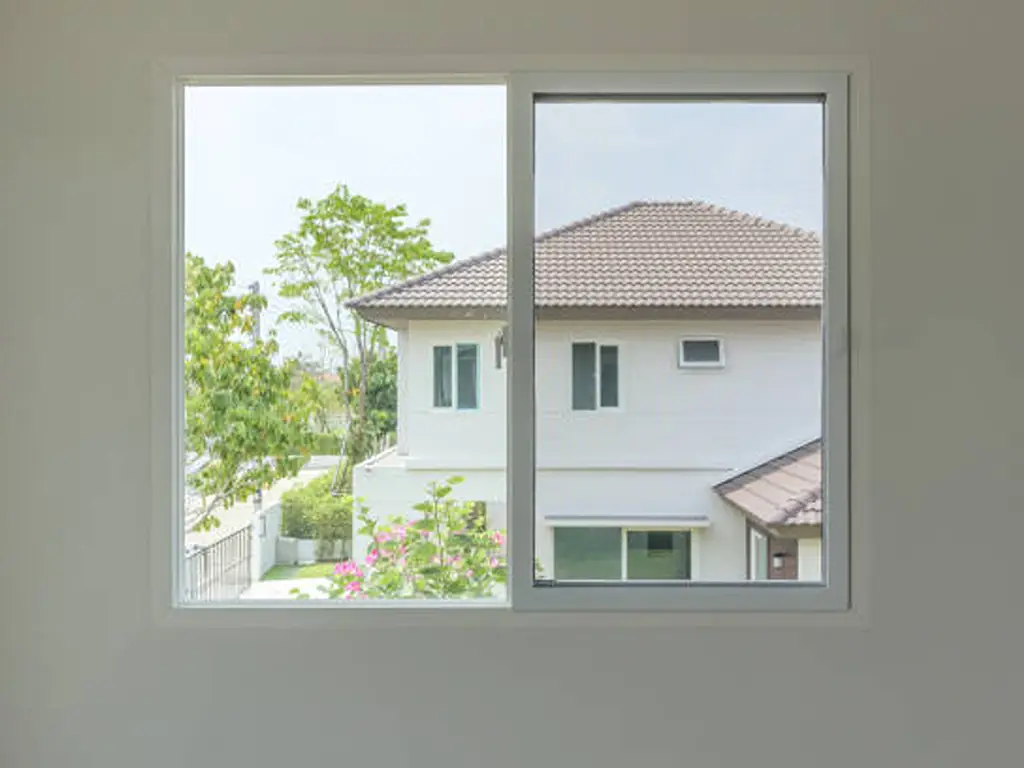
| ميزة | نافذة ذات إطار | معلق مزدوج | المظلة | انزلاق |
| عملية | مفصلات جانبية، مقابض للخارج | ينزلق عموديًا | مفصلات علوية، تدفع للخارج | ينزلق أفقيًا |
| تهوية | 🟢 ممتاز (100% مفتوح) | 🟡 جيد (50% مفتوح) | 🟡 جيد (الجزء السفلي فقط) | 🟡 جيد (50% مفتوح) |
| كفاءة الطاقة | 🟢 ممتاز | جيد 🟡 | 🟢 ممتاز | جيد 🟡 |
| مكيف هواء نافذة | 🔴 صعب للغاية | 🟢 مقاس مثالي | 🔴 صعب للغاية | 🟡 يتطلب وحدة عمودية |
| الأفضل ل… | فوق الأحواض، أقصى تدفق للهواء | غرف قياسية، تصميم تقليدي | فتحات صغيرة تحتاج إلى غطاء للمطر | مساحات جدارية واسعة وقصيرة |
خلاصة القول: يعتمد اختيار النافذة المناسبة كلياً على احتياجات مساحتك الخاصة. اختر نافذة مفصلية للحصول على أقصى تدفق للهواء وإطلالات عصرية غير محجوبة. أما إذا كنت بحاجة إلى تركيب وحدات تكييف هواء نافذة قياسية بسهولة أو تفضل مظهراً معمارياً كلاسيكياً، فاختر نافذة منزلقة مزدوجة. (ما زلت مترددًا؟ تعمّق في التفاصيل من خلال تحليلنا الشامل حول النوافذ المفصلية مقابل النوافذ ذات الفتحتين). بالنسبة للفتحات الصغيرة التي تحتاج إلى تهوية حتى أثناء العواصف المطرية، فإن نافذة المظلة هي خيارك الأفضل، بينما تعد النوافذ المنزلقة الحل الأمثل لتوفير المساحة للجدران العريضة والقصيرة.
أين أفضل الأماكن لتركيب النوافذ المفصلية؟
بفضل تصميمها الفريد الذي يفتح للخارج وألواحها الزجاجية الشفافة، تُعد النوافذ المفصلية الخيار الأمثل لمناطق محددة في منزلك:
- فوق حوض المطبخ: من الصعب جدًا الانحناء فوق منضدة عريضة ودفع نافذة ثقيلة ذات مصراعين لأعلى. أما النافذة المفصلية، فبفضل ذراع التدوير السفلي، يمكنك فتحها بسهولة بيد واحدة.
- الغرف التي تحتاج إلى أقصى تدفق للهواء: تستفيد الحمامات التي لا تحتوي على مراوح شفط قوية، وغرف التشمس الخانقة، أو غرف النوم في الطوابق العليا بشكل كبير من قدرة النافذة المفصلية على العمل كشراع - حيث تلتقط نسائم الهواء الجانبية العابرة وتوجهها إلى الداخل.
- غرف النوم في الطابق السفلي (نوافذ الخروج): تُلزم قوانين البناء غرف النوم في الطابق السفلي بوجود مخرج طوارئ آمن. ولأن إطار النافذة المفصلية يُفتح بالكامل، فإنه يُلبي بسهولة متطلبات حجم مخرج الطوارئ دون أن يشغل مساحة كبيرة من الجدار.
- مساحات معيشة بإطلالة مميزة: إذا كان منزلك يطل على منظر طبيعي خلاب، فإن النوافذ المفصلية مثالية. على عكس النوافذ المنزلقة أو ذات المصراعين، فهي لا تحتوي على عارضة فاصلة في المنتصف تقطع الزجاج، مما يمنحك رؤية بانورامية كاملة دون أي عوائق.
- مساحات الجدران الطويلة والضيقة: من الناحية المعمارية، تُبنى النوافذ المفصلية لتناسب الارتفاع أكثر من العرض. وهي تملأ بشكل مثالي الفراغات الرأسية الضيقة في الممرات أو السلالم، أو كنوافذ جانبية بجوار نافذة كبيرة.
- المناطق التي يصعب الوصول إليها: أي مكان يتعين عليك فيه التمدد للوصول إلى النافذة - مثل خلف حوض استحمام كبير في الحمام أو فوق مكتب عميق مدمج - هو مرشح مثالي لنظام سلس يعمل بالرافعة.
نصائح سريعة لشراء نافذة مفصلية
عند شراء نوافذ مفصلية، تحدد جودة الأجزاء المعدنية عمر النافذة. تذكر هذه القواعد الذهبية الثلاث:
- افحص المفصلات: اطلب استخدام الفولاذ المقاوم للصدأ عالي التحمل. المفصلات الرخيصة ستصدأ أو تتشوه، مما يتسبب في ترهل النافذة.
- تحقق من الأقفال: اشترِ فقط النوافذ التي تتميز بـ نظام قفل متعدد النقاط لضمان إحكام الإغلاق ضد العوامل الجوية.
- اختر المادة المناسبة: توفر الإطارات المصنوعة من الألياف الزجاجية أفضل متانة ودعم للوزن، بينما يوفر الفينيل عالي الجودة أفضل أداء مناسب للميزانية.
هل أنت مستعد لبدء التسوق؟ يُعدّ العثور على علامة تجارية موثوقة بنفس أهمية فحص الأجهزة. استكشف قائمتنا الشاملة لأفضل العلامات التجارية. مصنعي النوافذ المفصلية لمقارنة الشركات الرائدة في هذا المجال وإيجاد الخيار الأمثل لمنزلك.
لا ينبغي أن يكون الحصول على نوافذ تجارية عالية الجودة لمبناك أو مشروعك التجاري للتوزيع أمرًا صعبًا. في هوتيان, نتعاون مباشرةً مع متخصصي التجارة لتقديم نوافذ مفصلية عالية الأداء ومصممة خصيصًا لتدوم طويلًا. تواصل معنا اليوم لتبسيط سلسلة التوريد الخاصة بك. احصل على عرض سعر مباشر من الشركة المصنعة لمشروعك القادم.
نصائح سريعة للصيانة
تتطلب النوافذ المفصلية عناية أكثر قليلاً من النوافذ المنزلقة البسيطة، لكن صيانتها سريعة:
- صيانة الأجهزة: قم بمسح الأوساخ من المسار السفلي مرة واحدة في السنة، وقم برش مادة تشحيم سيليكون جافة على تروس الكرنك والمفصلات للحفاظ على دورانها بسلاسة.
- تنظيف الشاشات: ولأن النافذة تفتح للخارج، يتم تركيب شبكات حماية من الحشرات عليها. داخل في منزلك. وهذا يجعل إخراجها لغسلها سريعًا في حوض الاستحمام أو المغسلة أمرًا في غاية السهولة.
الأسئلة الشائعة
هل تفتح النوافذ المفصلية إلى الداخل أم إلى الخارج؟
تُفتح غالبية النوافذ المفصلية في المنازل إلى الخارج. توجد نوافذ مفصلية تُفتح إلى الداخل، ولكنها عادةً ما تُصنع حسب الطلب وقد تعيق استخدام الستائر والستائر الرأسية والأثاث الداخلي.
هل النوافذ المفصلية أغلى من النوافذ المنزلقة؟
بشكل عام، نعم. لأنها تتطلب أجهزة ميكانيكية معقدة (مقابض، تروس، ومفصلات شديدة التحمل) بدلاً من مسارات بسيطة، فإنها عادة ما تكلف من 10% إلى 20% أكثر من نافذة مزدوجة قياسية من نفس الحجم.
هل يمكن تركيب شبكة على نافذة مفصلية؟
نعم! شبكة الحماية من الحشرات مثبتة داخل إطار النافذة. لا تحتاج إلى إزالة الشبكة لفتح النافذة أو إغلاقها.