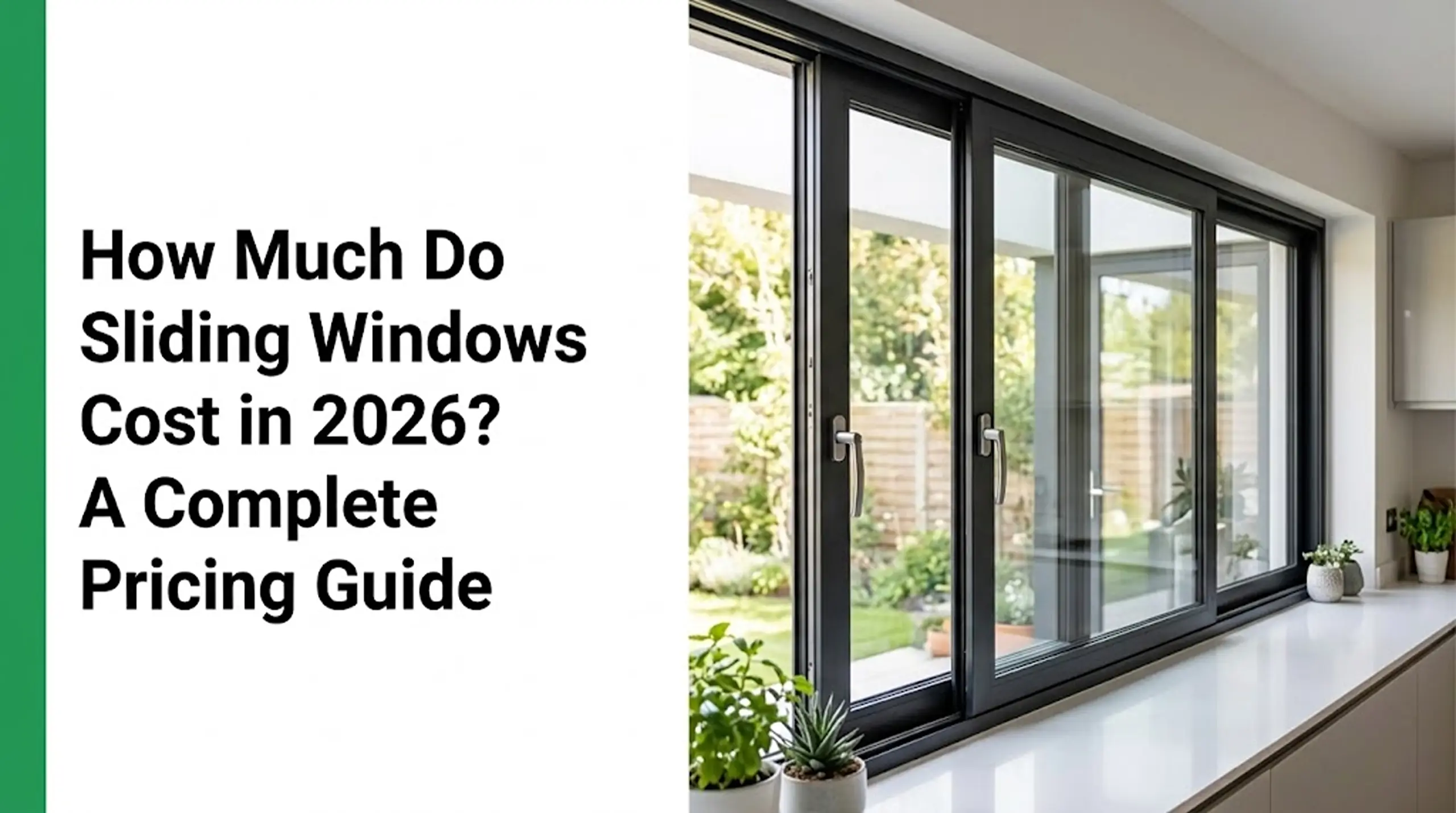
تكاليف استبدال النوافذ التجارية عادةً ما يتراوح سعر تركيب النافذة الواحدة بين $450 و1800 دولار، أو بين $50 و150 دولار للقدم المربع.، وذلك حسب متطلبات المواد والأداء. اختيار المواد: الألومنيوم مع عازل حراري لمعظم المشاريع التجارية ($630-950/نافذة، عمر افتراضي من 40 إلى 50 عامًا، معامل انتقال الحرارة من 0.30 إلى 0.42، أسطوانات فينيل للمباني متوسطة الارتفاع ذات الميزانية المحدودة ($450-720/نافذة، 25-30 سنة، معامل انتقال الحرارة 0.25-0.35الفولاذ المستخدم في المباني المميزة ($ 1260-2200/نافذة، 50-60 سنةمتطلبات الأداء: معامل انتقال الحرارة (U-factor) المصنف من قبل المجلس الوطني لتقييم المباني (NFRC) ≤ 0.40 (الامتثال لمعيار ASHRAE 90.1تصنيف أحمال الرياح ±30-60 رطل/قدم مربع بناءً على ارتفاع المبنى, شهادة NOA من مقاطعة ميامي-ديد للمناطق الساحلية المعرضة للأعاصير عند الحاجة. تقييم المورد: التحقق شهادة AAMA من مختبرات مستقلة (غير معتمد ذاتيًا)، ضمان على المواد لمدة لا تقل عن 10 سنوات، مرونة في الحد الأدنى لكمية الطلب حسب حجم المشروع، دعم في تقديم المستندات الهندسية. الجدول الزمني للمشروع: مدة التسليم من 10 إلى 14 أسبوعًا للمواصفات القياسيةيستغرق تركيب كل 100 نافذة من أسبوعين إلى أربعة أسابيع.
قرار حاسم: الاستبدال عندما تتجاوز تكاليف الإصلاح 50% من تكلفة الاستبدال، أو عندما تتجاوز النوافذ عمرها الافتراضي المحدد (أكثر من 25 عامًا للفينيل، وأكثر من 35 عامًا للألومنيوم). التوريد المباشر من المصانع من شركات مصنعة مثل هوتيان عادةً ما يتم إلغاء هامش ربح الموزع 40-60%، توفير يصل إلى $120-200 لكل نافذة في المشاريع التي تتجاوز 150 نافذة مع الحفاظ على الامتثال الكامل لشروط الاعتماد.
لماذا تُعدّ قرارات استبدال النوافذ التجارية ذات أهمية بالغة؟
في شركة هوتيان، نقوم بتصنيع النوافذ التجارية لمشاريع متعددة في جميع أنحاء أمريكا الشمالية وآسيا ومناطق أخرى—من الشقق متوسطة الارتفاع التي تتطلب عزلًا صوتيًا إلى مباني المكاتب الشاهقة في المناخات الصعبة والمباني المؤسسية المصممة لتحقيق المتانة على المدى الطويل.
النمط الذي نراه بشكل متكرر في المشاريع التي نقوم بمراجعتهاالمشاريع التي تستثمر الوقت الكافي في تحديد المواصفات وتقييم الموردين عادة ما تشهد عددًا أقل بكثير من حالات الفشل خلال العقد الأولالمشاريع التي تقبل بدائل "مكافئة" بأقل الأسعار دون التحقق منها غالباً ما تشهد معدلات فشل أعلى خلال 5 سنوات—يتطلب ذلك إصلاحات مكلفة لغلاف المبنى.
سيناريو نموذجيوافق مبنى تجاري مكون من 12 طابقًا على استبدال النوافذ بشكل غير مصرح به لتوفير $18K (10% من الميزانية). فشلت النوافذ البديلة في الاختبارات الهيكلية عند النموذج الأولي (حمولة الرياح المقدرة ±35 رطل/قدم مربع مقابل المطلوبة ±45 رطل/قدم مربع). نتيجة: تجاوزت تكلفة $92K لإعادة طلب نوافذ متوافقة، بالإضافة إلى تأخير في الجدول الزمني لمدة 10 أسابيع. تسبب ذلك في غرامات فوائد على قرض البناء بقيمة $34K. إجمالي الخسارة: استخدم الرمز $126K لتوفير $18K—أ عائد سلبي 7 أضعاف.
المقارنة المالية:
- ✅ المواصفات الصحيحة: $780/نافذة × 180 نافذة = استثمار إجمالي قدره $140K، بدون أي إعادة عمل
- ❌ فشل الاستبدالالتكلفة الأصلية $122K + تكلفة الإصلاح $92K + غرامات التأخير $34K = خسارة إجمالية قدرها $248K
يوفر هذا الدليل إطارًا لتجنب تلك النتيجةستتعلم: كيفية وضع ميزانية دقيقة حسب نوع المواد والمشروع، ومتى يكون الاستبدال أكثر جدوى من الناحية المالية من الإصلاح، ومعايير اختيار المواد حسب خصائص المبنى، وتقييم الموردين لمنع حالات الفشل المكلفة، ومواصفات الأداء المهمة للامتثال للقوانين.
تفاصيل تكلفة استبدال النوافذ التجارية
تُدرج أدلة التكلفة العامة نطاقات الأسعار ولكنها لا تشرح المتغيرات التي تؤدي إلى اختلافات في التكلفة تصل إلى 4 أضعاف. إن فهم هذه العوامل يتيح لك وضع ميزانية دقيقة وتحديد تدابير خفض التكاليف التي توفر المال مقابل تلك التي تخلق مشاكل مكلفة.
التكلفة حسب نوع المادة والأداء
تهيمن طريقتان للتسعير على المشاريع التجارية:
- التسعير لكل نافذةمعيار للمباني متوسطة الارتفاع ذات فتحات النوافذ المنفصلة (وحدات نموذجية بمساحة 15-30 قدم مربع)
- التسعير حسب القدم المربع: شائع في أنظمة واجهات المحلات والجدران الستائرية (المساحات الزجاجية المتصلة 50 قدم مربع فأكثر)
يُقدّم معظم المقاولين عروض أسعارهم بناءً على عدد وحدات النوافذ في مشاريع الاستبدال. أما التسعير بالمتر المربع فيظهر في مشاريع البناء الجديدة أو عند استبدال أجزاء كاملة من الواجهة.
استبدال النوافذ التجارية القياسية (حجم المشروع: 50-200 نافذة، وحدات نموذجية 3 أقدام × 5 أقدام):
| نوع المادة | التكلفة لكل نافذة | التكلفة لكل قدم مربع | يشمل التركيب | عمر | أفضل تطبيق |
|---|---|---|---|---|---|
| فينيل (قياسي) | $450-660 | $50-75 | ✓ نعم | 25-30 سنة | مبانٍ متوسطة الارتفاع بأسعار معقولة، ومناخ معتدل |
| فينيل (عالي الأداء) | $580-800 | $65-90 | ✓ نعم | 30-35 سنة | مناطق سكنية تركز على الطاقة، ذات مناخ بارد |
| ألومنيوم (قياسي) | $630-850 | $70-95 | ✓ نعم | 35-40 سنة | معظم التطبيقات التجارية |
| الألومنيوم (فاصل حراري) | $780-1,150 | $85-125 | ✓ نعم | 40-50 سنة | ناطحات سحاب، مناخات باردة، مشاريع حاصلة على شهادة LEED |
| ألومنيوم (مقاوم للصدمات) | $1,000-1,560 | $110-150 | ✓ نعم | 40-50 سنة | المناطق الساحلية المعرضة للأعاصير، وفقًا للقوانين المطلوبة |
| الفولاذ (المعماري) | $1,260-2,200 | $140-180 | ✓ نعم | 50-60 سنة | ترميم تاريخي، مبانٍ مميزة |
ملاحظة: تشمل الأسعار تكاليف التركيب الكاملة، بما في ذلك الهيكل والزجاج والوصلات وأجور العمالة، وذلك في ظروف الوصول المعتادة للمباني. يُضاف مبلغ 20-40% في حال صعوبة الوصول (أكثر من 15 طابقًا، داخلي فقط) أو في حال التركيب خلال فصل الشتاء.
اقتصاديات خصم الكمية
يؤثر حجم المشروع بشكل كبير على تكلفة الوحدة الواحدة بسبب كفاءة عمليات التصنيع على دفعات واقتصاديات حاويات الشحن، يقدم معظم المصنّعين مستويات مختلفة من الكميات:
| حجم المشروع | تكلفة النافذة الواحدة (الألمنيوم) | خصم على الكميات | لماذا توجد هذه الفئة |
|---|---|---|---|
| 20-50 نافذة | $820 | خط الأساس (0%) | عملية إنتاج قياسية، حاويات مختلطة |
| 50-150 نافذة | $720 | توفير 12% | كفاءة الإنتاج في دفعة واحدة |
| 150-300 نافذة | $650 | توفير 21% | حمولة حاوية كاملة (20-24 وحدة/حاوية) |
| 300-500 نافذة | $600 | توفير 27% | حجم إنتاج متعدد الحاويات، تشغيل مخصص |
| أكثر من 500 نافذة | $560-580 | توفير 29-31% | أسعار الشراكة، والالتزام طويل الأجل |
سيناريو التكلفة النموذجي لمشروع مبنى متوسط الارتفاع يحتوي على 240 نافذةعرض سعر الموزع الأولي: $820/نافذة × 240 = $196,800. عرض سعر المصنع المباشر مع مستوى الكمية: $650/نافذة × 240 = $156,000. التوفير: $40,800 (21%) مع الحفاظ على شهادات NFRC/AAMA المتطابقة.
💡 رؤية الشركة المصنعة:
التوريد المباشر من المصنع وعادة ما يؤدي ذلك إلى إلغاء هامش ربح الموزع (غالباً ما يتراوح بين 40 و601 تيرابايت من تكلفة البيع بالجملة).في المشاريع التي تتجاوز 150 نافذة، يُترجم هذا إلى توفير يصل إلى $120-200 لكل نافذةمع ذلك، تأكد من أن الشركة المصنعة توفر دعمًا هندسيًا كاملًا - يشمل ملفات التقديم، ورسومات التصميم بمساعدة الحاسوب، والحسابات الإنشائية - وهي خدمات يتولاها الموزعون عادةً. في هوتيان، يقدم فريق إدارة المشاريع لدينا هذه الخدمات مجانًا للمشاريع التجارية.
ثلاثة متغيرات تكلفة تؤدي إلى اختلافات في الأسعار تتراوح بين ضعفين إلى أربعة أضعاف
إلى جانب نوع المادة وكميتها، تُحدث ثلاثة مواصفات تباينًا كبيرًا في التكلفة.:
المتغير #1: متطلبات الأداء الحراري
| هدف عامل يو | عند الحاجة | خيارات المواد | تأثير التكلفة | عائد الاستثمار في الطاقة |
|---|---|---|---|---|
| 0.50-0.60 | المناطق ذات المناخ المعتدل فقط (المناطق 1-2) | ألومنيوم قياسي، فينيل مفرد | خط الأساس | الحد الأدنى من التدفئة/التبريد |
| 0.35-0.45 | معظم المناطق التجارية (المناطق 3-5) | ألومنيوم عازل حراري، فينيل عالي الجودة | +15-25% | فترة استرداد التكاليف من 8 إلى 12 سنة (في المناخ المختلط) |
| 0.28-0.35 | المناخات الباردة (المناطق 5-7) | زجاج ثلاثي الطبقات، عازل حراري ممتاز | +40-65% | فترة استرداد التكاليف من 5 إلى 9 سنوات (تكلفة تدفئة مرتفعة) |
| <0.25 | منزل سلبي الطاقة، صافي استهلاك صفري | الألياف الزجاجية، الأنظمة الأوروبية | +80-120% | وفورات تشغيلية طويلة الأجل |
مثال على التكلفة (مكتب به 150 نافذة، منطقة مناخ دنفر 5):
- الألمنيوم القياسي U-0.45: $780/نافذة = $117,000 مركبة
- أداء عالٍ U-0.30: $1,050/نافذة = $157,500 مثبت
- السعر المميز: $40,500 (35% إضافية)
- توفير الطاقة السنوي: عادةً $3,000-5,000 (تخفيض تكلفة التدفئة) = فترة استرداد رأس المال من 8 إلى 13 سنة
متى يتم دفع القسط: المناخات الباردة (المنطقة 5+)، والمباني ذات أفق ملكية يزيد عن 30 عامًا، ومشاريع شهادة LEED حيث يساهم أداء الغلاف الخارجي في الحصول على أرصدة طاقة بقيمة $80-200 ألف دولار كحوافز ضريبية.
المتغير #2: حمل الرياح وارتفاع المبنى
يحدد ارتفاع المبنى تصنيف مقاومة الرياح المطلوبةيؤدي نقص المواصفات إلى فشل هيكلي؛ بينما يؤدي الإفراط في المواصفات إلى إهدار المال.
| ارتفاع المبنى | ضغط التصميم (النموذجي) | تصنيف النافذة المطلوب | التكلفة مقابل خط الأساس |
|---|---|---|---|
| من 1 إلى 6 طوابق | ±25-30 رطل لكل قدم مربع | ±30 PSF كحد أدنى | خط الأساس |
| 7-12 طابقًا | ±35-45 PSF | ±45 رطل/قدم مربع كحد أدنى | +18-25% |
| 13-20 طابقًا | ±45-60 رطل/قدم مربع | ±60 PSF كحد أدنى | +35-50% |
| 21-35 طابقًا | ±60-80 PSF | ±80 PSF كحد أدنى | +55-75% |
أخطاء المواصفات الحرجة التي نراها بشكل متكرريحدد المهندس المعماري "نوافذ ±40 PSFتم تصميم مبنى من 15 طابقًا بناءً على حسابات الارتفاع المتوسط، لكن كود البناء يشترط ±50 رطل/قدم مربع في الطوابق العليا. طلب المقاول نوافذ موحدة بوزن ±40 رطل/قدم مربع لتوفير 20%. نتيجة اختبار النموذج الأولي: انهيار هيكلي. يجب إلغاء الطلب بالكامل.
النهج الصحيح: حساب ضغط التصميم وفقًا لمعيار ASCE 7 لأسوأ موقع (عادةً الطوابق العليا، التعرض للزاوية)، وتحديد النوافذ المصنفة بـ 1.5 ضعف ضغط التصميم (عامل الأمان)، والتحقق من أن المورد يقدم تقارير اختبار من مختبرات مستقلة معتمدة من ASTM E330.
المتغير #3: مقاومة الصدمات (المناطق الساحلية)
تتطلب المناطق المعرضة للأعاصير استخدام نوافذ مقاومة للصدمات وفقًا للوائح البناء.هذا شرط غير قابل للتفاوض فيما يتعلق بالتأمين وشهادة الإشغال.
| موقع | متطلبات | شهادة | تأثير التكلفة مقابل المعيار | مزايا التأمين |
|---|---|---|---|---|
| المناطق الداخلية (غير ذات الجهد العالي) | لا أحد | معيار AAMA | خط الأساس | الأسعار القياسية |
| ساحلي (HVHZ) | تأثير صاروخ كبير | ميامي-ديد NOA، ASTM E1886/E1996 | +80-120% | خصم مميز 25-40% |
| ساحل تكساس | حطام محمول بالرياح | TAS 201-203، TBCE | +70-100% | خصم 20-30% |
HVHZ = منطقة الأعاصير عالية السرعة (المناطق الساحلية في فلوريدا، سرعة الرياح >130 ميلاً في الساعة وفقًا لقانون البناء).
مقارنة التكلفة الحقيقية (شقة ساحلية مكونة من 120 نافذة، ميامي):
- نوافذ فينيل قياسية: $620/نافذة = $74,400
- مقاومة للصدمات ميامي ديد NOA: $1,180/window = $141,600
- السعر المميز: $67,200 (90% إضافية)
- توفيرات التأمينخصم 30% على القسط السنوي $9,500 = $2,850/سنة ← فترة استرداد تبلغ 23.5 سنة
- لكن الامتثال إلزامي—النوافذ غير المقاومة للصدمات تلغي التأمين وتمنع الحصول على شهادة الإشغال.
اختيار المواد حسب نوع المبنى ومتطلباته
أغلى خطأ في تصميم واجهات المحلات التجاريةاختيار المواد بناءً على التكلفة الأولية دون مراعاة خصائص المبنى. يتلف الفينيل في المباني التي يزيد ارتفاعها عن 15 طابقًا بسبب التمدد الحراري. لا يفي الألمنيوم القياسي في المناطق الباردة بمعايير كفاءة الطاقة. يُعدّ استخدام الفولاذ في المشاريع ذات الميزانية المحدودة إهدارًا للمال.
مصفوفة القرار حسب نوع المبنى
| نوع المبنى | المواد الموصى بها | لماذا هذا الاختيار؟ | يتجنب | نطاق التكلفة |
|---|---|---|---|---|
| مبانٍ سكنية متوسطة الارتفاع (من 3 إلى 12 طابقًا) | الفينيل (عالي الأداء) أو الألومنيوم (عازل حراري) | الفينيل: أقل تكلفة دورة حياة، عزل حراري جيد (U-0.28-0.35) الألومنيوم: عمر أطول (40 عامًا مقابل 30 عامًا)، صيانة أقل | الفولاذ (مصمم بشكل مبالغ فيه، تكلفته ضعف التكلفة دون فائدة للسكان) | $550-930 |
| مبنى تجاري شاهق (أكثر من 12 طابقًا) | الألومنيوم (فاصل حراري) | قدرة تحمل أحمال الرياح ±40-60 رطل/قدم مربع، وعمر افتراضي يتراوح بين 40 و50 عامًا يتوافق مع عمر المبنى، وتمدد حراري ضئيل عند الارتفاعات العالية | الفينيل (التمدد الحراري لأكثر من 12 طابقًا يؤدي إلى فشل مانع التسرب) | $780-1,150 |
| واجهة متجر في الطابق الأرضي | الألومنيوم (قياسي أو عازل حراري) | مساحة زجاجية كبيرة (50-150 قدم مربع)، خطوط رؤية ضيقة (جمالية)، متانة عالية في حركة المرور | الفينيل (يفتقر إلى القدرة الهيكلية اللازمة للمسافات الكبيرة) | $80-120/قدم مربع |
| مناطق الأعاصير الساحلية | الألومنيوم أو الفينيل (مقاوم للصدمات) | شهادة ميامي-ديد NOA أو TBCE يوفر الألومنيوم، عند توفره، عمرًا أطول في الهواء المالح مع الطلاء المناسب. | غير معتمد (التأمين باطل، رفض الإشغال) | $1,000-1,560 |
| المباني التاريخية/المميزة | الفولاذ أو البرونز (للاستخدام المعماري) | تحافظ خطوط الرؤية الضيقة على الطابع التاريخي، ويبلغ عمرها الافتراضي من 50 إلى 60 عامًا، وتتطابق ملامحها المخصصة مع التصميم الأصلي. | الفينيل (غير مسموح به في المناطق التاريخية وفقًا لقوانين الحفاظ على التراث) | $1,260-2,200 |
| المؤسسات (المدارس، المستشفيات) | الألومنيوم (فاصل حراري) | عمر افتراضي يتراوح بين 40 و50 عامًا يتوافق مع العمر التصميمي للمبنى، صيانة منخفضة (أمر بالغ الأهمية للمنشآت ذات الميزانية المحدودة)، متوافق مع الزجاج الأمني | الفينيل (عمره الافتراضي من 25 إلى 30 عامًا ويتطلب استبداله قبل الأوان) | $780-1,150 |
اعتبارات خاصة لواجهات المتاجر
واجهات المحلات التجارية (واجهات المحلات التجارية/المتاجر الزجاجية في الطابق الأرضي) لها متطلبات فريدة تؤثر على اختيار المواد والتكلفة:
الاختلافات الرئيسية عن النوافذ التجارية النموذجية:
- مساحة زجاجية أكبر: 50-150 قدم مربع لكل وحدة مقابل 15-30 قدم مربع نموذجية
- المتطلبات الهيكليةيجب أن يتحمل وزنه الذاتي بالإضافة إلى حمل الرياح (بدون إطار وسيط)
- الأولوية الجماليةخطوط رؤية ضيقة (عرض الإطار من 1 إلى 2 بوصة) لتحقيق أقصى قدر من وضوح الرؤية للزجاج
- مخاطر التأثيرحركة المشاة، اصطدام المركبات، التخريب ← يلزم استخدام زجاج مقسّى أو مُصفّح
- الجسور الحرارية: تنقل الإطارات المصنوعة من الألومنيوم الكبيرة الحرارة ما لم تكن معزولة حرارياً
هيكل التكاليف: $80-120 لكل قدم مربع مُثبّت (مقارنةً بالإعلان التجاري النموذجي $50-90)
توصية بشأن الموادالألومنيوم مع عازل حراري. يفتقر الفينيل إلى القدرة الهيكلية اللازمة للمسافات الكبيرة. الفولاذ مناسب، لكن تكلفته أعلى بمقدار 40-60% دون فائدة وظيفية تُذكر لمعظم تطبيقات البيع بالتجزئة.
💡 رؤية الشركة المصنعة:
لقد قمنا بتصنيع أنظمة واجهات المتاجر لـ مشاريع بيع بالتجزئة متعددةالخطأ الأكثر شيوعًا: يلجأ المطورون إلى استخدام الألمنيوم القياسي (غير العازل حراريًا) لتوفير تكاليف البناء، مما يؤدي إلى فشلهم في فحص كفاءة الطاقة في المناطق الباردة. تسمح ميامي وفينيكس باستخدام واجهات المحلات غير العازلة حراريًا، بينما تشترط شيكاغو ودنفر وأي منطقة أعلى من المنطقة الرابعة استخدام العازل الحراري للامتثال للوائح. لذا، يُنصح بالتحقق من السلطات المحلية قبل الطلب لتجنب تكاليف إعادة التصنيع. $15-30K على واجهة متجر نموذجية مساحتها 500 قدم مربع.
متى يجب استبدال النوافذ التجارية أم إصلاحها؟
القرار الأول في أي مشروع تجاري للنوافذهل يحتاج المبنى إلى استبدال كامل، أم أن الإصلاحات المحددة يمكن أن تطيل عمر النوافذ من 5 إلى 10 سنوات؟
نقطة تحول ماليةعندما تتجاوز تكاليف الإصلاح 50% من تكلفة الاستبدال، فإن الاستبدال يحقق عائدًا أفضل على الاستثمار من خلال:
- تغطية الضمان (10-20 سنة على النوافذ الجديدة مقابل عدم وجود ضمان على الإصلاحات)
- تحسين كفاءة الطاقة (تفقد النوافذ القديمة من 25 إلى 40% حرارة أكثر من الحد الأدنى الحالي للمواصفات)
- انخفاض تكاليف الصيانة (النوافذ الجديدة تلغي دورات الإصلاح المستمرة)
مصفوفة اتخاذ القرار بين الإصلاح والاستبدال
| حالة النافذة | تكلفة الإصلاح النموذجية | تكلفة الاستبدال | توصية | الأساس المنطقي |
|---|---|---|---|---|
| مانع تسرب مكسور واحد (تكثف بين الألواح) | $80-150/window | $450-720/window | يُصلح إذا كان عمره أقل من 10 سنوات | عطل معزول، لكن الهيكل لا يزال قابلاً للاستخدام |
| أعطال متعددة في مانع التسرب (20%+ من النوافذ) | $100-180/window | $450-720/window | يستبدل | تكلفة العمالة تجعل الإصلاح غير اقتصادي على نطاق واسع |
| تآكل الهيكل (الألومنيوم) | $150-300/window patch | $630-950/window | يستبدل | تضررت السلامة الهيكلية، مما يشكل خطراً قانونياً. |
| فشل الأداء الحراري (التكثيف، تراكم الجليد) | غير قابل للإصلاح | $780-1,280/window | يستبدل | لا يوجد خيار للإصلاح، ويُعدّ التحديث مخالفة لقانون الطاقة. |
| عطل تشغيلي (لا يفتح/يغلق) | $120-250/window | $450-720/window | يُصلح إذا كان عمره أقل من 15 عامًا | استبدال الأجهزة ممكن في أنظمة ويندوز الأحدث |
| التقادم الجمالي | غير متوفر | $450-1,800/نافذة | استبدل (إذا كان هناك عائد على الاستثمار) | عائد الاستثمار في العلامات التجارية/إعادة التموضع للعقارات التجارية |
إرشادات قائمة على العمر:
- نوافذ فينيل >25 عامًا: استبدال (نهاية العمر الافتراضي المتوقع، هشاشة الهيكل)
- نوافذ ألمنيوم لأكثر من 35 عامًااستبدال (المواد المانعة للتسرب متدهورة، الأداء الحراري مفقود)
- نوافذ فولاذية عمرها أكثر من 50 عامًا: يتم تقييم كل حالة على حدة (قد يكون الإطار خيارًا مناسبًا، وخيار إعادة التزجيج متاح)
تحليل العائد على الاستثمار: توفير الطاقة من الاستبدال
مثال توضيحي: مبنى مكاتب مكون من 180 نافذة، شيكاغو (المنطقة 5)، النوافذ الحالية عمرها 30 عامًا (معامل U ~0.65)، استبدالها بنوافذ ألمنيوم عازلة للحرارة (معامل U 0.32).
تتراوح وفورات الطاقة السنوية عادةً بين 2500 و4000 وحدة حرارية بريطانية، وذلك حسب كفاءة نظام التدفئة والتهوية وتكييف الهواء وساعات التشغيل.
تكلفة الاستبدال: $850/نافذة × 180 = $153,000
عائد بسيط من توفير الطاقة فقط: على المدى الطويل (أكثر من 20 عامًا). لكن عند تضمين:
- تجنب الصيانة (يُقدّر المبلغ بـ $800-1200 دولار أمريكي سنويًا (على نوافذ عمرها 30 عامًا)
- زيادة قيمة العقار (8-12% أسعار تأجير أعلى (مع غلاف موفر للطاقة)
- تحسينات تشغيلية (تقليل وقت تشغيل نظام التدفئة والتهوية وتكييف الهواء)
عائد فعال: 18-25 سنة، ضمن أفق ملكية المباني لمعظم الملاك المؤسسيين/التجاريين.
عندما لا يبرر عائد الاستثمار في الطاقة الاستبدال: المناخات المعتدلة (المناطق 1-2)، المباني ذات أفق ملكية أقل من 10 سنوات، النوافذ التي يقل عمرها عن 20 عامًا ذات أداء حراري مناسب (معامل U <0.45).
كيفية تقييم موردي النوافذ التجارية
60% من حالات فشل مشاريع النوافذ التجارية ناتجة عن مشاكل مع الموردين—ليست مشاكل تصميم المنتج، بل مشاكل التنفيذ: المواصفات المفقودة، والاختبار غير الكافي، وضعف مراقبة الجودة، وعدم كفاية الدعم الهندسي.
تساعدك قائمة التحقق المكونة من 10 نقاط على تحديد الموردين الموثوق بهم والعلامات التحذيرية التي تنبئ بمشاكل مكلفة:
قائمة التحقق من تقييم الموردين
| معايير | ما الذي يجب التحقق منه | علامات تحذيرية | معيار هوتيان |
|---|---|---|---|
| 1. صلاحية الشهادة | رقم ترخيص ملصق NFRC، شهادة AAMA سارية المفعول (غير منتهي الصلاحية) | "الشهادة قيد الانتظار" أو لم يتم تقديم رقم الشهادة | مصمم ليلبي معايير NFRC/AAMA/CE |
| 2. تقارير الاختبار | اختبار معملي مستقل (معتمد من IAS)، وليس اختبارًا ذاتيًا من الشركة المصنعة | بيانات الاختبار الداخلية فقط، أو لا يتم تقديم أي تقارير اختبار | تتوفر شهادات ASTM E283/E331/E330 من مختبرات IAS عند الطلب |
| 3. التحقق من أحمال الرياح | تصنيف محدد تم اختباره (ليس "حتى ±60 رطل لكل قدم مربع" - يجب أن يتطابق مع متطلباتك) | ادعاءات عامة بدون وثائق اختبار | تقارير اختبار لتقييمات محددة ±30/±45/±60 PSF |
| 4. شهادة التأثير | رقم ترخيص ميامي-ديد (لـ HVHZ)، TAS 201-203 (ساحل تكساس) | "مقاوم للأعاصير" بدون رقم شهادة | تقديم الدعم للمشاريع الساحلية حسب الحاجة |
| 5. ضمان المواد | إطار/وشاح يدوم لأكثر من 10 سنوات، وختم زجاجي معزول يدوم لأكثر من 20 عامًا | أقل من 5 سنوات، أو "ضمان محدود" مع العديد من الاستثناءات | ضمان لمدة 10 سنوات على عيوب المواد، وضمان لمدة 20 عامًا على سلامة الختم |
| 6. مرونة الحد الأدنى لكمية الطلب | يقبل حجم مشروعك، مع حد أدنى معقول | "الحد الأدنى 1000 وحدة" صارم للغاية بالنسبة للمشاريع متوسطة الحجم | أكثر من 100 نافذة للمشاريع التجارية، ونرحب بطلبات الدفعات. |
| 7. واقعية وقت التسليم | 10-14 أسبوعًا في المتوسط (المواصفات القياسية)، 14-18 أسبوعًا (حسب الطلب) | "4-6 أسابيع" (علامة تحذيرية: اختصار في العمل أو وعود مبالغ فيها) | يشمل 10-14 أسبوعًا مراقبة الجودة المناسبة والاختبار والتعبئة |
| 8. الدعم الهندسي | يوفر حزم التقديم: التصميم بمساعدة الحاسوب، والمواصفات، والحسابات، وتقارير الاختبار | "تتولى أنت معالجة الطلبات" أو تتقاضى رسومًا إضافية تتراوح بين $2 و5K | تتضمن حزمة التقديم الكاملة، ومراجعة المهندس متاحة. |
| 9. خبرة في المشاريع | مراجع من أنواع مبانٍ ومناخات وأحجام مشاريع مماثلة | خبرة سكنية فقط، بدون محفظة أعمال تجارية | مشاريع تجارية متعددة، المراجع متوفرة |
| 10. شروط الدفع | إيداع 30-50%، والباقي عند الشحن/التسليم | 100% مقدماً (خطر كبير لعدم التسليم أو مشاكل في الجودة) | إيداع 30%، و70% عند الشحن، وفقًا للشروط الدولية القياسية |
مواصفات الأداء والامتثال للقوانين
يجب أن توازن مواصفات النوافذ التجارية بين ثلاثة متطلبات: الحد الأدنى من متطلبات قانون البناء (غير قابل للتفاوض)، وأهداف كفاءة الطاقة (تؤثر على تكلفة التشغيل)، واحتياجات الأداء الخاصة بالمشروع (الصوتيات، والأمن، ومقاومة الانفجارات).
الأداء الحراري حسب المنطقة المناخية
معامل انتقال الحرارة (فقدان الحرارة) و معامل اكتساب الحرارة الشمسية (SHGC) هما المواصفتان اللتان تحددان مدى الالتزام بقانون الطاقة والتكلفة التشغيلية.
| المنطقة المناخية | أمثلة على المدن | رمز الحد الأدنى لعامل U | عامل يو الموصى به | هدف SHGC | لماذا |
|---|---|---|---|---|---|
| المنطقة 1-2 (حار) | ميامي، فينيكس، هيوستن | 0.75-0.90 | 0.40-0.50 | 0.23-0.28 | أولوية التحكم الشمسي، مع التركيز على التبريد |
| المنطقة 3-4 (مختلط) | أتلانتا، سان فرانسيسكو، دالاس | 0.50-0.65 | 0.35-0.40 | 0.30-0.40 | موازنة التدفئة/التبريد |
| المنطقة 5 (بارد) | شيكاغو، دنفر، بوسطن | 0.35-0.40 | 0.28-0.35 | 0.35-0.45 | يهيمن التسخين، استغلال الطاقة الشمسية |
| المنطقة 6-8 (بارد جداً) | مينيابوليس، دولوث، ألاسكا | 0.30-0.35 | 0.22-0.28 | 0.40-0.50 | التدفئة الشديدة، أقصى قدر من العزل |
مرجع كود الطاقةتعتمد معظم السلطات القضائية معيار ASHRAE 90.1 أو معيار IECC (المدونة الدولية للحفاظ على الطاقة). ويحدد كلا المعيارين الحد الأقصى لمعامل انتقال الحرارة (U-factor) ومعامل اكتساب الحرارة الشمسية (SHGC) حسب المنطقة المناخية. تحقق من التعديلات المحلية، فبعض المدن (كاليفورنيا، سياتل، نيويورك) لديها متطلبات أكثر صرامة من المعايير الأساسية.
القدرة المادية:
- فينيلمعامل انتقال الحرارة (U-factor) يتراوح بين 0.25 و0.35 (مناسب للمناخات الباردة)
- معيار الألومنيوممعامل انتقال الحرارة (U-factor) يتراوح بين 0.50 و0.70 (ضعيف، مناسب فقط للمناخات المعتدلة)
- عازل حراري من الألومنيوممعامل انتقال الحرارة (U-factor) يتراوح بين 0.30 و0.42 (يتوافق مع معظم المعايير)
- حاجز حراري فولاذيمعامل انتقال الحرارة (U-factor) 0.35-0.50 (متوسط)
- الألياف الزجاجيةمعامل انتقال الحرارة (U-factor) 0.20-0.30 (الأفضل، ولكن بتكلفة أعلى)
الأداء الهيكلي: مقاومة أحمال الرياح والماء
ثلاثة معايير اختبار من الجمعية الأمريكية لاختبار المواد (ASTM) تحكم الأداء الهيكلي للنوافذ التجارية.:
ASTM E283 (تسرب الهواء):
- يقيس معدل تسرب الهواء بالقدم المكعب في الدقيقة (CFM) عند ضغط 1.57 رطل لكل قدم مربع
- المتطلبات التجارية: ≤0.30 قدم مكعب في الدقيقة/قدم مربع (معيار AAMA)
- كلما انخفضت درجة الحرارة كان ذلك أفضل (انخفاض تسرب الهواء = أداء حراري أفضل، وتسرب أقل للغبار)
ASTM E331 (اختراق الماء):
- اختبار تجميع النوافذ تحت ظروف محاكاة للأمطار المدفوعة بالرياح
- المتطلبات التجاريةلا يوجد تسرب للمياه عند ضغط يعادل 20% من ضغط الرياح التصميمي
- مثال: يجب أن تقاوم النافذة المصنفة لمقاومة الرياح ±45 رطل لكل قدم مربع الماء عند 9 رطل لكل قدم مربع (ما يعادل رياحًا بسرعة 77 ميلًا في الساعة + أمطارًا).
ASTM E330 (حمل الرياح الهيكلي):
- يختبر مقاومة النوافذ لضغط الرياح الموجب (للداخل) والسالب (للخارج/الشفط)
- متطلباتيجب أن يتحمل ضغطًا يعادل 1.5 ضعف الضغط التصميمي دون تشوه دائم، و3 أضعاف الضغط التصميمي دون كسر الزجاج.
- مثال: يتطلب البناء في منطقة رياح سرعتها 130 ميلاً في الساعة نوافذ مصنفة ±50 رطل لكل قدم مربع (تم اختبارها حتى ±75 رطل لكل قدم مربع دون حدوث ضرر).
لماذا هذه الأرقام مهمة؟اجتياز اختبار النموذج الأولي. تتطلب معظم المشاريع التجارية إجراء اختبار نموذج أولي كامل الحجم قبل بدء تركيب النوافذ. إذا فشلت النوافذ التي حددتها في أي من هذه الاختبارات الثلاثة، فقد يلزم إعادة تصنيع الطلبية بالكامل، مما يكلف $80-200K وتأخير الجدول الزمني من 10 إلى 16 أسبوعًا.
تكاليف اختبار النماذج الأولية: $8,000-18,000 بحسب نطاق الاختبار (بعض المشاريع تتطلب فقط اختبار E283/E331، بينما تتطلب المشاريع الحرجة اختبار E330 الهيكلي). عادةً ما يتحمل مالك المبنى التكاليف، ولكن في حال فشل النموذج الأولي بسبب عدم كفاية المواصفات، يتحمل المقاول المسؤولية.
الأداء الصوتي (المشاريع السكنية متعددة العائلات والمشاريع الحضرية)
يُعد العزل الصوتي أمراً بالغ الأهمية بالنسبة للمباني السكنية والمباني متعددة الاستخدامات. لتحقيق رضا المستأجرين وتجديد عقود الإيجار.
متطلبات STC (فئة نقل الصوت):
- الحد الأدنى من التعليمات البرمجية (IBC): STC 32 (جدران مشتركة بين الوحدات)
- وحدات سكنية بأسعار السوق: STC 35-38 (توقعات تنافسية)
- مساكن فاخرة: STC 40-45 (تحديد المواقع المتميز)
- المواقع الحضرية ذات الضوضاء العالية: STC 45-50 (المطارات، الطرق السريعة، المناطق الترفيهية)
كيفية تحقيق الأداء الصوتي:
- النوافذ القياسية ذات الزجاج المزدوج: STC 28-32
- زجاج مزدوج الطبقات مع زجاج رقائقي: STC 35-38
- سمك الزجاج غير المتشابه (5 مم + 8 مم): STC 38-42
- زجاج ثلاثي الطبقات مع طبقة مصفحة: STC 42-48
تأثير التكلفةتضيف كل فئة من فئات STC ما يقارب 15-25% تكلفة النافذة (يضيف الزجاج الرقائقي $8-15/قدم مربع، ويضيف الزجاج الثلاثي $25-40/قدم مربع).
متغيرات تكلفة التركيب والجدول الزمني للمشروع
تمثل أجور التركيب ما بين 30 و401 ألف دولار من إجمالي تكلفة استبدال النوافذهذه العوامل هي التي تؤدي إلى التباين:
عوامل تكلفة التثبيت
| عامل | سيناريو منخفض التكلفة | سيناريو التكلفة العالية | تأثير التكلفة |
|---|---|---|---|
| مدخل المبنى | مدخل خارجي (سقالة أو مصعد)، مستوى الأرض | الدخول من الداخل فقط، أكثر من 15 طابقًا، يلزم وجود مصعد عامل | تكلفة العمالة من 2 إلى 3 أضعاف |
| شروط الافتتاح | فتحات نظيفة، نوافذ موجودة قابلة للإزالة بسهولة، تحضير بسيط | إزالة أعمال البناء مطلوبة، فتحات غير قياسية، إعادة تركيب واسعة النطاق للوصلات المعدنية | +40-80% |
| موسم التركيب | الربيع/الخريف (طقس معتدل)، جدول زمني مرن | الشتاء (بروتوكولات الطقس البارد)، حرارة الصيف، أو الموعد النهائي الضيق | +20-40% |
| إشغال المبنى | مبنى شاغر، إمكانية الوصول الكاملة، لا حاجة لتنسيق المستأجرين | مبنى مشغول، ساعات عمل محدودة (عمل بعد ساعات الدوام الرسمية/في عطلة نهاية الأسبوع) | +35-60% |
| تعقيد العزل المائي | وميض قياسي، وتكامل روتيني لحاجز الطقس | أنظمة حواجز هوائية معقدة، إشراف استشاري، نموذج أولي شامل | +30-50% |
نطاق أجور تركيب العمالة: $65-150 لكل نافذة بناءً على العوامل المذكورة أعلاه
مشروع نموذجي (100 نافذة، مبنى من 8 طوابق، تعقيد متوسط): $85-110 لكل نافذة أجور عمالة = $8,500-11,000 إجمالي أجور التركيب
الجدول الزمني للمشروع: من الطلب إلى الإنجاز
جدول زمني واقعي لاستبدال النوافذ التجارية (مشروع مكون من 150 نافذة، بمواصفات قياسية):
| مرحلة | مدة | الأنشطة الرئيسية | التأخيرات التي يجب تجنبها |
|---|---|---|---|
| المواصفات والمناقصة | من أسبوعين إلى أربعة أسابيع | وضع المواصفات النهائية، وطلب عروض الأسعار، وتقييم الموردين، والاختيار. | المواصفات غير المكتملة تؤدي إلى طلبات تغيير لاحقة |
| الهندسة والمستندات المقدمة | 3-4 أسابيع | يقدم المورد حزمة التقديم، ومراجعات المهندس المعماري، والموافقة. | يؤدي فقدان تقارير الاختبارات إلى تأخير الموافقة |
| تصنيع | 10-14 أسبوعًا | الإنتاج، مراقبة الجودة، الاختبار، التعبئة والتغليف | قد تستغرق المواصفات المخصصة من 4 إلى 6 أسابيع إذا لم يتم إبلاغنا بها مبكراً. |
| شحن | من أسبوع إلى ثلاثة أسابيع | الشحن المحلي أو الشحن البحري/الجوي الدولي | قد يؤدي نقص الحاويات إلى إضافة من أسبوعين إلى أربعة أسابيع (لذا يُنصح بالطلب مبكراً). |
| تثبيت | 3-5 أسابيع | تجهيز الموقع، تركيب النوافذ، تركيب الألواح المعدنية، أعمال التشطيبات الداخلية | تأخيرات بسبب سوء الأحوال الجوية في فصل الشتاء، والحاجة إلى فترات احتياطية في الجدول الزمني |
| المعاينة والإغلاق | أسبوع إلى أسبوعين | موافقة مفتش المباني، قائمة الملاحظات، وثائق الضمان | يُعتبر المشروع فاشلاً في التفتيش إذا لم تتطابق المواصفات مع التصريح. |
إجمالي مدة المشروع: 20-32 أسبوعًا (5-8 أشهر) من تحديد المواصفات إلى الإنجاز.
عناصر المسار الحرج:
- تُعدّ مدة التصنيع (10-14 أسبوعًا) أطول مرحلة منفردة - لذا يُنصح بتقديم الطلبات قبل اكتمال أعمال البناء الأخرى إن أمكن.
- يجب الموافقة على المستندات الهندسية المقدمة قبل بدء التصنيع (وإلا سيحدث تأخير لمدة 3-4 أسابيع).
- حدد موعد التركيب خلال الطقس المناسب (الربيع/الخريف مثاليان، تجنب الشتاء في المناخات الباردة أو الصيف في الحرارة الشديدة)
💡 رؤية الشركة المصنعة:
الخطأ الأكبر في الجدولة الذي يُضيف أكبر قدر من التكاليف: طلب وصول النوافذ تحديدًا عند اكتمال تجهيز المبنى للتركيب. في الواقع، تتأخر أعمال البناء دائمًا من أسبوعين إلى أربعة أسابيع عن الموعد المحدد. إذا وصلت النوافذ قبل اكتمال تجهيز المبنى، فستحتاج إلى تخزين (مخاطر التلف والسرقة، ورسوم التخزين). $800-1,500/شهريًاإذا تم طلب النوافذ متأخرًا لتجنب التخزين، فسيتم إضافة من أسبوعين إلى أربعة أسابيع إلى المسار الحرج. النهج الأمثل: طلب النوافذ مع هامش زمني لمدة أسبوعين بعد التاريخ المتوقع لاستعداد المبنى. تخزينها في الموقع في منطقة محمية من العوامل الجوية (يمكن أن تكون مؤقتة - حاوية من الخشب الرقائقي مغطاة بقماش مشمع). $600-1,200 (مقارنةً برسوم التخزين). هذا يحافظ على سير المشروع وفق الجدول الزمني مع حماية النوافذ حتى التركيب.
7 أخطاء مكلفة في استبدال النوافذ التجارية
تُعزى غالبية حالات فشل المشاريع وتجاوز التكاليف إلى هذه الأخطاء السبعة. نلاحظ ذلك في جميع المشاريع التجارية:
❌ الخطأ #1: قبول بدائل "أو ما يعادلها" دون التحقق
ماذا يحدث؟يُحدد المهندس المعماري نوافذ من ماركة X، بمعامل عزل حراري ±50 رطل/قدم مربع، ومعامل انتقال حراري 0.35، أو ما يعادلها. يستبدل المقاول النوافذ بأخرى أرخص ثمناً، مدعياً أنها "مكافئة"، لتوفير مبلغ 10-15%. عند اختبار النموذج الأولي، تبيّن أن النوافذ البديلة غير مطابقة للمواصفات (معامل العزل الحراري الفعلي ±40 رطل/قدم مربع أو معامل انتقال حراري 0.42).
تأثير التكلفة: $80-150K لإعادة طلب النوافذ الصحيحة + تأخير في الجدول الزمني من 8 إلى 12 أسبوعًا + احتمالية تحمل المقاول العام لتكاليف فشل النموذج الأولي.
كيفية تجنب: إلزام المقاولين بتقديم تقارير اختبار تثبت الأداء المكافئ قبل إصدار أمر الشراء. يجب أن تعني كلمة "مكافئ" مكافئة في كل المواصفات - وليس مجرد متشابهة.
❌ الخطأ #2: اختيار الفينيل للمباني التي يزيد ارتفاعها عن 12 طابقًا
ماذا يحدث؟يُوصي المطور بنوافذ من الفينيل لمبنى مكون من 15 طابقًا لتوفير ما بين 20 و301 طنًا مقارنةً بالألومنيوم. يؤدي التمدد الحراري في الارتفاعات العالية إلى تشوه الإطار (يتمدد الفينيل من 3 إلى 5 أضعاف الألومنيوم لكل درجة فهرنهايت). والنتيجة: تلف مانع التسرب خلال 3 إلى 5 سنوات، وتسرب المياه، والحاجة إلى استبدال مبكر.
تأثير التكلفة: $120-200K استبدال مبكر في السنة 5-8 (مقارنةً بعمر متوقع يزيد عن 30 عامًا).
كيفية تجنباستخدم الفينيل فقط للمباني التي لا يزيد ارتفاعها عن ١٢ طابقًا. أما المباني التي يزيد ارتفاعها عن ذلك، فيصبح التمدد الحراري فيها كبيرًا جدًا. لذا، يُنصح باستخدام الألمنيوم مع عازل حراري في مشاريع المباني الشاهقة بغض النظر عن التكلفة الإضافية الأولية.
❌ الخطأ #3: تخطي اختبار النموذج الأولي في المشاريع الكبيرة
ماذا يحدث؟لتوفير تكلفة النموذج الأولي ($10-15K)، ينتقل المطور مباشرةً إلى التركيب بناءً على تقارير الاختبار العامة للشركة المصنعة. ويكتشف خلال المراجعة النهائية لمفتش المباني أن النوافذ لا تفي بمعايير كفاءة الطاقة المحلية (حيث تفرض السلطات المحلية متطلبات أكثر صرامة من معايير ASHRAE).
تأثير التكلفةلا يمكن الحصول على شهادة إشغال المبنى حتى يتم استبدال النوافذ. تكلفة الاحتفاظ بالمبنى $20M في $25 ألف/شهريًا + استبدال النوافذ $150-300 ألف.
كيفية تجنبخصص ميزانية لاختبار النماذج الأولية لأي مشروع تتجاوز قيمته $200K أو ذي متطلبات أداء صارمة (مثل LEED، أو المشاريع التاريخية، أو المشاريع الساحلية). تكلفة النموذج الأولي بمثابة تأمين ضد الفشل الكارثي.
❌ الخطأ #4: المبالغة في تحديد الأداء (دفع ثمن قدرات غير ضرورية)
ماذا يحدث؟يحدد المهندس المعماري النوافذ المقاومة للصدمات (ميامي ديد NOA) بالنسبة للمباني الداخلية التي تبعد 80 ميلاً عن الساحل، مما يضاعف تكلفة النوافذ بلا داعٍ. أو يحدد نوافذ ثلاثية الزجاج بمعامل انتقال حراري 0.22 في فينيكس (مناخ يغلب عليه التبريد حيث يكون التحكم في الطاقة الشمسية أهم من العزل).
تأثير التكلفة: $40-80K مهدر على التحديد المفرط الذي لا يوفر أي فائدة وظيفية أو برمجية.
❌ الخطأ #5: تجاهل تكاليف الشحن والخدمات اللوجستية للمصادر الخارجية
ماذا يحدث؟يطلب المطور نوافذ من مصنع أجنبي بسعر أقل للوحدة بمقدار 30%، لكنه لا يأخذ في الاعتبار $40-60/تكلفة شحن النافذة، $8-15/رسوم جمركية/ضرائب النافذة، $5-10/تغليف النافذة، $2-4/رسوم فحص النافذة. التكلفة الفعلية عند الهبوط هي فقط 8-12% وفورات، وفترة التسليم الممتدة (16-20 أسبوعًا مقابل 12 أسبوعًا محليًا) تؤخر المشروع.
تأثير التكلفةتكاليف تأخير الجدول الزمني $15-30 ألف دولار كفوائد على قرض البناءبالإضافة إلى وفورات ضئيلة مقارنة بالمصادر المحلية.
كيفية تجنباحسب دائمًا تكلفة الهبوط عند مقارنة الموردين، يجب مراعاة (سعر المصنع على ظهر السفينة + الشحن + الرسوم الجمركية + التعبئة + الفحص + التخزين). بالنسبة للمشاريع التي تقل عن 300 نافذة، غالبًا ما يكون التوريد المحلي أقل تكلفة إجمالية على الرغم من ارتفاع سعر الوحدة. أما بالنسبة للمشاريع التي تزيد عن 300 نافذة، فيُفضل التوريد المباشر من المصنع في الخارج. يمكن توفير ما بين 20 و301 طن متري من تكلفة الهبوط إذا تم التخطيط بشكل صحيح.
❌ الخطأ #6: عدم التحقق من مهلة التسليم في ظل ظروف السوق الحالية
ماذا يحدث؟يُشير المورد إلى أن مدة التوريد تتراوح بين 10 و12 أسبوعًا بناءً على المتوسطات التاريخية. إلا أن النقص الحالي في إمدادات الألمنيوم يُمدد مدة التوريد الفعلية إلى ما بين 18 و22 أسبوعًا. يفترض الجدول الزمني للمشروع مدة 12 أسبوعًا، مما ينتج عنه تأخير لمدة 8 أسابيع.
تأثير التكلفة: فائدة قرض البناء $25-50K + تأخيرات متتالية في عمليات تجارية أخرى + تعويضات محتملة عن الأضرار المتفق عليها.
كيفية تجنبعند طلب عروض الأسعار، اسأل: "ما هو وقت التسليم الحالي لديك اعتبارًا من [تاريخ اليوم] لحجم المشروع [؟]؟"احصل على ضمان لوقت التسليم كتابيًا أو على الأقل التزامًا بالإخطار الفوري إذا تجاوز وقت التسليم النطاق المحدد."
❌ الخطأ #7: اختيار المورد بناءً على السعر الأقل فقط
ماذا يحدث؟ثلاثة عروض مؤهلة بسعر $750-820 دولارًا/نافذة. عرض واحد غير مناسب بسعر $580 دولارًا/نافذة. اختار المطور العرض الأقل سعرًا. المورد لم يلتزم بالمعايير: استخدم زجاجًا غير معتمد (لا يفي بمتطلبات NFRC)، وتجاهل العزل الحراري المناسب (لا يفي بمعايير كفاءة الطاقة)، ولم يقدم أي دعم هندسي (يجب على المهندس المعماري الاستعانة بخبير استشاري لمشروع $8K لإعداد المستندات المطلوبة).
تأثير التكلفة: فشل في فحص المبنى + تكلفة إعادة توفير نوافذ متوافقة تتراوح بين $60-90 ألف دولار + رسوم هندسية بقيمة $8 ألف دولار + تأخير لمدة 12 أسبوعًا = إجمالي الخسارة $90-150K لتوفير $24K التكلفة الأولية.
كيفية تجنباستبعد العروض التي تقل عن المتوسط بأكثر من 25%. تشير العروض المنخفضة للغاية إما إلى سوء فهم للمواصفات أو إلى تلاعب متعمد. تحقق من جميع الشهادات قبل قبول أي عرض، حتى لو لم يكن الأقل سعرًا.
دليل سريع للقوانين الإقليمية والمعايير العالمية
يركز هذا الدليل على المعايير الأمريكية الشمالية (NFRC، AAMA، ASHRAE 90.1، IBC).والتي تمثل جزءًا كبيرًا من مشاريع النوافذ التجارية لشركة هوتيان. أما بالنسبة للمشاريع الدولية، فتختلف المعايير الرئيسية:
مقارنة المعايير الإقليمية
| منطقة | المعيار الحراري | معيار الرياح/الماء | الشهادة المطلوبة | الاختلافات الرئيسية عن الولايات المتحدة |
|---|---|---|---|---|
| أمريكا الشمالية | معامل انتقال الحرارة (U-factor) <0.40 (BTU/hr·ft²·°F) ASHRAE 90.1 | ضغط التصميم (PSF) ASTM E283/E331/E330 | NFRC، AAMA، ENERGY STAR | مرجع عالمي أساسي |
| أوروبا (الاتحاد الأوروبي) | Uw <1.4 واط/م²·ك EN 14351-1 | فئة الرياح 1-5 (EN 12211) فئة المياه من 1 إلى 9 (EN 12208) | علامة CE (إلزامية) | وحدات مختلفة (واط/م²·كلفن)، ومعامل حراري أكثر صرامة |
| المملكة المتحدة | قيمة U < 1.6 واط/م²·ك الجزء L (لوائح البناء) | التعرض للرياح AD BS 6375 | تصنيف BFRC، الوثيقة Q (الأمن) | الانفصال عن الاتحاد الأوروبي بعد خروج بريطانيا من الاتحاد الأوروبي، والتركيز على الأمن |
| أستراليا | قيمة U: 4.0-6.0 واط/م²·ك قانون البناء الوطني (NCC) | ضغط الرياح الهيكلي (SWP) مستوى هجوم حرائق الغابات (BAL) | تصنيف WERS، AS 2047 | مناطق حرائق الغابات تخضع لإجراءات صارمة، ومناطق الأعاصير |
| الشرق الأوسط | لا يوجد معيار محدد (مشترك في نظام LEED) تركيز حراري شديد | رياح عاتية + دخول الرمال | شهادة LEED، استدامة (أبوظبي) | التحكم الشمسي (SHGC <0.25) أمر بالغ الأهمية |
ملاحظة حول الوحداتتستخدم الولايات المتحدة معامل انتقال الحرارة (U-factor) بوحدة حرارية بريطانية/ساعة·قدم²·درجة فهرنهايت، حيث يشير انخفاض قيمة U-factor إلى عزل أفضل. بينما تستخدم معظم المناطق الأخرى معامل انتقال الحرارة المائي (Uw) أو قيمة U-value بوحدة واط/م²·كلفن. للتحويل: اضرب معامل انتقال الحرارة الأمريكي × 5.68 = واط/م²·كلفن. مثال: معامل انتقال الحرارة الأمريكي 0.30 ≈ Uw 1.70 واط/م²·كلفن.
شهادات هوتيان العالمية: NFRC (أمريكا الشمالية)، علامة CE (أوروبا)، علامة AAMA الذهبية (الهيكلية/الحرارية)شريك معتمد من برنامج ENERGY STAR. بالنسبة للمشاريع التي تتطلب اختبارات خاصة بالمنطقة، فإننا نعمل مع مختبرات محلية معتمدة للحصول على الشهادات اللازمة في غضون 8-12 أسبوعًا.
لماذا الشراء مباشرة من المصنع لاستبدال النوافذ التجارية؟
تتضمن سلسلة توريد النوافذ التجارية التقليدية 3-4 طبقات هامش ربح:
- سعر الجملة من المصنع (السعر الأساسي)
- هامش ربح الموزع: +40-60%
- هامش ربح التاجر: +20-30%
- هامش ربح المقاول: +10-15%
نتيجةالسعر النهائي هو 180-230% من تكلفة الجملة للمصنع.
نموذج البيع المباشر من المصنع يلغي الخطوتين 2 و3, خفض التكلفة الإجمالية 25-35% مع الحفاظ على جودة المنتج والشهادات نفسها. ومع ذلك، يتطلب البيع المباشر من المصنع من المورد تقديم الخدمات التي يتولاها الموزعون عادةً:
ما يجب على الموردين الذين يبيعون مباشرة من المصنع تقديمه
| خدمة | دور الموزع التقليدي | متطلبات الشراء المباشر من المصنع |
|---|---|---|
| الدعم الهندسي | إعداد المستندات المطلوبة، رسومات التصميم بمساعدة الحاسوب، المواصفات | يجب على الشركة المصنعة توفير ذلك داخليًا |
| إدارة المشاريع | تتبع الطلبات، وتنسيق الجداول الزمنية | تُعيّن الشركة المصنعة فريق صيانة متخصص. |
| المخزون المحلي | تتوفر لدينا المقاسات الشائعة، وفترة التسليم يومان. | غير ممكن - المصنع يشحن مباشرة، فترة انتظار من 10 إلى 14 أسبوعًا |
| خدمة ما بعد البيع | معالجة مطالبات الضمان وقطع الغيار | يتولى المصنع التعامل المباشر (قد يكون في الخارج) |
| الخدمات اللوجستية | النقل البري المحلي، الاستلام/الفحص | الشحن الدولي، والجمارك (إذا كان المصنّع في الخارج) |
متى يكون الشراء المباشر من المصنع منطقياً؟:
- ✅ المشاريع التي يزيد عددها عن 150 نافذة (يبرر الحجم العلاقة المباشرة)
- ✅ المواصفات القياسية (لا تستفيد الطلبات الخاصة من مخزون الموزع)
- ✅ الجدول الزمني يسمح بـ 12-16 أسبوعًا (يشمل الشحن البحري إذا كان الشحن إلى الخارج)
- ✅ يمتلك المشتري القدرة على إدارة الخدمات اللوجستية (الاستلام والتخزين والتنسيق)
عندما يضيف الموزع قيمة:
- المشاريع الصغيرة التي تقل عن 100 نافذة (مخزون الموزع يتجنب الحد الأدنى لكميات الطلب)
- مدة التوصيل السريع أقل من 8 أسابيع (قد يكون لدى الموزع مخزون)
- مواصفات مخصصة للغاية (يمكن للموزع تجميع منتجات من عدة مصنعين)
- يفتقر المشتري إلى القدرة اللوجستية (يتولى الموزع الاستلام والتخزين)ديبيستو]
ميزة هوتيان في البيع المباشر من المصنع للمشاريع التجارية
القدرة التصنيعيةخبرة تزيد عن 15 عامًا في إنتاج النوافذ التجارية لأسواق أمريكا الشمالية وأوروبا وغيرها. وتدعم الطاقة الإنتاجية مشاريع تتراوح من 100 إلى أكثر من 5000 نافذة.
الشهادات والاختبارات: منتجات مصممة لتلبية معايير NFRC و AAMA و CEمع توفر تقارير اختبار كاملة من مختبرات معتمدة. نقدم دعمًا هندسيًا شاملاً يشمل حزم التقديم، ورسومات التصميم بمساعدة الحاسوب، والحسابات الإنشائية بدون أي تكلفة إضافية للمشاريع التجارية المؤهلة.
الخدمات اللوجستية العالميةخبرة في شروط التسليم FOB/CIF، وحمولات الحاويات الكاملة (20-24 نافذة لكل حاوية 20 قدمًا)، وإعداد الوثائق الجمركية للأسواق الرئيسية. وفورات نموذجية في تكاليف الشحن والتفريغ: 20-30% مقابل أسعار الموزعين في المشاريع التي تضم أكثر من 150 نافذة.
هل أنت مستعد لمناقشة مشروع استبدال النوافذ التجارية الخاص بك؟ اتصل بفريق مشروعنا للحصول على تحليل مجاني للتكاليف ومراجعة للمواصفات مصممة خصيصًا لنوع المبنى وموقعه ومتطلبات الأداء الخاصة بك.